 PlaceBee

Why Off-Season Travel Makes Sense in 2026
Travelers in 2026 are increasingly turning to off-season trips to escape the chaos of peak tourism. Using dedicated destination guides allows you to plan smarter, identify quieter periods, and connect more deeply with local cultures. Off-season travel reduces stress while offering lower accommodation rates and fewer lines at attractions. Many people discover that shoulder seasons provide the perfect balance of pleasant weather and manageable visitor numbers, allowing for a more relaxed pace that enhances every aspect of the journey.
Identifying Optimal Low-Crowd Periods
Major cities and countries experience predictable dips in visitors. For instance, European capitals see fewer tourists from November to March, while Southeast Asian destinations quiet down during the monsoon shoulder months. Reliable 2026 travel guides break down these patterns by analyzing historical data and current trends so you can time your visit perfectly. In North America, cities like New York and San Francisco offer calmer experiences between January and March, and Australia’s popular coastal areas become more accessible from May to September when domestic travel slows.
Cost Savings and Authentic Local Experiences
Traveling off-peak delivers substantial savings on flights, hotels, and tours without sacrificing quality. More importantly, you gain access to genuine interactions with residents who are less overwhelmed by visitors. Many travelers report forming lasting friendships and discovering hidden neighborhood gems that remain off-limits during busy seasons. Off-season also means restaurants and small businesses have more time to engage, leading to richer cultural exchanges and insider recommendations that no guidebook can fully capture.
Adapting City and Country Guides for Seasonal Weather
Weather shifts dramatically affect off-season appeal. A good guide includes monthly climate breakdowns, packing lists, and alternative indoor activities. For example, adapting a Paris guide for winter involves focusing on museums and cozy cafés rather than outdoor markets. In Thailand, the rainy season brings lush landscapes perfect for photography, while in Iceland, winter guides emphasize northern lights viewing and geothermal spas. Always cross-reference forecasts with local tourism boards for the most accurate advice and consider how daylight hours change throughout the year.
Crowd Avoidance Tactics That Actually Work
- Book popular attractions for early morning slots before day-trippers arrive.
- Choose mid-week travel over weekends to dodge local crowds.
- Use public transport apps to bypass tourist-heavy routes.
- Explore secondary neighborhoods instead of iconic landmarks.
- Monitor real-time crowd levels through destination apps and adjust plans accordingly.
- Consider shoulder days within the off-season for even quieter conditions.
These strategies, when combined with updated 2026 guides, transform a standard trip into a relaxed, immersive adventure that feels personal rather than rushed.
Real-World Examples From Popular Destinations
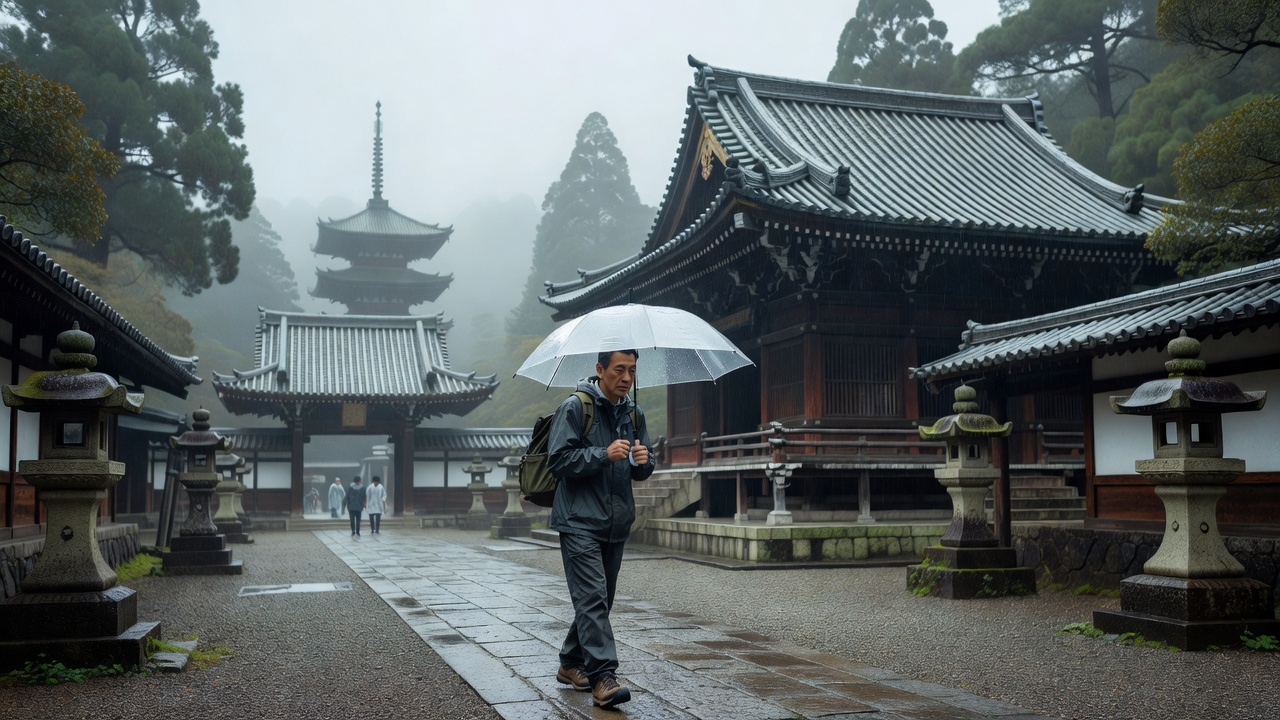
Consider Rome in January: the Colosseum feels almost private, and local trattorias offer better service with time for conversation. In Japan, visiting Kyoto during the rainy season reveals misty temples without the summer throngs. Paris in February allows unhurried strolls along the Seine, while Bali’s shoulder months from April to June provide access to serene beaches and yoga retreats with fewer international visitors. New York City in late winter offers Broadway shows with easier ticket availability and Central Park walks without summer heat or lines. These examples illustrate how guides turn potential drawbacks into advantages by highlighting seasonal specialties and adjusted logistics.
Step-by-Step Process for Customizing Your 2026 Travel Guide
- Start with a reputable base guide for your destination and note key attractions.
- Overlay historical crowd data and weather patterns to identify the best windows.
- Adjust your itinerary for personal interests like food, hiking, or museums.
- Verify current entry requirements, visa rules, and service availability through official channels.
- Build flexibility into daily plans for spontaneous discoveries and weather changes.
- Cross-check transportation schedules, as some ferries or trains reduce frequency off-season.
- Create backup indoor options and local event calendars to maximize every day.
Peak vs Off-Season Itinerary Comparison
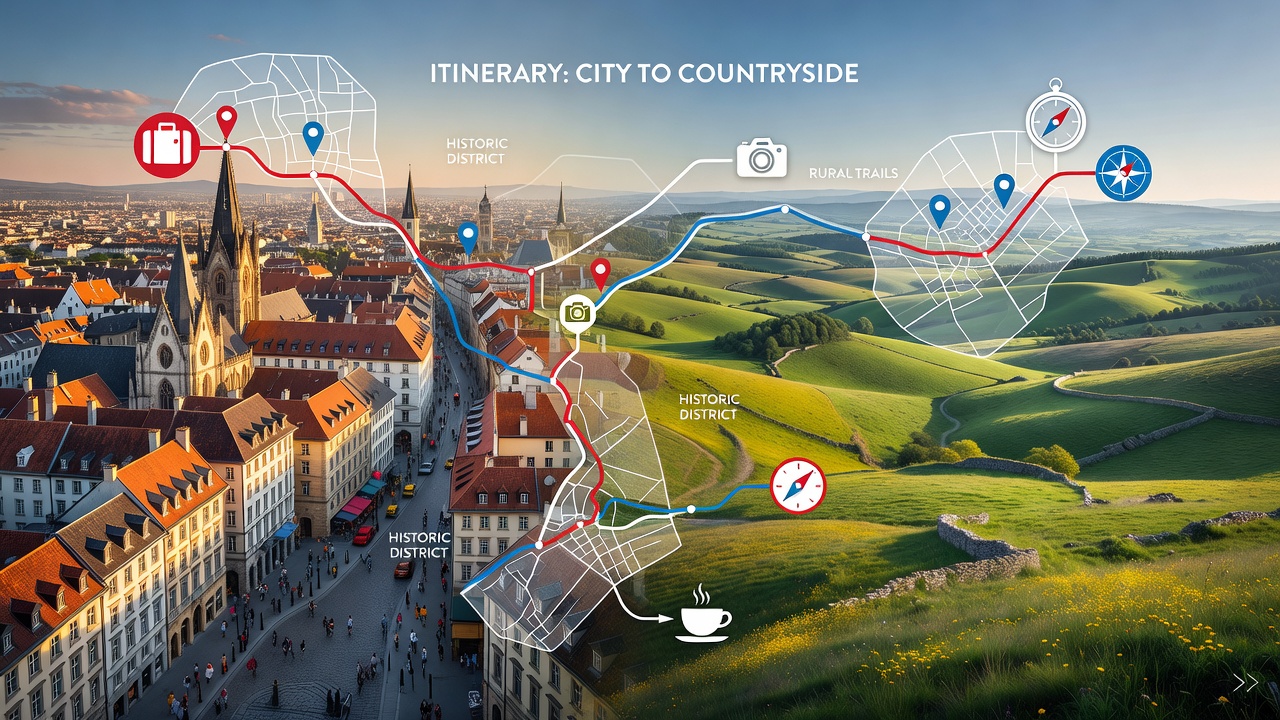
A peak-season Paris itinerary might pack three major sites per day with long waits and crowded restaurants. The off-season version spreads visits across a relaxed week, allowing time for neighborhood walks, evening cultural events, and extended meals. In Rome, peak summer means battling heat and tour groups at the Vatican, whereas January offers shorter lines and the chance to linger at cafés. Guides make these side-by-side comparisons easy to visualize and adapt to your travel style, showing how slower pacing leads to deeper memories.
Packing and Preparation Essentials
Off-season packing requires attention to variable weather. Layered clothing, waterproof jackets, and comfortable walking shoes are essential. Download offline maps and translation apps in advance. Research seasonal closures for attractions and restaurants, and purchase travel insurance that covers weather-related disruptions. Preparation also includes checking health advisories from sources such as cdc.gov and who.int to ensure a smooth experience.
Mistakes to Avoid When Traveling Off-Season
Common pitfalls include assuming all services operate normally and failing to confirm opening hours. Another mistake is overlooking transportation changes or underestimating weather severity. Travelers sometimes book too rigidly without flexibility, missing the spontaneous opportunities that define great off-season trips. Using comprehensive guides helps sidestep these issues by providing updated checklists and contingency plans.
Frequently Asked Questions
Will attractions and restaurants be closed?
Some smaller venues reduce hours, but major sites remain open. Updated guides list seasonal operating schedules and suggest alternatives.
Is it safe to travel during off-season weather?
Yes, provided you prepare appropriately. Check official resources such as travel.state.gov and cdc.gov for health and safety updates before departure.
How far in advance should I book?
Three to four months is usually sufficient for off-season travel, giving you flexibility while securing the best rates and availability.
What about limited public transport?
Many cities maintain regular service, but frequency may drop. Guides include current timetables and recommend ride-sharing or walking alternatives for convenience.
Conclusion
Embracing 2026 off-season travel through well-crafted guides unlocks unforgettable journeys filled with savings, serenity, and authentic connections. Start planning today to experience destinations at their most welcoming and create memories that last far beyond the trip itself.

No comments yet. Be the first!