 PlaceBee
Introduction to Caribbean Hidden Gems
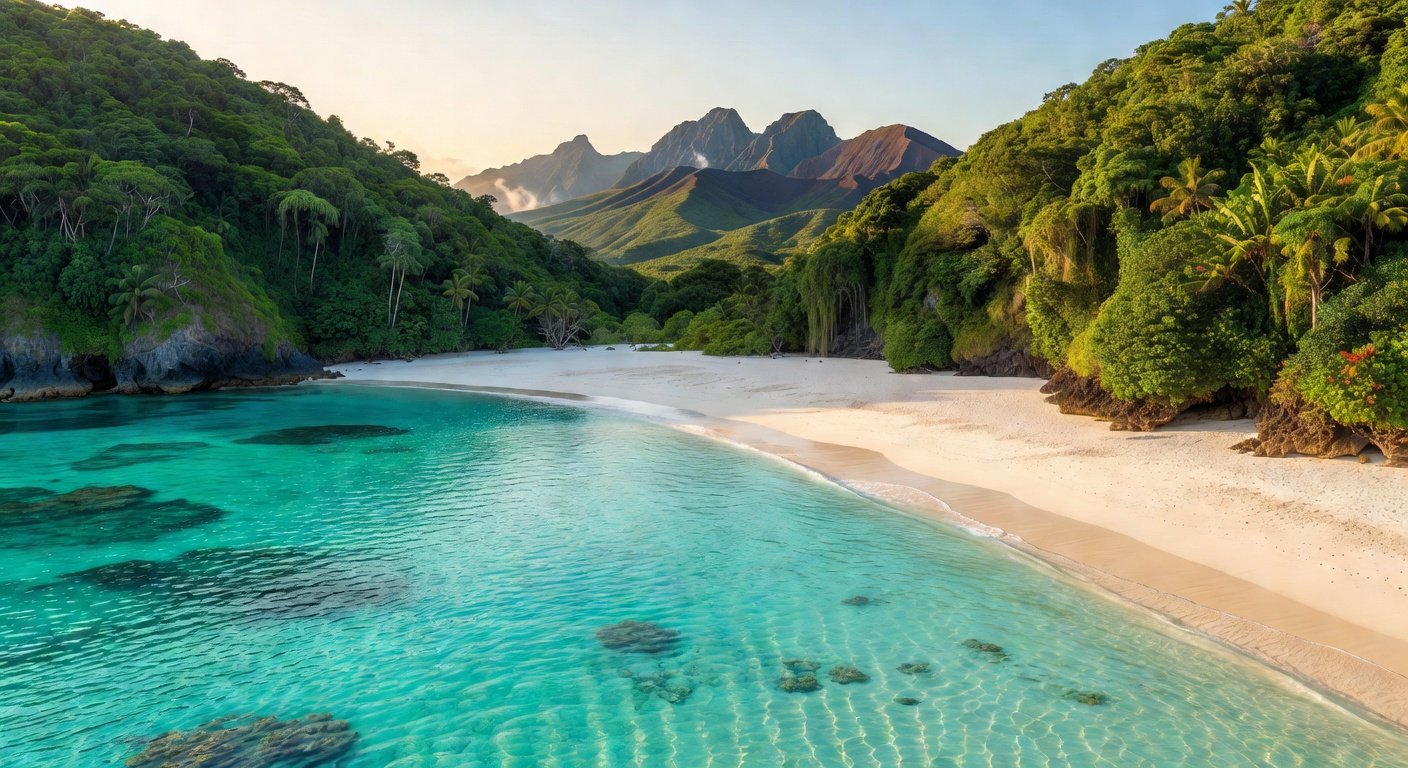
Travelers in 2026 are increasingly seeking authentic experiences away from overcrowded resorts and commercialized attractions. The Caribbean offers numerous underrated destinations where visitors can enjoy pristine beaches, vibrant local cultures, and untouched natural landscapes without the typical tourist crowds. This guide focuses on secret spots in places like Dominica and Grenada, providing actionable advice for planning low-impact trips that support local communities and preserve the environment for future generations.
Popular hubs such as Jamaica and the Bahamas attract millions annually, but smaller islands remain largely undiscovered by mainstream tourism. By choosing these alternatives, travelers enjoy more personal interactions with residents, access to exclusive natural sites, and a deeper connection to the region's rich heritage. The shift toward sustainable and off-the-beaten-path travel continues to grow as people prioritize meaningful journeys over standard vacation packages.
Why Choose Underrated Caribbean Islands in 2026
Visitor numbers at major Caribbean destinations have surged in recent years, leading to higher prices, environmental strain, and diminished experiences. In contrast, islands like Dominica and Grenada maintain lower foot traffic, preserving their natural beauty and cultural authenticity. These locations offer a genuine sense of discovery, from secluded coves accessible only by foot to traditional villages where daily life unfolds at a relaxed pace.
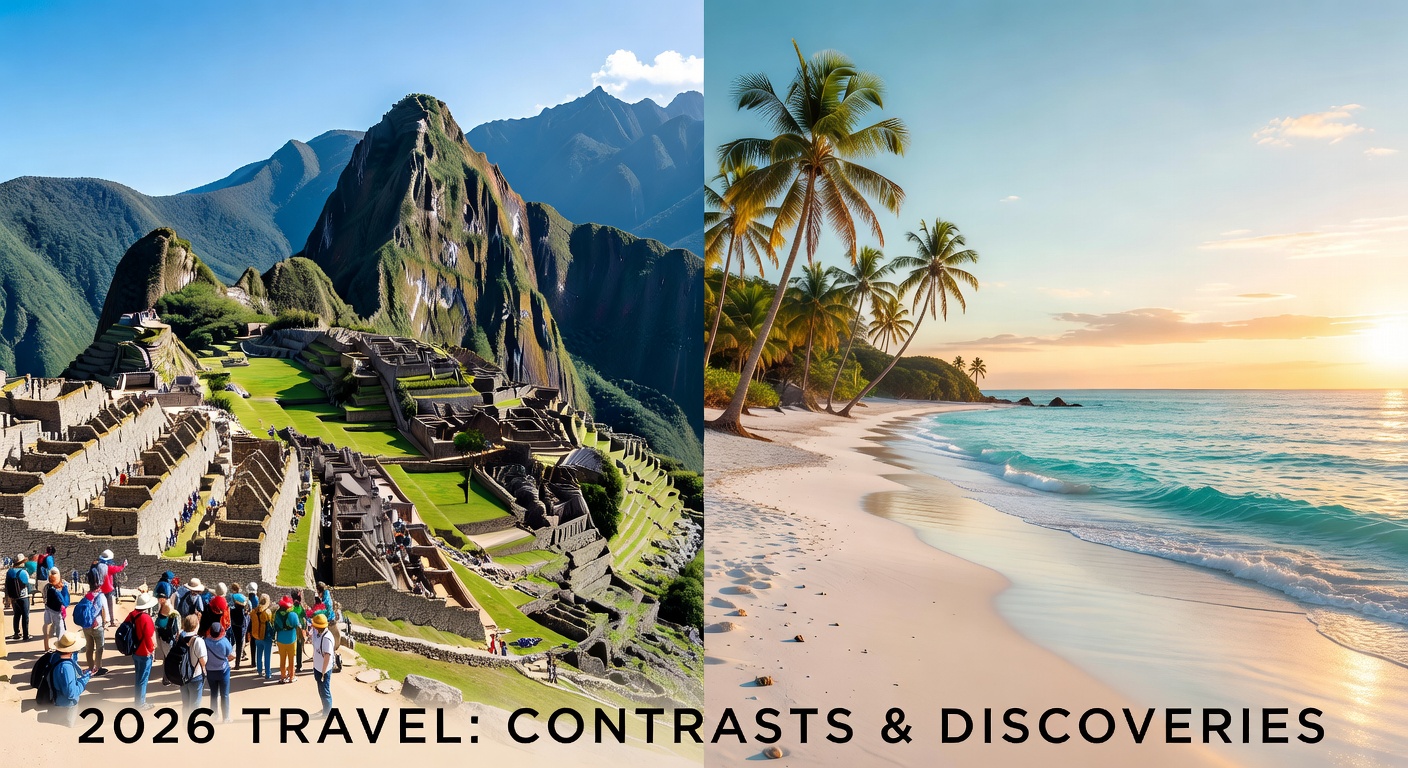
Comparisons show that popular spots can see over ten times the annual visitors of hidden gems. This difference translates to quieter trails, fresher seafood markets, and more affordable local experiences overall. Choosing underrated islands also allows for better wildlife encounters, such as spotting rare birds or marine life without disturbance, and supports economies that rely on small-scale tourism rather than large developments.
Top Underrated Destinations: Dominica and Grenada
Dominica: The Nature Island's Hidden Treasures
Dominica, known as the Nature Island, features dramatic volcanic terrain and dense rainforests that cover much of its landscape. Secret spots include the remote beaches near Calibishie, where black sand meets clear waters, and the challenging yet rewarding Boiling Lake hike. This geothermal site bubbles with natural heat, surrounded by steam vents and unique plant life that thrive in the harsh conditions. Travelers can also explore the Syndicate Nature Trail for birdwatching opportunities, spotting species like the red-necked parrot in their natural habitat.
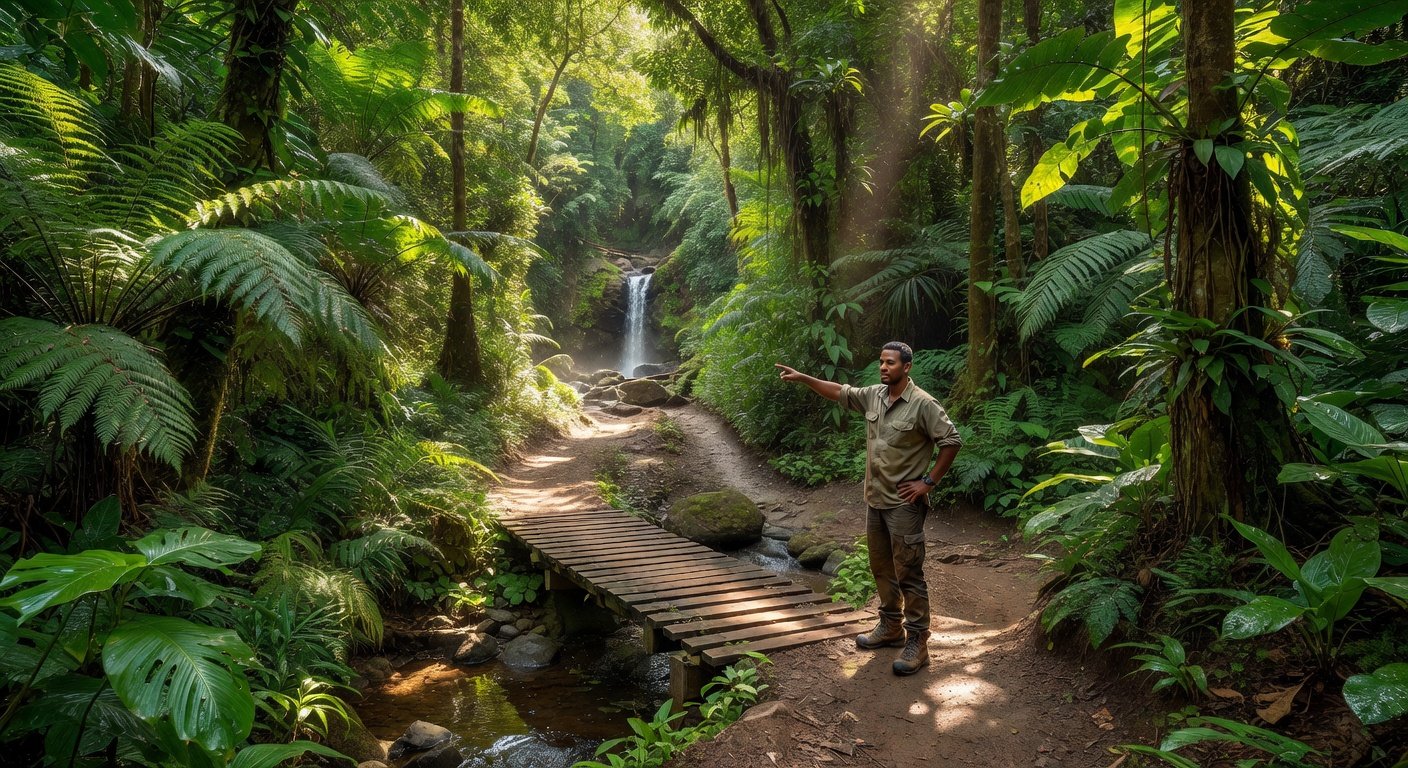
Accessing these areas often involves local guides who share knowledge of the island's history and ecology. Villages such as Marigot offer glimpses into fishing communities, where visitors might join in preparing traditional meals or learn about sustainable practices passed down through generations.
Grenada: Spice Isle Secrets and Coastal Wonders
Grenada, the Spice Isle, boasts fragrant nutmeg plantations and pristine coastal areas that remain largely untouched. Explore the underwater sculpture park off Molinere Bay, an artistic installation that doubles as an artificial reef teeming with fish. Hikes to secluded waterfalls in the Grand Etang Forest Reserve provide opportunities for swimming in natural pools amid lush greenery. Remote villages like Gouyave host weekly fish markets where the catch is sold directly from boats, offering fresh flavors and cultural immersion.
Other emerging gems include St. Vincent and the Grenadines, where black sand beaches and volcanic peaks provide unique backdrops for exploration, and quiet bays perfect for kayaking or snorkeling in crystal-clear waters.
Comparisons of Visitor Numbers Versus Popular Spots
While destinations like Cancun or St. Thomas host hundreds of thousands of cruise passengers each month, hidden gems see only a fraction of that volume. This results in preserved ecosystems and more space for individual exploration. For instance, Dominica welcomes far fewer visitors than neighboring islands, allowing for peaceful hikes without queues or noise. The lower density also means better value for money on accommodations and activities, with opportunities to negotiate directly with local operators for customized experiences.
Real Examples of Off-the-Been-Path Hikes and Local Food Discoveries
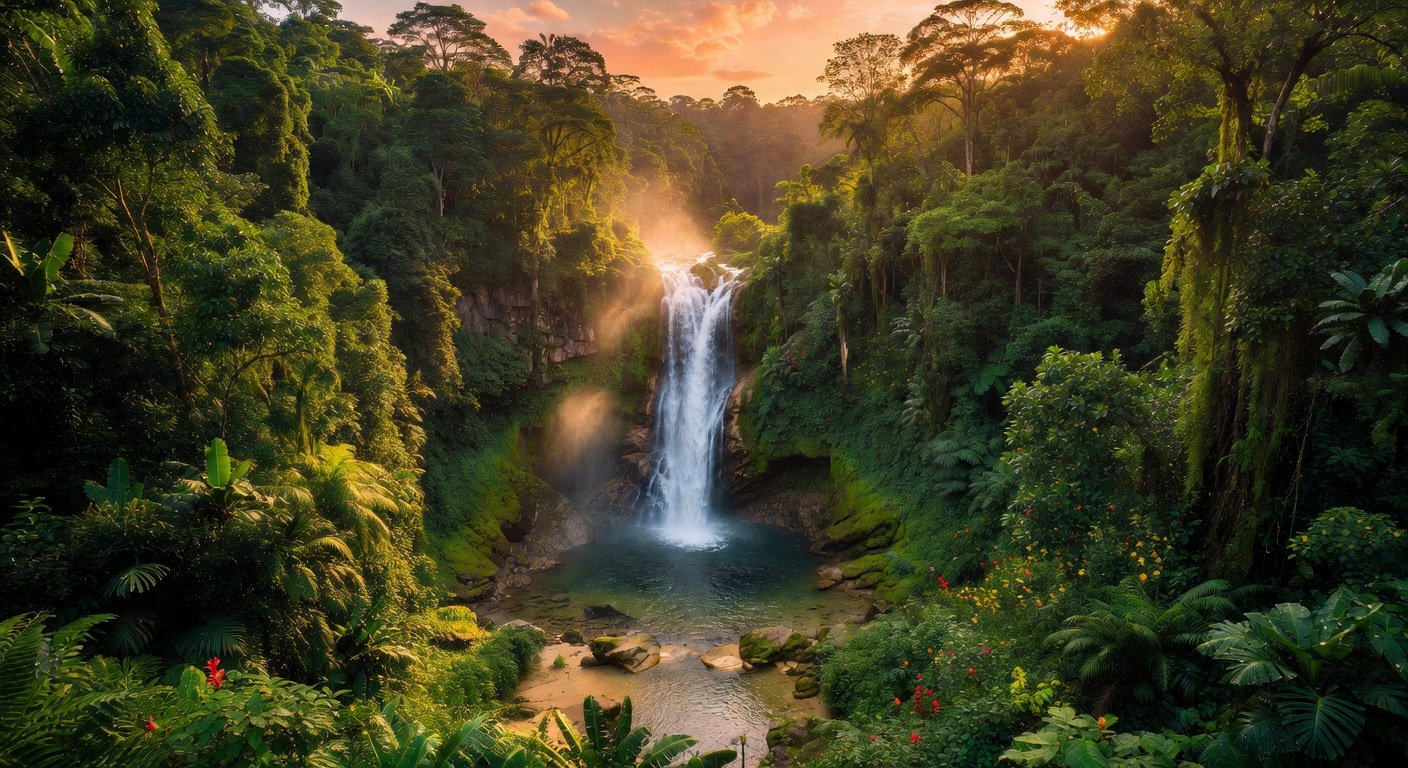
One memorable hike in Dominica leads through the Waitukubuli National Trail's lesser-used segments, revealing hidden waterfalls and endemic bird species along the way. Hikers often encounter natural hot springs for a relaxing soak after a long trek. Local guides frequently point out medicinal plants used in traditional remedies, adding educational value to the adventure.
In Grenada, discovering roadside food stalls serving fresh callaloo soup, spice-infused curries, and grilled seafood offers insight into authentic cuisine. These encounters highlight the rewards of venturing beyond resort areas, where meals incorporate homegrown spices and seasonal ingredients. Another example involves joining a nutmeg harvesting tour, where participants learn the full process from tree to table and sample products like nutmeg ice cream or rum punches made with local spices.
Step-by-Step Planning for Sustainable Visits
Planning a trip to these hidden gems requires attention to detail to ensure sustainability and enjoyment. Follow these expanded steps for a seamless experience.
- Research entry requirements and seasonal weather patterns well in advance through official channels to avoid surprises upon arrival. Check for any updates on travel advisories and prepare necessary documents like passports or visas.
- Choose eco-certified accommodations that partner with local communities, such as small guesthouses or eco-lodges that employ residents and use renewable energy sources where possible.
- Opt for small-group tours or independent travel using public transport where available, which reduces carbon footprints and allows for spontaneous discoveries along the way.
- Pack reusable items to minimize waste and support conservation efforts, including water bottles, bags, and sunscreen that is reef-safe to protect marine environments.
- Engage with residents respectfully to learn about cultural traditions, perhaps by attending community events or purchasing handmade crafts directly from artisans.
These steps ensure visits remain enjoyable while protecting fragile ecosystems and fostering positive relationships with host communities.
Practical Tips for Accessing Remote Beaches and Villages
Ferries and regional flights connect these islands efficiently from larger hubs. Renting a car allows flexibility to reach hidden beaches, but hiring local drivers provides valuable insights into shortcuts and safe routes. Always check road conditions, especially during rainy seasons when paths may become slippery or flooded. For remote villages, consider staying overnight in homestays to experience daily rhythms and build connections. Safety resources from official health authorities and U.S. government travel pages offer current guidance on health precautions and regional advisories. Additional insights on natural heritage sites can be found via UNESCO resources. Sustainable practices include leaving no trace, respecting private lands, and supporting small businesses directly rather than through intermediaries.
FAQ on Safety, Costs, and Best Times to Travel in 2026
Is it safe to visit these hidden gems?
Yes, with standard precautions such as staying in well-lit areas at night, using reputable transport, and keeping valuables secure. These islands generally have low crime rates in tourist areas, but travelers should stay aware of surroundings and follow local advice from hosts or guides. Health considerations include staying hydrated and using insect repellent in forested regions.
What are typical costs like compared to mainstream destinations?
Daily expenses remain more moderate than at major resorts, emphasizing value through local dining, shared taxis, and community-led activities rather than luxury packages. This approach often leads to more memorable and budget-friendly trips overall.
When is the best time to visit in 2026?
The dry season from December to April offers ideal conditions for outdoor exploration with lower rainfall and comfortable temperatures. However, shoulder months like May and November provide fewer crowds, pleasant weather, and opportunities to witness seasonal events such as local festivals or migrations of marine life.
How can travelers ensure their visit supports sustainability?
By selecting operators committed to conservation, minimizing single-use plastics, and participating in educational tours that highlight environmental protection, visitors can make a positive impact while enjoying the islands.
Conclusion
Embracing Caribbean hidden gems delivers unforgettable journeys filled with natural wonders, cultural richness, and personal growth. By planning thoughtfully and exploring with respect, travelers create positive impacts on local economies and environments while enjoying the islands at their most authentic. Start exploring these secret spots for a transformative 2026 adventure that goes beyond typical vacations.
No comments yet. Be the first!