 PlaceBee
Introduction to Advanced Extreme Sports in Adventure Travel
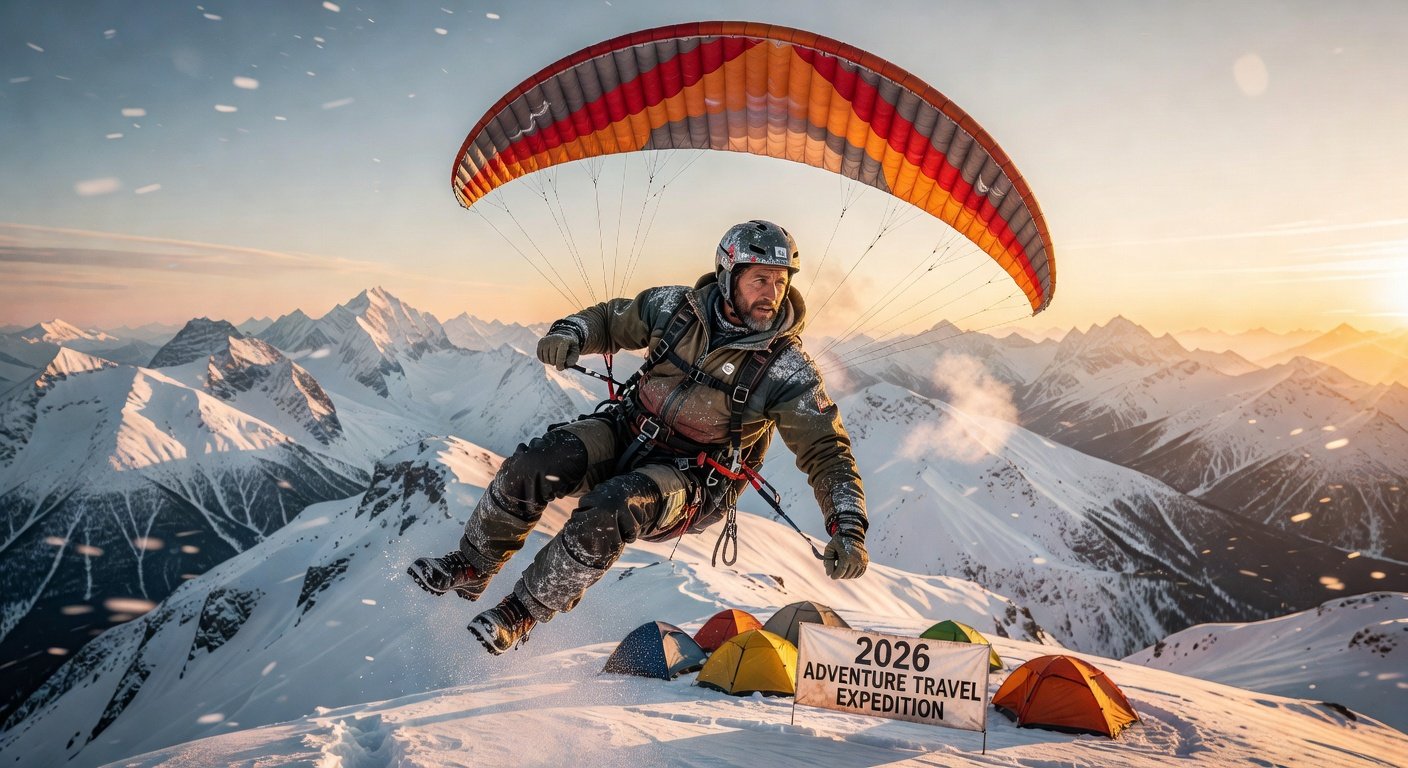
Experienced thrill-seekers are constantly seeking ways to elevate their adventures beyond standard activities. In 2026, advanced extreme sports techniques blend physical prowess with cutting-edge technology, enabling deeper exploration of remote terrains around the world. This comprehensive guide covers mastering complex maneuvers across disciplines like rock climbing, whitewater kayaking, backcountry skiing, and downhill mountain biking. It emphasizes practical training progressions, comparisons of different approaches, real-world expedition examples, and essential safety protocols. Whether you are preparing for multi-week expeditions or refining skills in familiar locations, these insights will help you push boundaries responsibly while maximizing performance and enjoyment.
Mastering Complex Maneuvers in Key Extreme Sports
Advanced techniques demand precise control, adaptability, and years of foundational experience. In rock climbing, athletes focus on dynamic movement sequences such as heel hooks paired with toe cams for overhanging sections, combined with advanced crack climbing methods like finger locks and ring locks for efficient progress on vertical faces. Whitewater kayaking requires mastery of eddy turns, boofing over ledges, and advanced rolling techniques to recover quickly in turbulent Class V rapids. Backcountry skiers refine steep powder turns using controlled edge pressure and weight distribution to maintain momentum without triggering avalanches. Downhill mountain bikers practice advanced cornering with body positioning and suspension tuning for high-speed descents on technical trails.
Step-by-Step Guide: Learning a Dynamic Climbing Maneuver
- Begin with isolated body positioning drills on a bouldering wall to strengthen your core and improve hip mobility.
- Progress to practicing the full sequence on moderate routes with a trusted belayer or spotter for immediate feedback.
- Incorporate simulated fatigue by adding weighted vests or extending session duration to mimic expedition conditions.
- Record and analyze your movements using video to identify timing issues and reduce unnecessary energy expenditure.
- Apply the technique in varied environments, starting with indoor gyms before transitioning to outdoor crags.
Integrating Technology for Enhanced Performance and Safety
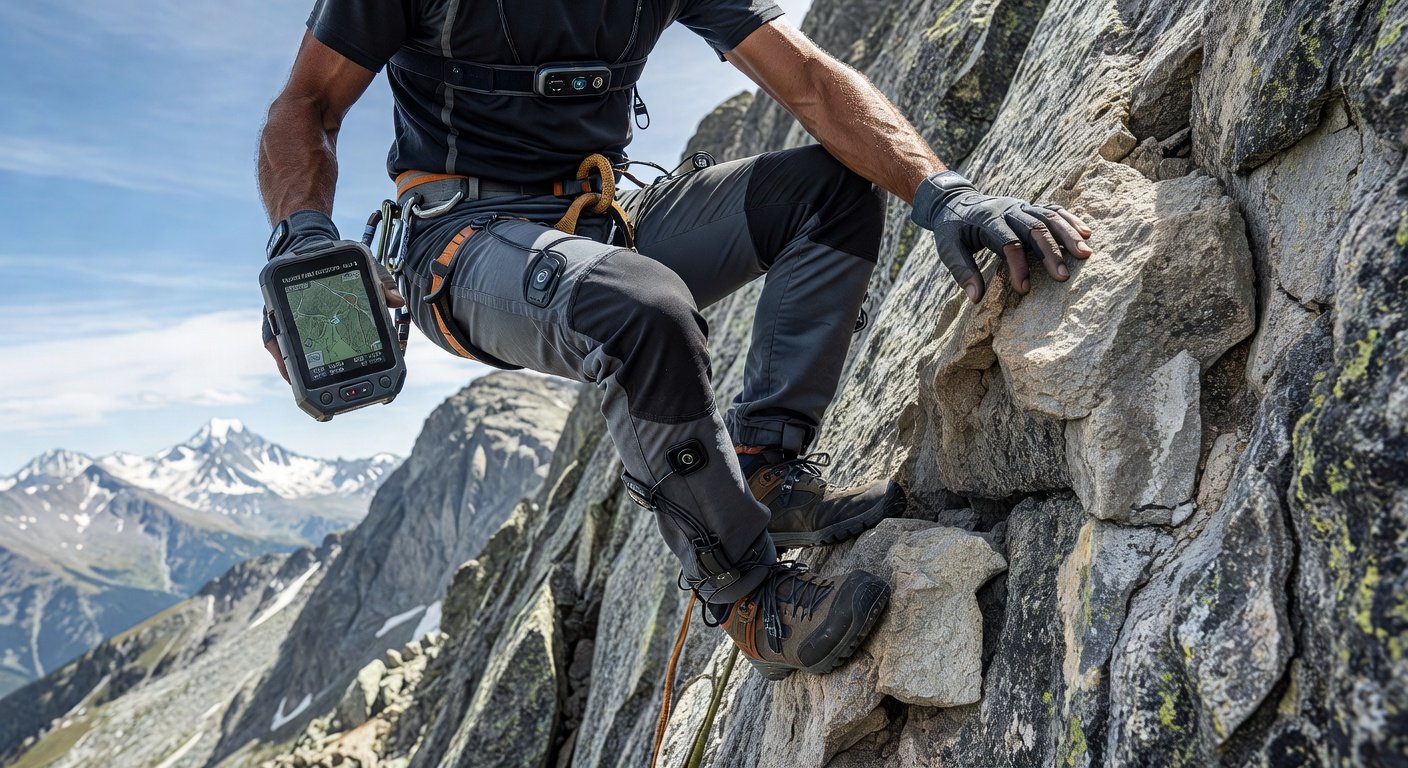
Modern technology plays a pivotal role in advancing extreme sports capabilities. Wearable sensors track vital metrics including heart rate variability, blood oxygen saturation, and muscle activation patterns in real time. AI-powered applications analyze this data to suggest personalized adjustments during activities. Drones equipped with high-resolution cameras enable detailed route scouting and hazard identification from above, particularly useful in glaciated or densely forested areas. GPS mapping tools integrated with satellite imagery help plot efficient and safer paths through unfamiliar wilderness. These innovations not only optimize energy management but also provide critical early warnings for changing weather or terrain instability.
Learn more about outdoor safety standards from the American Red Cross and explore global adventure guidelines via National Geographic. Additional resources on wilderness protocols are available through the National Park Service.
Detailed Training Progressions and Approach Comparisons
Effective training follows structured progressive overload principles tailored to each sport. A typical 12-week progression starts with foundational endurance and strength building through swimming, cycling, and resistance exercises. Weeks five through eight introduce sport-specific drills such as repeated high-intensity intervals on technical terrain. The final phase focuses on expedition simulations including multi-day outings with full gear loads and recovery emphasis through mobility work and nutrition planning. Traditional periodization methods prioritize steady volume increases, while modern high-intensity interval approaches accelerate power development but require strict monitoring to prevent injury. Athletes often find hybrid models most effective, blending both for balanced gains in endurance, strength, and technical skill.
Mistakes to Avoid During Training
- Skipping recovery days, which leads to accumulated fatigue and higher injury risk.
- Neglecting mental preparation techniques such as visualization and stress management.
- Over-relying on technology without developing core physical instincts.
- Ignoring environmental factors like altitude acclimatization during practice sessions.
Practical Examples from Real Expeditions
In a notable 2025 expedition to Patagonia, climbers employed advanced crack techniques alongside drone-assisted weather monitoring to successfully summit previously inaccessible spires. The team used real-time sensor data to adjust pacing and avoid sudden storms. Similarly, a backcountry skiing group in the Himalayas integrated GPS mapping with avalanche forecasting apps to tackle steeper lines safely. Their approach allowed for precise route adjustments based on snow conditions, resulting in multiple successful descents without incidents. These examples highlight how combining technique mastery with technology creates more reliable outcomes in challenging environments.
Essential Safety Considerations and Protocols
Safety remains paramount in advanced extreme sports. Conduct thorough pre-expedition risk assessments covering weather patterns, terrain hazards, and team capabilities. Carry redundant safety equipment including multiple communication devices, first-aid kits, and emergency shelters. Maintain current certifications in wilderness first aid and avalanche rescue. Always establish clear communication protocols with partners and have evacuation plans ready. Environmental stewardship through Leave No Trace principles ensures these adventures remain sustainable for future generations.
Conclusion
Refining advanced extreme sports techniques transforms adventure travel into profoundly rewarding and safer experiences. By focusing on skill mastery, strategic technology use, progressive training, and rigorous safety measures, thrill-seekers can confidently tackle new challenges in 2026 and beyond.
FAQ
What is the best way to start advanced training for extreme sports?
Begin by assessing your current fitness level with a professional coach and create a personalized plan that emphasizes gradual skill progression and recovery.
How does technology specifically improve safety during expeditions?
Real-time data from wearables and advanced mapping applications allows athletes to anticipate hazards, optimize routes, and respond quickly to environmental changes.
Are there recommended certifications for advanced participants?
Yes, pursue Wilderness First Responder training along with sport-specific qualifications such as those offered by the American Mountain Guides Association or equivalent bodies.
How can athletes compare different training approaches effectively?
Track performance metrics over several cycles and consult with coaches to evaluate which methods yield the best balance of gains and injury prevention for your specific goals.

No comments yet. Be the first!