 PlaceBee
Introduction to 2026 Extreme Adventure Case Studies
Adventure travelers in 2026 are redefining limits through extreme sports that demand physical endurance, technical precision, and deep environmental respect. This comprehensive exploration draws on documented journeys involving mountaineering and scuba diving across multiple continents including South America, Asia, and Oceania. Beyond surface-level inspiration, the case studies provide actionable insights into preparation protocols, real-time problem solving, and quantifiable personal growth. Readers seeking more than generic guides will discover comparisons between high-altitude climbing and technical underwater exploration, plus detailed risk management frameworks that apply universally.
These accounts emphasize measurable results such as improved fitness metrics and skill certifications while highlighting how participants navigated unpredictable conditions. Whether planning a first expedition or refining advanced techniques, the following sections deliver practical depth for informed decision-making in adventure travel.
Case Study 1: High-Altitude Mountaineering in the Andes
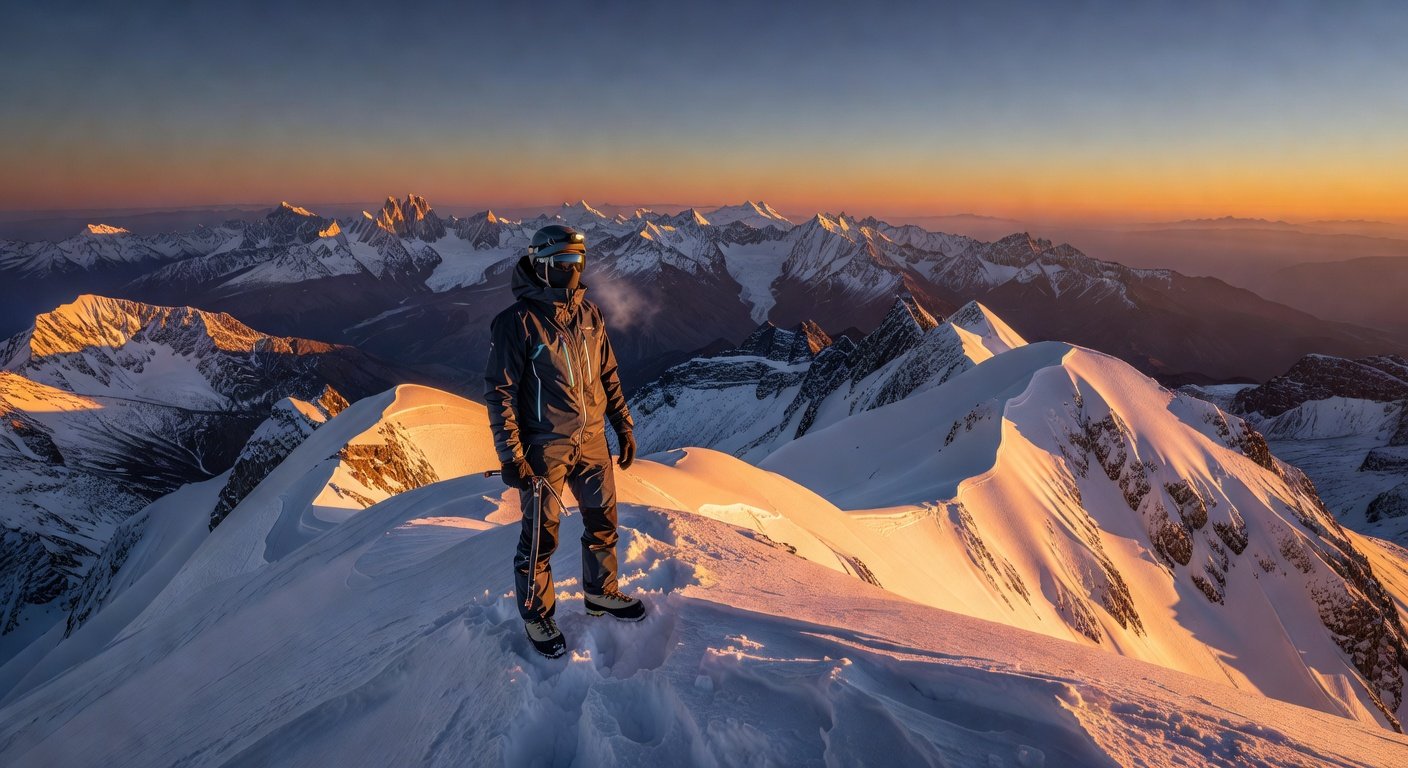
In early 2026, a team of four experienced climbers pursued the summit of Aconcagua in Argentina, the highest peak outside Asia. Their approach integrated advanced acclimatization schedules and satellite weather integration to maximize success rates. Over 18 days on the mountain, the group tracked daily progress including elevation gains, hydration levels, and group morale indicators, ultimately reaching the 6,961-meter summit without major incidents.
Detailed Preparation Steps for Mountaineering
- Engage in a structured 12-week training program combining high-intensity interval sessions, weighted hikes, and core stabilization exercises tailored to altitude demands.
- Obtain necessary permits and coordinate with licensed local operators at least four months prior, including contingency planning for route variations.
- Assemble and test multi-layer clothing and equipment systems in simulated cold environments to ensure functionality at extreme temperatures.
- Develop a nutrition and hydration strategy accounting for increased caloric needs and altitude-related appetite suppression.
- Complete wilderness medical training focused on altitude sickness recognition and basic evacuation procedures.
These preparations enabled the team to maintain operational efficiency even when conditions deteriorated.
Unexpected Challenges and Adaptations
The expedition encountered an unanticipated high-wind event that required establishing a temporary high camp for two full days. The climbers adapted by rotating rest periods and conserving energy through shared load carrying, turning a potential setback into a bonding experience that strengthened team dynamics.
Case Study 2: Technical Scuba Diving in Southeast Asia
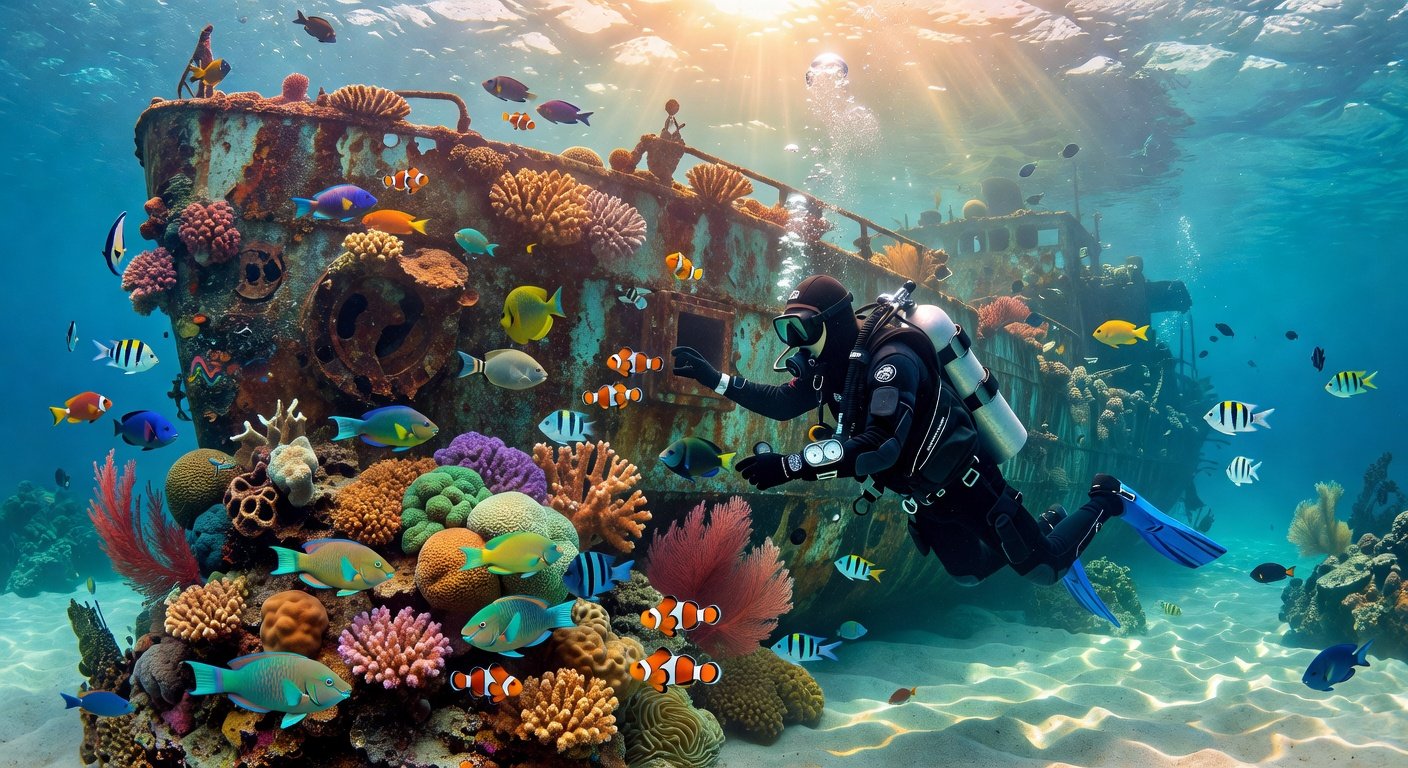
A trio of certified divers conducted an intensive exploration of wreck sites and underwater caves near Thailand’s Similan Islands during the 2026 dry season. Their itinerary featured repeated dives to depths beyond 40 meters, emphasizing precise gas management, buoyancy mastery, and marine life documentation. Across 22 dives spanning 10 days, participants recorded biodiversity observations that contributed to regional conservation databases.
Preparation and Training Specifics
Prior to departure, each diver completed advanced nitrox and cave diving certifications. Equipment checks included redundant systems testing in controlled pool environments, while dive planning incorporated tide tables and current forecasts from multiple sources. Physical conditioning focused on breath-hold extensions and finning efficiency to reduce air consumption during extended bottom times.
Challenges Faced Underwater
Strong seasonal currents repeatedly altered planned trajectories, forcing real-time route adjustments and increased surface interval monitoring. One diver experienced minor equipment entanglement that was resolved through practiced buddy procedures, underscoring the value of redundant training drills.
Comparing Mountaineering and Diving Across Continents
Mountaineering in the Andes prioritizes sustained aerobic capacity and psychological resilience against isolation, whereas diving in Asian waters demands fine motor control and situational awareness in low-visibility scenarios. Equipment considerations vary significantly: climbers manage heavy packs over multi-day treks, while divers contend with compressed gas logistics and thermal protection layers. Extending comparisons to other regions, such as potential European alpine routes or African rift valley dives, reveals consistent themes of progressive skill building and local guide integration. Success metrics improve when athletes respect seasonal windows and incorporate recovery protocols between efforts.
Broader Preparation Across Extreme Sports
Effective preparation begins with baseline fitness assessments and scales to sport-specific drills. For both disciplines, mental conditioning through visualization and scenario planning proves equally critical. Participants should cross-reference resources from established organizations to align personal plans with proven safety standards.
Global Unexpected Challenges and Mitigation
Weather volatility and equipment fatigue appear as recurring themes regardless of location. Mitigation strategies include daily briefings, backup communication tools, and flexible itineraries that allow buffer days. Learning from these 2026 examples, future travelers benefit from maintaining detailed logs to refine future attempts.
Measurable Outcomes and Long-Term Benefits
Post-expedition evaluations showed notable gains in cardiovascular endurance and stress resilience. The mountaineering team achieved faster recovery times in subsequent training, while divers earned advanced certifications and contributed valuable data sets. These outcomes translate to enhanced confidence in everyday pursuits and a deeper appreciation for sustainable travel practices.
FAQ: Safety Gear and Risk Management
What core safety gear supports both mountaineering and diving?
Essential items encompass helmets, harnesses, and location beacons for climbers alongside redundant breathing apparatus, dive computers, and signaling devices for divers. Regular maintenance and professional inspections remain non-negotiable.
How can travelers effectively manage risks in remote environments?
Implement layered contingency planning, maintain updated medical kits, and establish check-in protocols with external contacts. Weather and environmental monitoring should occur multiple times daily using reliable data sources.
What training certifications provide the strongest foundation?
Wilderness first responder courses paired with sport-specific credentials such as advanced mountaineering or technical diving qualifications deliver comprehensive readiness.
Are there universal principles for group coordination?
Yes, clear role assignments, shared decision-making frameworks, and post-activity debriefs foster safer, more cohesive teams across all adventure types.
Steps to Adapt These Experiences for Personal Use
- Conduct a thorough self-assessment of current physical condition and skill gaps with input from qualified trainers or medical professionals.
- Select a primary sport and enroll in progressive local courses before considering international travel, building foundational competence over several months.
- Research destination-specific regulations and seasonal conditions using authoritative references such as National Park Service guidelines.
- Assemble a support network including mentors, equipment specialists, and travel insurance providers familiar with adventure activities.
- Incorporate health and safety protocols recommended by CDC travel resources and World Health Organization advisories into every planning phase.
- Document each outing with notes on performance and lessons learned to create a personalized progression roadmap.
- Scale ambitions gradually, starting with shorter domestic outings before committing to multi-week expeditions abroad.
These incremental approaches transform aspirational case studies into achievable personal milestones while minimizing unnecessary exposure to hazards.
Conclusion
The 2026 case studies illustrate how deliberate preparation, adaptive thinking, and rigorous safety practices converge to produce fulfilling extreme sports outcomes. By studying detailed examples from mountaineering in South America and diving in Asia, travelers gain transferable strategies applicable across continents and disciplines. Prioritizing education, equipment reliability, and realistic goal setting empowers individuals to craft their own meaningful adventures. Begin with honest self-evaluation and consistent training to convert inspiration into tangible, safe explorations that endure beyond a single season.
No comments yet. Be the first!