 PlaceBee
Introduction: Igniting Your 2026 Wanderlust with Adventure
Adventure travel continues to captivate those seeking more than standard vacations. In 2026, destinations offering extreme activities paired with breathtaking scenery will dominate wish lists. This guide curates 8-10 top spots that deliver high-adrenaline experiences while emphasizing responsible planning. Whether you crave mountain treks or ocean challenges, these locations blend thrill with inspiration. Travelers often search for unique escapes that contrast well-known hotspots with emerging gems. Here we highlight both, providing real examples, comparisons, and actionable advice to turn dreams into safe, memorable journeys. The year ahead promises new opportunities for wanderlust as infrastructure improves in remote areas and operators refine safety protocols. By focusing on practical details such as timing, preparation, and real-world itineraries, this article helps you select destinations that match your skill level and interests.
Top Global Adventure Hubs for 2026
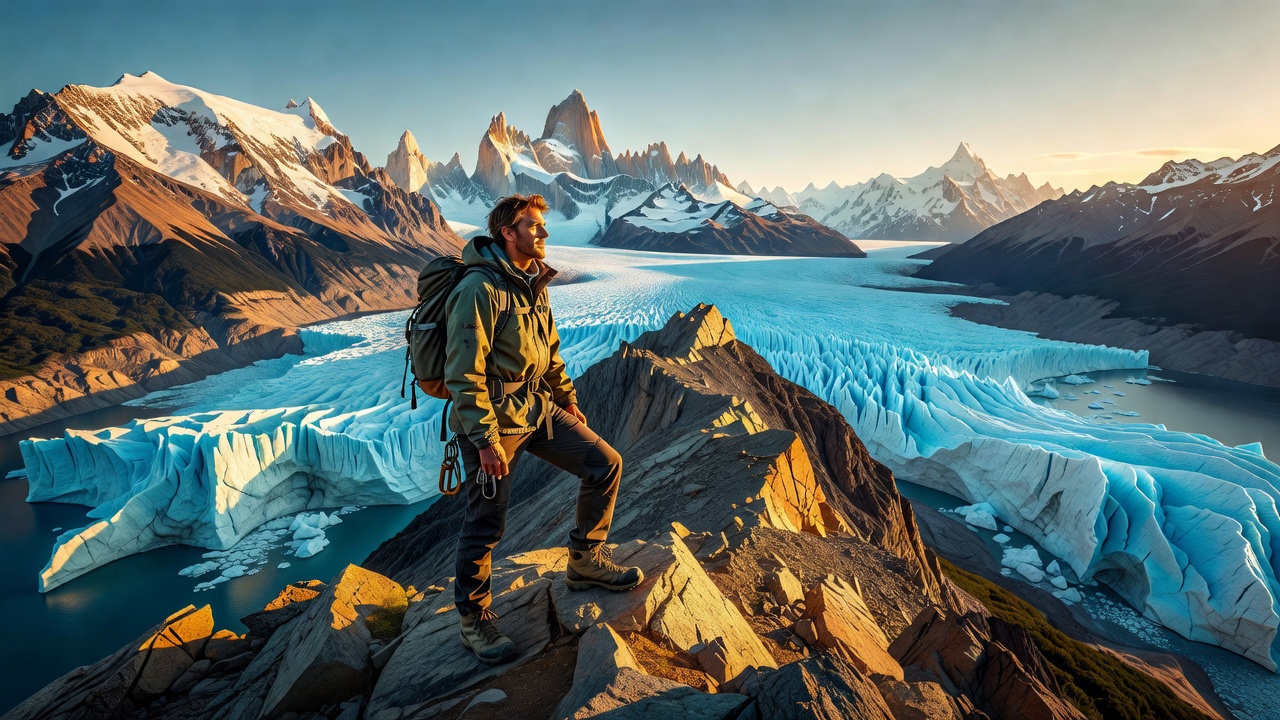
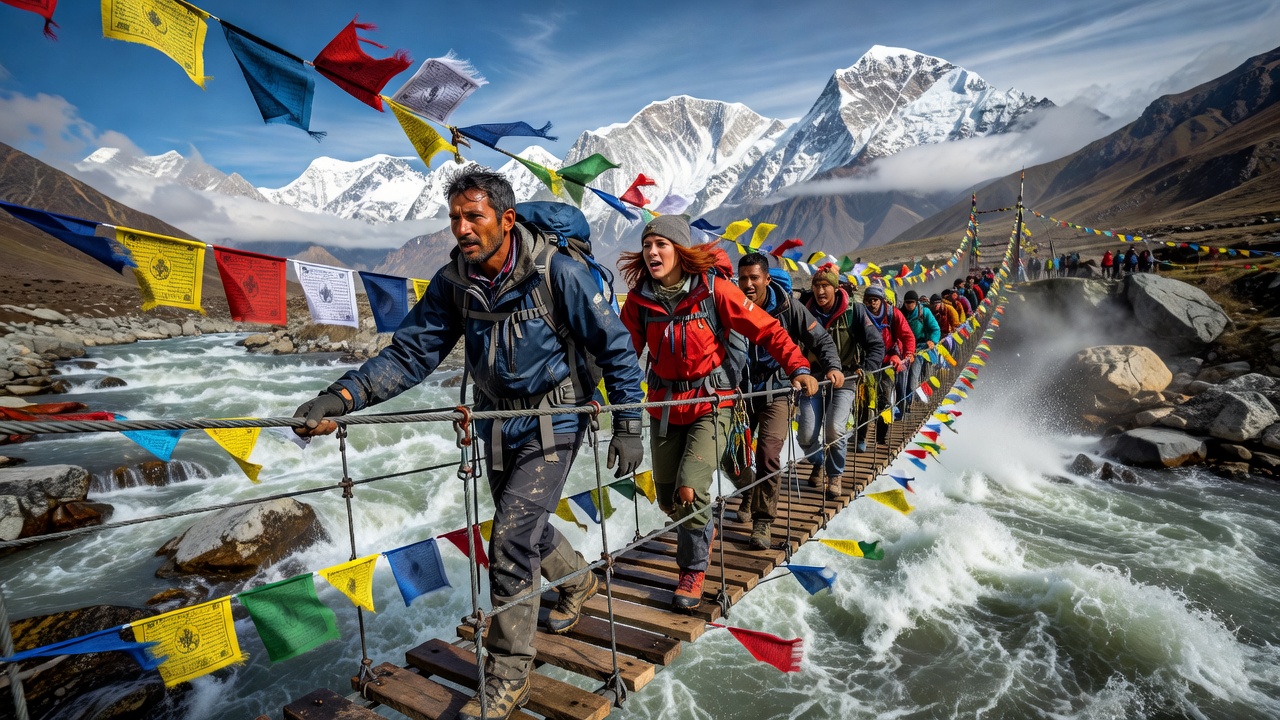
From South America's rugged peaks to Asia's ancient trails, these destinations stand out for their mix of extreme sports and natural wonders. Patagonia in Chile and Argentina offers iconic hiking and ice trekking amid vast glaciers, with trails that challenge even seasoned hikers while rewarding them with turquoise lakes and granite spires. Queenstown in New Zealand serves as the adventure capital with bungee jumping and jet boating set against dramatic mountain backdrops. Iceland provides volcano hiking and glacier walks, where visitors can combine geothermal exploration with potential sightings of the northern lights during shoulder seasons. Nepal's Himalayas deliver multi-day treks to Everest base camp or the Annapurna circuit, exposing travelers to Sherpa culture and high-altitude landscapes. Costa Rica excels in zip-lining through rainforests and whitewater rafting on rushing rivers surrounded by biodiversity hotspots. Banff National Park in Canada features kayaking on turquoise lakes and via ferrata climbs along sheer rock faces. Norway's fjords invite sea kayaking and hiking steep trails that reveal cascading waterfalls. Alaska in the USA combines dog sledding and bear viewing with mountaineering opportunities in pristine wilderness. South Africa offers shark diving alongside hikes up Table Mountain for panoramic ocean views. An emerging destination is Kyrgyzstan, where untamed trekking in the Tian Shan mountains provides solitude and raw beauty for those willing to venture beyond typical routes. Popular spots like Queenstown offer infrastructure for beginners, while emerging areas like Kyrgyzstan provide solitude for experienced adventurers seeking less crowded experiences.
Hiking Versus Water Sports: Activity Comparisons
Choosing between hiking and water sports depends on fitness, weather preferences, and goals. Hiking builds endurance through scenic trails but requires altitude acclimatization and careful navigation on uneven terrain. Water sports like rafting or kayaking deliver instant thrills with cardiovascular demands and cold-water risks that demand strong swimming skills. For 2026 trips, combine both: Start with Patagonia's hikes then transition to Iceland's glacial rivers. This balanced approach maximizes variety while managing fatigue. Hiking generally suits those who prefer steady pacing and panoramic views, whereas water sports appeal to adrenaline seekers who enjoy dynamic movement and team coordination. Consider personal strengths such as balance for kayaking or leg strength for steep ascents when deciding your focus.
Seasonal Timing and Planning Essentials
Optimal seasons vary by region. Visit Patagonia during Southern Hemisphere summer from December to February for stable weather and longer daylight hours. Iceland shines in June through August to avoid harsh winters and maximize daylight for extended activities. Nepal's trekking windows are March to May and September to November when trails are accessible and avalanche risks lower. Always book permits early for restricted areas. Check official sources like U.S. Department of State for entry requirements and visa updates. Factor in weather variability by monitoring forecasts closely and building flexibility into your schedule.
Safety Tips for High-Adrenaline Escapes
Prioritize guided tours with certified operators who maintain rigorous equipment checks. Carry satellite communicators in remote zones to ensure contact when cell service fails. Acclimatize properly to prevent altitude sickness by ascending gradually and recognizing early symptoms. Hydration and layered clothing prevent common issues like dehydration and hypothermia. Review health guidance from CDC Travelers' Health before departure. Additional precautions include purchasing comprehensive travel insurance that covers adventure activities and sharing your itinerary with trusted contacts. In case of emergencies, know the location of nearest medical facilities and evacuation options.
Sample Itineraries and Packing Checklists
7-Day Patagonia Adventure Itinerary: Day 1-2 arrive and acclimate in El Chaltén with light walks; Days 3-5 hike Fitz Roy trails including Laguna de los Tres; Days 6-7 glacier trek on Perito Moreno with ice climbing elements. An alternative 10-day Nepal itinerary includes arrival in Kathmandu, transfer to Pokhara, multi-day Annapurna circuit trek with rest days, and cultural immersion in local villages. Packing Checklist: Layered moisture-wicking clothing for temperature changes; waterproof jacket and pants for rain protection; sturdy hiking boots with ankle support; headlamp and multi-tool for low-light navigation; first-aid kit with blister treatments and altitude medication; reusable water bottle and high-energy snacks; quick-dry towel and personal hygiene items; and a lightweight backpack with hip belt for comfort on long days.
Budget Breakdowns for Different Experience Levels
Budget levels range from mid-range group tours emphasizing shared transport and basic lodges to premium private expeditions with private guides and upgraded accommodations. Focus on value by choosing shoulder seasons for lower costs on lodging and guides. Emerging destinations often deliver comparable thrills at reduced overall expense compared to established hubs, allowing more allocation toward equipment rentals or additional activities. Travelers on tighter budgets can opt for self-guided hikes in accessible parks while luxury seekers invest in specialized training sessions beforehand.
Popular Versus Emerging Spots: Contrasting Options
Popular locations provide reliable infrastructure and social proof, ideal for first-timers who value ease of access and established safety records. Emerging gems reward research with fewer crowds and raw authenticity, offering opportunities for deeper cultural connections. Research both to match your comfort with adventure intensity and tolerance for variable logistics. For instance, Queenstown's polished offerings contrast with Kyrgyzstan's rugged, less developed trails that appeal to independent explorers.
Fitness Preparation and Environmental Responsibility
Begin fitness training six months ahead with a mix of cardio, strength, and flexibility exercises tailored to your chosen activities. Incorporate altitude simulation through stair climbing or specialized masks if targeting high-elevation spots. Environmental responsibility means following leave-no-trace principles, supporting local economies through ethical operators, and minimizing plastic use. Choose tours that prioritize conservation efforts to help preserve these fragile landscapes for future visitors.
Conclusion: Turning Wanderlust into Reality
2026 promises unforgettable adventures when planned thoughtfully. Combine thrilling activities with scenic backdrops, respect local environments, and prepare thoroughly for safe travels. Start researching permits and routes now to secure your dream trip. With the right preparation, these destinations will deliver the high-adrenaline escapes that fuel lifelong memories.
FAQ
What permits are typically required?
National park entries and trekking permits vary by country. Always verify through official tourism boards months ahead and carry physical copies alongside digital versions for remote areas.
How should I prepare physically?
Build cardiovascular fitness and strength six months prior. Include altitude simulation if possible and consult a doctor for personalized advice on any pre-existing conditions.
What about post-trip recovery?
Allow rest days, stay hydrated, and ease back into routines. Monitor for delayed altitude effects and consider light stretching or yoga to aid muscle recovery after intense exertion.

No comments yet. Be the first!