 PlaceBee
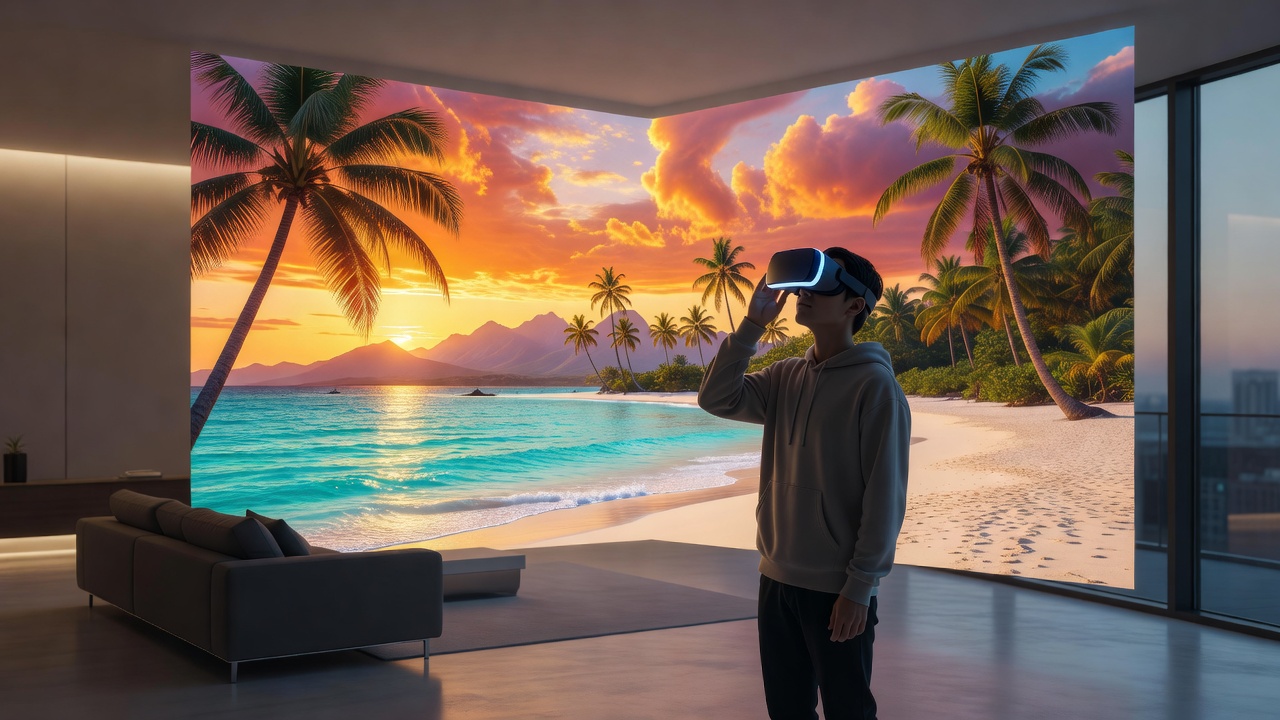
Introduction: Igniting Wanderlust with VR Travel Previews
Travelers today seek more than static images or short videos when dreaming of their next adventure. Virtual reality previews allow you to step into 2026 destinations before committing to flights or hotels. This technology transforms vague travel inspiration into vivid, interactive experiences that help you evaluate remote islands, bustling cityscapes, and hidden natural wonders from your living room. By simulating real-world conditions, VR bridges the gap between online research and actual journeys, reducing uncertainty and fueling genuine wanderlust. In an era where remote exploration has become essential, VR tools empower users to test destinations against personal preferences like climate, crowd levels, and activity suitability. This immersive approach not only saves time and money but also builds excitement that traditional brochures simply cannot match. Whether you are planning a solo expedition or a family getaway, VR previews provide the depth needed to make confident decisions that lead to memorable trips.
Traditional planning relies on 2D content that often fails to convey scale, atmosphere, or sensory details. VR overcomes these limitations by providing 360-degree immersion. Users report higher confidence in booking decisions after virtual tours, as the technology reveals practical aspects like terrain difficulty or crowd density that photos miss. The shift toward immersive planning reflects broader trends in how people research and book travel, emphasizing experience over mere information consumption.
Benefits of VR Over Traditional Photos and Videos
Photos and videos offer limited perspectives, while VR delivers spatial awareness and emotional connection. You can virtually walk along a beach at golden hour or navigate narrow alleyways in historic districts, experiencing lighting changes and soundscapes. This depth sparks stronger travel inspiration, helping users visualize daily itineraries rather than just postcard moments. Beyond visual fidelity, VR incorporates auditory elements such as ocean waves or street musicians, creating a multisensory preview that heightens anticipation for the real journey.
Immersive planning also supports accessibility. Individuals with mobility challenges preview routes and attractions safely. Families assess suitability for children, and solo travelers gauge safety vibes in unfamiliar areas. The result is more informed choices that turn virtual exploration into actionable travel plans. Furthermore, VR reduces the risk of disappointment by highlighting both highlights and potential drawbacks, such as steep hikes or limited dining options, allowing travelers to adjust expectations accordingly before departure.
Top VR Platforms and Apps for 2026 Destinations
Several established platforms specialize in destination previews. Lonely Planet integrates VR experiences for select global hotspots. Other options include apps from major tourism boards and tech providers that offer guided tours of emerging 2026 favorites like sustainable eco-lodges in Patagonia or revitalized urban centers in Asia. Emerging platforms now feature user-generated content, where recent visitors upload updated scans that reflect current conditions, ensuring previews remain relevant throughout the year.
Popular choices feature high-resolution scans updated seasonally. Look for platforms emphasizing real-time elements such as seasonal foliage or current events to ensure previews reflect actual conditions travelers will encounter. Many apps also include interactive maps and booking links, streamlining the transition from virtual preview to real reservation.
Step-by-Step Setup Instructions for VR Travel Exploration
- Choose compatible hardware and install the latest firmware updates to ensure smooth performance during long sessions.
- Download destination-specific apps or experiences from official stores and verify they support the latest 2026 destination libraries.
- Calibrate the headset in a clear space to enable comfortable movement, adjusting straps and lenses for optimal clarity and reduced eye strain.
- Select a 2026 destination from curated libraries and begin the virtual tour, using controller gestures to explore different viewpoints and time-of-day simulations.
- Take notes on standout features like viewpoints or accessibility options to inform booking decisions, and record any questions that arise for follow-up research.
Practice sessions build familiarity before diving into complex environments like underwater reefs or mountain trails. Start with shorter 15-minute tours to acclimate to the technology and gradually increase duration as comfort grows.
Real-World Examples: Previewing Remote Islands and Cityscapes
Imagine virtually exploring a secluded Pacific atoll before booking a diving package. VR lets you assess water clarity, marine life density, and resort layouts in detail. Similarly, city previews of destinations like future-forward Singapore reveal efficient transit systems and vibrant night markets through interactive walkthroughs. Another compelling case involves previewing Iceland's volcanic landscapes, where users can evaluate hiking trails and geothermal areas to determine physical readiness for the trip.
These examples demonstrate how VR turns abstract travel inspiration into concrete plans. Users often identify ideal visit windows or must-see neighborhoods that static research overlooks. For instance, a virtual tour of a Caribbean island might highlight hidden coves accessible only at low tide, prompting travelers to schedule activities accordingly.
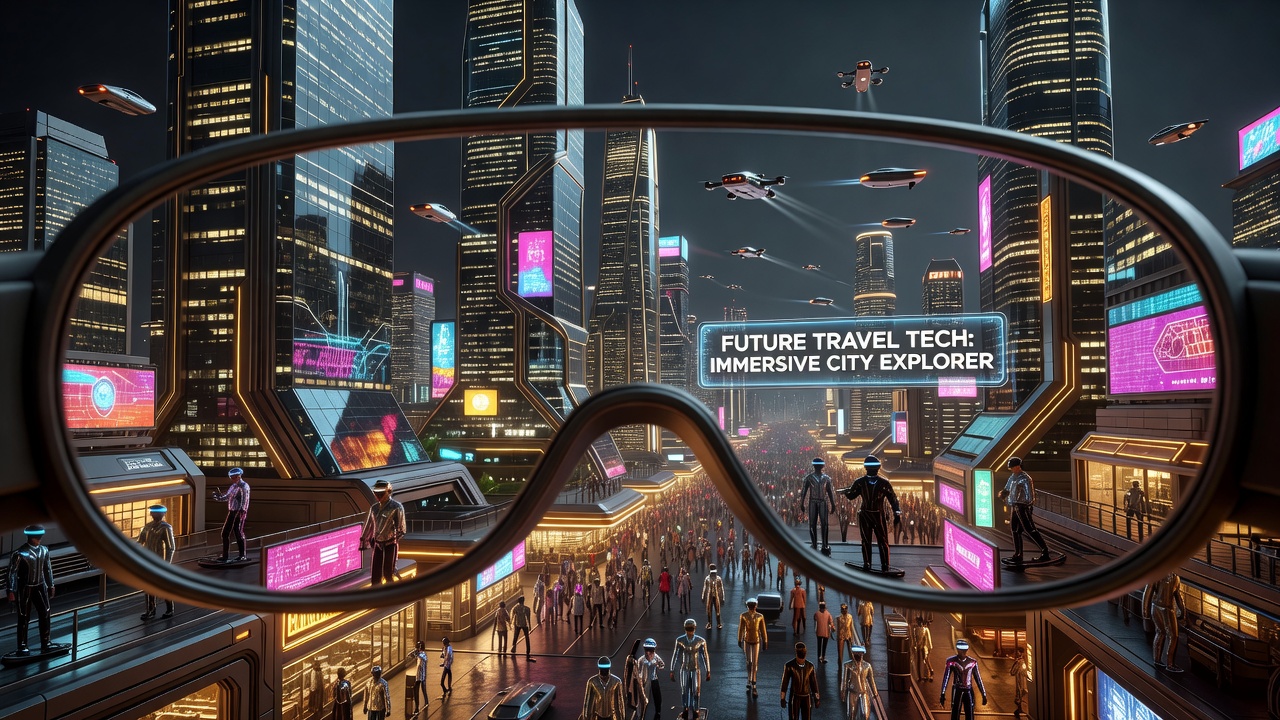
Comparing VR Headsets for Travel Previews
Entry-level standalone headsets offer convenience for casual users, while advanced tethered models deliver superior visual fidelity for detailed architectural tours. Consider factors such as field of view, battery life, and content library size when selecting a device. Lightweight options suit longer sessions focused on wanderlust building, whereas high-resolution units excel at realistic texture rendering for serious trip planning. When comparing models, evaluate comfort during extended use and compatibility with travel-focused apps to maximize value.
Tips for Integrating VR into Your Trip Research
- Combine VR sessions with traditional maps to cross-reference distances and logistics for seamless real-world navigation.
- Share virtual tours with travel companions for collaborative decision-making and to align on shared interests.
- Follow up previews by contacting local operators for current availability and conditions, using insights gained from the simulation.
- Document favorite moments within the VR app to reference during itinerary building and share with travel agents if needed.
- Repeat tours at different simulated times of day to understand lighting, crowds, and activity availability variations.
Regular practice keeps inspiration fresh and helps refine preferences over time. Consider pairing VR with travel podcasts or guidebooks for a well-rounded research approach.
Common Mistakes to Avoid When Using VR for Travel Planning
One frequent error is relying solely on VR without cross-checking current travel advisories or visa requirements. Another is overlooking headset comfort, which can lead to incomplete sessions and missed details. Always verify platform update dates to avoid outdated scans, and balance virtual enthusiasm with practical budgeting for the actual trip. By avoiding these pitfalls, travelers ensure VR enhances rather than complicates the planning process.
FAQ: Addressing Accuracy, Accessibility, and Common Concerns
How accurate are VR destination previews?
Leading platforms use photogrammetry and LiDAR scans for high fidelity, though minor seasonal variations may occur. Always verify with recent traveler reports from sources like Tripadvisor.
Is VR accessible for all travelers?
Many headsets now include adjustable straps and voice controls. Accessibility features continue to improve, making immersive planning viable for diverse needs.
Can VR replace in-person visits?
No, it serves as a powerful planning aid that enhances rather than replaces real-world experiences. The goal remains turning virtual wanderlust into memorable physical trips.
What if I experience motion sickness during VR tours?
Start with short sessions and choose experiences with stable movement options. Many apps now include comfort settings to minimize discomfort for new users.
Conclusion: Turning Virtual Experiences into Real Adventures
VR previews empower travelers to explore 2026 dream destinations with unprecedented clarity. By leveraging these tools, you gain practical insights that streamline booking and maximize enjoyment. Start small with popular apps, build confidence through repeated use, and watch your travel inspiration evolve into unforgettable journeys. The future of planning is immersive—embrace it to discover destinations that truly match your vision and create trips filled with purpose and excitement.


No comments yet. Be the first!