 PlaceBee
Introduction to 2026 Wildlife Adventures
Wildlife travel continues to captivate adventurers seeking meaningful connections with nature. In 2026, destinations offering ethical wildlife encounters blend adventure, photography, and conservation efforts. Travelers increasingly seek trips that allow close observation of animals while supporting habitat protection and local communities. This comprehensive guide highlights five standout locations, each chosen for unique species diversity, accessibility, and responsible tourism practices. Readers will find details on target wildlife, optimal visit windows, recommended ethical tour operators, and essential packing lists. The article also compares land-based safari experiences with marine encounters, outlines practical booking timelines, and addresses common concerns through a focused FAQ section. By planning ahead, animal lovers can create transformative journeys that minimize environmental impact and maximize memorable sightings. Growing interest in sustainable tourism means more options exist for responsible travelers who want to contribute directly to conservation projects during their visits.
Top Destination 1: Serengeti National Park, Tanzania
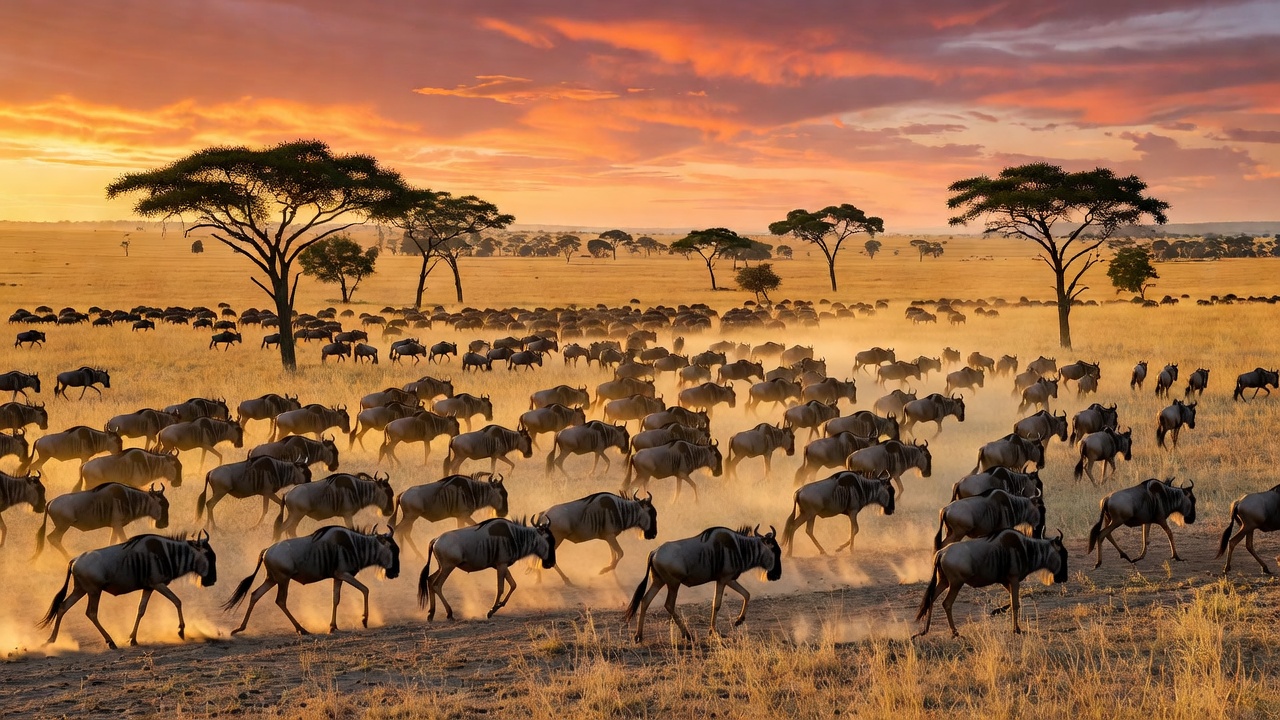
The Serengeti National Park stands as one of the most iconic wildlife destinations worldwide. Its vast plains host the legendary Great Migration, where over a million wildebeest and hundreds of thousands of zebras move in search of fresh grazing. Visitors can also spot lions, cheetahs, elephants, and giraffes in their natural habitat. The best time to witness the migration river crossings falls between June and October, when herds concentrate in the northern regions. Ethical tour operators affiliated with World Wildlife Fund prioritize small-group vehicle safaris that avoid disturbing wildlife. Packing essentials include lightweight neutral-colored clothing, a high-quality zoom lens for photography, sturdy binoculars, and reusable water bottles to reduce plastic waste. Travelers should also bring insect repellent and a wide-brimmed hat for sun protection during long game drives. Example itineraries often include early morning starts to catch predators at their most active, followed by afternoon rests at lodges overlooking watering holes where elephants frequently gather.
Top Destination 2: Galápagos Islands, Ecuador
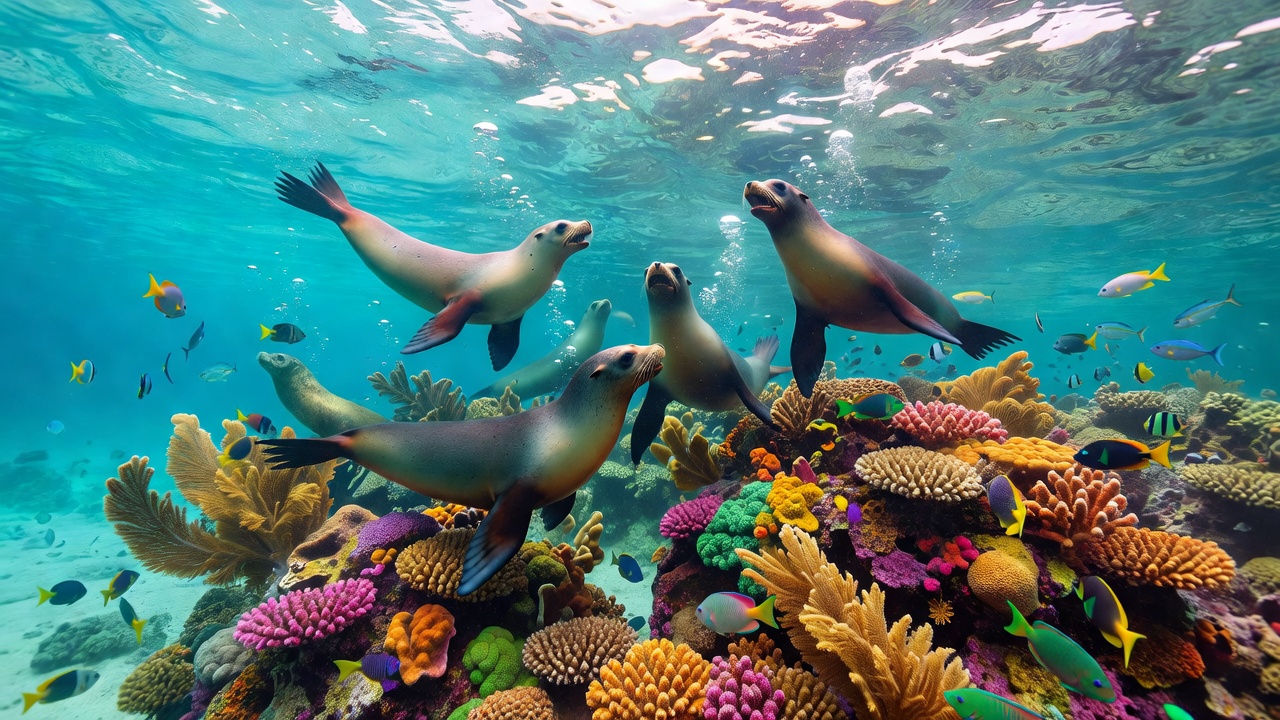
The Galápagos Islands deliver unparalleled marine wildlife encounters. Snorkelers and divers regularly observe sea lions, hammerhead sharks, giant tortoises, and endemic penguins. The archipelago's isolation has produced remarkable biodiversity found nowhere else on Earth. Optimal visiting periods run from December to May when waters remain calmer and many species breed. Certified operators licensed by the Galápagos National Park Directorate ensure strict adherence to visitor limits and low-impact guidelines. Essential items include reef-safe sunscreen, quick-dry clothing, waterproof camera cases, and sturdy walking shoes for volcanic terrain. Photographers benefit from macro lenses to capture unique reptile and bird species up close. Many tours incorporate citizen science activities, such as reporting sightings that help researchers monitor population health across the islands.
Top Destination 3: Borneo Rainforests, Malaysia
Borneo offers dense jungle treks focused on orangutan rehabilitation centers and proboscis monkeys. The island's rainforests also shelter clouded leopards, pygmy elephants, and hundreds of bird species. March through October provides the driest conditions for extended hikes. Reputable operators partner with local conservation projects to fund anti-poaching patrols. Pack moisture-wicking shirts, leech socks, headlamps for night walks, and field guides for identifying flora and fauna. A lightweight rain jacket proves essential even during the drier months. Treks often include overnight stays in eco-lodges where guests learn about ongoing reforestation efforts that restore corridors for endangered primates.
Top Destination 4: Antarctica Peninsula
Expedition cruises to the Antarctic Peninsula allow passengers to observe massive penguin colonies, seals, and whales against dramatic icy backdrops. Peak season runs November to February when daylight hours are longest. Operators certified by the International Association of Antarctica Tour Operators maintain strict biosecurity protocols. Packing lists emphasize layered thermal clothing, waterproof boots, and gloves suitable for Zodiac landings. Photographers should bring extra batteries as cold temperatures drain power quickly. Cruises frequently stop at research stations where visitors gain insights into climate change impacts on polar ecosystems.
Top Destination 5: Costa Rica Cloud Forests
Costa Rica's Monteverde and Manuel Antonio regions provide year-round opportunities to view sloths, howler monkeys, and resplendent quetzals. The country's extensive national park system protects diverse ecosystems. Dry season months from December to April offer easier trail access. Local operators emphasize reforestation and wildlife corridor initiatives. Recommended gear includes quick-dry pants, binoculars, a rain cover for camera equipment, and biodegradable toiletries to maintain the pristine environment. Many visitors combine cloud forest hikes with coastal snorkeling for a mix of terrestrial and marine sightings in one trip.
Comparing Safari Styles and Marine Encounters
Land-based safari experiences focus on open vehicles traversing savannas and tracking terrestrial mammals. These trips excel at providing elevated vantage points for predator-prey interactions and large herd movements. Marine encounters, by contrast, involve snorkeling, diving, or small boat excursions that bring participants face-to-face with underwater species. Both styles contribute to conservation through park fees and tourism revenue. Choosing between them depends on personal comfort with water activities and interest in specific animal groups. Many travelers combine both during a single extended itinerary for comprehensive wildlife exposure. Practical examples include pairing a Tanzania safari with a nearby coastal extension for dolphin and whale watching opportunities.
Practical Booking Timelines and Essential Preparations
Secure 2026 reservations nine to twelve months in advance for peak seasons at popular parks. Early booking ensures availability of small-group ethical tours and preferred accommodations. Research operator credentials through independent review platforms and verify membership in recognized conservation associations such as those promoted by National Geographic. Budget considerations should account for park entrance fees, internal flights, and equipment rentals. Health preparations include recommended vaccinations and travel insurance that covers wildlife-related activities. Digital photography enthusiasts benefit from pre-trip practice sessions with new lenses and backup storage solutions. Step-by-step planning also involves checking visa requirements and understanding local customs to ensure smooth interactions with communities near protected areas.
Common Mistakes to Avoid
- Overpacking heavy gear that limits mobility during hikes or drives.
- Choosing operators without verified conservation credentials, which can harm habitats.
- Ignoring seasonal weather patterns that affect animal visibility and comfort.
- Failing to obtain proper permits or health clearances before departure.
Conclusion
These five 2026 destinations offer unparalleled opportunities for ethical wildlife encounters. Careful planning around optimal seasons, responsible operators, and sustainable practices ensures both unforgettable memories and meaningful contributions to conservation. Whether tracking migrating herds or swimming alongside sea lions, travelers who prioritize low-impact tourism help protect these precious ecosystems for future generations. Additional resources from organizations like UNESCO highlight the global importance of preserving these natural wonders.
FAQ
Is wildlife travel sustainable? Yes, when travelers select operators that reinvest tourism revenue into habitat protection and community development programs.
Are these trips suitable for families? Many destinations offer age-appropriate activities and family-focused tours; check minimum age requirements with operators before booking.
How can photographers minimize disturbance? Maintain safe distances, avoid flash photography, and follow guide instructions at all times.
What health precautions are necessary? Consult travel clinics for vaccinations and carry personal medications along with basic first-aid supplies for remote locations.


No comments yet. Be the first!