 PlaceBee
Introduction: Why Stargazing Destinations Are the Ultimate 2026 Escape
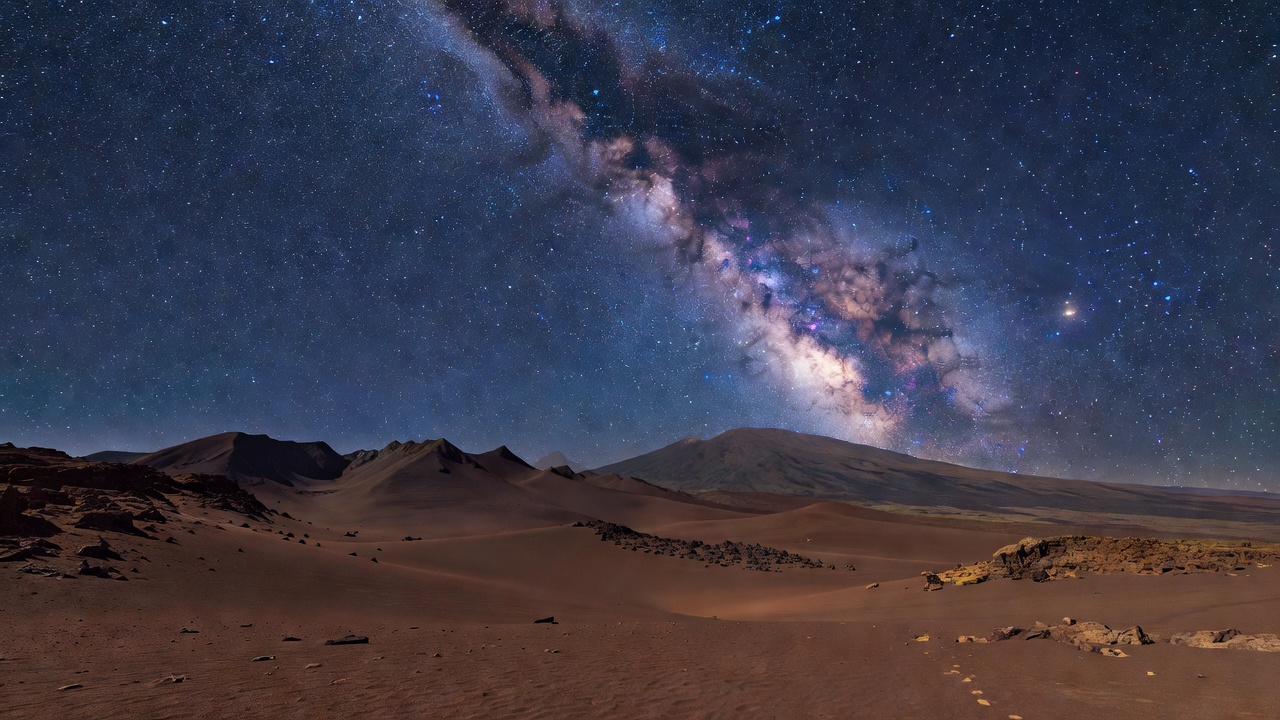
Travelers seeking awe-inspiring experiences beyond crowded beaches or bustling cities are turning to dark-sky destinations in 2026. These remote or semi-accessible locations offer pristine views of the cosmos, fueling wanderlust with the Milky Way, meteor showers, and constellations visible to the naked eye. As light pollution continues to encroach on urban areas, dark-sky preserves provide a rare opportunity for connection with the universe. This guide covers top spots, viewing seasons, essential gear, photography advice, comparisons of site types, sample itineraries, and sustainable practices to preserve these celestial wonders for future generations. Whether you are a seasoned astronomer or a curious traveler, these destinations promise transformative nights under the stars that go far beyond typical vacations.
Top Stargazing Destinations with Minimal Light Pollution
Several locations stand out for their exceptionally low light pollution levels, certified by organizations like the International Dark-Sky Association. In the Northern Hemisphere, Mauna Kea in Hawaii offers elevation advantages and clear skies year-round, with its high altitude reducing atmospheric interference. The Atacama Desert in Chile provides some of the driest conditions on Earth, ideal for astronomy and home to major observatories. Closer to home for many, Big Bend National Park in Texas features vast open spaces away from city glow and is recognized for its Bortle Class 1 skies. Southern Hemisphere favorites include the NamibRand Nature Reserve in Namibia, where endless dunes meet pristine night skies, and Aoraki Mackenzie International Dark Sky Reserve in New Zealand, which combines alpine landscapes with exceptional visibility. Each site minimizes artificial light, allowing for spectacular celestial displays. For more on certified locations, visit the International Dark-Sky Association.
Optimal Viewing Seasons for Peak Celestial Experiences
Timing your visit maximizes visibility of key phenomena. For the Northern Hemisphere, summer months bring longer nights and opportunities to view the Perseid meteor shower in August, when up to 100 meteors per hour can streak across the sky. Winter offers crisp, clear air for spotting Orion and the winter Milky Way, particularly in January and February when atmospheric conditions stabilize. In the Southern Hemisphere, December to February aligns with the Southern Cross and Magellanic Clouds at their brightest, while April and May offer excellent views of the galactic center. Always check moon phases, as new moons provide the darkest skies. Local weather patterns, such as dry seasons in deserts, further enhance clarity. Planning around these windows ensures you witness rare events like planetary alignments or eclipses with optimal conditions.
Essential Gear and Photography Tips
Preparation ensures comfort and success on any stargazing adventure. A red-light flashlight preserves night vision, while a reclining chair or blanket allows extended viewing without neck strain. Binoculars or a portable telescope enhance details, and apps like Stellarium help identify objects in real time. Layered clothing, insect repellent, and a portable power bank are must-haves for overnight sessions. For photography, a DSLR or mirrorless camera with a wide-angle lens, sturdy tripod, and intervalometer captures star trails or the Milky Way. Start with 15-30 second exposures at high ISO settings, focusing manually on a bright star. Experiment with different compositions by including foreground elements like trees or mountains. 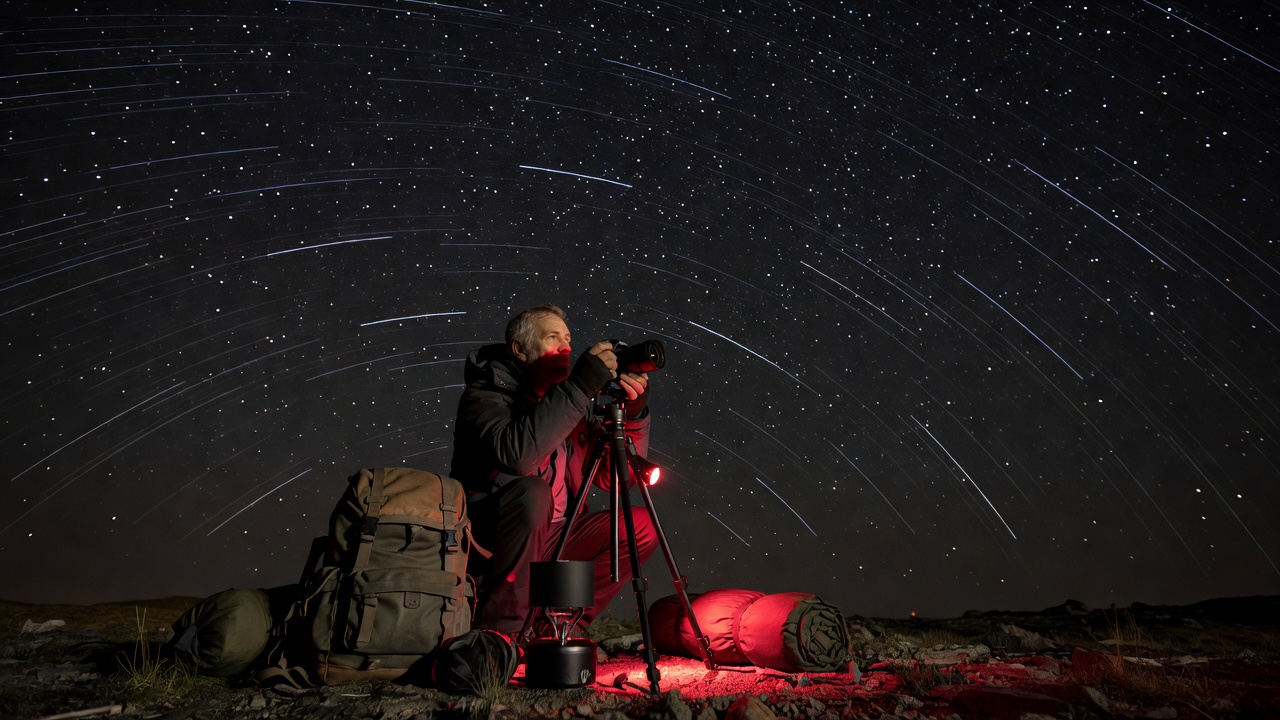
Remote vs Accessible Sites: A Practical Comparison
Remote sites like the Atacama Desert deliver unmatched darkness but require significant travel logistics and self-sufficiency, including four-wheel-drive vehicles and supplies for multiple days. Accessible options such as Big Bend National Park offer ranger programs, nearby lodging, and easier entry via paved roads, though with slightly higher light interference from surrounding developments. Remote locations suit experienced adventurers seeking solitude and raw wilderness immersion, while accessible ones welcome families or first-timers with educational programs and amenities. Consider your fitness level, vehicle type, and tolerance for isolation when choosing. A helpful decision framework includes evaluating travel time, emergency access, and group experience level. Remote sites often yield more profound personal connections to the night sky, whereas accessible parks provide guided support that reduces barriers for beginners.
- Remote pros: Superior darkness, fewer crowds, immersive isolation
- Remote cons: Higher costs for logistics, limited facilities, weather risks
- Accessible pros: Easier planning, educational resources, family-friendly
- Accessible cons: Potential light pollution, more visitors during peak seasons
Sample Itineraries for Memorable Stargazing Trips
A 7-day itinerary for Mauna Kea might include arrival in Hilo, acclimatization hikes on day one and two, summit visits at sunset for golden hour photography, and nighttime observation sessions with local guides on days three through five. Day six could feature a drive to coastal viewpoints for varied perspectives, with departure on day seven. For Namibia, a 10-day plan combines desert camping with guided star walks, daytime wildlife viewing in Etosha National Park, and cultural exchanges with local communities. Budget-conscious travelers can opt for national park loops in Texas, combining stargazing with daytime hiking over 5 days, including stops at the Chisos Basin and Rio Grande. Adjust based on group size and interests, incorporating buffer days for weather changes. These itineraries balance exploration with rest to maximize enjoyment and safety.
Budget Considerations and Sustainable Practices
Travel costs vary by destination and style, ranging from economical camping trips to guided luxury experiences. Focus on fuel-efficient transport, local guides, and off-peak travel to manage expenses effectively. Sustainable practices are essential: follow Leave No Trace principles, use only necessary lighting, and support dark-sky preservation efforts through certified tourism operators. This protects sites for future generations while enhancing the authenticity of your visit. Simple actions like carpooling, minimizing single-use plastics, and participating in citizen science projects contribute to long-term preservation. For official guidance on environmental stewardship in protected areas, consult resources from the National Park Service.
FAQ: Addressing Common Stargazing Concerns
- What if weather interferes? Check forecasts and have flexible dates; many destinations experience clear nights even in rainy seasons, and backup indoor planetarium visits can supplement plans.
- Do I need permits? Some parks require reservations or entry fees—verify in advance via official park websites to avoid disappointment.
- Is it safe for solo travelers? Stick to established sites with ranger presence and inform others of your plans, while carrying communication devices.
- How do I handle altitude or cold? Acclimate gradually and pack layered clothing for temperature drops after sunset, staying hydrated throughout.
- Can children participate? Yes, with age-appropriate activities and supervision; many parks offer family programs tailored for young explorers.
- What about equipment rental? Check local outfitters near popular sites for telescopes and cameras to reduce packing burdens.
Embrace these celestial escapes in 2026 for transformative journeys that blend adventure with wonder and leave you inspired to protect our shared night skies.
No comments yet. Be the first!