 PlaceBee
Introduction to Mindful Travel in 2026
Wellness wanderlust is reshaping how travelers approach vacations, shifting focus from crowded sightseeing to restorative experiences that nurture the mind and body. In 2026, destinations offering yoga and meditation retreats, thermal spa getaways, and mindful hiking trails stand out for their ability to deliver profound renewal amid inspiring natural settings. This approach prioritizes balance, helping visitors reduce stress while immersing themselves in serene environments that promote long-term health benefits. Travelers increasingly seek escapes that integrate evidence-based practices such as mindful breathing, gentle movement, and connection with nature, moving beyond superficial tourism toward meaningful personal transformation.
Whether you seek accessible escapes or remote sanctuaries, these locations cater to diverse needs. They combine wellness practices with breathtaking scenery, creating opportunities for lasting personal growth. Research from global health organizations highlights how nature-based wellness travel can lower cortisol levels and improve mental clarity, making it a compelling choice for those recovering from high-stress lifestyles or seeking preventive self-care.
Benefits of Wellness-Focused Travel
Engaging in wellness travel yields multifaceted advantages that extend beyond the trip itself. Participants often experience enhanced sleep quality, reduced anxiety, and increased resilience upon returning home. The combination of physical activity, mindfulness, and natural immersion supports immune function and emotional regulation. For example, regular practice in serene settings can foster habits that persist long after the journey ends, such as daily meditation or mindful walking routines integrated into everyday life.
Moreover, these trips encourage digital detoxes that allow deeper self-reflection. Many travelers report breakthroughs in creativity and decision-making after just a few days away from constant connectivity. This holistic renewal aligns with growing awareness of mental health needs in modern society.
Yoga and Meditation Retreats in Serene Natural Settings
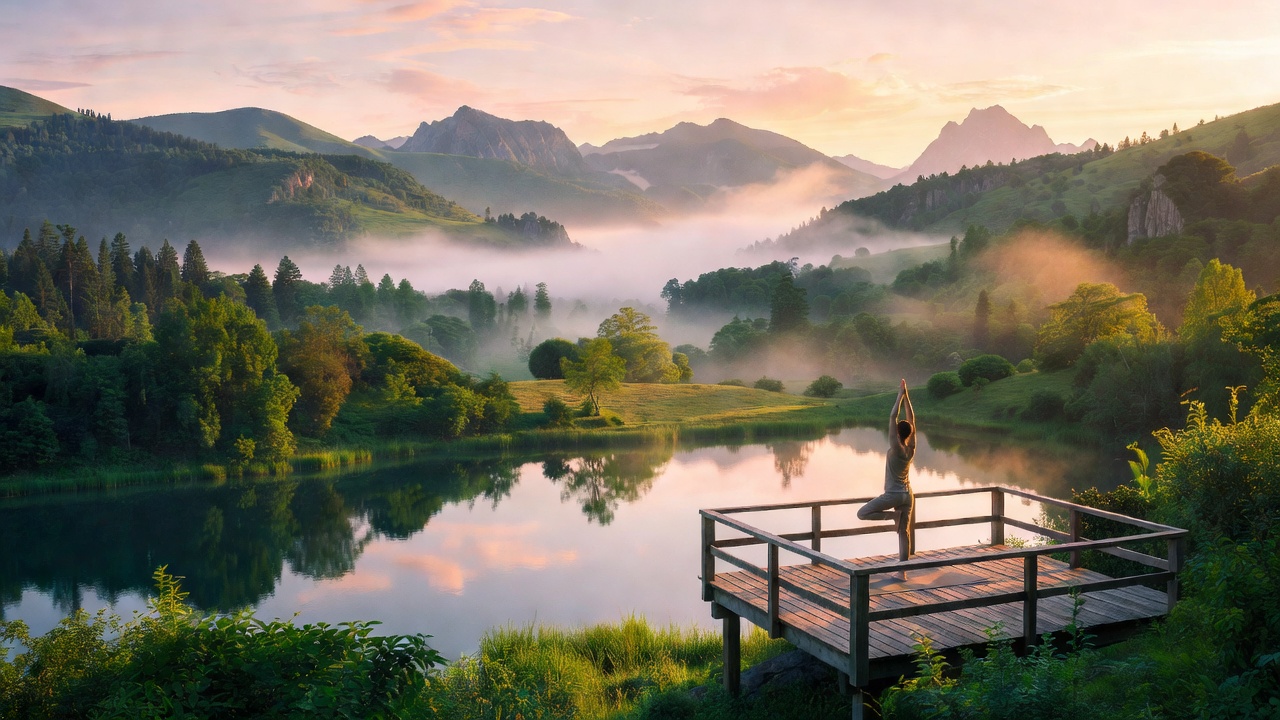
Yoga and meditation retreats provide structured environments for deepening practice away from daily distractions. Locations like Costa Rica's cloud forests or Bali's rice terraces offer daily sessions led by experienced instructors, often incorporating breathwork and mindfulness techniques. Participants report improved focus and emotional resilience after week-long stays. These retreats emphasize connection with nature, such as outdoor classes overlooking volcanoes or beside waterfalls. Many integrate plant-based nutrition and silent reflection periods to amplify benefits, allowing guests to align their internal rhythms with the surrounding ecosystem.
Additional examples include retreats in the Himalayas where high-altitude settings enhance meditative focus, or coastal programs in Greece emphasizing ocean-inspired flows. Instructors tailor sessions to various levels, from beginners learning foundational poses to advanced practitioners exploring advanced pranayama. The serene backdrops not only inspire but also facilitate profound states of relaxation and insight.
Thermal Spa Getaways for Deep Relaxation
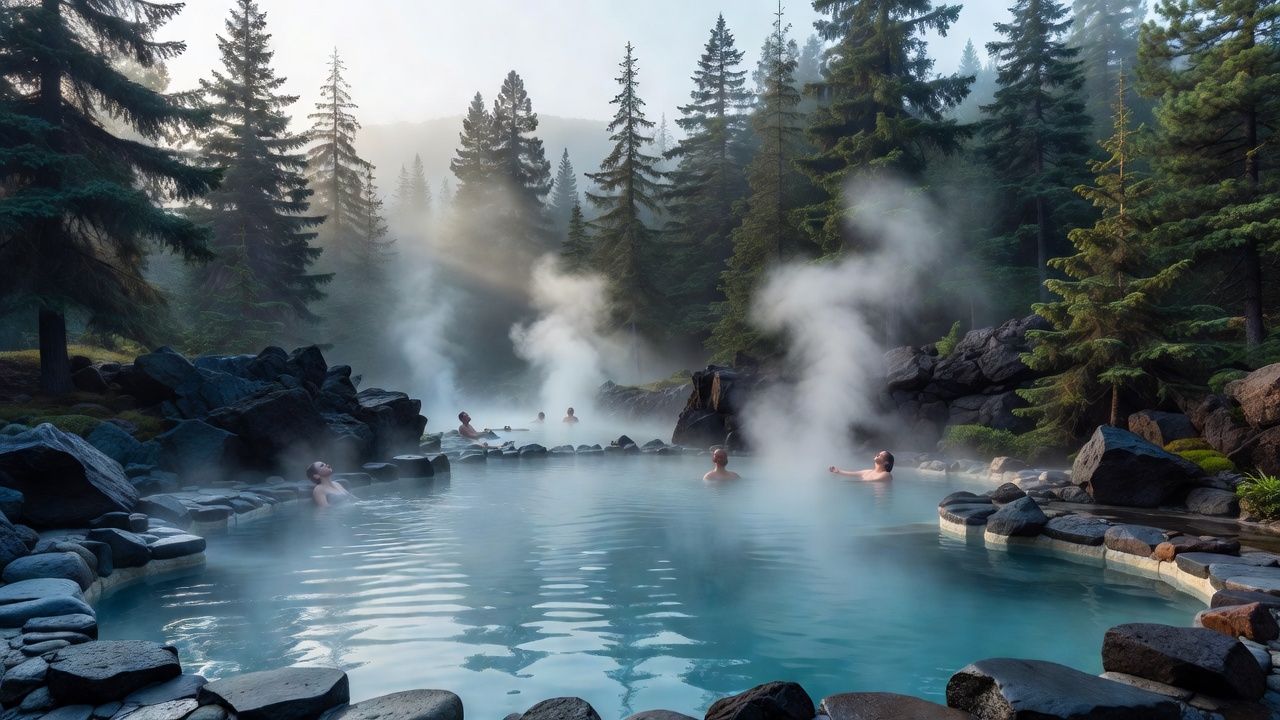
Thermal spas harness geothermal waters for therapeutic soaking, easing muscle tension and promoting circulation. Popular spots include Iceland's volcanic pools or Japan's onsen villages, where mineral-rich springs support recovery from travel fatigue. Modern facilities often pair traditional bathing rituals with massages and saunas. Visitors can alternate between hot and cold therapies for optimal rejuvenation, experiencing improved skin health and joint mobility as a result.
Beyond basic soaking, many spas incorporate aromatherapy, hydrotherapy circuits, and guided wellness workshops. In regions like New Zealand's geothermal areas, visitors combine spa time with cultural storytelling sessions that deepen the restorative experience. These getaways provide an ideal counterbalance to active travel, allowing the body to heal while the mind unwinds.
Mindful Hiking Trails for Reflective Exploration
Mindful hiking blends gentle movement with present-moment awareness, encouraging slow paces and sensory engagement. Trails in places like New Zealand's Fiordland or Switzerland's alpine meadows allow for guided walks focused on breathing and gratitude practices. These experiences foster mental clarity while providing light physical activity. Many routes include pauses for meditation at scenic viewpoints, turning ordinary walks into opportunities for introspection and stress release.
Trails often feature interpretive elements such as local flora identification or silent segments that heighten awareness of sounds and textures. Whether traversing volcanic landscapes or forest canopies, hikers gain appreciation for biodiversity and their place within it. This form of travel suits those who prefer active yet contemplative journeys over sedentary retreats.
Comparing Accessible Versus Remote Options
Accessible destinations, such as those near major airports in Portugal's Azores, offer easier logistics with nearby amenities and shorter travel times. They suit beginners or those with limited vacation days, featuring well-developed wellness infrastructure including on-site nutritionists and transportation shuttles. Remote options like Patagonia's hidden valleys demand more preparation but deliver unparalleled solitude and immersion. Travelers often experience deeper disconnection from technology and stronger nature bonds in these isolated settings.
- Accessibility pros: Lower transport complexity, on-site medical support, family-friendly additions, and quicker integration into local wellness communities.
- Remote pros: Fewer crowds, authentic cultural exchanges, transformative isolation that amplifies mindfulness, and opportunities for unique wildlife encounters.
- Trade-offs: Accessible spots may feel busier during peak periods, while remote locations require advanced fitness and self-sufficiency planning.
Choosing between them depends on individual comfort levels, time constraints, and desired intensity of renewal.
Detailed Sample Itineraries for 2026 Wellness Trips
A seven-day yoga retreat itinerary in Bali might start with arrival and orientation, followed by morning asanas, afternoon meditations, and evening sound baths. Midweek includes a mindful hike through jungles and a spa day with herbal treatments, culminating in a closing ceremony focused on intention setting. Another option is a thermal-focused escape in Iceland spanning five days: daily geothermal soaks interspersed with gentle yoga, nature photography walks, and evening lectures on Icelandic wellness traditions.
For mindful hiking enthusiasts, a ten-day Swiss Alps itinerary could involve progressive trail days with built-in reflection sessions, journal workshops, and group discussions on sustainable living. Each itinerary incorporates flexible pacing to accommodate varying energy levels while ensuring progressive skill-building and relaxation techniques.
Step-by-Step Practical Planning Guide
1. Assess personal goals such as stress reduction or physical recovery, then match them to destination types through detailed online research and reviews from past participants. 2. Research visa requirements, seasonal weather patterns, and health advisories from authoritative sources. 3. Book accommodations directly through verified retreat centers to ensure quality programming and safety standards. 4. Pack versatile clothing layers suitable for varying activities and climates, along with any personal wellness tools like journals or meditation cushions. 5. Consult healthcare providers before travel and secure insurance covering wellness activities. 6. Set clear intentions pre-departure and arrange post-trip integration practices to sustain benefits.
Following these steps minimizes stress and maximizes the transformative potential of the experience.
FAQ: Health Considerations and Seasonal Timing
What health precautions should I take? Check with a doctor for any pre-existing conditions, stay hydrated, and follow local guidelines from sources like the World Health Organization. Gradual acclimatization helps with altitude or climate changes, while monitoring for signs of fatigue ensures safe participation.
When is the best season for these destinations? Spring and fall often provide mild weather ideal for hiking and outdoor practices. Summer suits spa visits in cooler regions, while winter offers cozy thermal experiences in places like Japan. Always cross-reference with Centers for Disease Control and Prevention travel notices for current conditions.
Are these trips suitable for all fitness levels? Many programs offer modifications, making them accessible; remote hikes may require moderate fitness and prior training. Beginners should start with accessible options that include guided support.
How do I handle dietary restrictions? Most retreats accommodate vegetarian, vegan, or allergen-free needs when communicated in advance, often sourcing local organic ingredients to enhance the wellness focus.
Conclusion
Embracing wellness wanderlust in 2026 opens doors to transformative journeys that rejuvenate holistically. By choosing destinations aligned with your needs and following thoughtful planning, you invest in long-term well-being amid nature's embrace. Start preparing now to create a year filled with mindful renewal and lasting positive change.

No comments yet. Be the first!