 PlaceBee
Introduction to Cultural Immersion Travel in 2026
Travelers in 2026 are increasingly seeking meaningful connections with local communities rather than surface-level sightseeing. This guide focuses on destinations that offer authentic cultural immersion while steering clear of overtourism hotspots. From remote villages in Asia to historic towns in Europe, these locations emphasize respect, sustainability, and genuine interactions. Cultural immersion has evolved beyond simple visits to landmarks. It now requires understanding local customs, participating in traditions, and supporting community-led initiatives. By using detailed country guides and city guides, travelers can craft itineraries that foster respect and reciprocity. In an era where overtourism strains popular sites, choosing emerging or lesser-visited areas allows for deeper engagement without overwhelming residents. This approach not only enriches personal experiences but also contributes to preserving cultural heritage for future generations.
Planning for 2026 involves anticipating trends such as increased interest in slow travel and digital detoxes combined with cultural learning. Resources like official tourism boards provide updated insights into visa requirements and seasonal considerations. Travelers should prioritize destinations that actively promote responsible tourism practices to ensure their visits create positive impacts.
Top Destinations in Asia for Authentic Experiences
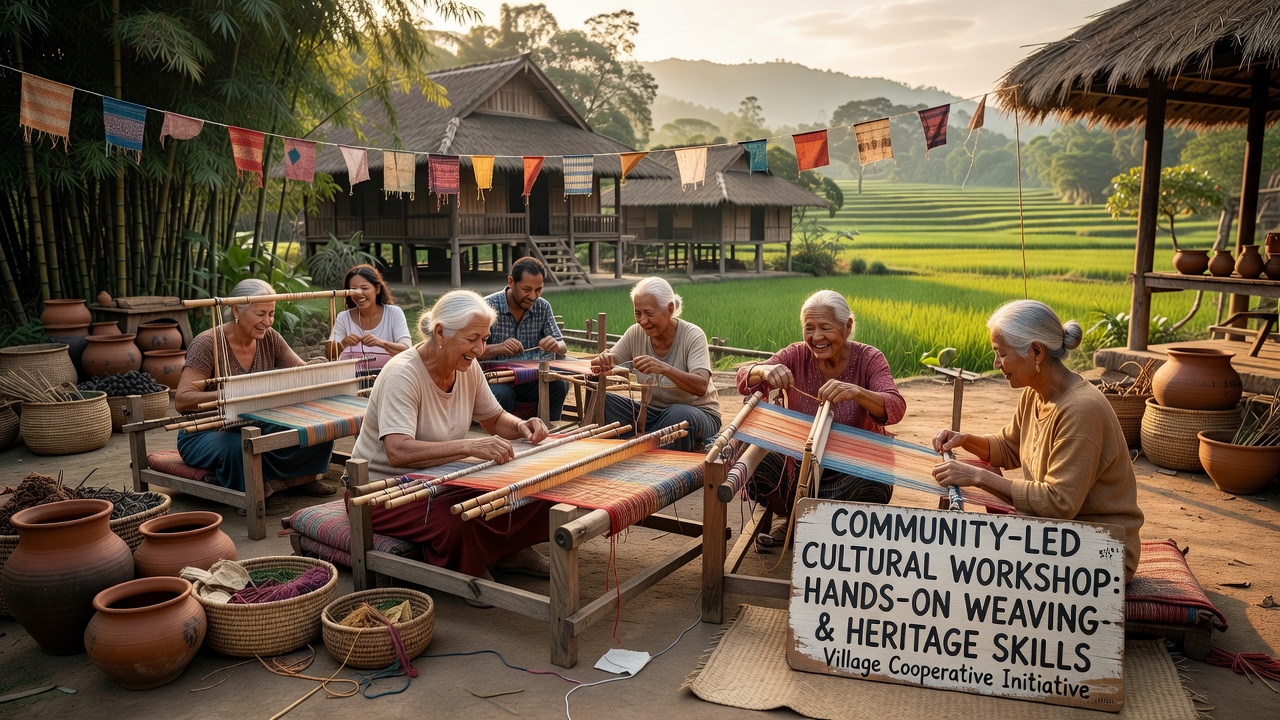
Asia offers rich opportunities for cultural depth across diverse landscapes and traditions. Consider Bhutan, where government policies prioritize Gross National Happiness over mass tourism. Visitors engage in Buddhist rituals and traditional archery under strict guidelines that limit visitor numbers, creating intimate settings for learning. In Japan, rural areas like the Oku-Noto region provide homestays with fishing families. Travelers learn sustainable practices tied to the sea while respecting seasonal taboos around marine life. Similarly, Vietnam's northern highlands allow immersion through ethnic minority village stays, focusing on weaving workshops and agricultural routines that reveal centuries-old customs.
Additional Asian highlights include South Korea's Jeju Island, where volcanic landscapes host shamanistic rituals and tangerine farming communities welcome participants in seasonal harvests. These spots balance accessibility with authenticity, making them ideal for 2026 itineraries aimed at meaningful connections.
Key Examples from Japan and Vietnam
- Stay with local hosts to participate in daily tea ceremonies in Japan, learning the precise etiquette of pouring and serving that symbolizes harmony and respect.
- Join rice planting seasons in Vietnam's Sapa region for hands-on learning about terraced farming techniques passed down through generations.
- Attend evening storytelling sessions in Japanese fishing villages to understand folklore linked to the ocean.
- Explore Hmong embroidery patterns in Vietnam while hearing oral histories from community elders.
Emerging European Destinations
Europe counters overtourism with lesser-known gems that preserve unique identities. Albania's southern coast blends Ottoman history with modern hospitality, featuring family-run guesthouses and folk music festivals that invite visitors to join dances and learn traditional instruments. Portugal's interior Alentejo region offers olive harvesting experiences and medieval village explorations away from Lisbon crowds, allowing travelers to understand agricultural cycles and local wine-making traditions.
Further options include Georgia's Caucasus mountains, where ancient winemaking methods using qvevri vessels form the core of community gatherings. These areas thrive on small-scale tourism that supports artisans and farmers directly. Community-led tours in these regions often include guided walks led by historians or artisans, ensuring economic benefits stay local and cultural narratives remain accurate.
Understanding Local Etiquette
Respect forms the foundation of immersion. In many Asian cultures, removing shoes before entering homes is essential, alongside using both hands when offering gifts. In Europe, punctuality during communal meals signals regard for hosts, and topics like politics may require sensitive navigation. Researching these nuances beforehand prevents misunderstandings and builds trust. Practical steps include reviewing official tourism resources and practicing basic phrases in the local language to demonstrate effort and openness. For instance, learning greetings in Albanian or Vietnamese can open doors to conversations that reveal personal stories and shared values. Travelers should also observe body language cues and avoid photographing people without permission, especially in sacred or private spaces.
Emerging Festivals in 2026
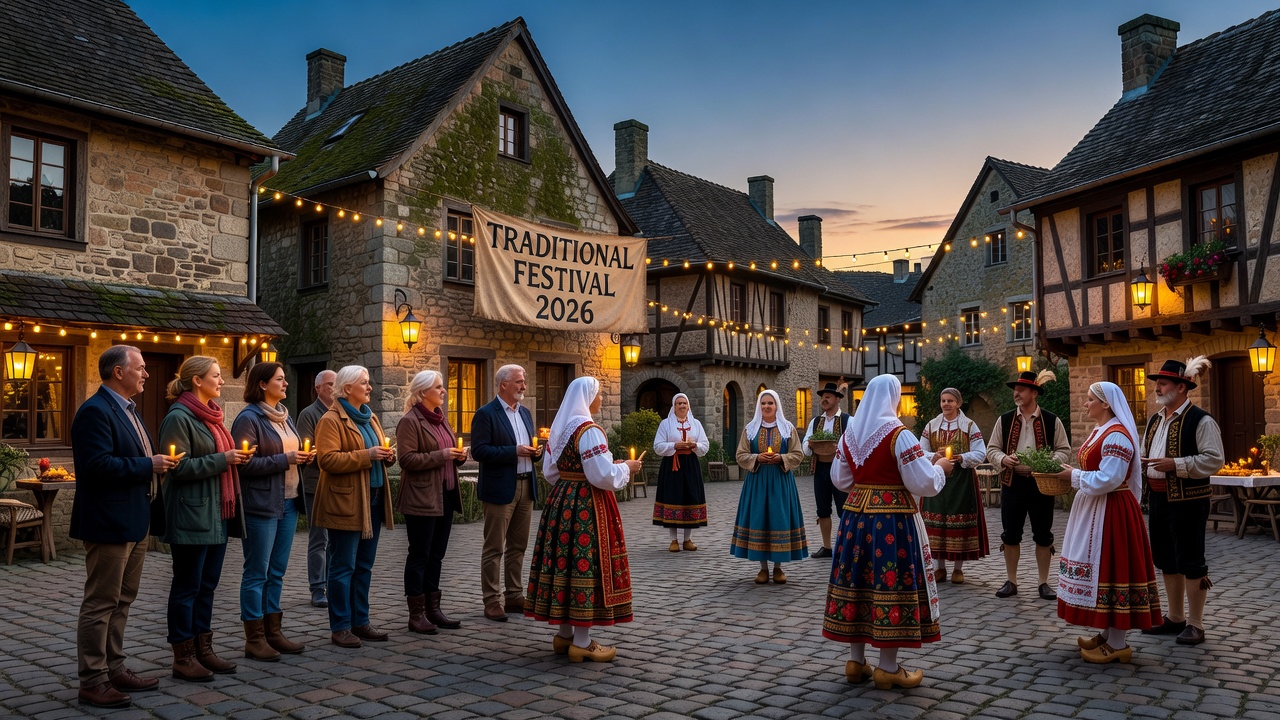
Festivals provide windows into living traditions that evolve with communities. Bhutan's Paro Tshechu features masked dances with spiritual significance, where participants learn symbolic meanings behind costumes and movements. Europe's emerging events include Croatia's small-town olive oil harvest celebrations, emphasizing sustainable food practices and family recipes shared across generations.
Attending these requires advance planning through verified local operators to ensure respectful participation. Additional 2026 highlights might encompass lantern festivals in rural South Korea or harvest rites in Portuguese villages, each offering structured ways to engage without disrupting proceedings. Always confirm dates via reliable channels as schedules can shift due to weather or local decisions.
Community-Led Tours: Real Examples
Community-led tours empower locals by channeling funds directly into education, healthcare, and preservation efforts. In Thailand's hill tribes, cooperatives run eco-walks that fund school programs while teaching about indigenous plant knowledge. European counterparts in Romania's Maramures region offer horse-drawn cart rides with storytelling sessions that recount medieval legends tied to wooden churches.
These differ from commercial options by prioritizing cultural exchange over entertainment, often incorporating feedback from participants to refine future experiences. Real-world success stories show how such tours have revitalized fading crafts like pottery in Albanian communities.
Guided Versus Self-Directed Approaches
Guided tours provide structured access and expert insights but may limit spontaneity. Self-directed travel offers flexibility yet demands thorough preparation via country guides to navigate etiquette and logistics effectively. Comparison: Guided approaches suit first-time immersers seeking safety nets and curated introductions, while self-directed works for experienced travelers comfortable with independent research and adapting on the fly. A hybrid model often yields the best results, starting with guided segments for context before venturing independently.
Step-by-Step Planning Advice
- Define goals using destination inspiration resources to clarify whether the focus is on festivals, cuisine, or crafts.
- Select countries via travel guides focused on sustainability metrics and visitor impact reports.
- Book community tours through verified platforms that disclose revenue distribution to locals.
- Prepare by studying etiquette from authoritative sources like UNESCO cultural heritage pages and cross-referencing with UNWTO responsible tourism guidelines.
- Build itineraries around festivals and local calendars while allowing buffer days for unexpected invitations.
- Pack versatile clothing suitable for both formal ceremonies and daily activities.
- Reflect post-trip to share respectful stories that encourage others to travel mindfully.
FAQ on Respectful Engagement
How can I ensure my visit benefits locals?
Choose operators that reinvest in communities and avoid large tour groups that dilute personal interactions.
What if I make a cultural mistake?
Apologize sincerely and learn from the experience; locals often appreciate genuine effort over perfection.
Are there resources for deeper learning?
Consult Lonely Planet's ethical travel section for updated insights and traveler forums.
How long should I stay for true immersion?
Minimum stays of seven to ten days allow relationships to develop beyond initial formalities.
Conclusion
2026 offers unparalleled chances for cultural immersion when approached thoughtfully. By prioritizing community voices and thorough preparation, travelers create lasting positive impacts while enjoying profound connections that transcend typical tourism.

No comments yet. Be the first!