 PlaceBee
Introduction to 2026 Business Travel Planning
Professionals planning work trips in 2026 need destination guides that prioritize efficiency, strong connectivity, and high-ROI networking opportunities. This comprehensive guide focuses on business-friendly cities and countries with excellent infrastructure, helping you save time while maximizing productivity and return on investment. Whether you are attending conferences, closing deals, or conducting site visits, understanding the nuances of each location can transform a standard trip into a strategic advantage.
Key elements include visa comparisons, integrated productivity strategies, and practical itineraries tailored for major hubs like Singapore, Dubai, and London. In 2026, trends point toward hybrid work models combined with travel, meaning guides must account for reliable digital infrastructure alongside traditional meeting spaces. This article dives deep into actionable advice drawn from real-world scenarios to ensure your next business journey is seamless and effective.
Top Business-Friendly Destinations for 2026
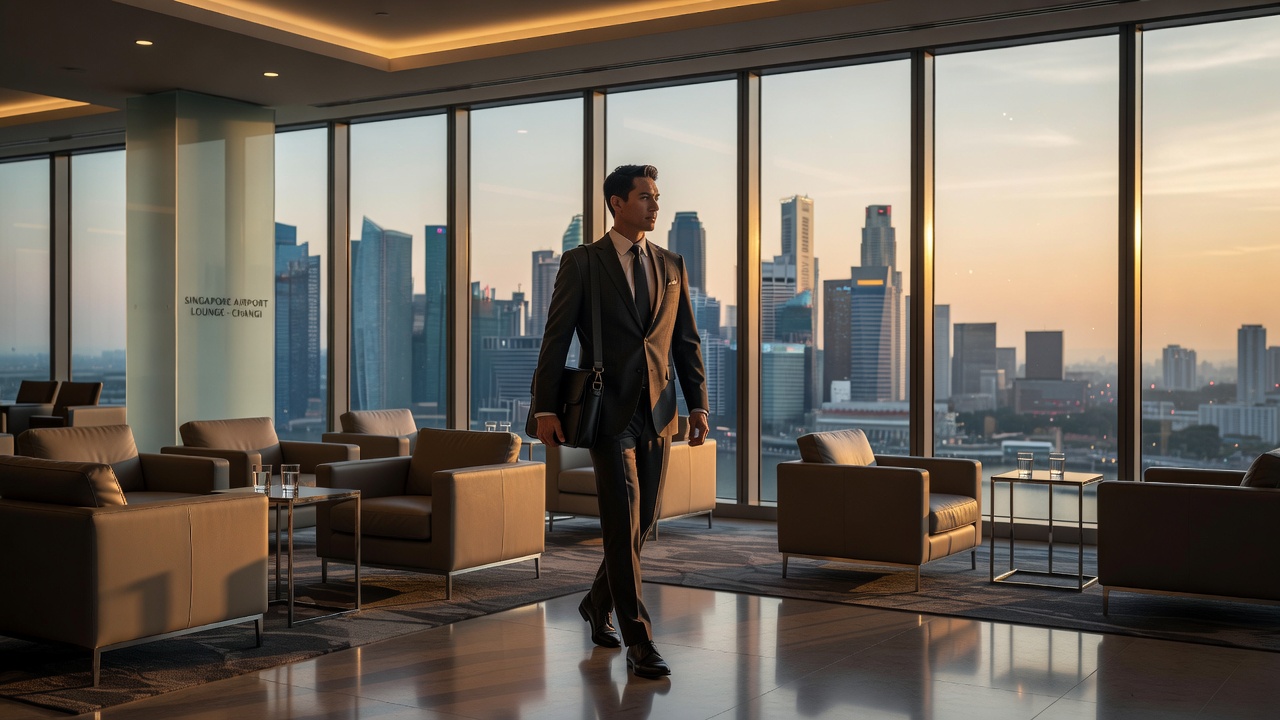
Leading destinations emphasize seamless connectivity and vibrant professional ecosystems. Singapore stands out for its world-class airports, efficient public transport, and tech innovation hubs that attract global executives. The city-state offers dedicated business districts with co-working facilities equipped for video calls and collaborative sessions.
Dubai continues to rise as a strategic gateway between Europe, Asia, and Africa, featuring extensive flight connections and modern convention centers. Its free zones provide special incentives for short-term business activities. Tokyo excels in innovation networks, with districts like Shibuya and Marunouchi hosting frequent industry events and startup meetups. New York remains a finance powerhouse, where Wall Street proximity enables quick access to investors and partners.
Additional emerging spots include Zurich for its stable banking environment and precise logistics, and Sydney for Asia-Pacific outreach with strong English-language support. These locations support hybrid work with reliable high-speed internet and co-working spaces that integrate wellness areas to combat travel fatigue.
Visa and Logistics Comparisons
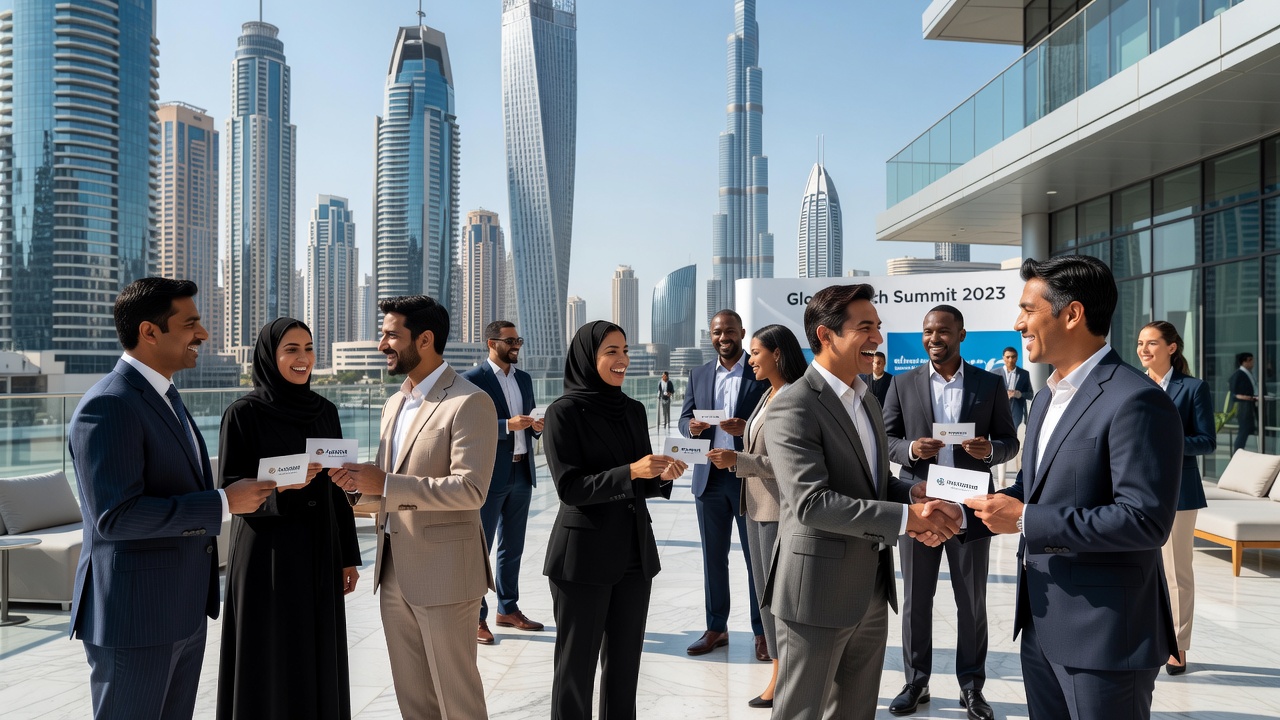
Understanding entry requirements is crucial for smooth operations. Many countries now offer streamlined digital visas for business travelers, reducing paperwork through online portals. For instance, Singapore provides visa-free entry for many nationalities for short stays, while requiring e-visa applications for others with processing times as short as three business days. Dubai offers visa-on-arrival options for eligible passport holders, streamlining arrivals at its international airport.
Compare processing times and required documents across regions to avoid delays. London requires advance applications via the UK Visas and Immigration system for certain nationalities, with logistics involving biometric data submission. Always cross-reference with official sources to confirm 2026 updates. Logistics also cover airport transfers, where dedicated business lounges and priority lanes can save hours during peak travel seasons.
Productivity Tips Integrated into Destination Guides
Blend work with travel by using time-zone adjusted schedules that begin adjusting two days prior to departure. Leverage local coworking spots near your hotel to maintain routine, and schedule meetings around peak energy hours such as mid-morning after a restful night. Apps for real-time translation enhance cross-cultural discussions, allowing fluid conversations without language barriers.
Additional strategies include blocking calendar time for focused work between meetings and choosing accommodations with in-room desks and high-speed Wi-Fi. Incorporate short walks in nearby parks to boost creativity, especially in green cities like Singapore. Track progress with digital tools that sync across devices, ensuring continuity even during long flights.
Sample Itineraries for Major Hubs
For Singapore, a typical three-day itinerary starts with Day 1 focused on airport arrival via efficient MRT connections, followed by client meetings in the CBD and an evening networking reception. Day 2 includes a morning strategy session at a co-working hub, afternoon site visits, and dinner with partners. Day 3 wraps up with follow-up calls and departure.
In Dubai, plan a four-day trip beginning with acclimatization and a key presentation on day one, then market exploration and supplier meetings on subsequent days. London itineraries often feature morning financial district appointments, afternoon cultural briefings to understand local business norms, and evening industry dinners. Customize each based on your sector for maximum impact.
Cost Breakdowns Versus Leisure Travel
Business trips often incur higher expenses due to premium lodging near meeting venues and expedited transport needs. Focus on value-driven choices like central locations that reduce commute times and allow more billable hours. Unlike leisure travel, where flexible budgets apply, professional trips benefit from pre-booked packages emphasizing reliability over luxury extras. Factor in insurance for cancellations and health coverage to protect overall investment.
Steps for Customizing Guides with Apps
- Download reliable travel and productivity apps for itinerary building, starting with mapping tools to visualize daily routes.
- Integrate calendar tools with local transport data for real-time updates on delays or alternatives.
- Customize based on meeting density and rest periods, allocating buffer time for unexpected opportunities.
- Test the full setup on a short domestic trip before international use to refine preferences.
- Share customized plans with team members via collaborative features for alignment.
Networking Hubs and Connectivity Essentials
Beyond basic infrastructure, identify key networking venues such as convention centers and industry-specific clubs. Singapore's Marina Bay area hosts numerous events, while Dubai's DIFC provides formal and informal connection points. Strong connectivity means verifying 5G coverage and backup options like portable hotspots for uninterrupted operations.
Mistakes to Avoid in 2026 Business Travel
Common pitfalls include underestimating cultural differences, which can derail negotiations, or neglecting health preparations leading to lost productivity. Always verify flight schedules with multiple sources and pack versatile attire suitable for both formal meetings and casual networking. Overlooking digital security on public networks poses risks; use VPNs consistently.
FAQ on Jet Lag Management and Cultural Etiquette
How do I manage jet lag effectively?
Adjust sleep patterns 48 hours before travel and stay hydrated upon arrival. Exposure to natural light helps reset your internal clock quickly, while avoiding heavy meals during flights supports better rest. Consider light exercise upon landing to accelerate adjustment.
What cultural etiquette should I know?
Research local customs in advance, such as greeting styles and business card protocols in Asian markets. Respect for hierarchy improves professional relationships, and small gestures like learning basic phrases demonstrate commitment to partnerships.
Are there specific health considerations for frequent travelers?
Consult guidelines from WHO regarding vaccinations and preventive measures. Staying updated on regional advisories ensures safe and uninterrupted travel.
Further insights are available through CDC resources on traveler health and IATA for aviation standards.
Conclusion
With these 2026 destination guides, professionals can execute efficient, productive business trips. Apply these insights to optimize every journey and achieve stronger outcomes in global markets.

No comments yet. Be the first!