 PlaceBee
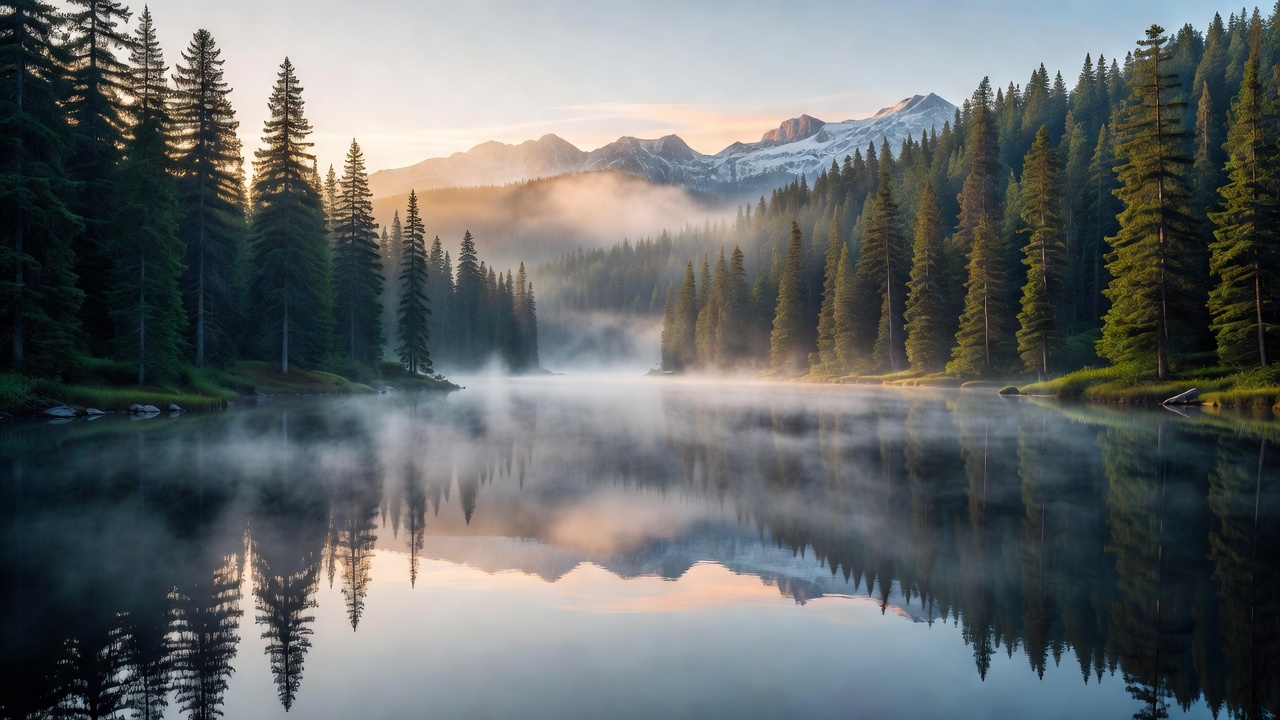
Introduction: What Makes a Destination a True Hidden Gem in 2026?
The travel world in 2026 continues to buzz with promises of secret spots and hidden gems, yet many so-called undiscovered locations have transformed into crowded hotspots because of widespread online exposure. This comprehensive guide cuts through common misconceptions, contrasts overhyped places with genuine low-density alternatives supported by real visitor statistics, and equips travelers with practical verification methods. By examining how social media accelerates popularity shifts and reviewing official data on accessibility and crowd levels, readers can pursue authentic experiences that respect local environments. The goal is sustainable discovery rather than chasing illusions that lead to disappointment and overtourism pressures.
Myth 1: Empty Equals Hidden
A frequent assumption is that any location appearing deserted on social feeds must qualify as a hidden gem. However, true secret spots balance moderate accessibility with deliberate limits on visitor numbers rather than total isolation. Remote trails in protected areas may seem empty simply because of seasonal weather patterns, permit requirements, or rugged terrain that deters casual visitors. Official park records demonstrate that some seemingly vacant sites experience predictable surges during shoulder periods, indicating they are not truly unknown but merely less promoted through mainstream channels.
Why This Myth Persists
Visual storytelling on digital platforms reinforces the solitude-equals-authenticity narrative. Travelers often share tranquil images without disclosing timing, required reservations, or physical challenges involved, creating unrealistic expectations for followers. Distinguishing genuine hidden gems demands analysis of quantitative accessibility metrics and historical visitation trends instead of relying solely on curated photographs.
Myth 2: Social Media Never Reveals Real Secrets
Another misconception claims that platforms only highlight already popular places. In practice, emerging destinations can gain traction rapidly once shared, but this exposure frequently alters their character within a single season. Locations once accessible only to locals become equipped with new signage, parking expansions, and tour operators, shifting them from underrated to standard attractions.
Monitoring engagement analytics rather than isolated images provides clearer signals of impending change. When search volumes rise without corresponding infrastructure growth, a spot may still retain its off-the-beaten-path quality for a short window.
The Role of Social Media in Changing a Spot's Status
Digital platforms dramatically speed up the transition from obscure to mainstream, often within months rather than years. A single viral video can double annual footfall according to regional tourism board observations. This rapid shift introduces infrastructure modifications that erode the original appeal of many sites. For example, previously quiet coastal inlets or mountain hamlets now feature dedicated photo zones and shuttle services after widespread sharing.
Travelers seeking authenticity must therefore consult live data feeds from park authorities and transport operators instead of depending on trending content. National Park Service reports illustrate how dispersed patterns of visitation can reveal pockets that remain genuinely quieter even within busy regions.
Real-World Comparisons Using Visitor Data
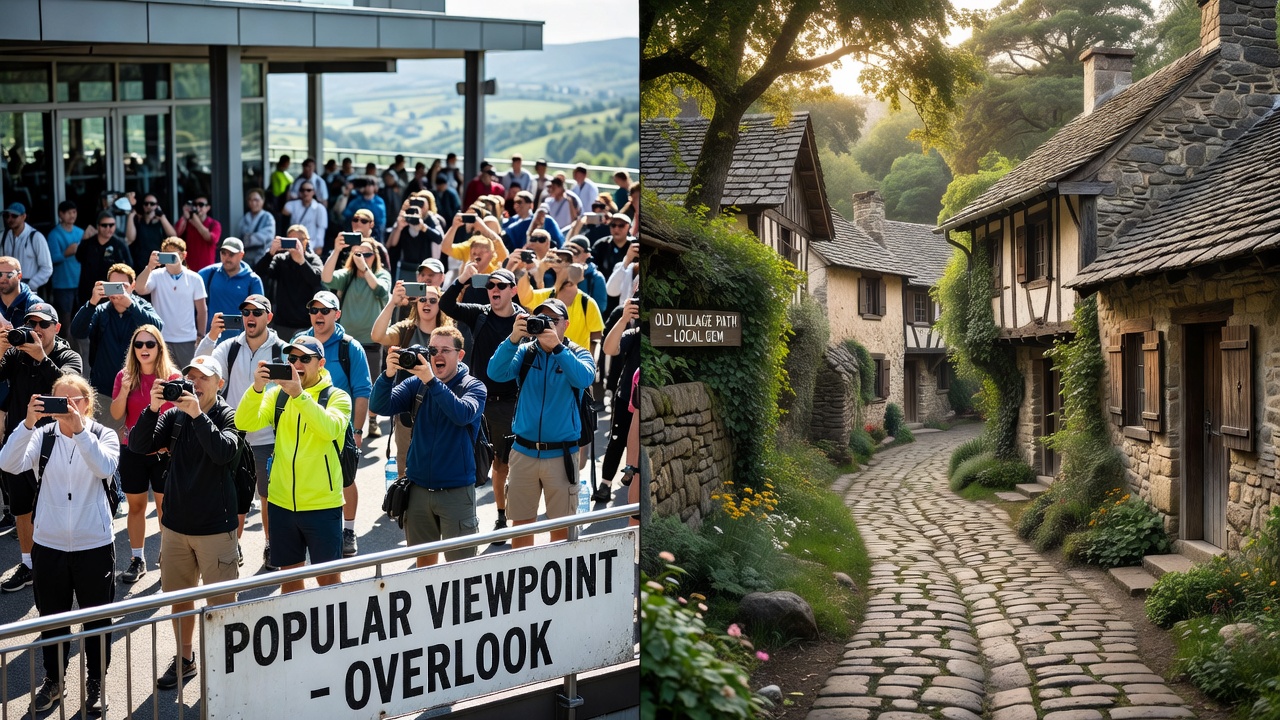
Overhyped destinations frequently record annual visitor counts exceeding several million, while authentic alternatives stay below 150,000. Iconic national park viewpoints contrast sharply with adjacent zones that receive far less attention yet offer comparable scenery. Global tourism analyses from UNWTO reveal that certain secondary sites in Southeast Asia and Eastern Europe maintain lower densities when communities intentionally restrict promotional efforts. These side-by-side evaluations highlight the necessity of reviewing primary government statistics prior to finalizing itineraries.
Additional context comes from cross-referencing regional development reports that track new flight routes and hotel occupancy rates, allowing travelers to anticipate which areas may soon lose their hidden status.
Practical Steps to Verify Authenticity Before Travel
- Consult official visitor statistics published by national tourism portals covering the previous 24 months to identify consistent low-traffic patterns.
- Examine detailed trip reports on specialized sustainable travel forums, focusing on recent mentions of crowd density and infrastructure changes.
- Evaluate transportation options and permit systems; destinations reachable by frequent public transit or without advance booking often indicate higher popularity.
- Analyze social platform metrics such as comment volume relative to post reach; subdued engagement despite visual appeal suggests retained hidden qualities.
- Contact local tourism offices directly for unpublished insights on emerging areas that have not yet entered broad marketing campaigns.
- Review satellite imagery and trail counter data when available to confirm actual usage levels rather than perceived emptiness.
Traveler Case Studies
A solo explorer targeting alternatives to saturated Mediterranean coastlines in 2025 identified secluded Adriatic inlets by studying ferry timetables and municipal port authority logs, resulting in uncrowded visits supported by community-run guesthouses. Another group bypassed an over-shared Japanese highland trail after analyzing real-time footfall counters and instead selected a parallel ridge offering equivalent vistas with substantially reduced human presence. A third traveler used weather pattern archives to locate shoulder-season opportunities in the Andes that avoided both peak crowds and extreme conditions. These documented experiences demonstrate that layering multiple verification techniques consistently yields satisfying, low-impact discoveries.
How to Spot Emerging Underrated Destinations
- Prioritize regions investing in controlled eco-tourism infrastructure without launching large-scale international advertising.
- Track announcements of new secondary airport connections, which frequently precede measured growth in visitor numbers.
- Engage conservation nonprofits for early information on protected zones opening under strict sustainability guidelines.
- Study long-term climate records to pinpoint shoulder seasons in areas that receive limited mainstream coverage.
- Follow updates from intergovernmental tourism bodies that publish forward-looking destination assessments.
FAQ
How can I find hidden gems without contributing to overtourism?
Choose locations enforcing strict daily caps and partner exclusively with operators committed to low-impact practices and revenue sharing with residents.
Does social media always ruin secret spots?
Not inevitably—some destinations leverage controlled sharing to regulate flows, yet unchecked virality typically strains resources and diminishes the original character.
What data sources are most reliable for 2026 planning?
Government tourism bureaus and protected-area management agencies supply the most accurate, regularly updated statistics compared with user-generated platforms.
Are there seasonal windows when popular places temporarily become hidden again?
Yes, shoulder periods often reduce crowds significantly, but these windows require verification through current booking and weather data rather than assumptions.
Can group travel ever align with authentic hidden-gem experiences?
Small, organized groups working with local guides and adhering to capacity limits can succeed, provided advance coordination with community stakeholders occurs.
Conclusion
Debunking hidden gems myths requires shifting from assumptions to evidence-based planning. Recognizing the influence of social media, comparing verified visitor figures, and applying structured verification steps empowers travelers to locate genuine secret spots in 2026. These approaches deliver memorable encounters while helping preserve destination integrity for subsequent visitors and supporting responsible tourism practices worldwide.
No comments yet. Be the first!