 PlaceBee
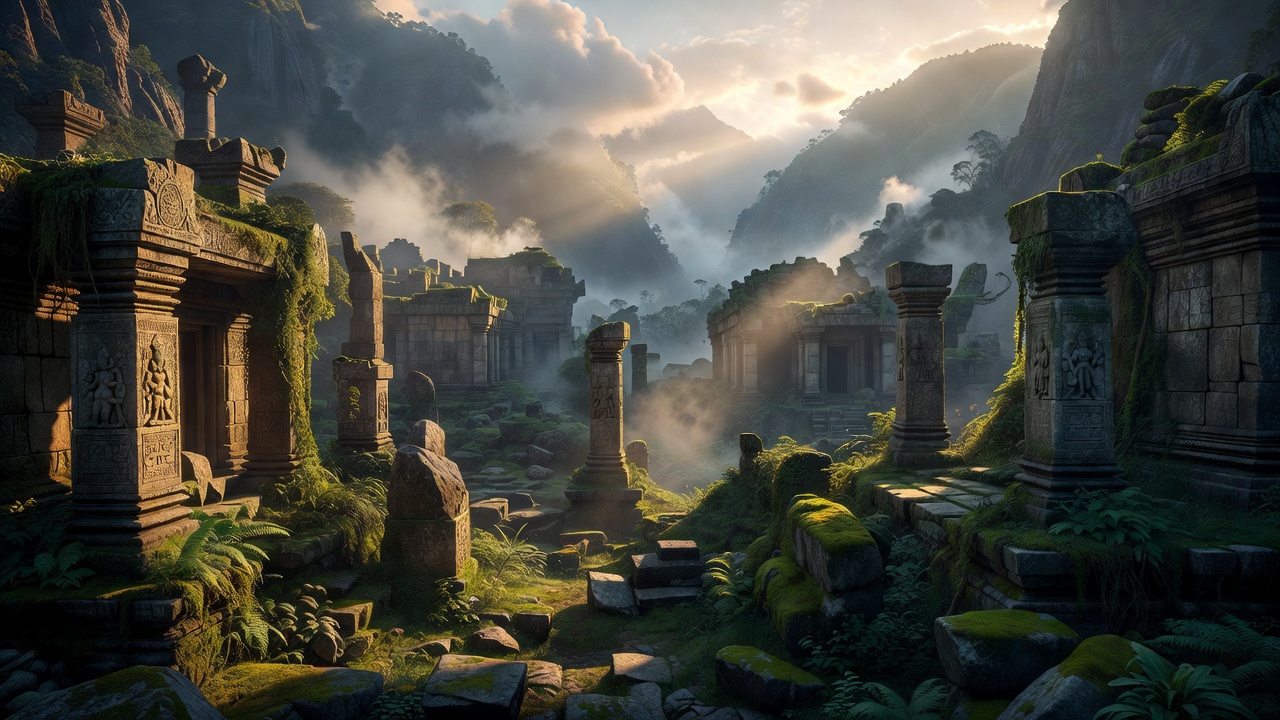
Discovering the World's Best-Kept Historical Secrets
Travelers craving authentic encounters with the past often bypass overcrowded icons like Machu Picchu or the Colosseum in favor of hidden gems. These underrated ancient sites offer solitude, rich context, and genuine cultural immersion without the crowds. In 2026, interest in off-the-beaten-path heritage continues to grow as visitors seek meaningful experiences that respect local communities and preserve fragile ruins. Many history enthusiasts now prioritize destinations where they can wander ancient pathways alone, interpret faded inscriptions without interruption, and connect directly with the stories embedded in stone and earth. This shift reflects a broader desire for sustainable tourism that avoids the environmental strain and commercialization plaguing major landmarks.
Selecting authentic locations requires attention to accessibility, preservation status, and minimal commercialization. Focus on sites managed by local authorities or international bodies that limit visitor numbers and enforce strict guidelines. This approach ensures you contribute positively while exploring forgotten heritage spots across lesser-visited regions such as Central Asia, the Balkans, and parts of South America. Researching through heritage databases helps identify places where archaeological work is ongoing but tourism remains controlled, allowing for a more intimate understanding of civilizations that shaped our world.
Criteria for Choosing Authentic Ancient Ruins
When planning trips, evaluate potential destinations using these key factors. First, verify the site's archaeological integrity through official records. Second, confirm low tourism infrastructure to maintain an off-the-beaten-path feel. Third, assess seasonal weather patterns and local regulations for 2026 visits. Sites in remote valleys or high plateaus often score highest because they remain untouched by mass tourism. Additional considerations include the presence of active conservation projects, availability of community-guided experiences, and the site's representation of underrepresented cultures. For instance, locations with ongoing excavations offer dynamic learning opportunities as new discoveries emerge throughout the year.
- UNESCO tentative listings or national heritage registers indicate strong preservation efforts.
- Community-led tours provide deeper insight than standard commercial packages.
- Minimal signage and facilities signal an authentic experience rather than a staged attraction.
- Proximity to indigenous populations ensures economic benefits flow directly to locals when visits are managed responsibly.
- Documented climate resilience helps predict how sites will fare under changing weather patterns in coming decades.
Standout Examples from Lesser-Visited Regions
Central Asia hides remarkable treasures like the ancient city of Merv in Turkmenistan, where vast mud-brick ruins stretch across the desert and reveal layers of Persian, Hellenistic, and Islamic history. In the Balkans, the Roman city of Stobi in North Macedonia offers well-preserved mosaics and theaters with far fewer visitors than sites in Italy. South America's lesser-known gems include the pre-Inca ruins of Tiahuanaco near Lake Titicaca in Bolivia, featuring massive stone gateways that rival more famous Andean locations. Further afield, the megalithic temples of Ġgantija on Gozo in Malta provide Neolithic insights with dramatically reduced crowds compared to mainland European counterparts. In Southeast Asia, the lesser-explored temple complexes around Banteay Chhmar in Cambodia showcase intricate bas-reliefs amid jungle settings that feel truly remote.
These destinations reward patient explorers with layered histories spanning millennia. Travelers often combine them with nearby natural wonders for balanced itineraries that avoid peak-season congestion while supporting regional economies through homestays and local crafts.
Comparing Famous Sites and Their Hidden Counterparts
The Pyramids of Giza draw millions annually, yet the Nubian pyramids at Meroë in Sudan provide similar architectural drama with dramatically lower foot traffic and opportunities to study Kushite royal burial practices up close. Likewise, while Pompeii sees heavy crowds, the lesser-known ruins of Stabiae deliver comparable Roman villa insights in a quieter setting surrounded by vineyards. The Inca citadel of Machu Picchu faces overtourism challenges, but the high-altitude site of Choquequirao in Peru offers similar terraced architecture and panoramic views accessible only by multi-day treks. In Asia, Angkor Wat's popularity contrasts with the atmospheric, vine-covered towers of Ta Prohm's quieter sibling temples scattered throughout the Cambodian countryside. Choosing these alternatives reduces environmental pressure and supports local economies more directly through smaller-scale operations.
UNESCO World Heritage Centre maintains detailed records that help travelers compare preservation levels across continents, while Britannica offers accessible historical context for deeper preparation.
Practical Steps for Responsible Visiting
Responsible travel begins before departure. Research local customs and obtain necessary permits through official channels. Hire guides from nearby villages to ensure economic benefits stay within communities. Stick to marked paths to protect fragile structures, and avoid touching carvings or climbing on walls. Carry reusable water bottles and leave no trace of your visit. Consider timing your arrival for early morning or late afternoon to minimize impact during peak heat or sensitive wildlife activity periods. Engage with on-site educational programs that explain conservation challenges, and report any observed damage to authorities promptly.
Photography Tips for Capturing Ancient Atmosphere
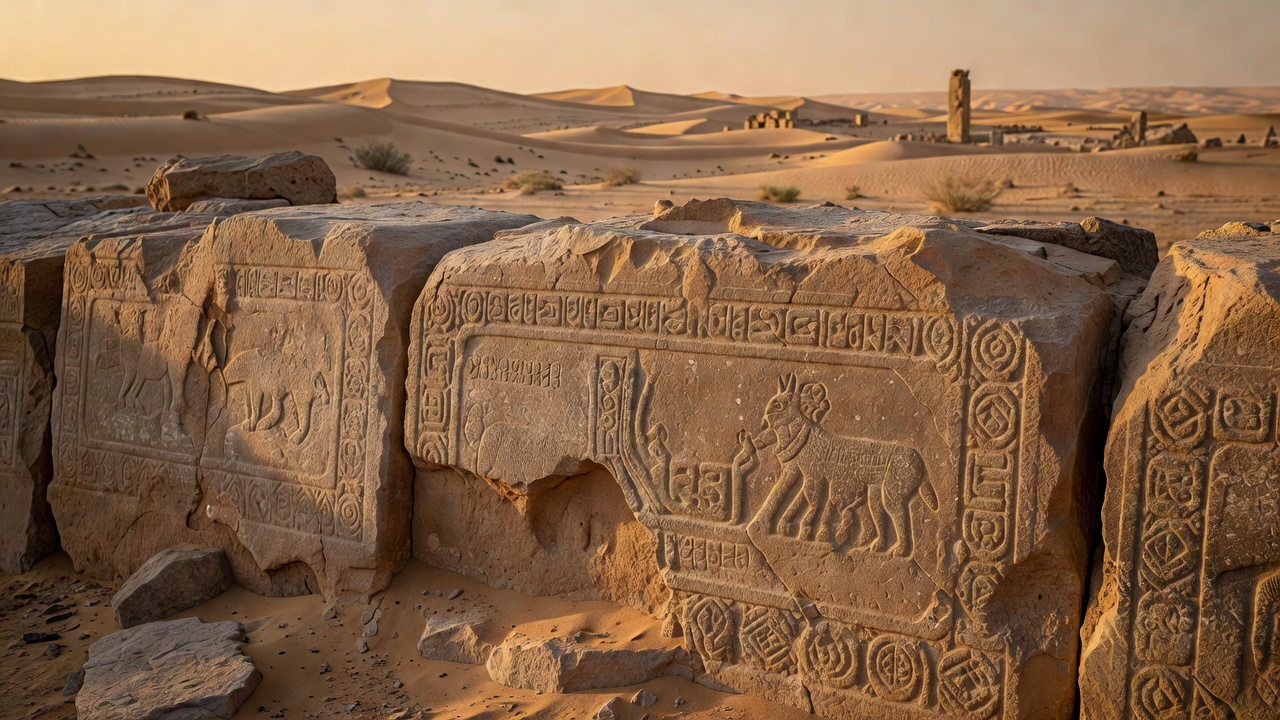
Golden-hour lighting enhances textures on weathered stone. Use wide-angle lenses sparingly to respect scale, and always ask permission before photographing local people. Tripods are useful at dawn when sites are empty, but check regulations first. Post-processing should remain minimal to preserve the authentic mood of the location. Experiment with macro shots of inscriptions and textures to document details that might otherwise be overlooked, and consider drone photography only where explicitly permitted to avoid disturbing nesting birds or fragile ecosystems.
FAQ: Safety, Access, and Seasonal Considerations for 2026
Is it safe to visit remote ancient sites?
Many hidden gems lie in stable regions, yet travelers should monitor government travel advisories and travel with reputable local operators. Group tours often include security measures for remote areas. Always carry comprehensive travel insurance that covers medical evacuation, and maintain communication plans with family or embassies. Learning basic phrases in the local language builds goodwill and aids in navigating unexpected situations effectively.
How do I gain access to restricted sites?
Contact site management or national tourism boards months ahead. Some locations require advance permits that can take several weeks to process. Digital applications submitted through official portals streamline approvals, and joining recognized archaeological societies can sometimes grant priority access during limited opening windows.
What are the best seasons for 2026 trips?
Spring and autumn generally offer milder weather and fewer visitors. Avoid monsoon or winter closures common in mountainous regions. Monitoring long-range forecasts from meteorological agencies helps anticipate climate anomalies that could affect trail conditions or site accessibility throughout the year.
Checklist for Planning Sustainable History Journeys
- Verify site status via authoritative heritage databases.
- Book accommodations and transport that support local businesses.
- Pack eco-friendly gear and cultural sensitivity guidelines.
- Schedule buffer days for weather or permit delays.
- Share experiences responsibly on social media to promote preservation awareness.
- Learn basic conservation etiquette from site authorities before arrival.
- Support on-site museums or research funds through small donations.
- Document your visit with notes on sustainability practices observed.
- Plan return visits only after confirming recovery from previous tourism impacts.
- Advocate for lesser-known sites among fellow travelers to distribute visitor loads evenly.
By prioritizing these underrated ancient sites, history enthusiasts can enjoy profound connections with the past while safeguarding them for future generations. Thoughtful planning transforms every journey into an act of cultural stewardship that benefits both travelers and the communities who protect these irreplaceable treasures.

No comments yet. Be the first!