 PlaceBee
Introduction: Why Seasonal Hidden Gems Matter for 2026 Travel
Travelers seeking authentic experiences in 2026 are turning away from overcrowded landmarks toward hidden gems that shine brightest during specific seasons. Seasonal changes transform landscapes, weather patterns, and visitor numbers, creating unique opportunities to explore secret spots without the chaos of peak tourism. This comprehensive guide breaks down month-by-month recommendations across winter, spring, summer, and fall, focusing on underrated destinations worldwide. By understanding how weather impacts accessibility and how crowd patterns shift, you can plan trips that feel exclusive and immersive.
Many popular sites suffer from overtourism, leading to environmental strain and diminished experiences. Hidden gems offer alternatives where you can enjoy pristine nature, local culture, and personal reflection. Whether you're chasing northern lights in winter or autumn foliage in remote valleys, timing is everything. This article provides concrete examples, packing strategies, and decision-making tools to make your 2026 adventures truly memorable.
Winter Hidden Gems (December–February)
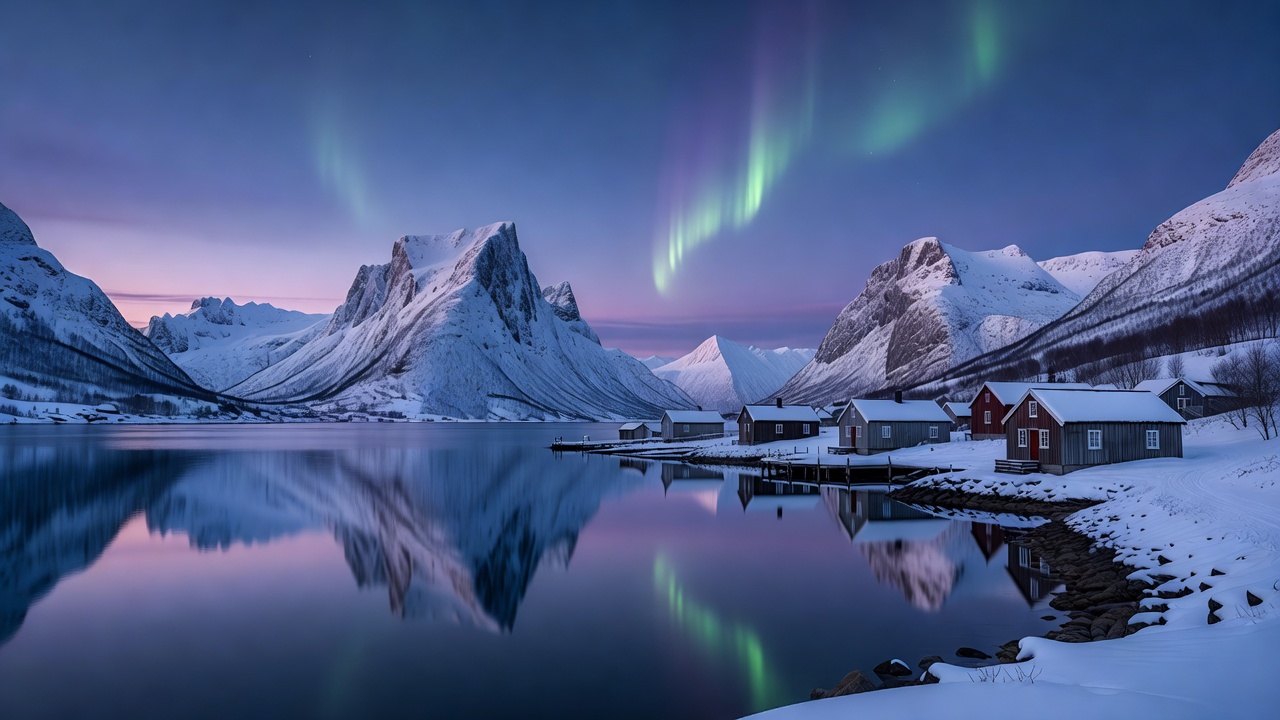
Winter transforms many destinations into serene escapes with dramatic lighting and minimal visitors. In December, head to the lesser-visited fjords of Norway's Lofoten Islands beyond popular spots like Reine. The dramatic mountains and fishing villages offer solitude under the midnight sun's absence, perfect for aurora hunting along quiet coastal roads. January brings opportunities in Patagonia’s Torres del Paine, where shoulder crowds thin dramatically after the holidays. Hikers can enjoy clear trails and dramatic ice formations without summer busyness, including side hikes to lesser-known lakes like Laguna Azul.
February highlights secret spots like Iceland’s Westfjords, where geothermal pools and rugged coasts remain largely undiscovered compared to the Golden Circle. Real-world examples include soaking in hot springs near remote villages such as Ísafjörður while watching seabirds in their winter habitats. Weather impacts here mean shorter days but spectacular ice formations and potential for exclusive wildlife sightings.
Winter Packing and Timing Tips
- Layer moisture-wicking base layers, insulating mid-layers, and waterproof outer shells for unpredictable weather swings of 15-20 degrees in a single day.
- Visit mid-week to minimize any local holiday traffic and secure better lodging rates in small guesthouses.
- Check avalanche forecasts and road conditions through official park services well in advance.
- Include micro-spikes for icy trails and a headlamp for early sunsets.
- Plan buffer days for weather delays, especially when relying on ferries or mountain passes.
Spring Hidden Gems (March–May)
As snow melts, spring reveals blooming landscapes in unexpected places that feel fresh and vibrant. March is ideal for Slovenia’s Soča Valley, where turquoise rivers and hidden gorges come alive with wildflowers before summer hikers arrive. The valley’s emerald waters contrast with snow-capped peaks, offering kayaking and hiking without the later crowds. April uncovers secret spots in New Zealand’s South Island, such as the remote Catlins region, known for its waterfalls, yellow-eyed penguins, and ancient forests that remain quiet after the summer rush.
May shines in Portugal’s Alentejo region, with rolling vineyards and medieval villages free from Lisbon crowds. Travelers can explore cork oak forests and hilltop castles during mild temperatures perfect for cycling tours. Spring weather often brings variable rain, so flexible itineraries are key to enjoying these spots at their peak bloom without the logistical challenges of winter closures.
National Park Service resources provide excellent guidance for planning spring visits to protected areas with similar seasonal appeal across the United States and beyond.
Summer Hidden Gems (June–August)
Summer calls for cooler escapes where you can avoid both heat and crowds. June offers the Faroe Islands’ northern villages, where dramatic cliffs and puffin colonies stay quiet before peak European holidays. Remote spots like Saksun village provide stunning turf-roofed homes and fjord views accessible via winding single-track roads. July highlights Canada’s Haida Gwaii, a remote archipelago with ancient rainforests, indigenous cultural sites, and black-sand beaches untouched by mass tourism. Guided kayak tours here often feel private due to limited infrastructure.
August brings the Scottish Highlands’ lesser-known glens, like those around Assynt, where lochs reflect endless daylight with minimal visitors. Activities include Munro bagging on uncrowded peaks and wildlife watching for red deer and golden eagles. Summer packing should prioritize lightweight rain gear and insect repellent, as midges can appear in damp areas.
Summer Checklist for Avoiding Crowds
- Book accommodations in small villages rather than gateway towns to support local economies and enjoy quieter evenings.
- Start hikes at dawn to enjoy empty trails and capture the best light for photography.
- Use public transport or ferries for authentic local access and reduced environmental impact.
- Monitor weather apps for sudden mountain changes common in northern latitudes.
- Carry reusable water bottles and snacks to minimize stops at busy tourist facilities.
Fall Hidden Gems (September–November)
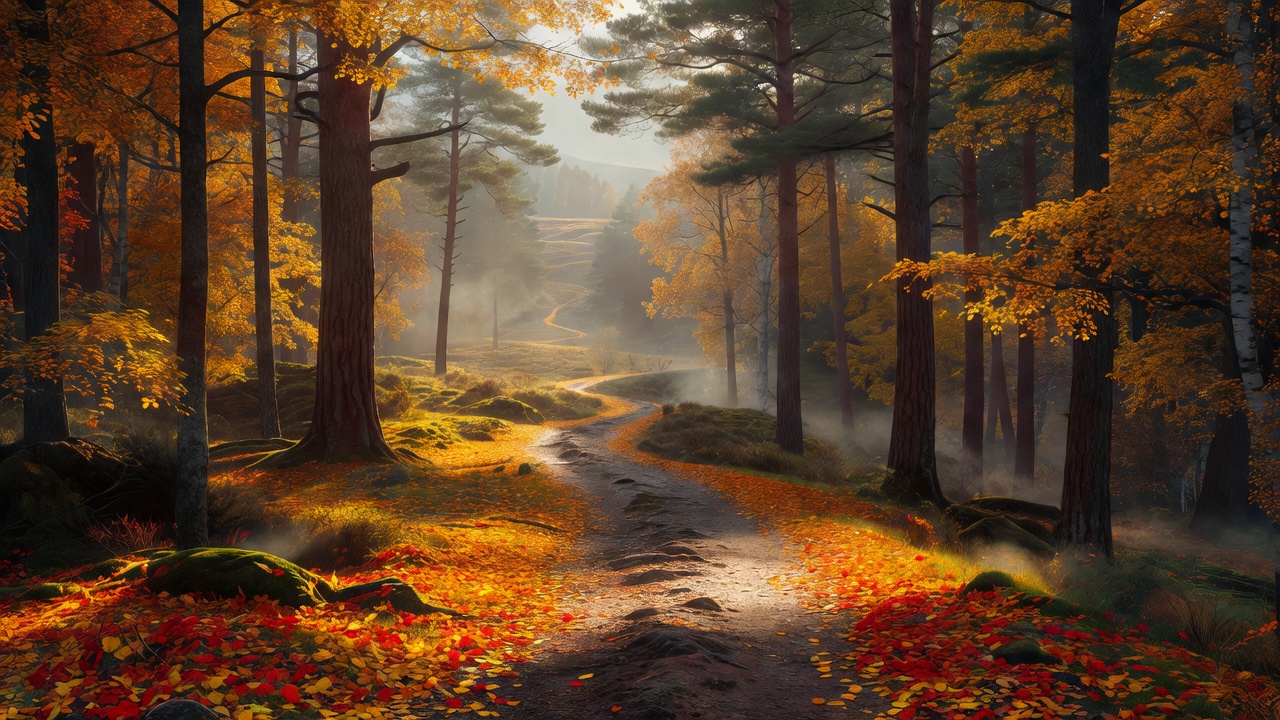
Fall foliage creates magical backdrops while shoulder crowds dwindle. September suits Japan’s lesser-known Tohoku region, with vibrant colors in rural onsen towns away from Kyoto. Onsen hopping in places like Ginzan Onsen offers steaming baths surrounded by maple trees. October reveals secret spots in Vermont’s Northeast Kingdom, offering covered bridges, quiet lakes, and farm-to-table experiences without the southern crowds that flood popular routes.
November brings the Pacific Northwest’s Olympic Peninsula hidden coves, where misty forests and rugged coastlines provide peaceful escapes. Tide pooling and rainforest hikes here benefit from cooler temperatures and fewer campers. Fall often delivers the most stable weather for photography and long-distance treks compared to summer storms or winter snow.
Peak vs. Shoulder Season Comparisons
Peak seasons flood popular sites with visitors, raising costs and diminishing experiences through long lines and strained resources. Shoulder periods like April or October often cut crowds by half while maintaining good weather and lower prices on flights and lodging. Real-world examples show that shoulder visits to places like the Scottish Highlands can mean private access to trails that are otherwise lined with tour buses in July. Weather impacts also favor shoulder travel, with milder conditions reducing risks like flash floods or extreme heat. Comparing data from tourism boards, shoulder months frequently see 40-60% fewer visitors, making hidden gems feel more exclusive and sustainable.
Seasonal Travel Checklist
- Research local festivals that might affect availability or add cultural depth to your visit.
- Pack versatile clothing for temperature swings of 20+ degrees in a day, including quick-dry items and sturdy boots.
- Confirm opening hours for remote attractions, as some close off-season or operate on limited schedules.
- Consider travel insurance covering weather disruptions and medical needs in isolated areas.
- Learn basic local phrases to connect with residents in hidden communities and show respect for traditions.
- Download offline maps and translation apps since cell service can be spotty in remote regions.
- Review sustainable travel guidelines to minimize your footprint on fragile ecosystems.
FAQ: Avoiding Overtourism in 2026
How do I find truly secret spots?
Focus on regions adjacent to famous landmarks, such as side valleys near major national parks. Local tourism boards and Lonely Planet’s destination guides often highlight emerging areas before they become mainstream, providing maps and insider tips for lesser-known trails and villages.
What if weather ruins my plans?
Build flexibility into itineraries by including indoor alternatives like cultural centers, thermal spas, or local museums. Shoulder seasons have variable conditions, so always have backup activities and monitor forecasts daily through reliable meteorological services.
Are these destinations safe year-round?
Most hidden gems are in stable regions, but check U.S. State Department travel advisories and local health guidelines before booking. Carry appropriate gear and inform someone of your plans when venturing into remote areas.
Can families or solo travelers enjoy these spots?
Yes, many hidden gems suit various traveler types with easy day hikes and welcoming small communities. Solo travelers often appreciate the quiet for reflection, while families can bond over seasonal activities like wildlife spotting or stargazing.
Conclusion: Plan Your Year-Round Adventure
By aligning your 2026 trips with seasonal rhythms, you unlock hidden gems that deliver memorable, crowd-free experiences. Start with one season’s recommendation and build from there using the checklists and comparisons provided. Thoughtful planning ensures these secret spots remain pristine for future explorers while giving you unparalleled access to nature’s best-kept seasonal secrets.
No comments yet. Be the first!