 PlaceBee
Introduction to 2026's Underrated Mountain Destinations
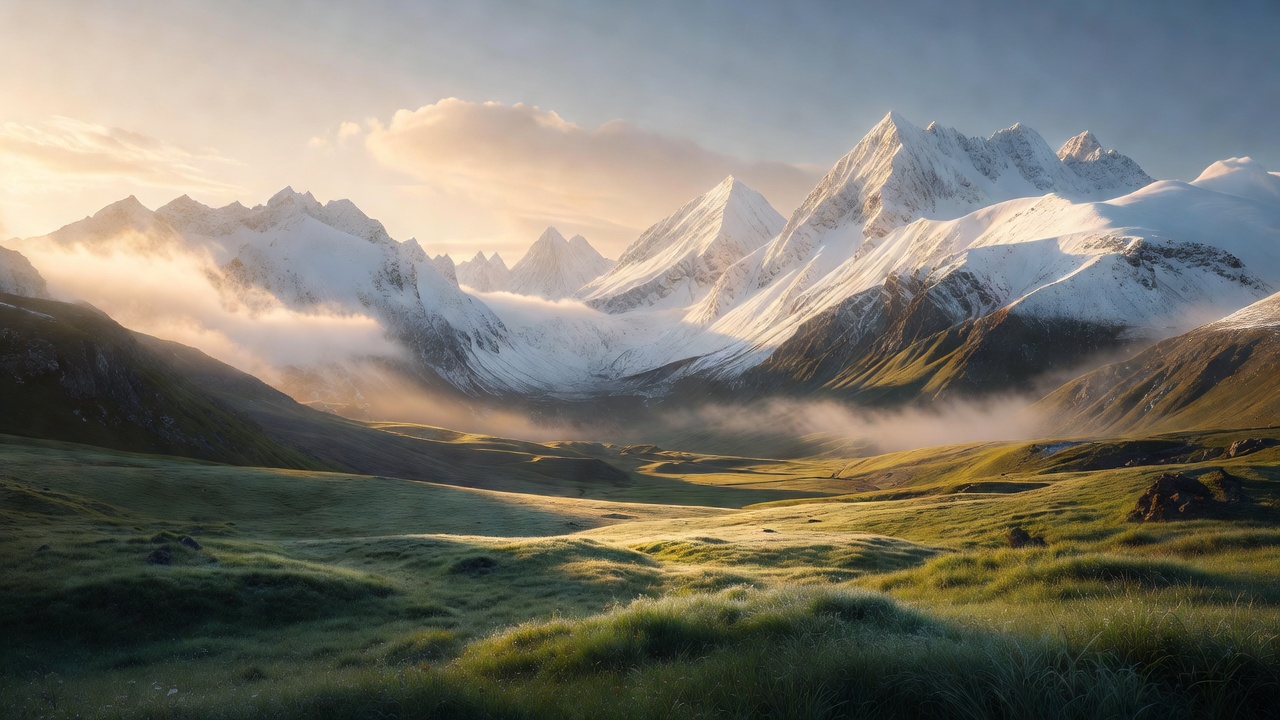
Travelers in 2026 continue to move away from overcrowded icons such as the Swiss Alps and the Colorado Rockies in search of quieter, more authentic high-altitude experiences. This comprehensive guide spotlights lesser-known mountain ranges across Asia, Europe, and the Americas that deliver dramatic scenery, challenging trails, and meaningful cultural connections without the masses. These hidden gems preserve their remote character while offering serious adventure opportunities for those willing to plan carefully and travel responsibly.
Asia's Hidden High-Altitude Treasures
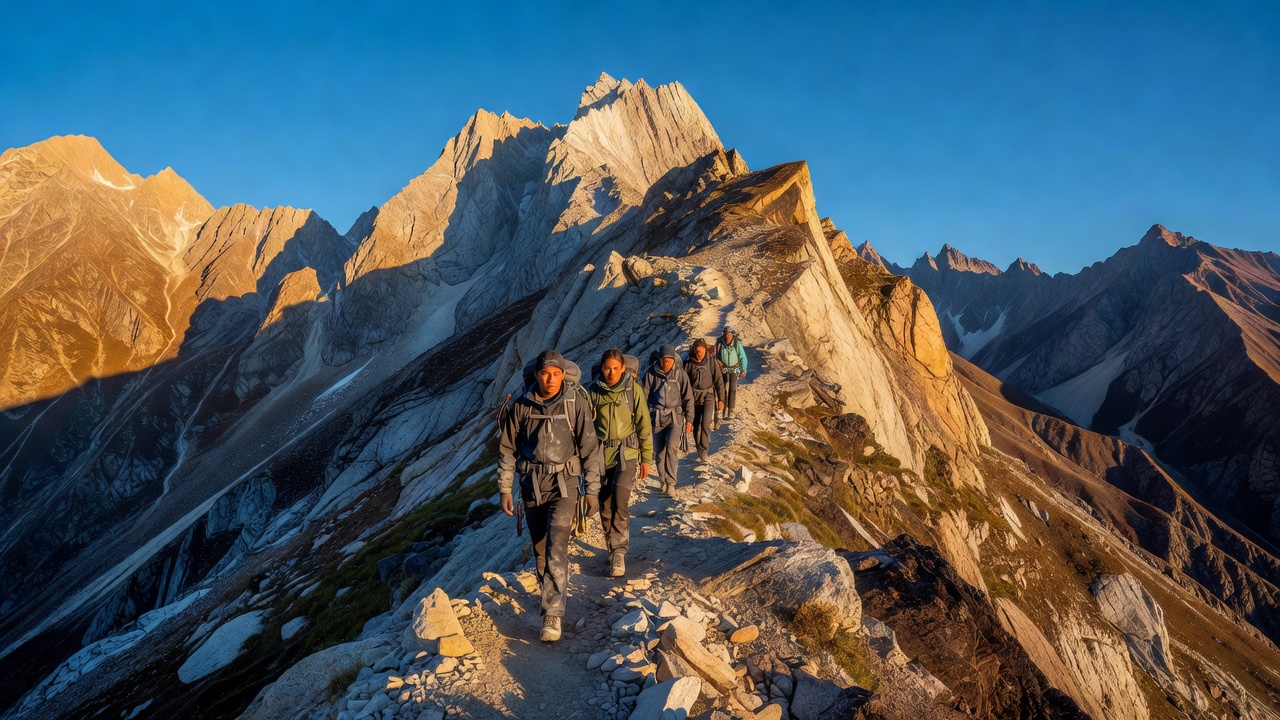
The vast Himalayan and Tian Shan systems contain numerous valleys and peaks that remain far from the tourist circuits. In Bhutan, the Lunana region offers glacial lakes and yak-herding communities accessible only after multi-day treks. Kyrgyzstan's Ala Archa National Park extensions into the Tian Shan provide granite peaks and turquoise rivers with almost no commercial infrastructure. Further east, the remote Zanskar Valley in India features frozen river trails in winter and high passes that test even experienced hikers.
Access Tips and Seasonal Considerations for Asian Ranges
Primary gateways include Paro Airport in Bhutan and Manas International Airport in Bishkek. From there, travelers often rely on shared jeeps or domestic flights followed by rough roads. Road conditions deteriorate quickly after snowmelt, so timing is critical. Late spring and early autumn generally provide the most stable weather windows, with wildflowers blooming in June and clear skies returning in September. Summer months bring heavy monsoon rains to the southern Himalayas, increasing landslide risks, while winter isolates many valleys under deep snow.
Practical examples include starting a Lunana trek from the Phobjikha Valley trailhead or arranging a Tian Shan base camp via local operators in Bishkek. Always verify current border permits, as regulations change frequently.
Europe's Secret Mountain Escapes
Eastern and southeastern Europe hold several under-the-radar ranges that rival the famous peaks of the west in beauty but attract far fewer visitors. Romania's Făgăraș Mountains feature sharp ridges and glacial lakes reached via long forest approaches. Bulgaria's Pirin National Park offers marble peaks and endemic flora in a landscape shaped by traditional shepherding. Slovenia's less-visited Julian Alps extensions provide limestone karst formations and clear streams away from Lake Bled crowds.
Comparing Crowd Levels to Famous Sites
The Swiss Alps and Canadian Rockies regularly record visitor numbers in the millions each year, leading to trail congestion and strained resources. In contrast, the Făgăraș and Pirin ranges see only a small fraction of that traffic. Hikers can enjoy multi-hour stretches without encountering others, especially outside July and August weekends. This difference allows for more immersive wildlife viewing and quieter nights at mountain huts.
The Americas' Overlooked Peaks
South America's Cordillera Apolobamba in Bolivia threads through remote Aymara villages and high plateaus rarely visited by foreigners. In North America, the Mackenzie Mountains of Canada's Yukon deliver endless tundra and river valleys that require bush-plane access. Argentina's lesser-known sections of the Andes near the Chilean border provide volcanic landscapes and hot springs without the infrastructure of Patagonia hubs.
Hiking Routes, Local Culture, and Immersion
Multi-day routes such as the Apolobamba trek allow direct engagement with traditional weaving cooperatives and quinoa farming practices. Guides from local communities often share stories of mountain deities and sustainable land use passed down for generations. Similar opportunities exist in the Yukon, where First Nations knowledge enhances navigation and safety on unmarked trails.
Practical Packing List for High-Altitude Travel
- Merino wool base layers and waterproof shell jacket for sudden temperature drops
- Adjustable trekking poles, microspikes, and a lightweight ice axe for mixed terrain
- Water filter or purification tablets plus electrolyte powders to combat dehydration
- Comprehensive first-aid kit including altitude medication and blister treatments
- Emergency bivy sack, headlamp with spare batteries, and satellite communicator
- Quick-dry pants, warm hat, and gloves suitable for wind chill above 4000 meters
- High-energy snacks such as nuts, dried fruit, and energy bars for long days
Permit Requirements and Practical Preparation
Remote areas often demand advance permits from park authorities or local governments. In Bhutan, a sustainable development fee applies and must be arranged through licensed operators. Kyrgyzstan requires registration with border services for certain valleys, while Bolivia's Apolobamba needs community approval. Check official sources early and allow extra time for processing.
Mistakes to Avoid When Visiting Hidden Mountain Spots
Common errors include underestimating acclimatization time, which can lead to altitude sickness, and neglecting to hire local guides in culturally sensitive zones. Another frequent issue is poor route planning that ignores seasonal snow bridges or flash-flood zones. Always cross-reference multiple maps and recent trip reports rather than relying on outdated guidebooks.
Sustainability Practices for Responsible Exploration
Follow established Leave No Trace guidelines by packing out all waste and camping only on durable surfaces. Support community-based tourism by purchasing supplies locally and choosing operators that employ residents. Minimize plastic use and respect wildlife by maintaining distance. These steps help preserve the very qualities that make these destinations special.
For health guidance on altitude, consult World Health Organization resources. Sustainable tourism principles are outlined on the UN Tourism website.
FAQ: Safety and Sustainability Questions
How should I prepare for altitude sickness on these routes?
Begin acclimatization several days before reaching high elevations, increase fluid intake, and consider consulting a doctor about preventive medications. Monitor symptoms closely and descend immediately if severe headaches or nausea develop.
What sustainability practices should every traveler follow?
Adhere to Leave No Trace, support local economies through fair purchases, and avoid disturbing fragile vegetation or wildlife habitats. Choose operators committed to low-impact practices.
Are these destinations suitable for solo travelers?
Experienced hikers can manage many trails alone, but group travel or local guides are strongly advised for the most isolated sections due to communication challenges and rescue limitations.
What are the main seasonal risks to consider?
Monsoon flooding in Asia, sudden snowstorms in Europe, and extreme cold in the Americas require flexible itineraries and up-to-date weather monitoring.
How do I find reliable local guides?
Contact regional tourism boards or established community cooperatives well in advance. Verify credentials and read recent traveler reviews before booking.
Conclusion
Selecting these underrated mountain destinations in 2026 offers the chance for profound adventures in spectacular settings free from overwhelming crowds. Careful preparation, respect for local cultures, and commitment to sustainability will ensure these secret spots remain pristine for years to come.
No comments yet. Be the first!