 PlaceBee
Introduction to Cultural Hidden Gems in 2026
Travelers seeking meaningful experiences are increasingly turning away from overcrowded tourist hotspots toward cultural hidden gems. These off-the-beaten-path destinations emphasize living traditions, genuine interactions with locals, and immersive cultural exchanges. In 2026, planning around shoulder seasons and lesser-known regions offers the chance to connect deeply without the crowds. This guide covers practical identification of such spots, respectful engagement strategies, real examples, timing advice, and essential preparation. According to the UNWTO, sustainable tourism practices are key to preserving these communities for future generations.
Identifying Underrated Villages with Living Traditions
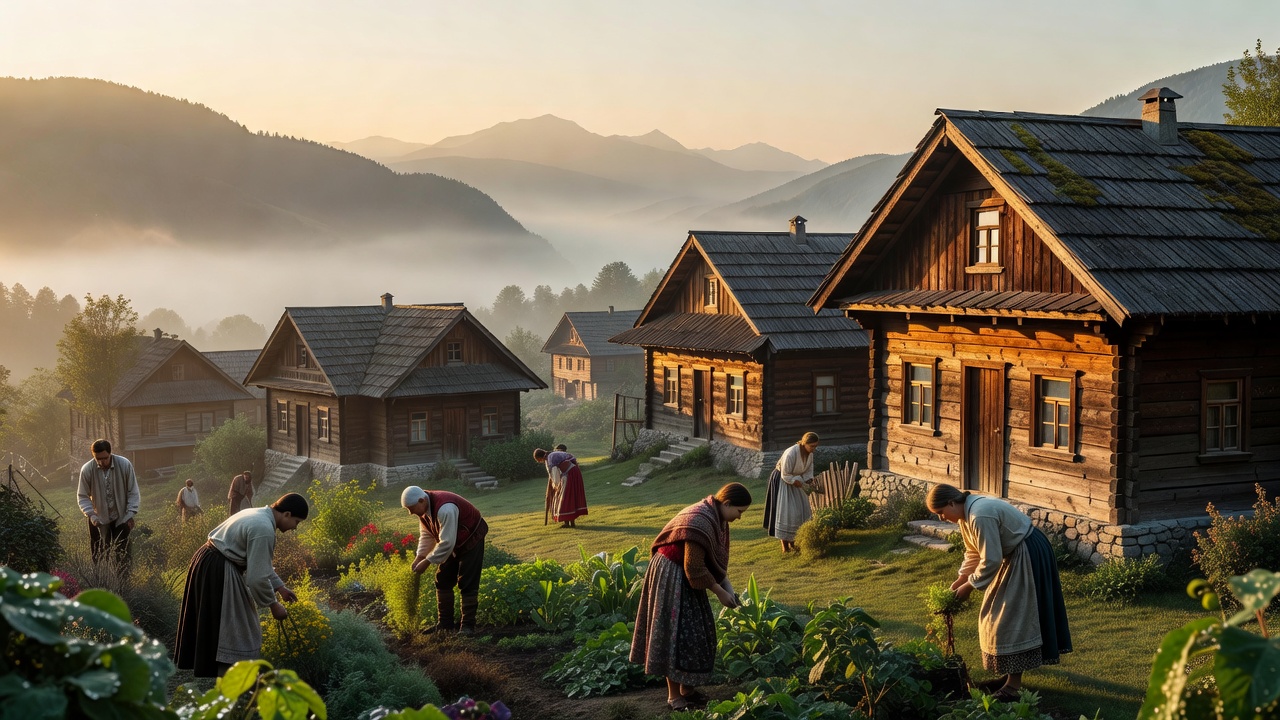
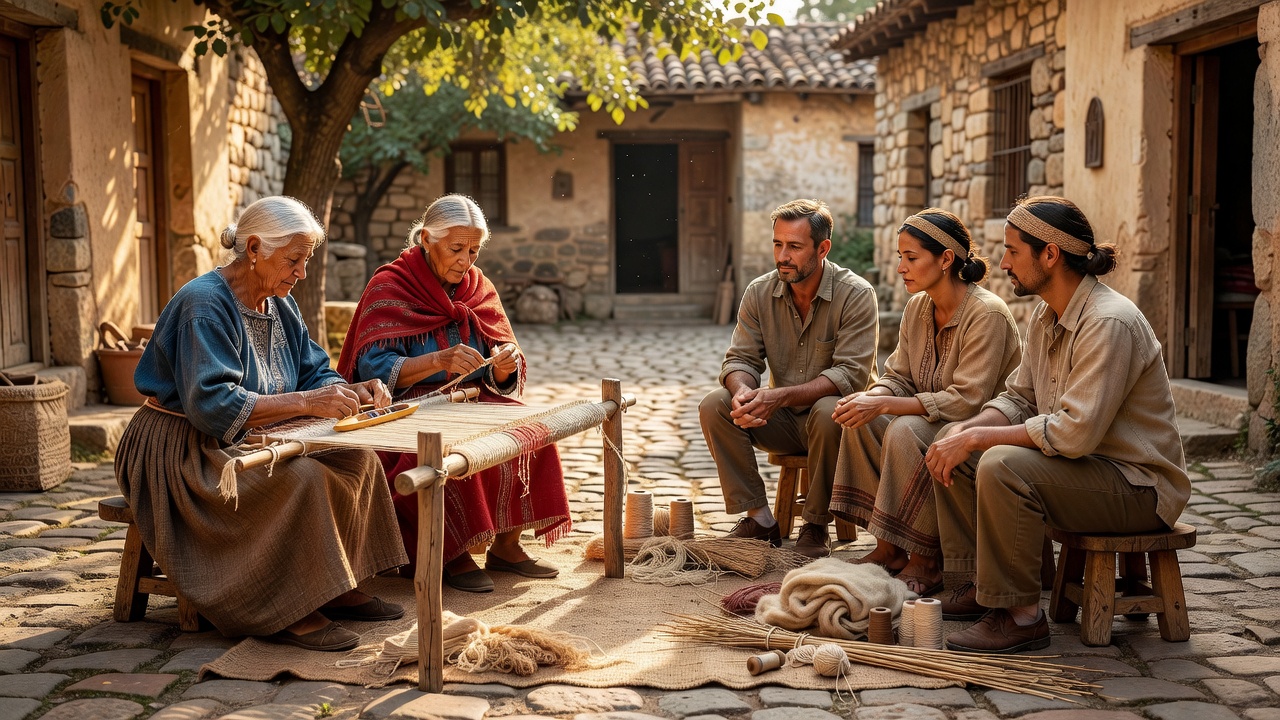
Authentic villages often maintain centuries-old customs, crafts, and festivals that mainstream tourism has overlooked. Look for communities where daily life revolves around agriculture, storytelling, or artisanal work rather than souvenir shops. Regions in Eastern Europe, rural Southeast Asia, and remote Andean areas frequently host such gems. Focus on places with active community councils that welcome visitors only in small groups to preserve their way of life. Additional indicators include villages listed in local heritage inventories but absent from major guidebooks, or those participating in slow tourism networks. Pay attention to signs of ongoing traditions like weekly markets selling handmade goods or elders teaching younger generations traditional dances in public squares.
Practical Steps for Respectful Community Engagement
Building trust starts before arrival. Research local customs through official cultural resources and contact village representatives directly. Arrive with gifts from your home region that support sustainability, such as seeds or educational materials. Participate in activities only when invited, and always ask permission before photographing people or ceremonies. Support local economies by purchasing directly from artisans and dining at family-run eateries. Here are expanded steps to ensure positive interactions:
- Learn basic phrases in the local language to show respect and break the ice during initial meetings.
- Follow dress codes and avoid disruptive behavior by observing how residents interact in shared spaces.
- Contribute to community projects if opportunities arise, such as helping with seasonal harvests or environmental cleanups.
- Leave no trace by carrying out all waste and using eco-friendly products to minimize environmental impact.
- Share your own cultural stories in return to create mutual exchange rather than one-sided observation.
These steps foster long-term relationships and help villages maintain their autonomy.
Mainstream Tourist Sites vs Hidden Cultural Alternatives
Popular destinations like Machu Picchu or Santorini deliver iconic views but often feel commercialized with high volumes of visitors and standardized experiences. In contrast, hidden alternatives such as quiet mountain hamlets in Romania or fishing villages in the Philippines offer unfiltered access to traditions. These spots provide slower pacing, deeper storytelling, and stronger personal connections while avoiding long lines and inflated prices. The difference becomes clear when comparing daily routines: mainstream sites feature timed entries and staged performances, whereas hidden gems allow spontaneous participation in real-life activities like communal cooking or folk music sessions. This shift aligns with growing interest in responsible travel promoted by organizations like UNESCO.
Real-World Examples from Lesser-Known Regions
Consider the village of Viscri in Romania, where Saxon heritage and organic farming thrive with minimal outside influence. Visitors can join bread-baking sessions and learn about fortified churches through resident-led tours. Another example is the community of Taquile on Lake Titicaca in Peru, known for its unique textile traditions and collective decision-making. Here, travelers experience homestays that highlight Quechua customs without large tour groups. Further afield, the hamlet of Shirakawa-go in Japan’s remote mountains preserves thatched-roof farmhouses and seasonal festivals, offering hands-on workshops in indigo dyeing. In Ethiopia’s highlands, the village of Lalibela outskirts provides access to ancient rock-hewn churches through local guides who share oral histories passed down for generations. These examples demonstrate how diverse regions maintain vibrant cultures when tourism remains small-scale and community-controlled.
Optimal Timing for Visits in 2026 to Avoid Crowds
Plan trips during transitional months when weather supports travel but tourist volumes remain low. Early spring or late autumn in temperate zones often yields ideal conditions. Monitor local festival calendars to align with authentic events rather than peak summer holidays. For 2026, targeting March-April or September-October windows in many regions helps maintain the intimate atmosphere these communities value. In tropical areas, avoid monsoon peaks and instead choose dry shoulder periods like May or November. Checking regional climate data and community event listings in advance ensures your visit coincides with natural rhythms rather than imposed tourist schedules.
Packing and Etiquette Essentials
Pack versatile, modest clothing layers suited to rural environments, including sturdy walking shoes and a reusable water bottle. Include a small notebook for cultural notes and modest gifts. Etiquette priorities include greeting elders first, removing shoes when entering homes, and declining food only politely. Always confirm photography rules in advance and prioritize listening over speaking during conversations. Additional items worth bringing are a basic first-aid kit, insect repellent for outdoor activities, and a portable charger for translation apps. When it comes to etiquette, avoid topics like politics unless raised by hosts, and express gratitude through small acts such as helping with chores. These preparations demonstrate cultural sensitivity and enhance the quality of your immersion experience.
Frequently Asked Questions
How do I ensure my visit supports rather than disrupts local culture?
Choose operators or hosts endorsed by community organizations and limit group size to under six people. Prioritize longer stays that allow organic relationship building and direct economic benefits to residents.
Are these hidden gems accessible for travelers with mobility needs?
Many villages feature uneven terrain, so research specific accessibility reports from recent visitors or contact hosts directly. Some offer adapted homestays upon request, though infrastructure varies widely.
What if language barriers make engagement difficult?
Basic translation apps combined with non-verbal gestures often suffice. Local guides familiar with your language can bridge gaps when needed, turning potential obstacles into learning opportunities.
How can I verify the authenticity of a hidden gem before booking?
Cross-reference community websites, recent traveler testimonials on independent forums, and official tourism board listings to confirm that the experience is resident-led rather than commercially packaged.
Conclusion
Cultural hidden gems reward thoughtful travelers with unforgettable connections to living traditions. By prioritizing respect, preparation, and off-peak timing, your 2026 journey can create positive impact while delivering authentic immersion far from typical tourist paths.

No comments yet. Be the first!