 PlaceBee
Introduction: Embracing Slow Travel by Rail in 2026
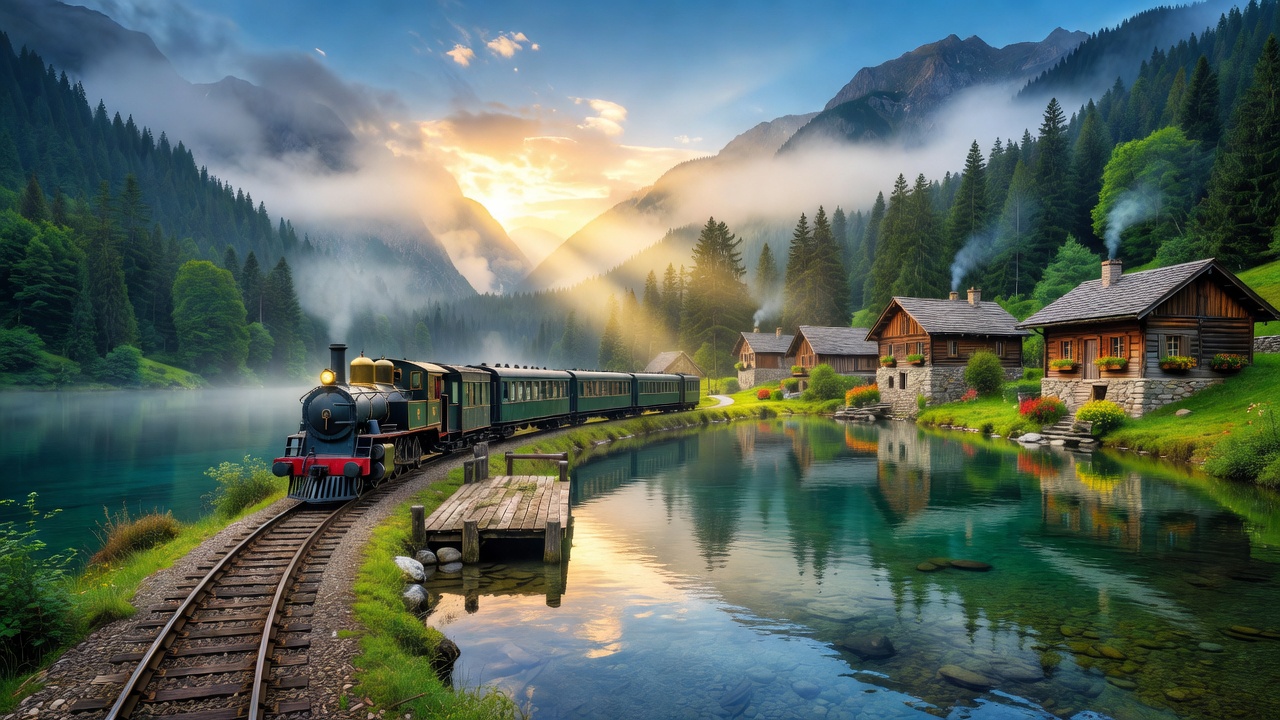
In an era of overtourism and fast-paced trips, hidden gems by rail offer a refreshing alternative that prioritizes meaningful experiences over rushed itineraries. Scenic train routes provide access to secret spots that flights often bypass entirely, promoting sustainable travel with significantly lower carbon footprints and far fewer crowds at each destination. As 2026 approaches, more travelers are actively seeking off-the-beaten-path experiences via rail, aligning perfectly with the growing global interest in slow travel that values immersion, local connections, and environmental responsibility above speed and convenience.
This comprehensive guide explores underrated destinations reachable primarily by train, covering top rail lines with hidden stations, practical packing and timing advice, detailed comparisons with other transport modes, and real-world examples drawn from Europe, North America, Asia, and beyond. Whether planning a solo adventure, a romantic getaway, or a family journey, these routes unlock authentic local cultures, breathtaking landscapes, and tranquil escapes that mass tourism rarely reaches.
Top Rail Lines Featuring Secret Station Stops
Several scenic rail networks conceal lesser-known stops ideal for intimate exploration. In Europe, the Eurail network links routes such as Switzerland's Glacier Express, where tiny stations near remote Alpine villages grant access to untouched meadows, crystal streams, and traditional chalets untouched by large tour groups. Further north, Norway's scenic lines feature halts that open onto fjord-side hamlets rarely seen by cruise passengers.
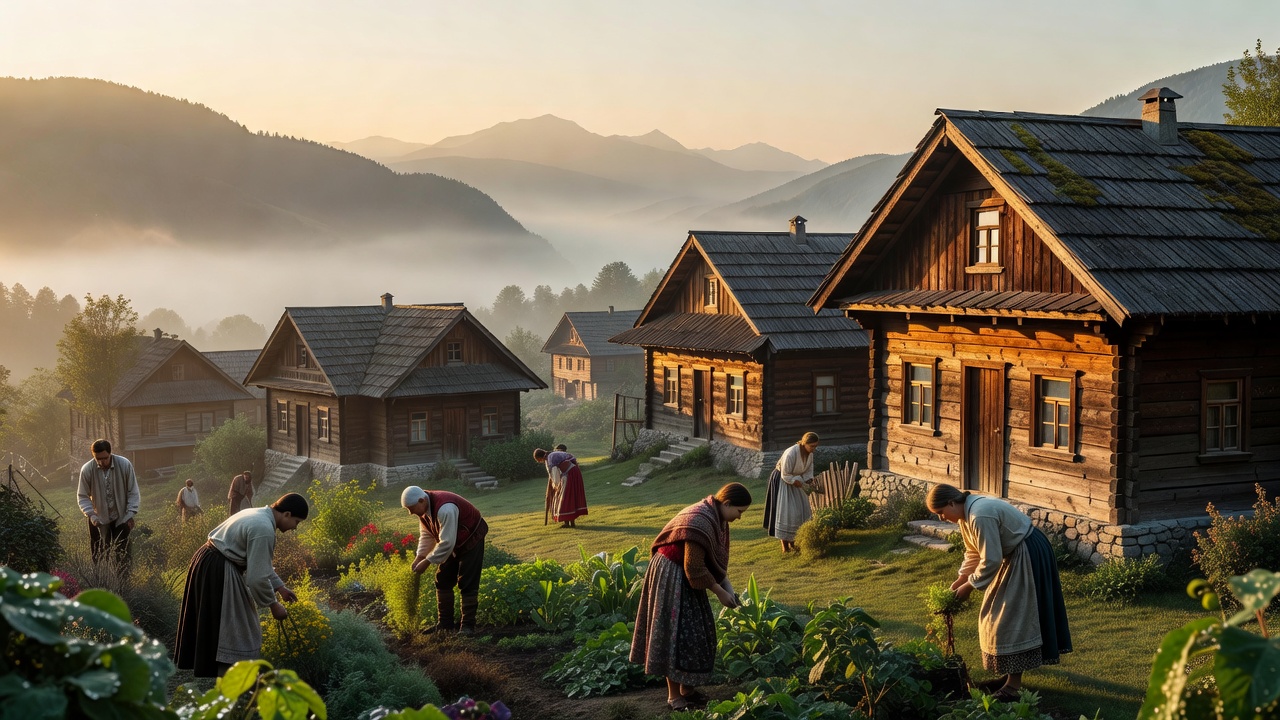
North America's offerings include Amtrak's Empire Builder and California Zephyr, with wilderness stops in Montana and Colorado that lead directly to hidden lakes, wildflower fields, and hiking trails. Canada's VIA Rail network provides similar remote access through the Rockies and Prairies. In Asia, Japan's regional lines pause at rural onsen towns and mountain shrines, while India's narrow-gauge hill railways deliver travelers to misty tea estates and colonial-era outposts. These stops typically lack the infrastructure of major hubs, preserving their quiet charm and offering genuine encounters with local life.
Packing and Timing Tips for Rail Adventures
Thoughtful preparation transforms any rail journey into a seamless adventure. Pack light with versatile layers suited to changing climates, supportive walking shoes for station-to-village walks, a reusable water bottle, and a compact daypack for side explorations. Essential items also include a portable charger, noise-canceling headphones, and offline navigation apps for areas with limited connectivity.
Strategic timing maximizes enjoyment and minimizes crowds. Shoulder seasons such as late spring and early autumn deliver pleasant weather, blooming or golden landscapes, and sparse visitor numbers. Research local festivals or harvest periods in advance to align arrivals with authentic community events at secret stops. Always verify seasonal train schedules, as some scenic routes reduce service during winter months.
- Review flexible rail passes that allow hop-on, hop-off flexibility at lesser-known stations.
- Reserve nearby lodging within walking distance of platforms to simplify transfers with luggage.
- Stock up on regional snacks and picnic supplies from station markets to enjoy onboard while admiring views.
- Carry a small first-aid kit and any necessary medications, as remote stops may have limited services.
Train Travel Versus Flights and Cars: A Clear Comparison
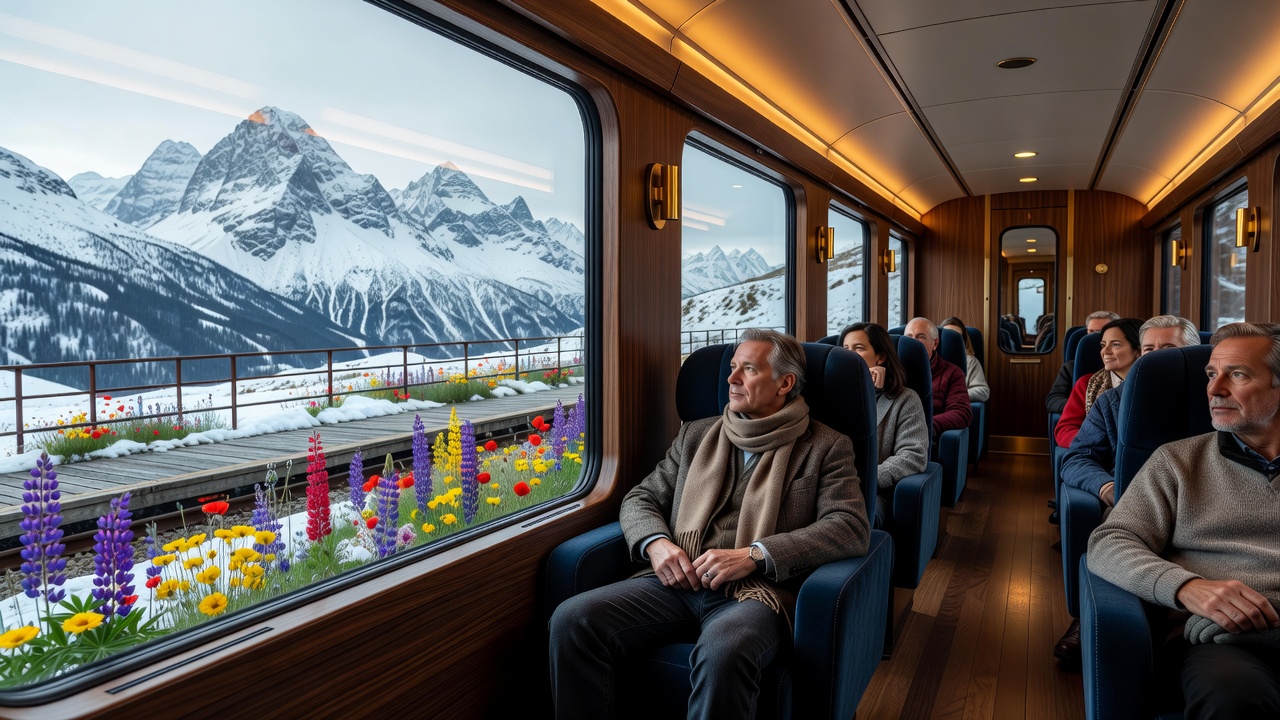
Trains stand out for scenic routes by delivering panoramic, uninterrupted views without the fatigue of driving or the confinement of airplane cabins. Compared to flights, rail travel dramatically cuts emissions, eliminates lengthy security lines and layovers, and allows spontaneous stops at hidden gems. Automobiles offer route flexibility yet often isolate travelers from the surrounding scenery while adding stress from traffic, parking, and navigation.
For discovering secret spots, trains provide a distinct advantage by depositing passengers directly at village edges or trailheads, encouraging serendipitous discoveries impossible when arriving by air. The sustainability advantages, combined with onboard amenities like dining cars and observation lounges, make rail the preferred choice for environmentally conscious explorers seeking deeper connections in 2026.
Real-World Examples from Various Regions
Norway's Flåm Railway exemplifies rail hidden gems, with lesser-known halts revealing fjord-side communities and waterfall viewpoints far removed from cruise crowds. In Canada, VIA Rail stops in British Columbia open pathways into ancient rainforests and glacial lakes accessible only by foot from the platform. Australia's The Ghan train pauses at remote outback stations that connect to Aboriginal cultural sites and vast desert landscapes seldom visited by independent travelers.
Europe offers further treasures, such as Portugal's Douro Valley line stopping at terraced vineyard hamlets, and Romania's mountain railways leading to fortified churches and traditional villages. Asia's examples include Thailand's northern routes to hill-tribe markets and South Korea's lesser-used lines reaching coastal fishing ports. These diverse cases demonstrate how rail unlocks cultural and natural variety while supporting low-impact tourism.
Step-by-Step Guide to Planning Your Rail Trip
- Define core interests such as nature immersion, cultural heritage, or light adventure to narrow suitable rail corridors and secret stops.
- Compare multi-day or multi-country rail passes against individual tickets, factoring in flexibility for spontaneous detours at hidden stations.
- Map specific lesser-known platforms using official timetables and traveler forums, noting transfer times and nearby walking paths or local buses.
- Secure accommodations and any required reservations several months ahead, especially for popular scenic segments during 2026 shoulder seasons.
- Incorporate sustainability measures such as carbon-offset options offered by operators and choosing refillable water stations over single-use plastics.
- Build buffer days into the itinerary to accommodate weather delays, extended explorations, or unexpected discoveries along the route.
- Review safety protocols, insurance coverage, and emergency contacts for remote areas before departure.
Cost Breakdowns and Budgeting Insights
Rail journeys frequently deliver strong value for multi-stop itineraries when leveraging passes instead of point-to-point fares. Budget considerations typically include pass purchases, onboard meals, local transport from stations, and entrance fees for attractions near secret stops. Many hidden gems offer free or low-cost activities such as self-guided hikes, village strolls, and scenic viewpoints. Qualitative savings arise from avoiding airport transfers, baggage fees, and car rentals, allowing travelers to allocate resources toward longer stays and richer experiences throughout 2026.
FAQ on Safety, Bookings, and More
Is train travel safe for solo explorers at remote stops?
Major scenic operators maintain rigorous safety standards with staffed platforms, onboard personnel, and clear emergency procedures, making remote stations generally secure for independent travelers who remain aware of surroundings.
How far in advance should tickets and passes be booked?
Popular routes and flexible passes benefit from reservations three to six months ahead for 2026 travel, particularly during shoulder periods when availability can fill quickly due to rising demand for sustainable options.
What accessibility features exist at lesser-known stations?
Many networks now provide ramps, assistance services, and priority seating; prospective travelers should contact operators directly for details on specific hidden stops and arrange support in advance.
Are there restrictions on luggage when hopping between secret stations?
Most trains accommodate standard luggage allowances, but space can be limited on scenic routes; travelers are advised to pack compactly and use station storage where available.
Conclusion: Why 2026 Is Perfect for Rail Hidden Gems
With rising emphasis on sustainable and meaningful tourism, 2026 represents an exceptional opportunity to explore secret spots by rail. These journeys foster genuine connections with places and communities while minimizing environmental impact. Begin planning now to experience the quiet magic of hidden gems accessible only by scenic train routes.

No comments yet. Be the first!