 PlaceBee
Introduction to the World's Most Overlooked Desert Destinations
Travelers seeking authentic desert experiences in 2026 are turning away from overcrowded icons like the Sahara's popular dunes or Arizona's Grand Canyon viewpoints. Instead, they are discovering remote gems that offer solitude, rich biodiversity, and cultural depth. This guide highlights three standout regions: Namibia's isolated dunes, Bolivia's lesser-known salt flat extensions, and hidden Australian outback sites. These spots combine wildlife encounters, stargazing under pristine skies, and meaningful interactions with local communities. The growing interest in off-the-beaten-path escapes reflects a broader shift toward sustainable and immersive travel that prioritizes preservation over popularity.
Whether planning a solo trek or a small-group adventure, these destinations deliver transformative journeys. Focus remains on sustainable practices to preserve fragile ecosystems for future visitors. Real traveler stories illustrate how these hidden areas provide deeper connections than mainstream hubs, with opportunities for personal growth through cultural exchange and nature immersion.
Namibia's Remote Dunes: Beyond the Tourist Trails
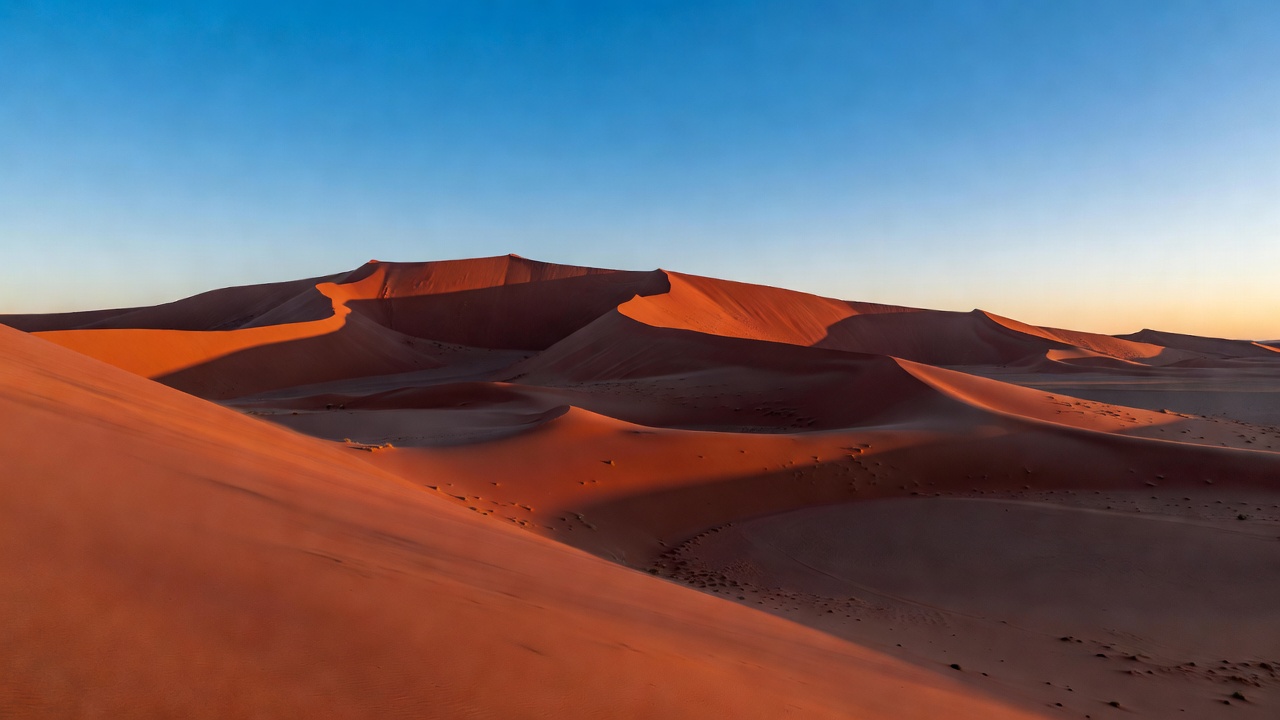
Namibia's vast landscapes hide extraordinary dune systems away from Sossusvlei crowds. The Skeleton Coast's northern reaches feature towering sand formations shaped by Atlantic winds, perfect for guided hikes that reveal ancient shipwrecks and desert-adapted wildlife like desert elephants. Further inland, areas such as the NamibRand Nature Reserve offer private concessions where visitors can experience vast red sands without any other groups in sight. These locations support unique flora and fauna adapted to extreme aridity, including the famous welwitschia plant that can live for over a thousand years.
Travelers can join community-led tours with the Himba people, learning traditional survival techniques in arid conditions. Stargazing here ranks among the world's best due to minimal light pollution, allowing clear views of the Milky Way and southern constellations. A typical itinerary involves multi-day 4x4 excursions with overnight camps under the stars. One traveler case study involves a photographer who spent two weeks documenting the transition from day to night, capturing how the dunes change color hourly while observing nocturnal creatures like the aardwolf.
Practical Planning for Namibia
- Best season: May to October for cooler temperatures and clear skies, avoiding the intense summer heat that can exceed 40 degrees Celsius.
- Permits: Required for certain conservancies; obtain via local operators who coordinate with community boards to ensure fair revenue distribution.
- Wildlife: Spot oryx, jackals, and rare birds during early morning drives, with chances to see black rhinos in protected zones through careful tracking.
- Accommodation options range from mobile tented camps to simple eco-lodges built with local materials to blend into the landscape.
Bolivia's Salt Flat Extensions: Untouched Uyuni Peripheries
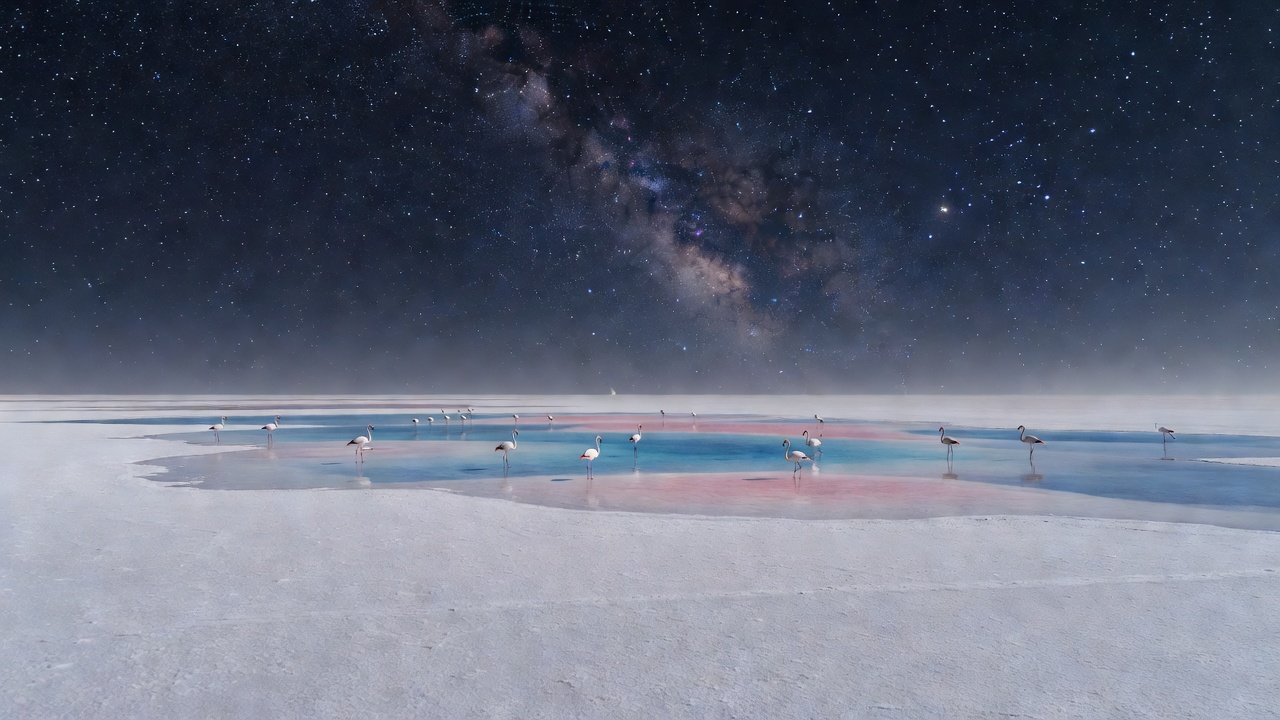
While Salar de Uyuni draws attention, its eastern extensions near the Eduardo Avaroa Reserve offer quieter alternatives. These vast white expanses transition into colorful lagoons teeming with flamingos. Hidden geothermal springs and volcanic craters provide additional exploration opportunities, such as the surreal landscapes around the Siloli Desert where wind-sculpted rocks create otherworldly formations. Visitors often combine these with hikes to high-altitude lakes where Andean wildlife thrives.
Cultural immersion comes through Aymara village stays where visitors learn traditional quinoa farming and textile weaving. Night skies here offer exceptional clarity for astronomy enthusiasts, with guided sessions explaining Andean constellations. A recent case study featured a group of educators who participated in a week-long program teaching sustainable agriculture, returning home with new perspectives on climate resilience in arid regions.
Safety and Logistics Compared to Popular Hubs
Unlike busy Moroccan desert camps, these Bolivian sites require careful altitude acclimatization above 3,500 meters. Group travel with licensed guides reduces risks compared to independent exploration in more commercialized areas like Jordan's Wadi Rum. Practical steps include gradual ascent over several days, hydration protocols, and monitoring for altitude sickness symptoms. Travelers report that preparation makes these sites safer and more rewarding than crowded alternatives where infrastructure can sometimes feel overwhelming.
Australia's Hidden Outback Gems
Australia's interior conceals remarkable sites beyond Uluru. The remote MacDonnell Ranges feature ancient gorges and rock art sites accessible only by rugged tracks. Karijini National Park in the Pilbara offers deep canyons with swimming holes and unique wildlife like rock wallabies. Additional hidden spots include the vast expanses of the Tanami Desert where Indigenous communities share stories of Dreamtime through guided walks.
Stargazing tours in these areas connect travelers with Indigenous astronomy stories. Small-group operators emphasize low-impact camping to protect sacred lands. One inspiring example comes from a solo traveler who joined a multi-week outback expedition, learning bush tucker foraging techniques and contributing to citizen science projects tracking desert reptiles.
Sustainable Travel Practices for Desert Regions
Responsible tourism starts with choosing operators certified by international standards. Leave no trace principles apply strictly: pack out all waste and avoid disturbing fragile desert crusts. Support local economies by purchasing crafts directly from artisans and participating in community benefit programs. Resources from UNESCO World Heritage provide guidelines on protecting desert sites. Similarly, UN Tourism outlines best practices for low-impact desert travel. Additional guidance can be found through World Health Organization recommendations for health in extreme environments.
Essential Packing Checklist
- Layered clothing for extreme temperature swings, including thermal base layers and breathable outer shells.
- High-SPF sunscreen and wide-brimmed hat to combat intense UV radiation.
- Reusable water bottles with purification tablets or filters for self-sufficiency.
- Binoculars for wildlife spotting and a quality camera with extra batteries.
- Portable solar charger for devices in areas without electricity access.
- Lightweight tent and sleeping bag rated for cold nights, plus a comfortable sleeping pad.
- First aid kit with altitude medication, blister prevention, and personal medications.
- Navigation tools including offline maps and a satellite communicator for emergencies.
Step-by-Step Planning Guide
1. Research visa requirements and book flights to regional hubs six months ahead to secure better availability on smaller carriers.
2. Select eco-certified operators for guided experiences, verifying their sustainability credentials through reviews and certifications.
3. Arrange vaccinations and travel insurance covering remote evacuations well in advance of departure.
4. Prepare detailed itineraries with backup routes for weather changes, consulting local weather services regularly.
5. Engage with local communities respectfully through pre-arranged cultural programs that include fair compensation.
6. Monitor environmental conditions and adjust plans to avoid sensitive periods like breeding seasons for local wildlife.
FAQs
What are the best seasons to visit these desert hidden gems?
Optimal windows align with cooler, drier months: May-October in Namibia and Australia, April-November in Bolivia to avoid extreme heat and rains that can make roads impassable.
Do I need special permits?
Yes, many remote areas require permits for conservation zones. Licensed tour operators typically handle applications in advance, ensuring compliance with local regulations.
How can I minimize environmental impact?
Stick to marked trails, use refillable containers, and choose operators with carbon offset programs. Support reforestation initiatives where available and participate in cleanup activities during visits.
These destinations reward those who venture off the beaten path with unforgettable memories while preserving their pristine character for years ahead. Careful planning ensures safe, enriching experiences that benefit both travelers and the communities they encounter.

No comments yet. Be the first!