 PlaceBee

Introduction to Off-the-Beaten-Path Wildlife Encounters
Travelers seeking authentic wildlife experiences in 2026 are increasingly turning away from overcrowded safari hotspots toward lesser-known destinations. These hidden gems offer intimate encounters with rare species while supporting conservation and minimizing environmental impact. This guide explores 8-10 secret animal spots across the globe, complete with seasonal viewing windows, ethical practices, and real-world insights. The shift toward sustainable tourism reflects growing awareness of overtourism's harm to ecosystems, encouraging visitors to explore places where human footprints remain light. By choosing these locations, travelers can witness biodiversity hotspots that feel untouched, fostering deeper connections with nature and contributing to long-term protection efforts. Whether drawn by endemic birds, elusive mammals, or pristine landscapes, planning with intention transforms trips into meaningful adventures that benefit both wildlife and local communities.
From remote islands to lesser-visited national parks, these locations prioritize low-impact tourism. Whether you're drawn by unique biodiversity or the chance to contribute to habitat protection, planning ahead ensures sustainable visits that avoid the pitfalls of mass tourism seen in more famous reserves.
8 Underrated Wildlife Destinations for 2026
1. Socotra Island, Yemen
Known for its alien-like dragon blood trees, Socotra hosts endemic reptiles and birds found nowhere else. Peak viewing for the Socotra sunbird runs from January to March 2026, when mild temperatures enhance spotting opportunities amid the island's unique flora. Travelers can join small guided tours that emphasize habitat restoration, allowing close observation of species like the Socotra chameleon without disturbing their environment. This UNESCO site remains relatively inaccessible, preserving its isolation from large crowds.
2. Bwindi Impenetrable Forest, Uganda
Beyond mountain gorillas, this UNESCO site shelters rare birds and primates. Guided treks emphasize community-led conservation, with local rangers sharing knowledge about the forest's delicate balance. Visitors often encounter chimpanzees and colorful hornbills during multi-day hikes, experiencing the dense canopy's rich layers firsthand. The area's steep terrain naturally limits visitor numbers, creating a more personal wildlife immersion compared to busier East African parks.
3. Kamchatka Peninsula, Russia
Brown bears and Steller's sea eagles thrive in volcanic landscapes. Summer 2026 offers prime salmon-run viewing windows, where bears gather along rivers in spectacular displays of natural behavior. Expeditions here combine wildlife watching with geothermal exploration, revealing how volcanic activity shapes ecosystems. Limited infrastructure keeps tourism minimal, appealing to those seeking true wilderness solitude.
4. Yasuni National Park, Ecuador
One of the most biodiverse places on Earth, home to jaguars, tapirs, and countless bird species. Low visitor numbers preserve its pristine state, with canopy towers providing elevated views of monkeys and macaws. Indigenous communities collaborate on tours that highlight sustainable practices, offering insights into traditional knowledge alongside modern conservation. This Amazonian gem rewards patient observers with rare sightings of elusive cats and amphibians.
5. Fiordland National Park, New Zealand
Fiordland crested penguins and kea parrots inhabit dramatic fjords. Spring months provide optimal nesting observations, allowing quiet approaches to colonies along coastal trails. The park's rugged terrain and frequent rainfall create dramatic backdrops for photography while deterring large tour groups. Kayak excursions reveal marine life interactions in sheltered waters, blending terrestrial and aquatic wildlife experiences seamlessly.
6. Danum Valley, Malaysia
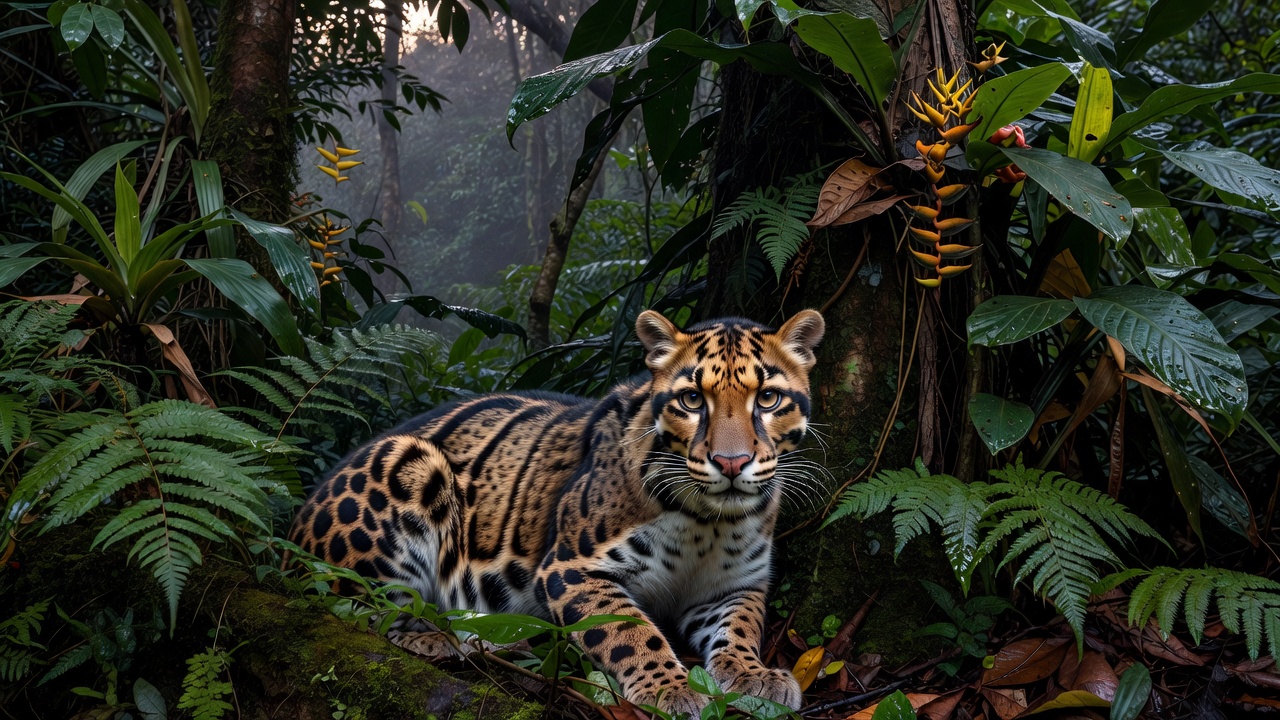
Borneo's ancient rainforest shelters clouded leopards and orangutans. Night safaris reveal nocturnal wildlife rarely seen elsewhere, including slow lorises and civets under starlit skies. Elevated walkways enable silent movement through the canopy, increasing chances of daytime primate encounters. Research stations in the area support ongoing studies, giving visitors access to expert-led sessions on rainforest ecology and threats from deforestation.
7. Pantanal Wetlands, Bolivia
The lesser-visited Bolivian side of the Pantanal features giant otters and hyacinth macaws with fewer crowds than Brazil. Boat safaris navigate seasonal floods, bringing travelers close to caimans and capybaras in their natural rhythms. Community lodges provide authentic cultural exchanges, highlighting local efforts to combat poaching and habitat loss. Dry season months offer concentrated wildlife viewing around shrinking water sources.
8. Wrangell-St. Elias National Park, Alaska
Remote glaciers and vast wilderness host Dall sheep and grizzlies. Late summer 2026 is ideal for salmon and berry foraging sightings, where bears demonstrate foraging techniques observable from safe distances. Multi-day backpacking routes traverse diverse terrains from tundra to ice fields, encountering migratory birds and mountain goats along the way. The park's immense size ensures solitude even during peak seasons.
Additional spots like Madagascar's Tsingy de Bemaraha and Chile's Torres del Paine extensions round out the list for specialized travelers seeking unique geological and faunal combinations.
Ethical Travel Practices for Wildlife Encounters
Responsible tourism starts with choosing operators certified by reputable organizations. Always maintain distance from animals, avoid flash photography, and follow local guidelines to protect habitats. Supporting community-based initiatives ensures benefits flow directly to conservation efforts. World Wildlife Fund resources highlight best practices for minimizing disturbance, including education on avoiding single-use plastics and respecting breeding seasons. Travelers should also research operator credentials thoroughly, prioritizing those that employ local staff and reinvest in habitat restoration projects. Ethical encounters extend beyond observation to active participation, such as citizen science programs where visitors contribute data on species populations.
Packing Essentials for Remote Areas
- Layered, neutral-colored clothing for varying climates and to avoid startling wildlife
- High-quality binoculars and a zoom lens for photography without close approaches
- Reusable water bottles and biodegradable toiletries to reduce environmental footprint
- Portable power banks and offline maps for navigation in areas without cell service
- Insect repellent and first-aid supplies tailored to regional risks like tropical diseases or altitude
- Lightweight tents or hammocks for overnight stays in designated low-impact zones
- Field guides and notebooks for recording observations to share with conservation databases
These items prepare adventurers for unpredictable conditions while emphasizing sustainability over convenience.
Cost Comparisons Versus Popular Safari Spots
These hidden gems often deliver comparable or superior immersion at lower overall expense than mainstream destinations like the Serengeti or Kruger National Park. Focus on smaller group sizes and local lodging reduces per-person outlays while enhancing exclusivity and allowing more time for meaningful interactions with nature.
Real Traveler Case Studies
One couple documented their 2025 visit to Socotra, noting how guided tours supported reforestation projects and led to sightings of rare reptiles they had only read about. They emphasized the value of staying in eco-camps that employed local families, creating economic incentives for preservation. Another solo traveler in Danum Valley captured rare footage of a clouded leopard during a night trek, crediting local rangers for safe access and educational briefings that enhanced the experience. A family group explored the Bolivian Pantanal, participating in otter monitoring activities that contributed to ongoing research while enjoying intimate boat-based observations unavailable in busier regions.
Step-by-Step Guide for Planning Low-Impact Visits
- Research seasonal windows using conservation calendars to align visits with peak yet sustainable viewing periods.
- Select certified eco-operators with small group limits to ensure minimal disturbance and personalized guidance.
- Obtain necessary permits well in advance through official channels, respecting quotas designed to protect fragile areas.
- Book carbon-offset flights and train travel where possible, calculating personal impact and choosing lower-emission routes.
- Prepare a detailed itinerary emphasizing leave-no-trace principles, including waste management and wildlife etiquette training.
- Engage with local communities upon arrival for cultural context, supporting artisans and learning traditional stewardship methods.
- Document and share ethical experiences post-trip to inspire others while donating to verified conservation funds.
FAQ: Safety, Permits, and Photography Tips
What safety measures are essential?
Travel with experienced guides, carry satellite communicators in remote zones, and stay updated on regional advisories from trusted sources. Always inform someone of your itinerary and carry adequate medical supplies for potential isolation.
Do I need special permits?
Many sites require advance applications through park authorities; check official tourism portals early to secure spots and understand restrictions on group sizes or activities.
How can I improve wildlife photography ethically?
Use long lenses, avoid flash, and prioritize animal welfare over perfect shots. National Geographic offers excellent ethical guidelines that stress patience and non-interference.
What about seasonal weather challenges?
Prepare for extremes by checking forecasts and packing adaptable gear; many hidden gems experience sudden changes that enhance the adventure when handled responsibly.
Conclusion
Exploring these wildlife hidden gems in 2026 promises transformative encounters while fostering genuine conservation. By prioritizing ethics and preparation, travelers can enjoy unforgettable moments that benefit both nature and local communities, ensuring these secret spots remain vibrant for future generations seeking authentic immersion.


No comments yet. Be the first!