 PlaceBee

Introduction: Understanding Hidden Gems in 2026
In an era of overtourism, travelers increasingly seek authentic experiences away from crowded hotspots. Defining hidden gems requires clear criteria that distinguish them from mainstream attractions. This guide provides a framework for identifying underrated destinations based on accessibility, crowd levels, cultural depth, and sustainability practices. As global travel rebounds strongly in 2026, digital tools and climate awareness have transformed how explorers evaluate potential secret spots. What once felt remote may now be reachable via improved eco-transport or offline apps, yet true hidden gems maintain exclusivity through deliberate low-impact design and community stewardship.
By applying structured evaluation methods, travelers can discover places that deliver meaningful connections without contributing to environmental strain or cultural erosion. This beginner-focused resource equips readers with actionable insights drawn from multiple continents and real traveler scenarios.
What Separates Hidden Gems from Popular Attractions
Mainstream sites like Machu Picchu or the Eiffel Tower draw millions annually, offering extensive infrastructure but often sacrificing intimacy and tranquility. Hidden gems, by contrast, prioritize preservation and personal discovery. They feature limited marketing, challenging terrain, or community-led access that keeps visitor numbers deliberately low. Popular destinations invest heavily in crowd management systems, shuttle services, and commercial amenities, whereas hidden gems rely on natural barriers such as rugged trails, seasonal weather patterns, or strict local regulations.
Direct comparisons highlight these contrasts: while iconic landmarks promote high-volume tourism with timed entries and souvenir markets, hidden gems foster quiet reflection and genuine interaction. This distinction helps travelers avoid the fatigue of overtourism and instead support destinations that benefit from mindful visitation. In 2026, the rise of regenerative travel further emphasizes why hidden gems represent a shift toward quality over quantity in exploration.
Core Criteria for Secret Spots
Low Accessibility
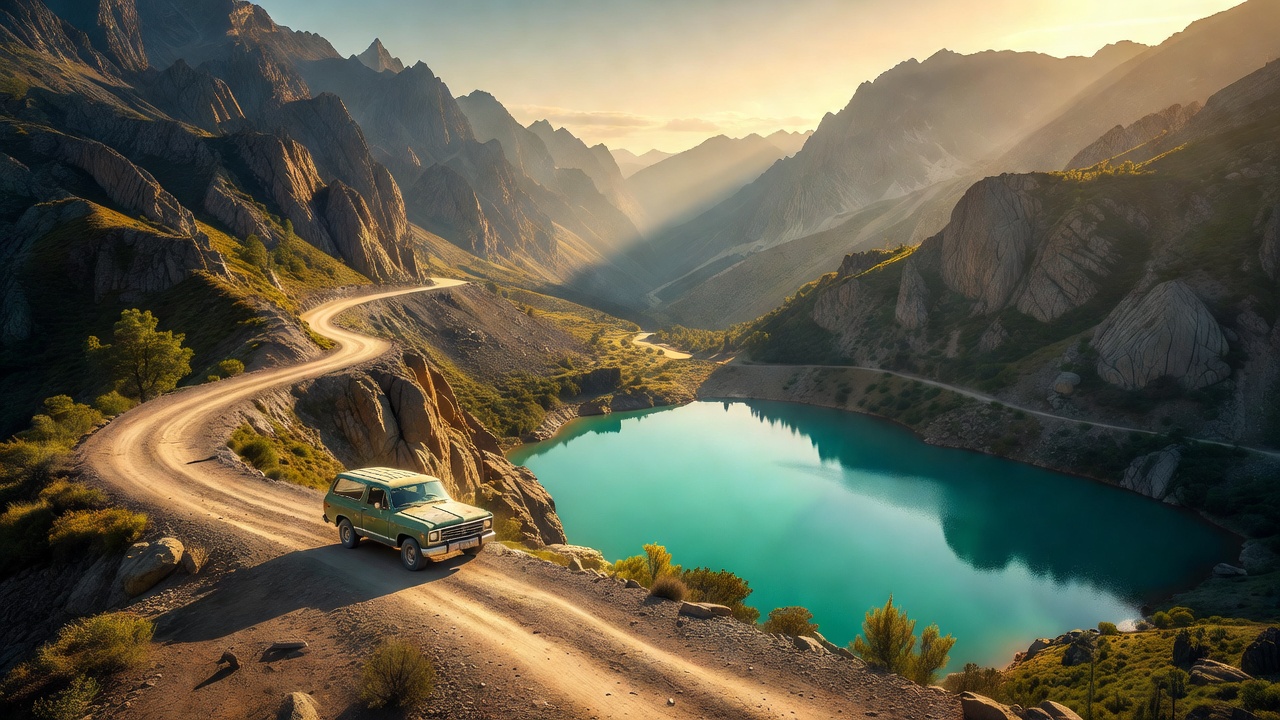
True hidden gems demand physical or logistical effort. Locations requiring multiple modes of transport, seasonal road closures, special permits, or multi-day treks score highly on this metric. For instance, remote trails in Patagonia or lesser-known fjords in Norway exemplify natural barriers that filter out casual visitors. Accessibility also considers digital isolation—many gems lack reliable cell service, encouraging offline navigation and deeper immersion. When assessing a potential spot, examine topographic maps, local transport schedules, and permit requirements from regional authorities to gauge true remoteness.
Minimal Crowds
Daily visitor counts remaining under a few hundred define these destinations. Unlike iconic landmarks that manage thousands per day, hidden gems offer solitude even during peak travel seasons. This low density protects fragile ecosystems, preserves wildlife behavior, and enhances the personal sense of discovery. Travelers should review recent park service reports or community tourism statistics to confirm current crowd levels before planning trips.
Cultural Uniqueness
Authentic traditions, indigenous practices, or rare historical sites set hidden gems apart from homogenized tourist zones. Communities that maintain living heritage without heavy commercialization create memorable, respectful encounters. Look for places where local customs remain integral to daily life, such as traditional farming methods or storytelling sessions passed through generations. These elements foster educational value and mutual respect between visitors and residents.
Sustainability Metrics
Strong environmental policies, low carbon footprints, and regenerative tourism models are essential in 2026. Seek sites aligned with UNESCO principles or local conservation programs that actively measure biodiversity impact, waste reduction, and water conservation. Additional indicators include partnerships with organizations like UNWTO for responsible tourism guidelines and IUCN standards for protected areas. These metrics ensure long-term viability rather than short-term exploitation.
Real-World Examples Across Continents
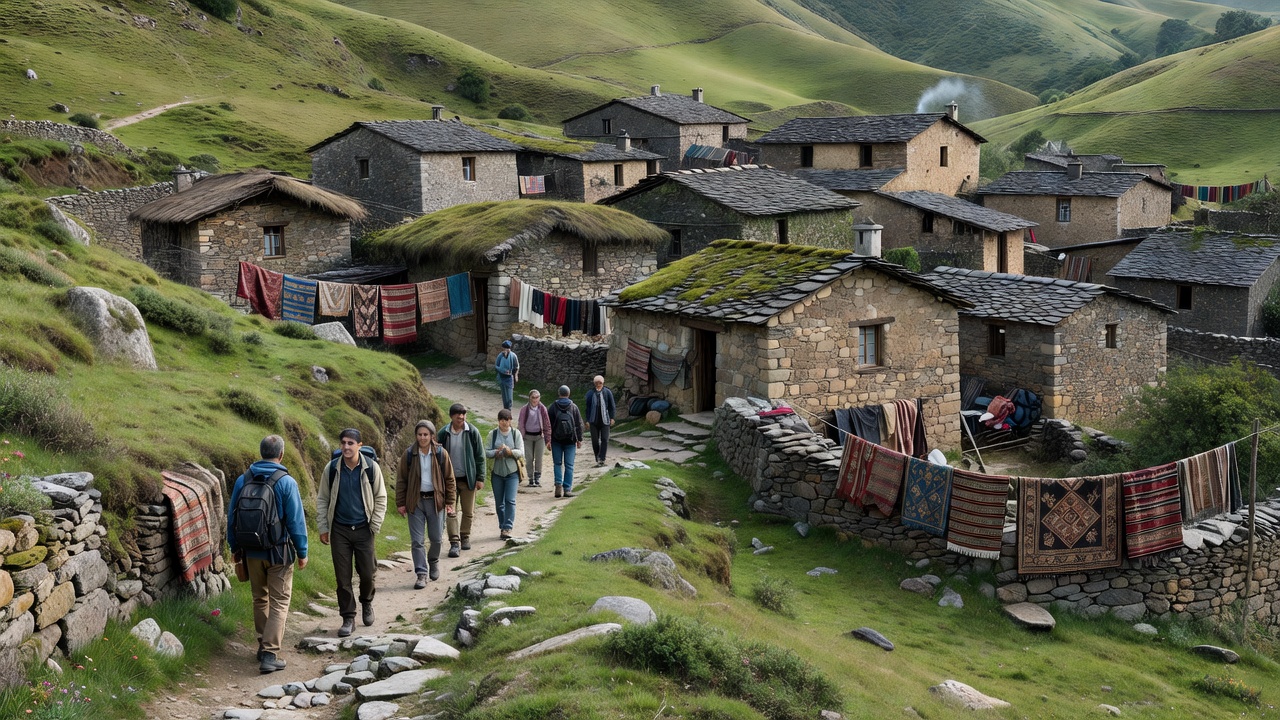
Asia offers gems like the hill tribes of northern Laos, where limited roads and community homestays preserve ancient traditions amid mountainous terrain. Africa features hidden oases in Namibia’s deserts managed by local conservancies that integrate wildlife protection with visitor education. Europe boasts secluded villages in the Italian Dolomites accessible only by narrow switchback roads, maintaining medieval architecture and alpine farming practices. South America includes untouched Amazonian outposts in Peru reached via multi-day river journeys, emphasizing indigenous knowledge and rainforest stewardship. North America showcases quiet coastal inlets in British Columbia, where old-growth forests and First Nations heritage sites remain largely unpublicized. Australia’s remote outback waterholes and Oceania’s lesser-visited Pacific atolls further illustrate the global distribution of qualifying locations. Each example meets multiple criteria simultaneously, delivering cultural immersion without the commercial infrastructure of major tourist hubs.
Step-by-Step Checklist for Assessment
- Research visitor statistics from official tourism boards and protected area reports to establish baseline crowd data.
- Evaluate transport options, required permits, and terrain difficulty using topographic resources and seasonal advisories.
- Assess local cultural preservation efforts through direct community reports, ethnographic studies, and heritage organization records.
- Review sustainability certifications, recent environmental audits, and biodiversity monitoring data from recognized bodies.
- Cross-reference recent traveler accounts from verified platforms while discounting overly promotional content.
- Confirm alignment with low-impact travel practices, including leave-no-trace principles and support for local economies.
- Consult weather and access forecasts for the planned travel window to avoid unintended ecological disruption.
- Prepare contingency plans that prioritize safety without increasing visitor pressure on the site.
Common Mistakes to Avoid
Over-relying on social media can expose hidden gems prematurely, leading to rapid commercialization. Always verify information from multiple authoritative sources rather than viral posts. Ignoring seasonal factors, local regulations, or permit expirations often results in unintended impacts on fragile sites. Another frequent error involves underestimating physical demands, which can lead to unsafe situations or the need for rescue operations that strain small communities.
FAQ
How can I verify if a spot remains a hidden gem?
Check recent visitor data and local tourism reports from government or conservation agencies. Contact community organizations directly for current conditions and access guidelines.
Are hidden gems always free or low-cost?
Not necessarily. Some require guided access fees that directly fund conservation, while others emphasize voluntary contributions or community donations to maintain operations.
Can technology help find these spots responsibly?
Yes, but prioritize offline maps and ethical applications that respect privacy, limit sharing coordinates publicly, and promote sustainable practices over mass exposure.
What role does seasonality play in hidden gem status?
Seasonal closures or harsh weather often enhance exclusivity by reducing visitor numbers during certain months, making timing a critical factor in planning.
Conclusion
Defining hidden gems through structured criteria empowers travelers to seek meaningful experiences while protecting destinations for future generations. Apply this framework throughout 2026 to uncover secret spots that reward careful preparation, cultural sensitivity, and environmental respect.

No comments yet. Be the first!