 PlaceBee
Planning Pet-Friendly Adventures in 2026
Traveling with your dog in 2026 opens up exciting possibilities for shared experiences without compromising on adventure or relaxation. Whether you crave coastal breezes or mountain trails, building inclusive itineraries ensures your canine companion stays comfortable and engaged. This guide delivers actionable structures for popular destinations, covering everything from lodging selection to daily schedules and regulatory considerations. Pet owners increasingly seek vacations that integrate dogs seamlessly, turning potential obstacles into opportunities for bonding and exploration. Thorough planning prevents last-minute stress and maximizes enjoyment for everyone involved.
Successful pet-inclusive trips start with thorough preparation. Focus on destinations that welcome dogs at accommodations, parks, and eateries. Always verify current policies, as rules can evolve seasonally. Consider your dog’s age, energy level, and any health conditions when selecting destinations and pacing activities. Early research into local resources like emergency veterinary services and dog-friendly restaurants sets the foundation for smooth travel.
Selecting Pet-Friendly Lodging and Transport
Choose accommodations that explicitly advertise dog-friendly amenities such as nearby walking areas, waste stations, and flexible check-in. Platforms like major booking sites filter results by pet policies. Look for properties offering fenced yards, nearby trails, or on-site pet services to reduce daily planning burdens. For transport, research airline or train rules in advance, opting for carriers that allow in-cabin pets when possible. Road trips offer the most flexibility, with frequent stops for exercise and hydration. When flying, select direct flights to minimize time in carriers and confirm crate size requirements. Train travel in Europe often provides dedicated pet compartments or quiet cars where dogs are welcome with tickets.
Health Prep and Local Regulations
Schedule a veterinary visit at least four weeks before departure for vaccinations, flea treatments, and health certificates. Carry copies of medical records. Research destination-specific rules, including leash laws, breed restrictions, and required permits. In many areas, dogs must remain leashed in public spaces, and some beaches enforce seasonal bans. Prepare a digital and physical folder with vaccination records, microchip details, and contact information for your home vet. The CDC provides guidelines on interstate and international pet travel requirements that should be reviewed before crossing borders. Similarly, the AVMA offers resources on traveling safely with pets across different climates and terrains.
Daily Activity Suggestions
Balance active outings with rest periods. Morning hikes provide mental stimulation, while afternoons might include shaded beach time or cafe visits with outdoor seating. Always pack water, waste bags, and a portable bowl. Rotate activities to prevent fatigue, and identify emergency vet clinics near each stop. Incorporate scent games or short training sessions during downtime to keep your dog mentally sharp. In urban areas, seek out dog parks or designated off-leash zones for socialization. Coastal trips benefit from early morning beach visits before crowds arrive, while mountain destinations require monitoring for overheating on sunny slopes.
Example 10-Day California Coast Itinerary
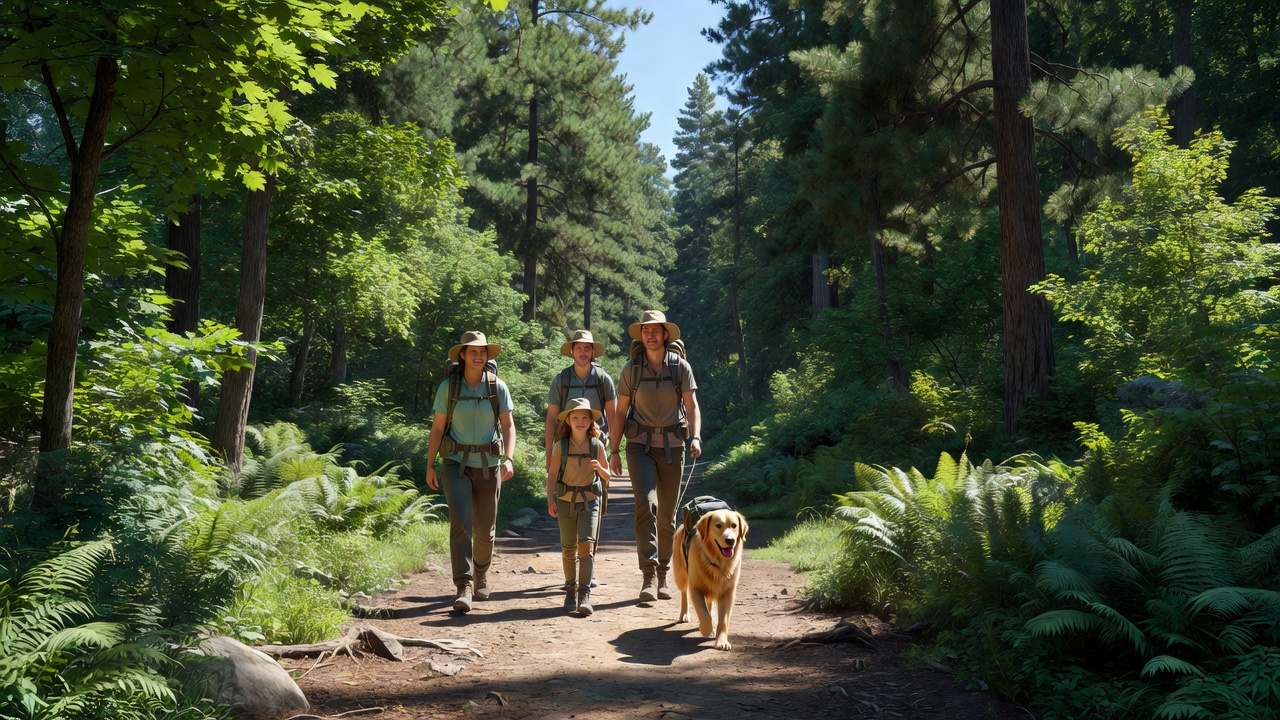
Days 1-3: San Diego Area – Settle into a beachfront rental. Mornings feature dog-friendly shore walks at designated beaches. Afternoons include park visits and sunset viewing. Evenings focus on relaxed patio dining. Day 2 can include a visit to a local dog park for off-leash play, while Day 3 incorporates a scenic drive along the coast with multiple pullouts for photos and short walks.
Days 4-6: Central Coast Drive – Travel north with stops at scenic overlooks. Include short trails and winery visits that allow leashed dogs outdoors. Overnight at pet-welcoming inns. Schedule a rest day on Day 5 with lighter activities like beachcombing and reading at your lodging. Pack extra towels for sandy paws after each outing.
Days 7-10: San Francisco Bay – Explore urban parks and waterfront paths. End with a ferry ride (pet-approved) and final beach day before departure. Day 8 might feature a guided walking tour that welcomes dogs, while Days 9-10 focus on Golden Gate Park trails and preparation for the return journey with a final gear check.
Packing Checklist for California Trip
- Leash, collar with ID tags, and harness
- Food, treats, and collapsible bowls
- Bedding and favorite toys
- Medications and first-aid kit
- Towels for drying after beach time
- Portable ramp for vehicle entry if needed
- Reflective vest for evening visibility
- Poop bags and waste disposal kit
Example 7-Day National Parks Itinerary (US)
Days 1-2: Arrival and Settling – Base near park entrance with cabin lodging. Light acclimation walks on approved trails. Day 1 focuses on settling in and a short evening stroll, while Day 2 introduces moderate hikes with frequent water breaks.
Days 3-5: Core Exploration – Early hikes on pet-permitted paths, picnic lunches, and scenic drives with frequent pullouts. Day 3 targets lower elevation trails, Day 4 explores meadows, and Day 5 includes a longer loop with shaded rest stops. The National Park Service website lists current pet policies for each location to avoid restricted zones.
Days 6-7: Wind Down – Shorter activities and preparation for return travel. Day 6 offers optional light exploration or simply relaxing at the cabin, while Day 7 includes final packing and a gentle morning walk.
Example 8-Day European Getaway
Focus on France’s countryside and coastal regions. Start in Paris outskirts with green spaces, then move to Normandy beaches open to dogs. Use pet-friendly trains for intercity travel and select gîtes that welcome animals. Daily structure mirrors US examples but accounts for cultural norms around outdoor dining. Days 1-2 cover arrival and city parks, Days 3-5 explore coastal villages with morning market visits, and Days 6-8 include relaxed countryside walks and a final train ride back. Always carry a translation app for local pet regulations.
Example 9-Day Mountain Escape
Target Colorado Rockies. Emphasize altitude-adjusted pacing with shaded trails, lake visits, and cabin stays featuring fenced yards. Include one rest day mid-trip for recovery. Days 1-3 handle acclimation with short walks, Days 4-6 feature longer hikes around lakes, Day 7 is a rest day with optional gentle exploration, and Days 8-9 wind down with scenic drives and departure prep.
Budget Tips and Mistakes to Avoid
Opt for shoulder seasons to reduce lodging costs and crowd levels. Bring your own food and treats to minimize expenses at tourist spots. Book pet fees in advance and ask about package deals that include dog amenities. Common mistakes include over-scheduling daily activities, ignoring altitude or temperature effects on dogs, and failing to confirm pet policies at each stop. Always have a backup plan for weather changes or sudden fatigue.
US Versus Europe Options Comparison
US destinations often provide more open public lands and road-trip ease, while Europe excels in integrated public transport and cafe culture that accommodates dogs. Both regions require advance bookings during peak summer months. Choose based on flight duration and your dog’s tolerance for new environments. European options frequently include more walkable cities, whereas US trips emphasize vast natural spaces with fewer restrictions on trail access in many states.
FAQ on Common Challenges
- What if my dog gets anxious in new places? Introduce portable comfort items and maintain familiar routines such as consistent meal times and evening wind-downs.
- How do I handle long flights? Select direct routes and confirm carrier requirements early, including any health documentation needed upon arrival.
- Are there budget-friendly options? National park campgrounds and rural rentals frequently offer lower rates than city hotels, especially outside peak season.
- What about unexpected weather? Pack layers and check forecasts to adjust daily plans accordingly, always prioritizing your dog’s comfort over rigid schedules.
- How can I find reliable local resources? Use official tourism sites and apps that list verified pet-friendly businesses and services in advance.
With these frameworks, 2026 promises memorable journeys for you and your dog. Start planning early to secure the best spots and create lasting shared memories across diverse landscapes and cultures.


No comments yet. Be the first!