 PlaceBee
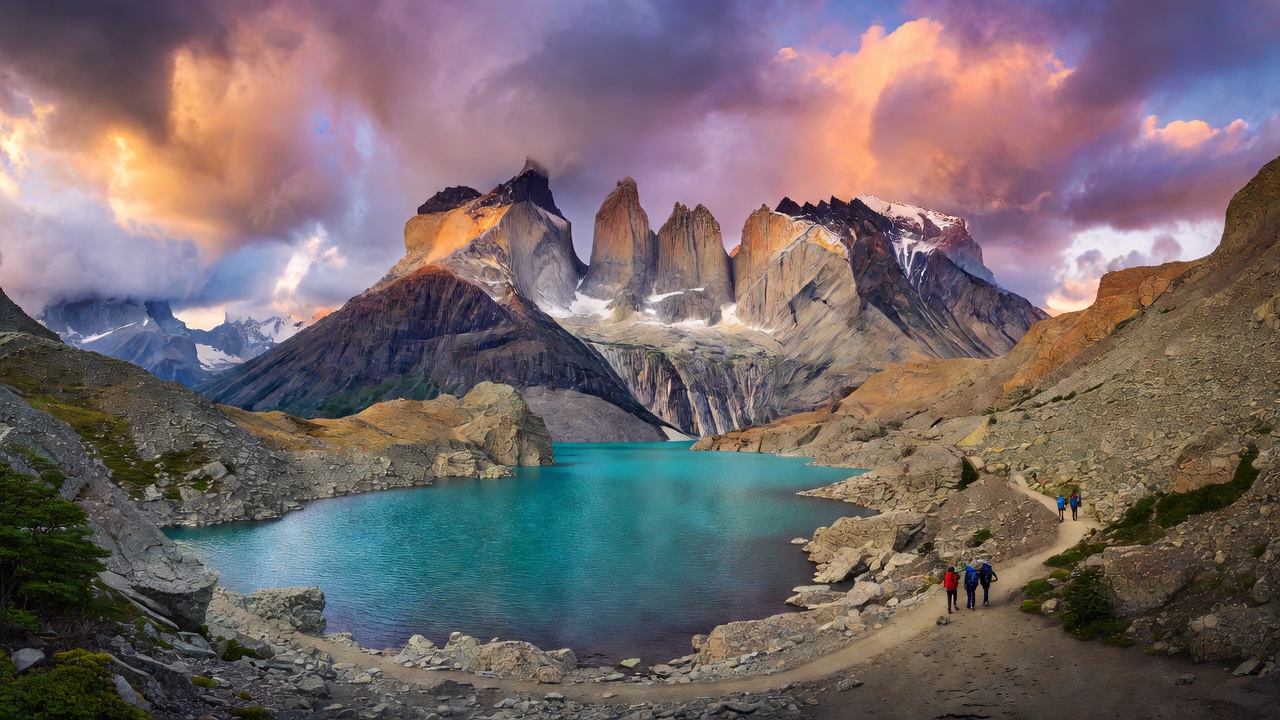
Introduction to Your 14-Day Patagonia Adventure
Patagonia stands as one of the planet’s premier destinations for adventure travelers craving dramatic natural scenery. This 14-day itinerary delivers a balanced exploration of both the Argentine and Chilean sides, starting and ending in El Calafate. The route takes you through iconic landscapes including the Perito Moreno Glacier, the granite towers of Torres del Paine, and pristine lakes teeming with wildlife. Hikers encounter everything from moderate valley walks to challenging high-altitude treks while experiencing the region’s signature winds and ever-changing weather.
Designed for those seeking epic nature escapes, the plan incorporates practical elements such as daily difficulty ratings, recommended accommodations, seasonal considerations for 2026, and responsible travel practices. Whether you are a seasoned trekker or an intermediate hiker, the schedule allows flexibility for rest days or optional activities. The journey emphasizes sustainability to protect these fragile ecosystems.
Route Overview and Key Highlights
The full loop covers approximately 800 kilometers, crossing the border twice for efficient access to both national parks. Key highlights include ice trekking on active glaciers, spotting Andean condors soaring overhead, and viewing colonies of Magellanic penguins near the coast. Scenic drives reveal guanacos grazing on open plains and turquoise glacial lakes reflecting jagged peaks. The itinerary returns via the same border crossing to minimize logistics while maximizing time on trails.
Travelers should note that 2026 shoulder seasons such as March and November typically offer milder crowds and pleasant temperatures, although sudden gusts of wind can reach high speeds at any time. Monitoring official forecasts remains essential throughout the trip.
Day-by-Day Itinerary
Days 1-3: El Calafate and Perito Moreno Glacier
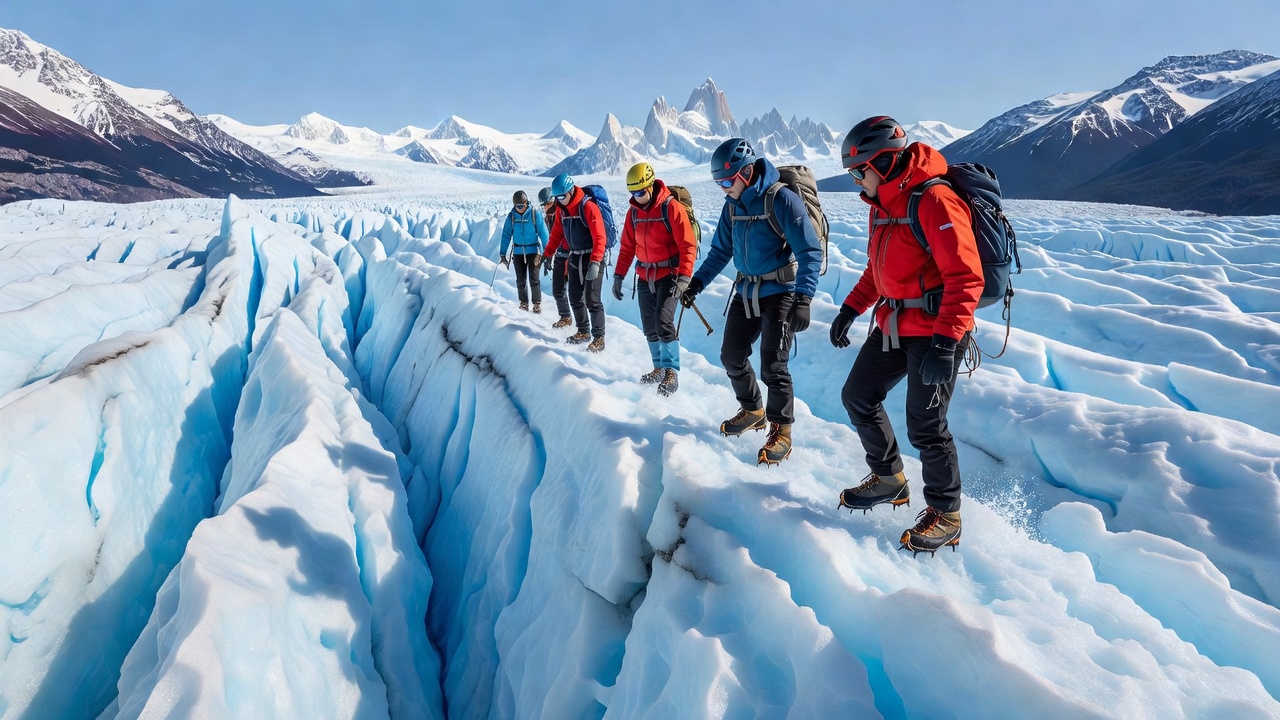
Day 1 begins with arrival in El Calafate and transfer to a comfortable lakeside lodge for acclimatization. Spend the afternoon strolling along the shoreline to adjust to the altitude and dry air. Day 2 focuses on the Perito Moreno Glacier with an early departure for a full-day excursion. Options include a moderate boat cruise for close-up glacier views or a strenuous ice hike requiring crampons and guided instruction. Difficulty ranges from easy shoreline paths to advanced glacier trekking. Day 3 offers a relaxed wildlife excursion to a nearby reserve where you may observe flamingos and foxes. Recommended lodging includes properties with private balconies overlooking the lake for optimal morning views.
Days 4-7: Crossing to Torres del Paine
On day 4, depart early for the border crossing into Chile and enter Torres del Paine National Park. Begin the classic W trek with a moderate hike to the first viewpoint overlooking the towers. Days 5 and 6 involve longer treks to the base of the granite formations and the French Valley, rated moderate to strenuous due to elevation gains of up to 800 meters. Day 7 allows time for a shorter valley walk or rest at the lodge. Stay at eco-friendly properties such as Hotel Las Torres, which provides hot meals and trail access. All hikes require proper layering and navigation awareness.
Days 8-11: Deep Park Exploration and Wildlife
Days 8 through 11 shift focus to the park’s central and eastern sectors. Hike to viewpoints above glacial lakes with opportunities for optional kayaking rated moderate in difficulty. Wildlife viewing intensifies here, with chances to photograph rheas, foxes, and numerous bird species. Trails vary from gentle lakeside strolls to demanding ridge walks. Base yourself at centrally located lodges offering shuttle services to trailheads. These days include buffer time for weather delays and emphasize pacing to avoid fatigue on multi-hour outings.
Days 12-14: Return Journey and Reflection
Day 12 retraces the route back toward El Calafate with scenic stops for photography. Day 13 serves as a flexible day for any missed short hikes or souvenir shopping in town. Departure occurs on day 14, allowing time for airport transfers. Throughout the return, reflect on the diverse landscapes encountered while maintaining responsible habits such as staying on marked paths.
2026 Weather Considerations
Patagonia weather remains highly variable with strong westerly winds common year-round. Summer months provide extended daylight hours ideal for longer hikes, while autumn brings colorful foliage but cooler evenings. Always carry windproof layers and check daily forecasts from park authorities to adjust plans safely.
Packing Checklist
- Waterproof and windproof jacket plus pants for sudden storms
- Merino wool base layers and insulating fleece for temperature swings
- Broken-in hiking boots with good ankle support and extra socks
- UV-protective sunglasses, high-SPF sunscreen, and lip balm
- Reusable water bottle, energy bars, and quick snacks for long days
- Compact binoculars and a lightweight camera for wildlife and scenery
- Headlamp with spare batteries, quick-dry towel, and personal first-aid kit
- Lightweight daypack with hydration bladder for daily excursions
Permits and Entry Requirements
Valid passports are mandatory for border crossings between Argentina and Chile. Torres del Paine requires advance reservations through official park booking systems, especially during peak 2026 periods. Argentine park entries involve simpler on-site fees. Plan bookings several months ahead to secure campsites or lodge spaces.
Budget Breakdown for Different Travelers
Budget-conscious adventurers can keep costs manageable by using shared shuttles, hostels, and self-catering meals. Mid-range travelers typically enjoy private rooms in comfortable lodges combined with a mix of guided and independent activities. Luxury options feature private transfers, premium dining, and exclusive excursions. Allocate funds separately for international flights, park entries, and potential weather-related changes to itineraries.
Guided vs Self-Planned Options
Guided tours supply expert guides, pre-arranged logistics, and built-in safety nets while fostering camaraderie among participants. Self-planned trips grant complete scheduling freedom and often lower overall expenses but require strong navigation skills and contingency planning. Many visitors opt for a hybrid approach, booking guided glacier hikes while handling transfers independently.
Fitness Preparation
Moderate cardiovascular fitness and leg strength support most trails on this itinerary. Begin training six months in advance with weekly hikes carrying a loaded pack, stair climbing, and core exercises. Beginners should select shorter daily options or add rest days. Consult a physician before starting any new regimen.
Common Mistakes to Avoid
Overpacking heavy gear leads to unnecessary fatigue on windy trails. Underestimating wind speeds often results in discomfort, so always test layers beforehand. Failing to reserve permits early can force last-minute route changes. Ignoring Leave No Trace principles harms the environment and may incur fines.
Sustainability Practices
Stick strictly to designated trails to prevent erosion. Carry out all waste and minimize single-use plastics. Support local operators who follow environmental certifications. These steps help preserve Patagonia’s unique biodiversity for future generations. For additional guidance, consult resources at Chile Travel, Argentina Travel, and CONAF Chile.
Conclusion
This 14-day Patagonia adventure provides an unforgettable immersion in some of the world’s most spectacular landscapes. By following the detailed schedule, preparing thoroughly, and traveling responsibly, you will create lasting memories while helping protect these natural wonders.

No comments yet. Be the first!