 PlaceBee
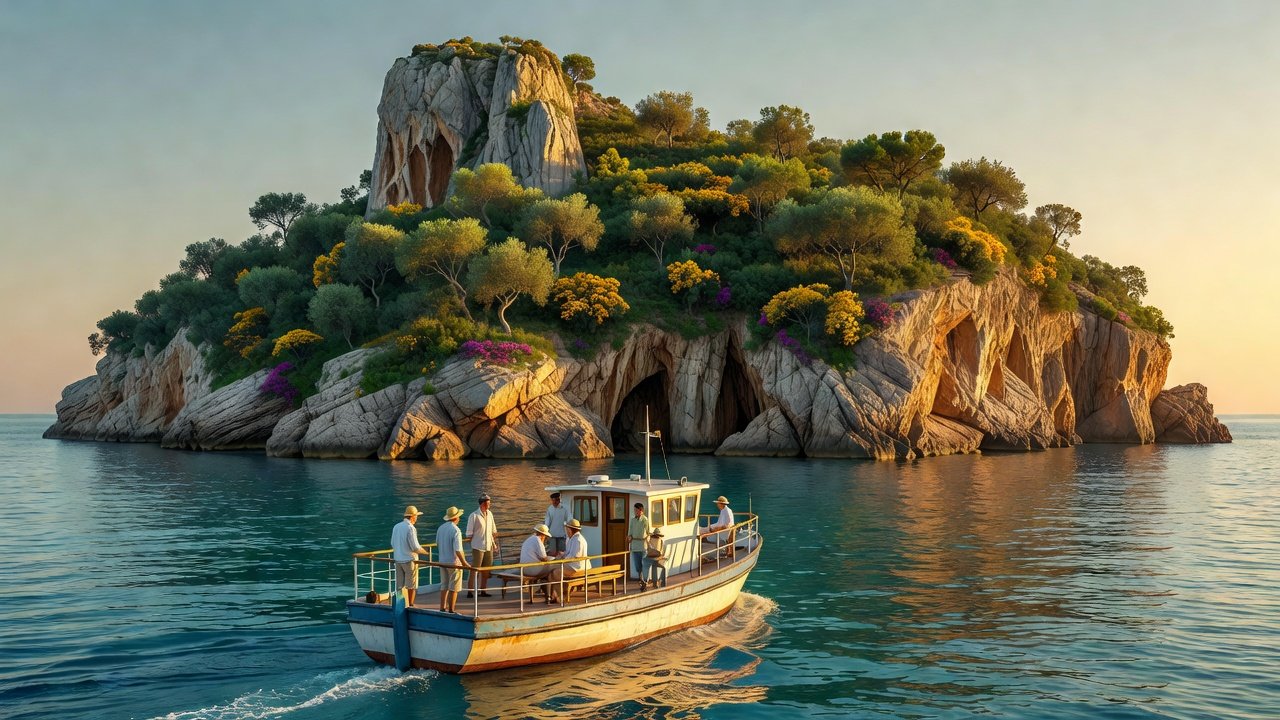
Why Ferry Routes Reveal the Best Hidden Island Gems in 2026
Slow travel by ferry offers an authentic way to reach underrated islands without the crowds of airports or cruise ships. In 2026, travelers seeking sustainable escapes are turning to lesser-known routes in Europe and Southeast Asia that prioritize low-impact journeys and authentic local experiences. These routes connect remote villages, pristine beaches, and cultural sites while minimizing environmental footprints through reduced air travel and support for small coastal communities.
Ferries allow flexible multi-stop itineraries that emphasize immersion over ticking off highlights. Whether exploring the Aegean or the Andaman Sea, the focus remains on seasonal timing, resident insights, and practical planning for memorable trips. This approach aligns with growing interest in responsible tourism that benefits local economies without overwhelming fragile island ecosystems.
Top European Ferry Hidden Gems
Europe boasts several ferry-accessible islands that stay under the radar even in peak seasons. Here are standout examples with accessibility details and resident-revealed secrets:
- Ikaria, Greece: Reachable via ferry from Piraeus or nearby islands like Samos. Known for its Blue Zone longevity culture, secret thermal springs, and quiet pebble beaches. Off-season visits from October to April bring fewer crowds and milder hiking weather along trails leading to hidden villages like Armenistis.
- Vis, Croatia: Direct ferries from Split take about 2.5 hours. This former military island features hidden coves such as Stiniva Beach and vineyards producing local wines. Spring and fall offer calm seas ideal for exploration without the summer yacht crowds.
- Elba, Italy: Ferries depart from Piombino. Beyond Napoleon history, discover quiet trails in the Tuscan Archipelago National Park and fishing villages like Marciana Marina. Winter months reduce tourist numbers significantly, allowing peaceful visits to secluded bays.
- La Gomera, Canary Islands: Short ferry hops from Tenerife reveal laurel forests and volcanic landscapes. Year-round mild climate suits off-peak travel from November onward, when residents share stories of traditional silbo whistling language in small hamlets.
- Île de Sein, France: A tiny Brittany island reached from Audierne. Dramatic cliffs and Celtic heritage await, best visited in shoulder seasons to avoid summer swells. Locals often point out hidden rock pools perfect for quiet reflection.
- Lipari, Italy: Ferries from Milazzo in Sicily lead to this Aeolian gem with fewer visitors than Stromboli. Explore pumice beaches and archaeological sites during shoulder months for authentic interactions.
Hidden Gems in Southeast Asia by Ferry
Southeast Asia provides tropical alternatives with equally rewarding ferry connections. Focus on sustainable routes that support local communities and preserve marine environments:
- Koh Rong Sanloem, Cambodia: Ferries from Sihanoukville reach this relaxed island in under an hour. White-sand beaches and coral reefs remain pristine outside peak holidays, with resident-revealed snorkel spots away from main piers.
- Tioman Island, Malaysia: Services from Mersing or Tanjung Leman. Jungle trails and dive sites attract fewer visitors during monsoon shoulder periods, when waterfalls run fuller and beaches stay empty.
- Hon Son, Vietnam: Local ferries from Rach Gia uncover fishing villages and empty bays. Dry season months deliver optimal conditions for exploring secret caves and fresh seafood markets untouched by mass tourism.
- Palawan’s smaller islands, Philippines: Inter-island ferries from Coron or El Nido lead to secluded spots like islands near Linapacan. Avoid peak summer by traveling in January through March for clearer waters and better visibility for diving.
- Koh Mak, Thailand: Quiet ferries from Trat mainland offer coconut groves and low-key beaches with eco-lodges. Residents often recommend hidden temples and bike paths through rubber plantations for immersive experiences.
Practical Itineraries and Seasonal Tips
Build a two-week multi-stop journey starting in Greece’s Cyclades, hopping to Ikaria then Vis for a European focus. Begin with an overnight ferry from Athens to Paros, then connect onward, allowing time for village homestays. In Southeast Asia, start in Thailand and ferry southward to Cambodia and Malaysia for a tropical circuit, incorporating rest days for beachcombing and local cooking classes.
Off-season advantages include lower crowds, better wildlife sightings, stronger connections with residents who share secret beaches or family-run eateries, and opportunities to witness seasonal festivals. Always monitor weather patterns, as ferry reliability improves in calmer months like spring and fall in Europe or dry seasons in Asia.
Eco-Friendly Ferry Hacks and Detailed Packing Lists
Choose operators with modern, fuel-efficient vessels and participate in onboard waste reduction programs. Book midweek sailings to reduce overall demand pressure on popular routes. Travel with a reusable tote, quick-dry towel, portable charger, and biodegradable toiletries. Include a compact first-aid kit, local phrasebook, reusable water bottle, and lightweight rain jacket for variable conditions. Add binoculars for birdwatching and a journal to document resident stories encountered along the way.
Comparing Crowds, Costs, and Authentic Experiences
Ferry routes to hidden islands typically attract far fewer visitors than popular flight destinations, preserving the sense of discovery. Resident-revealed spots often include tucked-away waterfalls, village festivals, or private coves that larger tour groups miss. This approach maximizes genuine cultural exchanges while supporting small economies through direct spending at family businesses rather than chain establishments.
Mistakes to Avoid on Multi-Stop Ferry Journeys
Common pitfalls include underestimating transfer times between ports, ignoring seasonal schedule changes, and overpacking without considering limited cabin space. Always verify connections the day before departure and carry printed backup tickets. Another mistake is sticking only to main tourist beaches instead of asking locals for directions to quieter areas.
FAQs on Booking Ferries and Avoiding Tourist Traps
How do I book ferries sustainably? Use official operator websites or trusted local agents for direct tickets. Opt for flexible dates to secure better availability and lower environmental impact from last-minute changes.
What are the best ways to avoid peak traps? Travel outside July-August in Europe and December-January in Asia. Research local festivals instead of relying on guidebooks alone and stay in community-run guesthouses.
Are multi-stop tickets available? Many routes offer hop-on hop-off passes; confirm details directly with carriers for the latest options and flexibility.
How can I ensure eco-friendly choices? Look for companies certified by recognized green tourism programs and minimize single-use plastics throughout your journey.
What should I do if weather disrupts schedules? Build buffer days into itineraries and have alternative island stops ready based on updated forecasts from local sources.
Embrace ferry travel in 2026 to unlock these secret island stops and create lasting, low-impact memories. For further inspiration on responsible tourism, explore resources from European Commission and Visit Greece. Additional guidance on Southeast Asian travel appears at Tourism Authority of Thailand.
No comments yet. Be the first!