 PlaceBee
Introduction: Merging Technology and Mind for Safer Thrills
Adventure travel in 2026 demands more than physical prowess. Extreme sports enthusiasts are turning to AI wearables integrated with mindfulness practices to reduce risks and elevate performance. This approach combines real-time biometric monitoring with mental resilience techniques, creating a powerful safety net for activities like wingsuit flying and canyoneering. Thrill-seekers benefit from data-driven insights that alert users to stress spikes or fatigue while mindfulness anchors focus. Together, they foster mental resilience essential for high-stakes outdoor adventures. The growing popularity of this hybrid method stems from its ability to address both physiological and psychological demands in unpredictable environments, allowing athletes to push boundaries responsibly.
Understanding AI Wearables in Extreme Sports
AI wearables track heart rate variability, oxygen levels, and movement patterns using advanced sensors. These devices process data through machine learning to predict potential hazards before they escalate. For instance, sudden cortisol-related changes detected via skin conductance can signal rising anxiety during a descent. Additional features include accelerometers for impact detection and gyroscopes for orientation tracking, which prove critical during high-velocity maneuvers. The AI component analyzes historical user data to establish personalized baselines, flagging deviations that might indicate dehydration, overexertion, or environmental stress. In extreme conditions such as high altitudes or rapid temperature shifts, these insights become invaluable. Athletes can receive haptic feedback or audio notifications, enabling immediate adjustments without breaking concentration. This technology shifts safety from reactive to proactive strategies, fundamentally changing how participants prepare for and execute demanding routes.
The Synergy of Mindfulness Techniques
Mindfulness complements AI data by training the mind to interpret signals calmly. Techniques such as focused breathing and body scans enhance situational awareness. When paired with wearable alerts, athletes learn to respond without panic, reducing error rates in critical moments. Specific methods like the 4-7-8 breathing pattern or progressive muscle relaxation can be triggered by device notifications, creating a seamless loop between physical monitoring and mental regulation. Research from the World Health Organization highlights how mindfulness lowers stress hormones, directly supporting physical endurance in demanding conditions. Integrating these practices builds long-term mental resilience for repeated adventures. Over time, users develop an intuitive understanding of their body's responses, allowing them to anticipate challenges rather than merely react to them.
Real-World Examples from Wingsuit Flying and Canyoneering
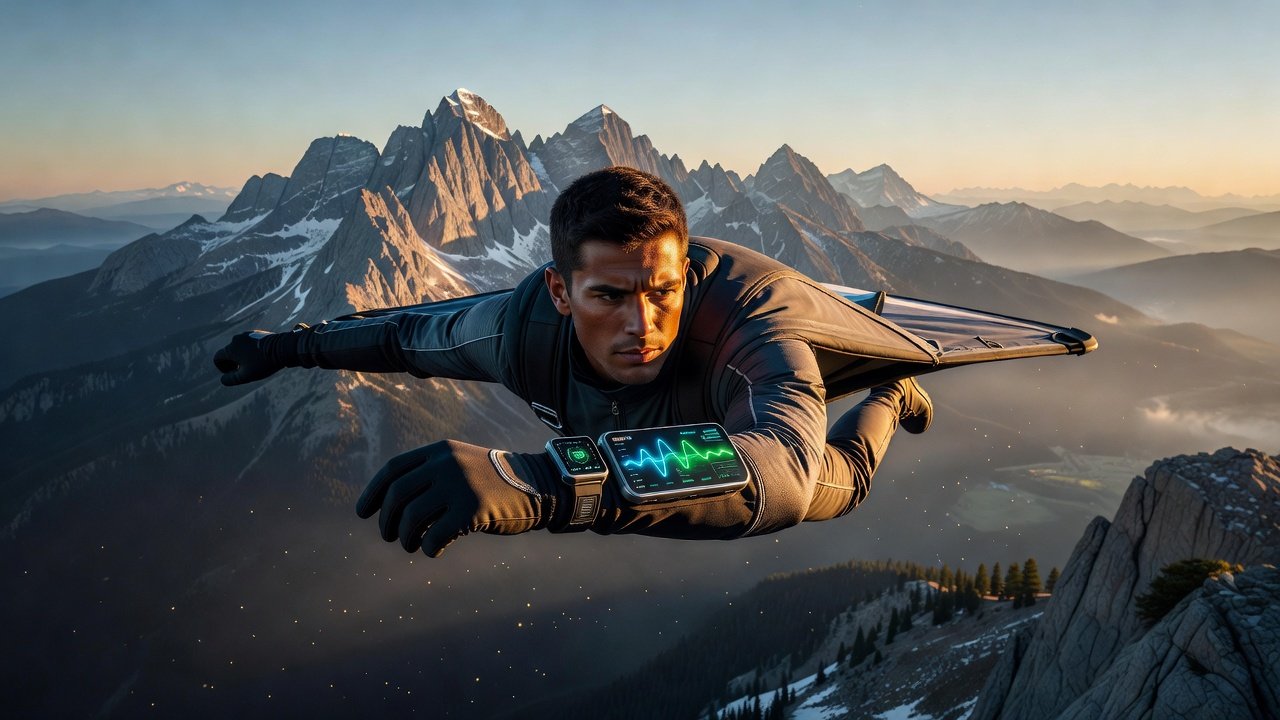
In wingsuit flying, pilots use AI wearables to monitor G-forces and heart rhythms during high-speed glides. A sudden spike might prompt an immediate mindfulness reset, like a 10-second breath cycle, preventing tunnel vision. Detailed case scenarios show pilots maintaining steadier trajectories after incorporating these tools, with reduced instances of disorientation near terrain. Canyoneering athletes apply similar tools to track hydration and core temperature while navigating narrow slots, using guided meditations to maintain composure amid tight spaces and potential flash flood risks. One documented expedition involved a group employing shared biometric dashboards to coordinate pauses, resulting in smoother navigation through technical sections. These examples demonstrate measurable safety gains. Wearables flag environmental stressors, and mindfulness ensures athletes act on the data effectively rather than freezing under pressure. Extending this to other pursuits like base jumping or ice climbing reveals consistent patterns of improved decision-making under duress.
Step-by-Step Setup for Biometric Feedback Apps
- Choose a compatible wearable and download its companion app from official stores.
- Calibrate sensors during a baseline activity like a short hike to establish personal norms.
- Enable AI alerts for thresholds such as elevated heart rate above resting levels or irregular breathing patterns.
- Pair with a mindfulness module that offers audio cues triggered by biometric changes.
- Test the full system in controlled environments before full expeditions, including low-light and high-wind simulations.
- Review daily logs to refine settings based on performance patterns and adjust for seasonal variations.
- Integrate backup power sources and ensure firmware is current for optimal AI performance.
Troubleshooting common issues, such as sensor drift or false positives, involves recalibrating in similar conditions to the target activity.
Comparing Popular Devices for Adventure Use
Leading options differ in battery life, sensor accuracy, and integration depth. Some prioritize GPS tracking for route safety, while others excel at emotional state analysis through advanced algorithms. Athletes should evaluate waterproofing and mount compatibility for specific sports. Qualitative reviews often favor devices with seamless app ecosystems that blend data visualization with mindfulness prompts. One category excels in multi-day expeditions due to extended battery performance, while another offers superior real-time coaching based on accumulated training data. Factors like comfort during prolonged wear and resistance to abrasion from rock or fabric contact also influence choices. Users report better outcomes when devices allow customizable alert profiles tailored to individual stress responses.
Training Routines to Build Tech-Enhanced Resilience
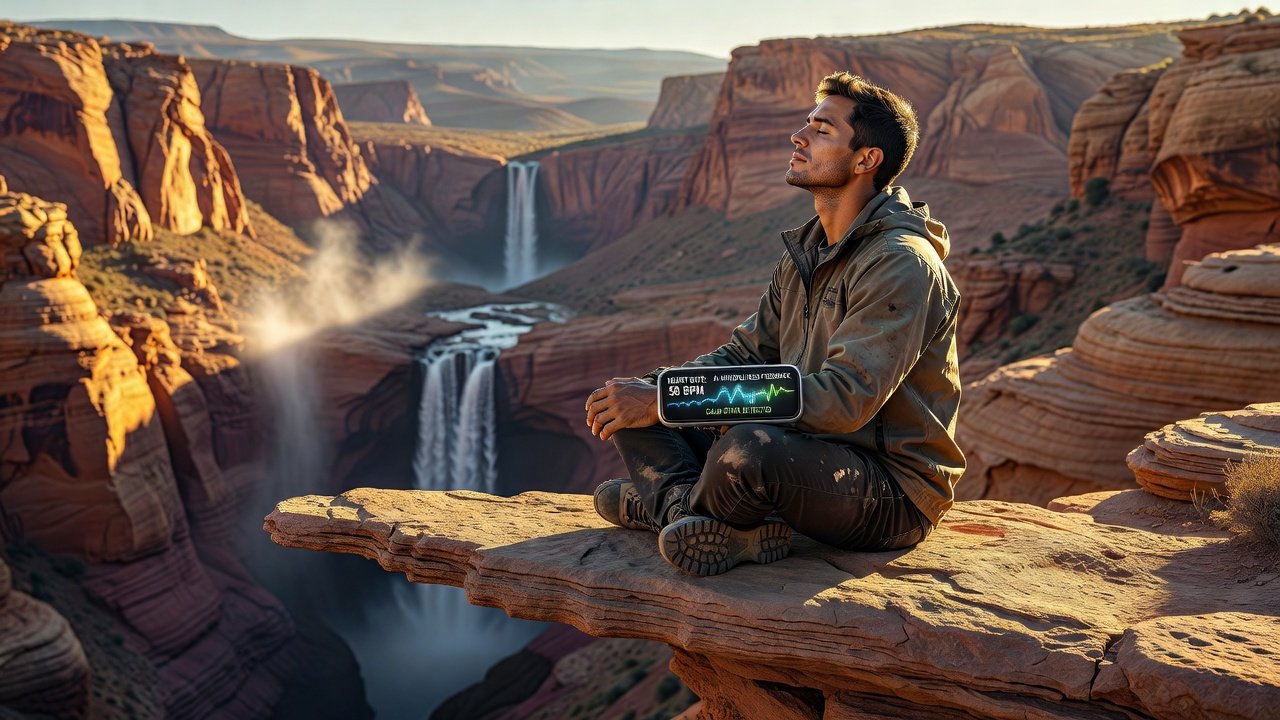
Start with daily 15-minute mindfulness sessions focused on breath awareness while wearing the device. Progress to simulated scenarios, such as indoor climbing with real-time feedback. A sample weekly schedule includes Monday breathwork drills, Wednesday simulated descents with alerts, and weekend full-kit reviews. Incorporate progressive overload by extending sessions in varied weather and adding elements like weighted packs. Weekly reviews of app data help identify trends, like recurring stress points during descents. Visualization exercises tied to wearable insights prepare athletes for peak performance ahead of 2026 trips. Advanced practitioners layer in team-based drills where multiple users share data streams to practice coordinated responses.
Athlete Case Studies and Risk Reduction Strategies
One professional wingsuit athlete reported fewer near-misses after adopting AI-guided breathing protocols during a season of technical flights. In canyoneering, a team reduced incidents by monitoring collective biometrics and pausing for group mindfulness resets at key decision points. A third case involved a solo ice climber who used predictive AI warnings combined with grounding techniques to safely retreat during deteriorating conditions. Key strategies include setting conservative alert thresholds, cross-training mental focus through varied environments, and maintaining detailed device calibration logs. Additional tactics encompass pre-trip simulations, buddy system integrations with shared app access, and post-activity debriefs that incorporate both quantitative data and qualitative reflections. These methods lower overall exposure to preventable accidents through consistent data and mindset alignment.
FAQ: Combining Tools for Peak 2026 Thrill Travel
How long until results appear? Most users notice improved focus within two weeks of consistent use, with more pronounced safety benefits emerging after four to six weeks.
Are these suitable for beginners? Yes, with gradual integration starting in low-risk settings and guided tutorials from app resources.
What if connectivity fails mid-adventure? Devices store offline data and prioritize core alerts without internet, syncing upon return to coverage.
Can mindfulness replace device reliance? No, the combination maximizes safety through layered support that neither achieves alone.
How do these tools impact group dynamics? Shared dashboards foster better communication and collective decision-making during expeditions.
What maintenance is required? Regular sensor cleaning, battery checks, and software updates ensure continued accuracy and reliability.
Conclusion: Preparing for Safer Adventures
AI wearables and mindfulness together redefine safety standards in extreme sports. By following structured setups and routines, adventure travelers can pursue 2026 experiences with greater confidence and reduced risks. The depth of integration allows for personalized evolution of techniques, ensuring ongoing improvement. Embrace this integration for memorable, resilient journeys that prioritize both thrill and well-being.
No comments yet. Be the first!