 PlaceBee
Introduction: Why Seek Hidden Gems in 2026?
Photography enthusiasts frequently flock to iconic landmarks only to encounter overwhelming crowds that compromise composition and atmosphere. In 2026, off-the-beaten-path destinations deliver distinctive visual opportunities without the distractions of mass tourism. These locations span multiple continents and balance striking aesthetics with reasonable accessibility for prepared travelers. This in-depth guide presents eight carefully selected underrated destinations, detailed gear recommendations suited to remote environments, precise timing strategies for optimal natural light, ethical photography frameworks, side-by-side landmark comparisons, comprehensive packing checklists, permit guidance, and an expanded FAQ section addressing weather, etiquette, and safety concerns that commonly arise during such journeys.
8 Underrated Destinations for Photographers
1. Socotra Island, Yemen
Dragon blood trees with their umbrella-shaped canopies create otherworldly foregrounds against limestone plateaus. Photographers can capture layered compositions using wide-angle lenses during the cooler November-to-April window when humidity drops and skies clear. Local guides provide essential navigation through unmarked trails, and the island’s isolation ensures long periods of uninterrupted shooting sessions.
2. Danakil Depression, Ethiopia
Boiling mud pools, yellow sulfur fields, and vast salt expanses produce intense color palettes that shift dramatically with sun angle. Guided expeditions depart from Mekele; the best results come from pre-dawn arrivals that allow setup before the harsh midday glare washes out mineral hues. The extreme environment demands careful hydration planning and heat-resistant camera protection.
3. Salar de Coipasa, Bolivia
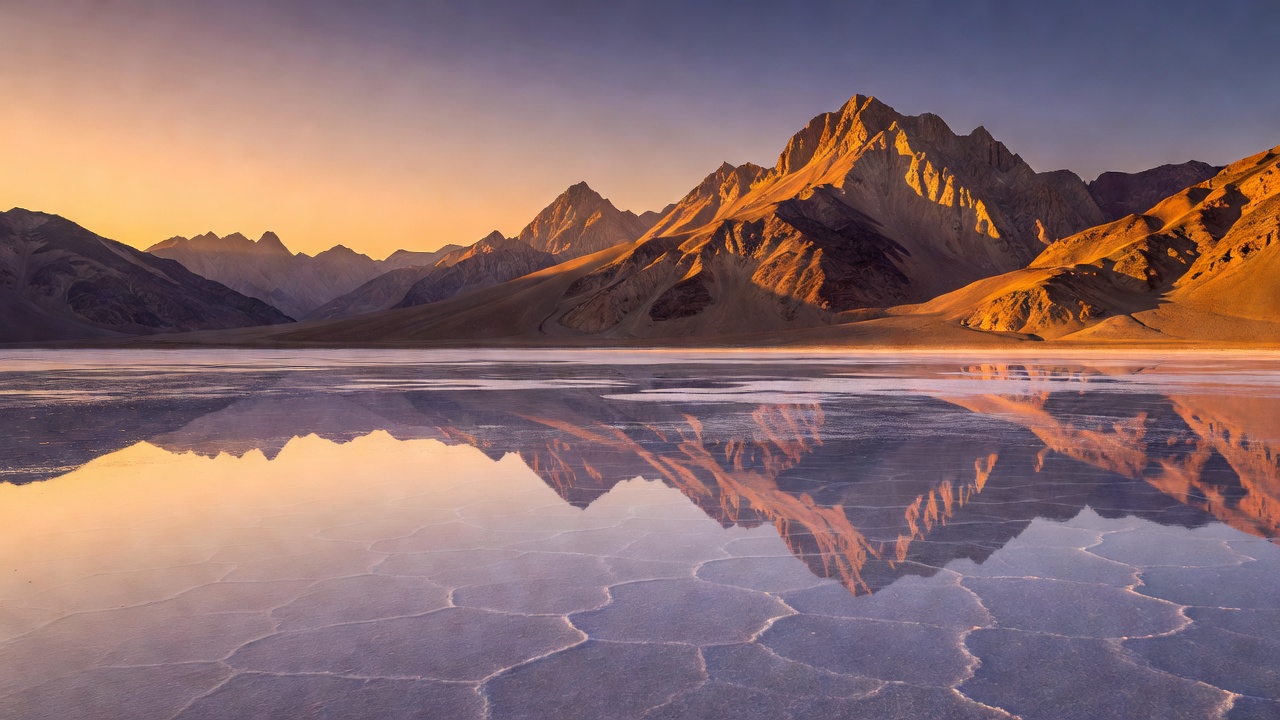
Smaller and quieter than its famous neighbor Salar de Uyuni, this salt flat transforms into a perfect mirror during the brief wet season. Photographers position themselves on the western edge at sunrise to capture both sky reflections and distant volcano silhouettes. Four-wheel-drive access from Uyuni town takes roughly three hours, preserving solitude throughout the day.
4. Faroe Islands Remote Trails, Denmark
Beyond the well-known villages lie cliffside waterfalls and basalt columns that appear in perpetual mist. Summer’s extended daylight supports multi-hour shoots across changing weather fronts. Ferries and infrequent buses connect trailheads, while compact rental cars allow flexible repositioning between locations such as the lesser-visited northwest coastlines.
5. Tsingy de Bemaraha, Madagascar
Sharp limestone pinnacles create intricate patterns ideal for both macro texture studies and sweeping landscape views. Wooden walkways and rope bridges provide safe vantage points above the formations. Permits obtained through the national park office are mandatory, and the May-to-October dry season minimizes slippery conditions on the jagged surfaces.
6. Auyuittuq National Park, Canada
Granite peaks rise dramatically above fjords, offering clean lines against Arctic skies. Photographers fly into Pangnirtung and hike the Akshayuk Pass for multi-day opportunities. Summer months bring 24-hour light that supports both golden-hour and midnight-sun compositions while reducing the risk of extreme cold equipment failures.
7. Karijini National Park Gorges, Australia
Deep red rock canyons contain emerald pools that reflect surrounding cliffs. Early-morning arrivals avoid both intense heat and the harsh overhead sun that flattens contrast. Driving from Perth requires two days with overnight stops, yet the reward is near-total exclusivity compared with more accessible outback sites.
8. Snaefellsnes Peninsula Backroads, Iceland
Volcanic beaches, lava fields, and glacier-capped mountains provide varied textures within a compact area. September delivers softer light and potential northern lights without the summer peak crowds. Self-drive itineraries along gravel roads allow photographers to wait for perfect cloud formations or wave action at secluded coves.
Gear Recommendations for Remote Travel
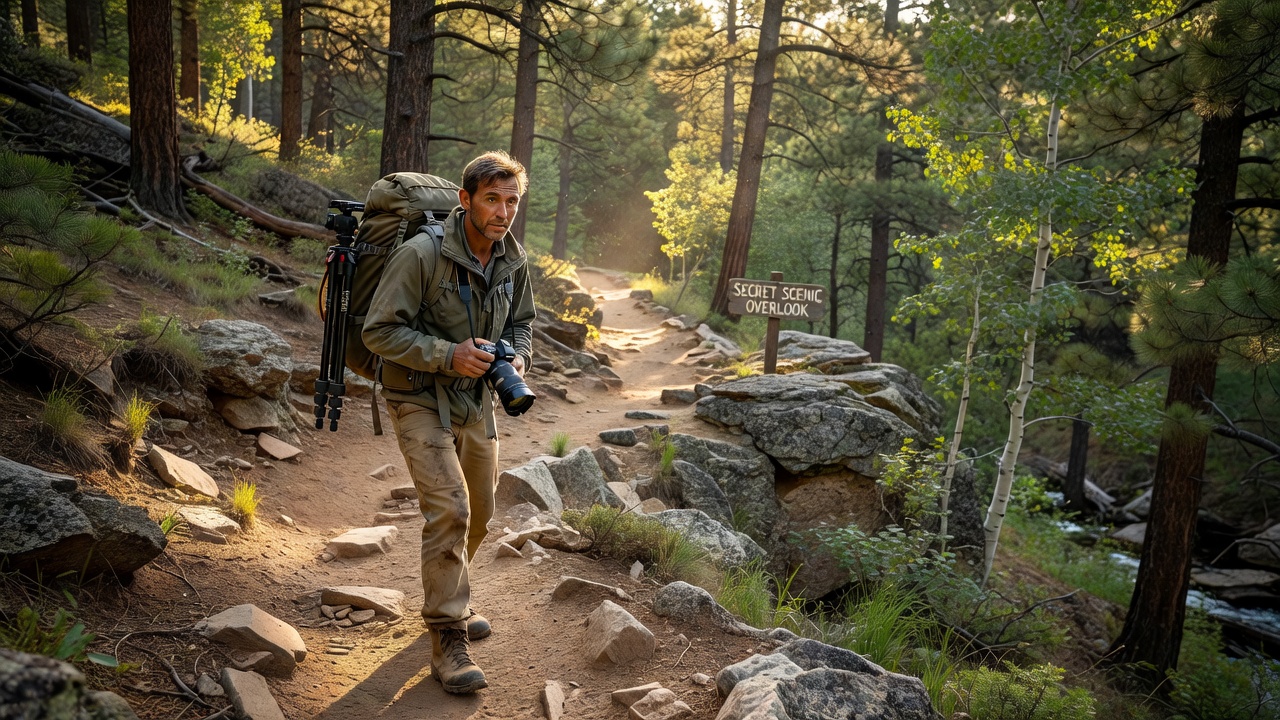
Remote locations demand equipment that balances capability with portability. A weather-sealed mirrorless body paired with three prime lenses—24mm, 50mm, and 85mm—covers most landscape and detail needs. Carbon-fiber tripods reduce weight while maintaining stability for long exposures. Extra battery packs and solar chargers compensate for scarce electricity, and neutral-density filters enable creative control during bright daylight. Drone operators should verify current no-fly zones before departure. National Geographic regularly publishes updated field reports on gear performance in extreme environments. Backup storage solutions such as rugged external drives prevent data loss during multi-week expeditions.
Timing for Optimal Lighting
Golden hour remains the foundation of compelling images, occurring approximately thirty minutes after sunrise and before sunset. Blue hour, the period of deep twilight, adds ethereal tones useful for night-sky integration. Seasonal variations matter greatly: monsoon patterns in parts of Asia or dry-season clarity in African rift valleys can either enhance or completely obscure planned compositions. Checking satellite imagery two weeks prior helps anticipate vegetation color or water levels that affect reflections.
Ethical Photography Practices
Responsible image-making protects both environments and communities. Always request permission before photographing individuals and respect requests to avoid certain sacred areas. Remain on established paths to prevent soil erosion around fragile formations. Pack out every item, including biodegradable waste, to maintain pristine conditions. Hiring local guides channels economic benefit directly to communities and provides cultural context that enriches captions and storytelling. UNESCO maintains detailed sustainability recommendations for World Heritage sites that many of these hidden gems border or resemble. Avoiding flash near nesting birds or sensitive wildlife further reduces disturbance.
Side-by-Side Comparisons with Overcrowded Landmarks
Socotra’s ancient geological formations rival the dramatic scale of Machu Picchu yet lack any queuing system or restricted viewpoints. Danakil’s geothermal activity mirrors Yellowstone’s features but without paved boardwalks or timed entry tickets. Salar de Coipasa offers mirror effects comparable to Uyuni while remaining free of tour-bus traffic. These alternatives grant photographers extended time to experiment with angles, filters, and compositions that crowded sites simply do not permit.
Packing Checklist
- Weather-sealed camera body plus three lenses covering wide, normal, and telephoto ranges
- Four spare batteries and dual-slot memory cards for redundancy
- Lightweight, four-season tent suitable for unexpected overnight stays
- Layered clothing system including waterproof shell and insulating mid-layer
- Comprehensive first-aid kit with altitude and insect-bite remedies
- Offline navigation apps and printed paper maps of each region
- Reusable water filtration system and high-calorie snacks for remote days
- Local currency in small denominations plus copies of all required permits
Permit Requirements and Access
Advance permits are mandatory for Ethiopia, Madagascar, and Bolivia destinations. National park registrations for Auyuittuq and Karijini must be completed online or at ranger stations upon arrival. Always consult official tourism ministry websites for 2026 updates, as regulations can shift with environmental conditions or political developments. Booking local operators early secures both permits and transportation in regions with limited infrastructure.
FAQ
How does weather impact shoots?
Rain or fog can produce moody, atmospheric results but may also reduce visibility to zero. Maintain flexible itineraries with indoor or sheltered compositions as backups. Real-time weather apps combined with local guide knowledge provide the most reliable forecasts.
What about local etiquette?
Basic greetings in the regional language foster goodwill. Modest clothing is expected in conservative areas, and flash photography should be avoided near wildlife or religious sites. Observing and following the lead of local guides prevents unintentional cultural missteps.
Are these spots safe for solo travelers?
Many locations require certified guides for safety and navigation. Joining small-group tours reduces risk while offering shared logistical support and cultural insights that enhance the photographic experience.
Conclusion
These hidden gems empower photographers to produce distinctive work throughout 2026. Thoughtful preparation, respect for both landscape and people, and appropriate gear combine to yield memorable images free from the constraints of popular tourist corridors. Begin planning several months ahead to secure permits, transport, and ideal seasonal windows for each destination.
No comments yet. Be the first!