 PlaceBee
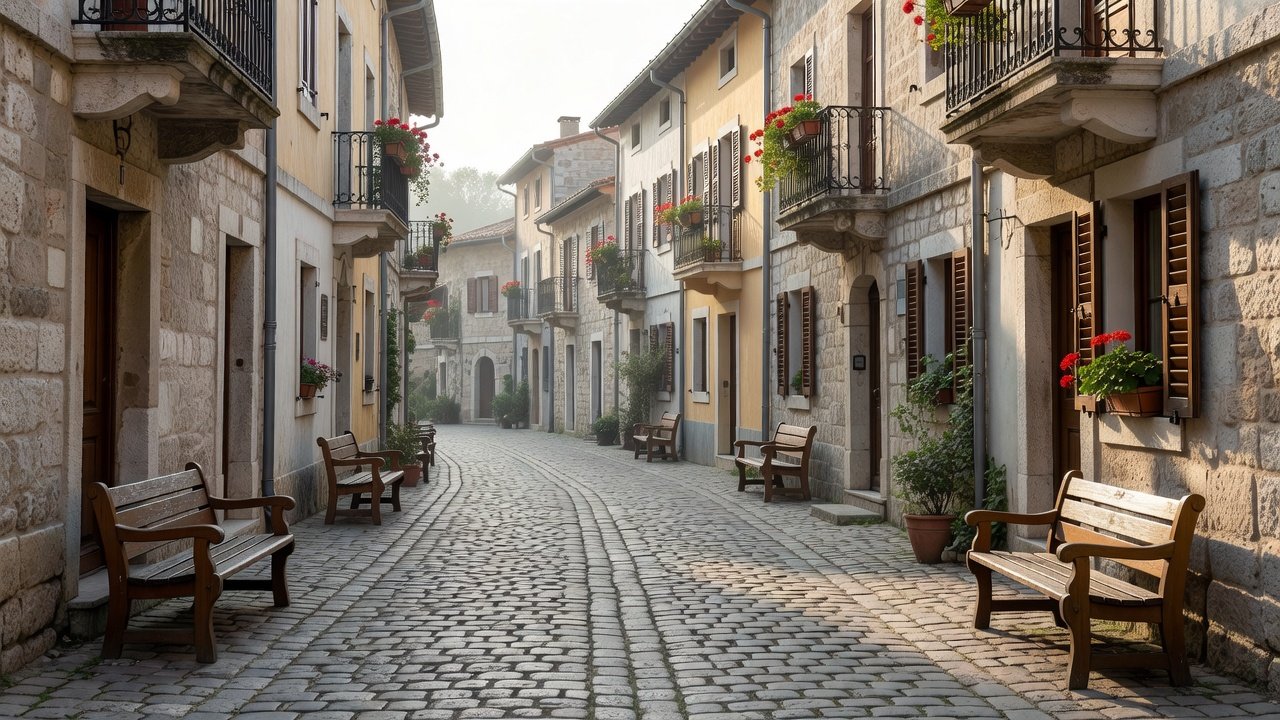
Hidden Gems for Seniors: Accessible Small Town Spots 2026
Many seniors in 2026 are choosing quiet small towns over bustling cities for their next adventures. These destinations combine gentle terrain, welcoming communities, and rich local culture without the exhaustion of steep climbs or dense crowds. From medieval European streets to serene coastal promenades, the following spots prioritize accessibility while offering authentic experiences that reward slower, more mindful travel. This expanded guide details eight standout towns, complete with resident insights, practical mobility advice, and strategies to make every journey comfortable and memorable.
Why Small Towns Excel for Senior Travelers in 2026
Popular destinations often feature uneven sidewalks, long queues, and limited seating, which can quickly tire older visitors. Small towns, by comparison, typically maintain level paths, frequent rest areas, and shorter distances between attractions. In 2026, with increased emphasis on inclusive tourism, many of these communities have upgraded ramps, accessible restrooms, and volunteer programs that assist seniors. Choosing these locations also supports sustainable practices by reducing reliance on crowded transport hubs and encouraging local spending. Travelers report higher satisfaction when they can linger at a café without pressure or explore at their own pace. Planning around shoulder seasons further enhances comfort by minimizing both physical strain and noise levels.
8 Underrated Accessible Small Towns Worldwide
1. Rothenburg ob der Tauber, Germany
The intact medieval walls of this Bavarian gem enclose flat cobblestone lanes perfect for mobility scooters or slow walks. Seniors particularly enjoy the gentle circuit around the perimeter, stopping at shaded benches with views of the Tauber River valley. Local residents suggest visiting the accessible garden behind the town hall for quiet reflection, especially during golden hour. Spring and early autumn deliver mild temperatures and far fewer tour groups than summer months. Insider tip from longtime residents: the Christmas Museum offers elevator access and timed entry that keeps crowds manageable.
2. Lunenburg, Nova Scotia, Canada
Recognized by UNESCO for its waterfront heritage, Lunenburg provides wide boardwalks and paved streets ideal for wheelchairs or walkers. The Fisheries Museum features ground-level exhibits and nearby benches overlooking the harbor. Shoulder seasons from May to June or September to October bring comfortable weather and empty streets compared to peak summer festivals. Residents note that early morning visits to the colorful historic district allow seniors to photograph the iconic buildings before any day-trippers arrive.
3. Takayama, Japan
Nestled in the Japanese Alps, Takayama combines wide pedestrian zones with traditional ryokan inns that offer ground-floor accessible rooms. The morning market and nearby Hida Folk Village can be reached via low-floor shuttles designed with seniors in mind. Mid-week travel during autumn foliage season avoids weekend crowds while showcasing brilliant colors along level paths. Local guides recommend pairing a visit with the accessible onsen facilities that include handrails and step-free entry.
4. Angaston in the Barossa Valley, Australia
This quiet winery hamlet features flat vineyard trails and tasting rooms built at ground level with wide doorways. Seniors appreciate the heritage walking routes that wind past stone cottages and olive groves without elevation changes. Winter months deliver mild days and virtually empty cellar doors, creating relaxed tastings. Residents advise booking a local driver familiar with accessible routes to extend explorations comfortably into the surrounding countryside.
5. Colares near Sintra, Portugal
The coastal section of this village offers accessible beaches and level garden paths that bypass the steeper palace areas favored by most tourists. Wide plazas and tram services make exploration effortless. Spring brings wildflower displays and fewer visitors, allowing seniors to enjoy sea views from shaded benches. Community members highlight the local bakery as a welcoming stop with outdoor seating designed for longer, unhurried visits.
6. Galena, Illinois, USA
Historic Main Street maintains mostly flat sidewalks lined with accessible antique shops and cafés. The Ulysses S. Grant Home and riverside trails provide gentle outdoor options with frequent resting spots. Weekday visits in October deliver peak foliage colors minus weekend congestion. Residents suggest joining the local senior walking group that meets weekly for guided, low-impact tours of hidden alleys and river overlooks.
7. Tlaquepaque, Mexico
Located near Guadalajara yet far quieter, this arts-focused town boasts wide plazas and artisan alleys on completely level ground. Courtyards filled with live music welcome seniors for extended afternoons. The dry season from November to April reduces humidity and visitor numbers dramatically. Local artists often share stories at accessible outdoor seating areas, creating personal connections that deepen the travel experience.
8. Wells-next-the-Sea, England
Norfolk’s coastal village offers a completely flat promenade leading to the beach and pine woods, with the heritage railway providing easy scenic rides. Early autumn visits avoid summer beach crowds while offering crisp air ideal for slow walks. Residents recommend the harbor café with ramp access and large windows overlooking fishing boats for relaxed people-watching.
Seasonal Tips and Crowd-Avoidance Strategies
Traveling mid-week and outside peak holiday periods dramatically improves accessibility and comfort. Spring and fall consistently rank as the best windows for most of these towns, delivering pleasant temperatures and reduced foot traffic. Always monitor local event calendars to sidestep festivals that temporarily increase visitor density. Booking accommodations with verified ramp access and nearby medical clinics provides extra peace of mind. Many towns now offer free mobility scooter rentals through tourism offices when reserved at least two weeks ahead.
Practical Packing and Planning Checklists
- Documents: Valid passport, travel insurance with medical evacuation coverage, prescription copies, and emergency contact list stored both digitally and in print.
- Mobility aids: Lightweight folding cane or walker, portable travel seat, extra device batteries, and a compact travel pillow for long transfers.
- Clothing and comfort: Breathable layered outfits, supportive walking shoes with excellent grip, wide-brim hat, and a lightweight rain jacket.
- Health and daily needs: Medications in original packaging, motion-sickness aids, basic first-aid supplies, reusable water bottle, and portable charger.
- Tech and navigation: Smartphone with offline maps, translation apps, and a small power bank to ensure constant connectivity.
Reserve accessible lodging and transport at least three months in advance for 2026 travel dates. Verify ramp details directly with properties rather than relying solely on photos.
Sustainable Travel Advice for Seniors
Opt for regional trains or comfortable coach services instead of short-haul flights whenever feasible to lower environmental impact. Select eco-certified lodgings that reinvest in community projects and source food locally. Carrying a reusable water bottle and shopping at farmers’ markets reduces single-use plastics while supporting small businesses. World Health Organization guidance stresses the importance of pacing activities and staying hydrated, especially for older adults. Additional insights appear on CDC travel resources, which recommend gradual acclimation to new climates and environments.

Comparisons to Popular Spots and Mistakes to Avoid
Unlike crowded Santorini with its steep staircases, the towns listed here deliver comparable coastal charm with minimal climbing. Sedona’s dramatic landscapes inspire, yet Galena offers similar natural beauty on far gentler trails. Common mistakes include overpacking daily itineraries and neglecting to confirm elevator access in advance. Another frequent error is traveling during peak summer without checking local event schedules, which can lead to unexpected fatigue. Instead, build in rest days and prioritize one focused activity per morning or afternoon.
Short FAQ on Health Considerations
- How should I manage jet lag effectively? Arrive in the early evening local time, stay hydrated throughout the flight, and gradually shift sleep patterns one week before departure.
- What precautions apply at higher altitudes or in heat? Choose low-elevation destinations and travel during cooler months; carry a small thermometer and take frequent shade breaks.
- How close are medical facilities? All featured towns maintain clinics or hospitals within a ten-minute drive; confirm insurance acceptance before arrival.
- Is solo travel safe for seniors? Yes, when using ride-sharing apps and joining local senior activity groups that offer buddy programs and check-in services.
- Should I bring extra medications? Pack at least a one-week surplus in carry-on luggage along with copies of prescriptions in case of loss or delay.
- How do I handle unexpected fatigue? Schedule flexible days with built-in rest periods and identify nearby cafés or parks with seating in advance.
Schedule a pre-travel medical consultation four to six weeks before departure for personalized recommendations.
Conclusion
These carefully selected small towns deliver enriching, low-stress escapes tailored specifically for senior comfort and discovery in 2026. With thoughtful preparation, accessible infrastructure, and a slower pace, travelers can create lasting memories while supporting sustainable local communities. Start planning early to secure the most comfortable options and enjoy the quiet charm these hidden gems provide.

No comments yet. Be the first!