 PlaceBee
Introduction to Hidden Kayaking Destinations
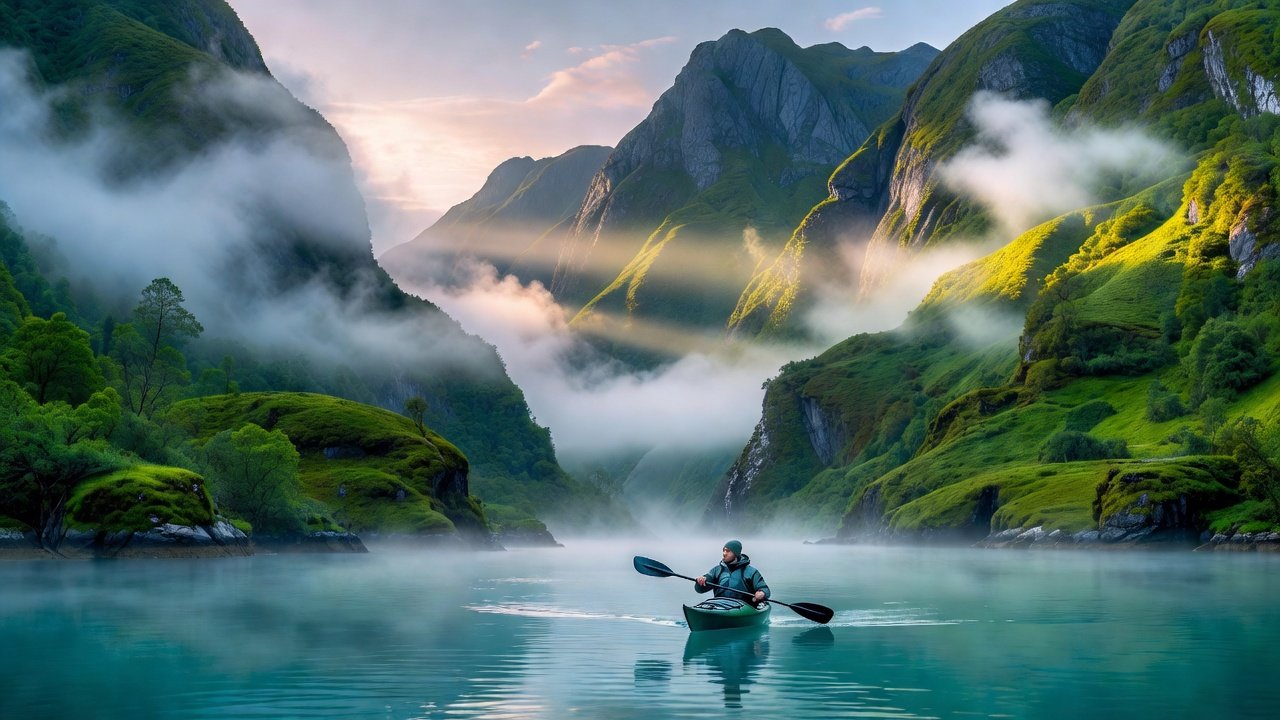
Kayaking provides an intimate connection to nature that few other activities can match. In 2026, more paddlers are seeking out secret waterways instead of crowded tourist favorites. This listicle focuses on eight underrated global destinations featuring rivers, fjords, and coastal routes that deliver solitude, stunning scenery, and meaningful wildlife encounters. These spots emphasize low-impact paddling to protect delicate ecosystems while allowing visitors to experience authentic adventures.
Each destination includes practical details on water conditions, seasonal timing, gear needs, route comparisons for beginners and advanced kayakers, and contacts for local operators. Sustainable practices such as leave-no-trace principles and community-supported tourism are woven throughout to help travelers minimize their footprint. Whether planning a solo trip or a group expedition, these locations offer something for every skill level when approached responsibly.
1. Soca River, Slovenia
The Soca River carves through the Julian Alps with its signature turquoise waters and moderate rapids. Spring runoff creates ideal flows from April to June, while summer brings clearer but lower levels suitable for scenic floats. Beginners enjoy the gentle upper sections near Bovec with easy access points and minimal current, whereas advanced paddlers can challenge themselves on Class III and IV drops further downstream near Kobarid. Wildlife sightings often include river otters, golden eagles soaring overhead, and occasional trout in the clear pools.
Local operators based in the Triglav National Park area provide rentals and guided trips emphasizing safety briefings and environmental education. Paddlers should carry dry bags for gear protection and monitor water levels via regional gauges to avoid sudden rises after rainfall. This river rewards those who respect its variable conditions with unforgettable alpine views.
2. Danube Delta, Romania
Europe's largest wetland expanse offers a maze of narrow channels and open lakes ideal for bird-focused kayaking. Calm waters prevail most of the year, making it accessible for novices, though wind can create chop on larger lakes for more experienced paddlers seeking longer crossings. Peak season runs April through October when migratory birds arrive in massive flocks. Common encounters include white pelicans, pygmy cormorants, and even wild horses grazing along the banks.
Guided tours depart from Tulcea with operators knowledgeable in local ecology. Beginners can stick to sheltered side channels while advanced kayakers explore the Black Sea fringe. Always practice strict no-trace rules here due to the fragile reed beds and sensitive habitats.
3. Killary Harbour, Ireland
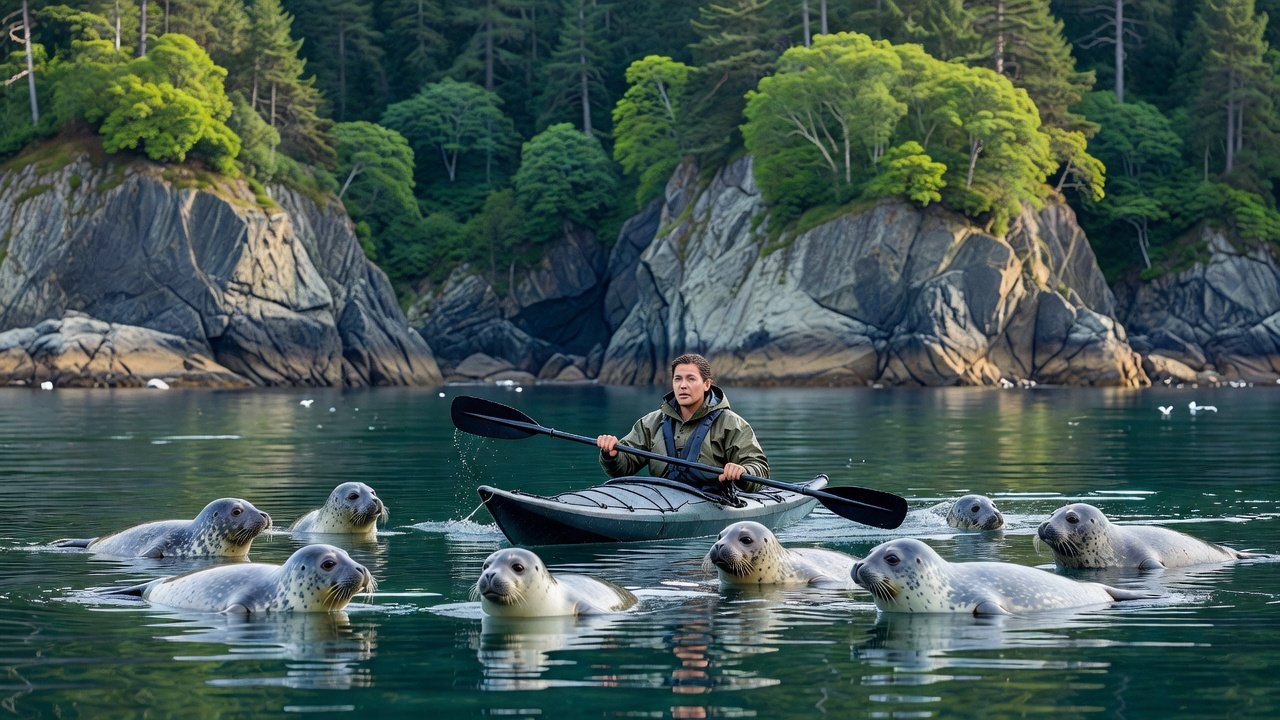
This fjord-like inlet on Ireland's west coast combines sheltered paddling with dramatic mountain scenery. Summer months from June to August deliver the calmest conditions and longest daylight for extended trips. Beginners can navigate the inner bay areas with gentle tides, while advanced paddlers test skills against tidal currents near the mouth. Frequent wildlife includes harbor seals lounging on rocks and occasional dolphin pods.
Local outfitters in Leenane offer equipment and instruction tailored to tidal awareness. Combining this trip with ferry connections from nearby ports supports slower, lower-carbon travel.
4. Pacaya River, Guatemala
Flowing past volcanic landscapes in eastern Guatemala, the Pacaya offers warm tropical waters year-round. The dry season from November to April provides stable levels and clearer visibility for spotting wildlife such as howler monkeys, toucans, and river turtles. Beginners favor the flatwater stretches near the village of Rio Dulce, while advanced routes involve technical rapids and longer multi-day journeys through remote jungle sections.
Operators in the Livingston area specialize in eco-conscious tours that include cultural insights from local communities. Paddlers benefit from lightweight, breathable gear suited to humid conditions and must prepare for sudden afternoon showers common in the region.
5. Great Bear Rainforest, Canada
British Columbia's remote inlets and fjords deliver pristine coastal wilderness experiences. Summer from June to September offers the most reliable weather windows for multi-day expeditions. Beginners stay within protected coves and channels, while advanced kayakers navigate open water passages and plan around tides and winds. Iconic wildlife includes grizzly bears foraging along shorelines, orcas in deeper waters, and numerous seabird colonies.
Guided trips often start from Bella Bella with operators focused on bear safety protocols and minimal disturbance. This area highlights the importance of community-supported tourism that benefits First Nations stewardship programs.
6. Kerala Backwaters, India
The interconnected canals and lagoons of southern India create a peaceful network perfect for relaxed exploration. Monsoon-influenced water levels peak from June to September, bringing vibrant green scenery but requiring awareness of occasional flooding. All skill levels find suitable routes, from short village-to-village paddles for novices to longer loops for experienced travelers. Encounters with kingfishers, otters, and traditional houseboat communities add cultural depth.
Local operators near Alleppey emphasize sustainable practices like using non-motorized craft. Pairing kayaking with regional train travel enhances the slow-travel aspect of the journey.
7. Coromandel Peninsula, New Zealand
Hidden estuaries and sheltered coves along this North Island coastline provide diverse paddling options. Summer from December to February brings warm waters and stable weather. Beginners explore inner harbors, while advanced paddlers venture into tidal races and longer coastal routes. Marine life sightings often feature little blue penguins, stingrays, and fur seals.
Operators in Coromandel town supply gear and local knowledge on currents. Many routes integrate easily with ferry services from Auckland for seamless slow-travel itineraries.
8. Lysefjord, Norway
Norway's dramatic fjord system offers dramatic cliff-lined paddling with fewer crowds than more famous neighbors. Mild conditions from May to August suit most skill levels, though advanced kayakers can tackle longer crossings exposed to wind. Wildlife includes sea eagles and seals in the deeper sections.
Local guides from nearby villages provide instruction on cold-water safety and tidal planning. This destination pairs well with rail connections across Scandinavia for eco-friendly access.
Comprehensive Gear Checklist
- Personal flotation device (PFD) with whistle and knife attachment for safety in remote areas
- Helmet for whitewater sections and spray skirt for decked kayaks
- Dry bags in multiple sizes to keep clothing, electronics, and food protected
- Navigation tools including waterproof maps, compass, and GPS device
- Layered clothing system with quick-dry base layers, insulation, and waterproof shell
- Sun protection including hat, sunglasses with retainers, and reef-safe sunscreen
- First aid kit with blister treatment, medications, and emergency signaling devices
- Repair kit containing duct tape, spare parts, and multi-tool
- Water filtration or purification system for extended trips
- Headlamp with extra batteries for early starts or late returns
Beginner Versus Advanced Route Comparisons with Examples
Beginner routes prioritize flat or gently moving water, short daily distances under 10 kilometers, and frequent landing spots for rest. Examples include the upper Soca near Bovec or inner Killary Harbour bays where currents remain minimal and help is accessible. These build confidence while allowing focus on technique and scenery appreciation.
Advanced routes incorporate technical elements such as Class III rapids on the lower Soca, tidal navigation in Lysefjord, or multi-day crossings in the Great Bear Rainforest requiring precise timing and self-rescue skills. Paddlers here must handle variable winds, longer carries, and remote camping. Comparing the two helps travelers select appropriate challenges based on experience and fitness.
Sustainable Travel Tips and Community-Supported Tourism
Following Leave No Trace principles means packing out all waste, avoiding single-use plastics, and camping only on established sites. Supporting local operators ensures economic benefits stay within communities and promotes conservation funding. When visiting UNESCO-recognized areas like the Danube Delta, adhere to UNESCO guidelines on minimal disturbance to habitats.
Practical steps include choosing human-powered transport, learning basic local phrases, and purchasing supplies from village markets rather than imported chains. These actions preserve the secret character of these waterways for 2026 visitors and beyond.
Seasonal Timing and Practical Preparation Steps
Northern destinations like Slovenia, Norway, and Canada peak between May and September when daylight is longest and temperatures moderate. Southern spots such as Guatemala and New Zealand are best December through March. Always check regional water reports and book permits early for protected zones. Preparation includes physical conditioning, studying tide tables, and assembling a flexible itinerary that accounts for weather changes.
Expanded FAQ on Safety, Permits, and Slow Travel Integration
What safety measures are essential? Wear a PFD at all times, file a float plan with someone onshore, and carry communication devices suited to remote locations without cell coverage.
Do I need permits? Many national park and reserve areas require advance reservations; consult official park websites at least three months ahead for 2026 dates.
How can I combine kayaking with train or ferry travel? Plan routes around rail hubs in Europe or ferry terminals in New Zealand and Canada to reduce flying and enjoy scenic overland journeys.
What if weather changes suddenly? Have bailout options and know local evacuation points; flexible planning prevents most issues.
Conclusion
These eight hidden waterway gems offer rewarding kayaking experiences in 2026 when approached with preparation, respect for nature, and a commitment to sustainability. By focusing on lesser-known routes, paddlers can enjoy solitude while contributing positively to local communities and ecosystems. Start planning now to secure the best seasonal windows and create memories that last a lifetime.
No comments yet. Be the first!