 PlaceBee
Introduction: Why 2026 Travelers Are Seeking Hidden Gems
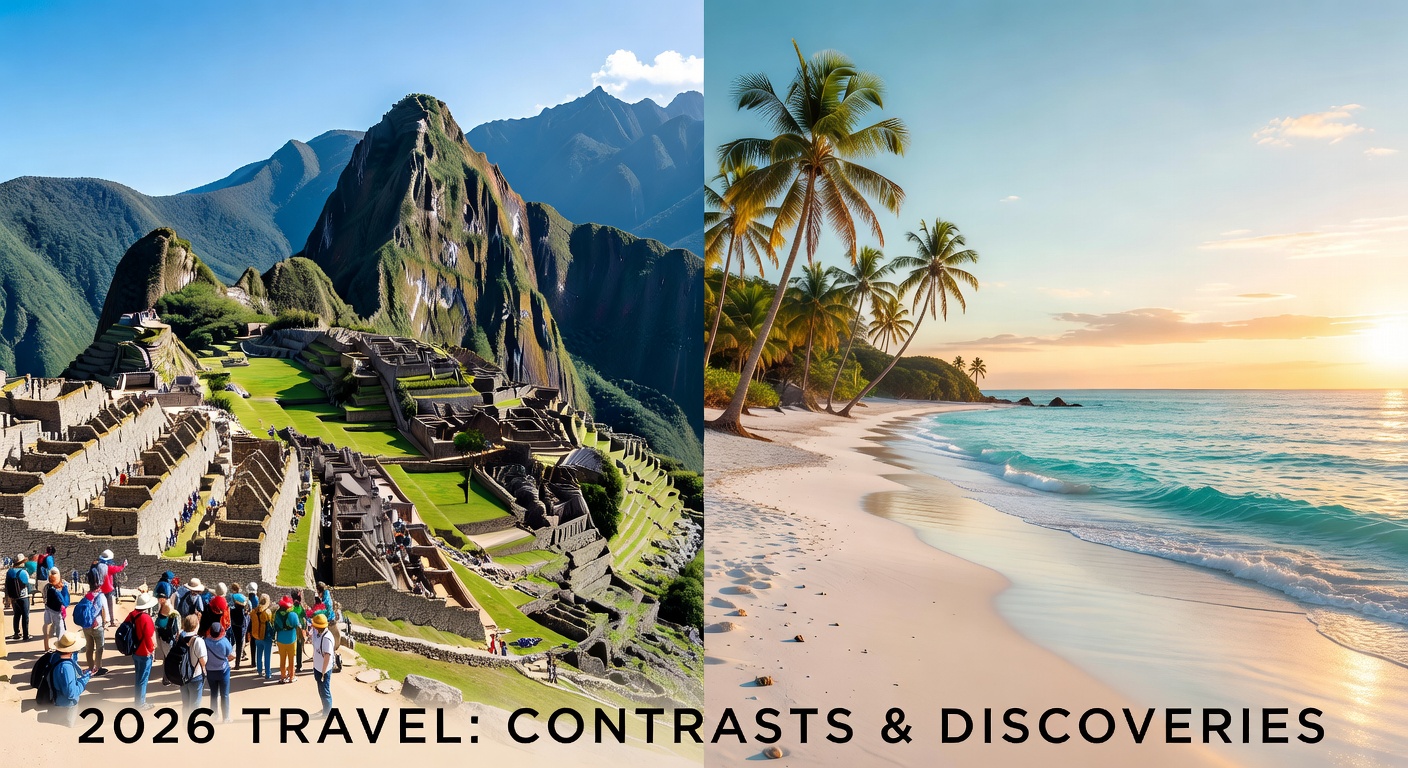
Travelers in 2026 are increasingly prioritizing authentic experiences over crowded tourist hubs. Popular spots deliver iconic views but often come with high costs, long lines, and environmental strain. In contrast, underrated hidden gems offer cultural immersion, lower expenses, and sustainability benefits. This guide compares options across continents, helping value-driven explorers plan less commercial trips that emphasize unique seasonal timing and deeper connections with local communities.
The shift toward hidden gems stems from growing awareness of overtourism impacts. Destinations like Machu Picchu and the Eiffel Tower see millions of visitors yearly, leading to degraded trails and diluted experiences. By contrast, lesser-known locations provide tranquility while supporting smaller economies. This comparison helps travelers make informed choices for fulfilling journeys.
Europe: Iconic Capitals vs Secluded Villages
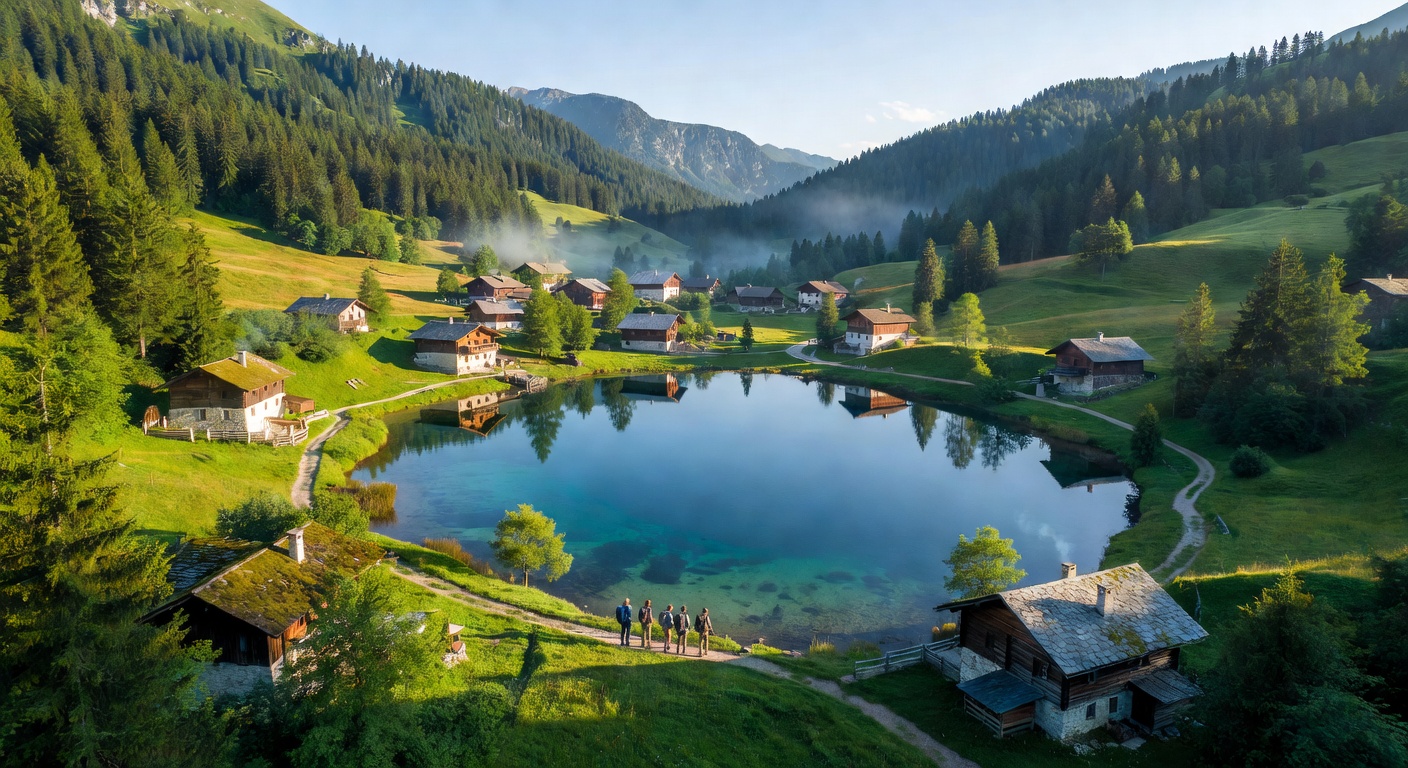
Paris and Rome attract millions annually, leading to overtourism. Crowds peak in summer, with entry fees and accommodations rising. Hidden alternatives like Slovenia’s Lake Bohinj provide similar alpine scenery without the masses. Travelers report quieter trails and direct interactions with locals through farm-to-table dinners and guided nature walks.
Further examples include swapping Barcelona’s Las Ramblas for Portugal’s lesser-visited Alentejo region. Here, rolling vineyards and historic castles offer immersive wine tastings and medieval festivals. Practical details include renting bikes for scenic routes and staying in restored farmhouses that preserve traditional architecture. These options reduce wait times at attractions from hours to minutes.
Cost comparisons show popular cities averaging higher daily expenses due to demand. Hidden spots allow more budget for experiences like local workshops on olive oil production or pottery. Accessibility improves with fewer language barriers in rural areas where English is supplemented by translation apps.
Asia: Bustling Cities vs Remote Islands
Bali and Tokyo feature famous landmarks but suffer from seasonal overcrowding. Underrated spots such as Vietnam’s Ha Giang province deliver rice terrace views and homestays. These areas promote cultural immersion through village stays where visitors learn traditional weaving or join harvest festivals.
Additional hidden gems include Japan’s remote Iya Valley instead of Kyoto’s temples. Travelers can hike suspension bridges and soak in natural onsen with minimal company. Logistics involve bullet train connections followed by local shuttles, making it feasible even for first-time visitors to Asia.
Sustainability shines here: fewer visitors reduce pressure on ecosystems. Accessibility tips include using local buses and checking visa rules in advance. Real-world examples show groups extending stays in these areas for yoga retreats and cooking classes that highlight regional ingredients.
Americas: Famous Landmarks vs Offbeat Natural Reserves
The Grand Canyon draws huge crowds, impacting trails. Patagonia’s lesser-known trails in Chile offer comparable vistas with better solitude. Real traveler case studies highlight families switching to these spots for relaxed pacing and wildlife spotting without barriers.
In North America, replace Niagara Falls with Canada’s Bruce Peninsula national park extensions. Kayaking turquoise waters and exploring sea caves provide adventure minus the tour buses. South American options like Ecuador’s cloud forests deliver birdwatching opportunities rivaling the Galapagos but with intimate lodge stays.
Practical decision factors include packing layers for variable mountain weather and securing permits for protected zones early. These alternatives often feature better trail maintenance due to lower foot traffic.
Cost and Crowd Comparisons
Popular destinations often see significantly higher accommodation rates during peak seasons. Hidden gems maintain stable pricing and smaller groups, improving safety and enjoyment. Daily budgets stretch further with local markets replacing tourist traps, allowing funds for sustainable activities like community-led tours.
Crowd density affects everything from restaurant service to photo opportunities. In hidden locations, visitors enjoy unhurried exploration, leading to more meaningful memories. Comparisons across continents reveal consistent patterns where offbeat choices yield higher satisfaction scores in traveler surveys.
Sustainability Benefits and Seasonal Timing
Choosing underrated spots supports local economies while lowering carbon footprints from mass tourism. Optimal timing avoids peak months—visit shoulder seasons for ideal weather and availability. Shoulder periods also mean better deals on transport and guided experiences.
Environmental advantages include reduced waste and habitat protection. Many hidden gems participate in conservation programs, allowing travelers to contribute through volunteer days or eco-lodge stays. UNESCO World Heritage Centre resources detail preservation efforts worldwide.
Accessibility Tips and Decision-Making Steps
Reaching these destinations requires thoughtful planning. Start with reliable transport research and consider hybrid itineraries mixing one popular spot with two hidden gems for balance.
- Research transport options using official apps and regional operators for seamless connections.
- Book accommodations directly with locals to ensure authentic stays and fair compensation.
- Check health advisories via U.S. Department of State before departure.
- Plan for cultural etiquette to enhance immersion and respect community norms.
- Build flexibility into itineraries for spontaneous discoveries like local markets or festivals.
- Pack sustainably with reusable items to minimize environmental impact.
Real Traveler Case Studies
One couple swapped Santorini for a Greek island village, cutting costs while gaining authentic meals and storytelling evenings with residents. They documented richer cultural exchanges and returned with handmade crafts.
Another group explored Canadian hidden lakes instead of Banff, reporting deeper nature connections through guided canoe trips and stargazing sessions. Families noted children engaged more without digital distractions common in crowded parks.
A solo traveler chose Ethiopia’s Simien Mountains over Egypt’s pyramids, finding trekking communities and ancient rock churches with personal guides. The experience fostered lasting friendships and language learning opportunities.
FAQ: Safety, Logistics, and More
Are hidden gems safe?
Most are secure with standard precautions; always review local guidelines and travel with basic supplies like water and maps.
How do I reach remote spots?
Combine flights with regional transport like trains or shared vans for seamless access, often more scenic than direct routes.
What about language barriers?
Translation apps and basic phrases ease interactions, while many hosts speak multiple languages due to tourism growth.
Are these spots suitable for all ages?
Many offer adaptable activities from easy hikes to cultural tours, making them family-friendly with advance planning.
What if weather disrupts plans?
Shoulder season visits allow indoor alternatives like museums or workshops in nearby communities.
Conclusion
Balancing popular spots with hidden gems creates fulfilling 2026 journeys. Focus on sustainability, seasonal timing, and cultural immersion to maximize value and authenticity while preserving destinations for future explorers.
No comments yet. Be the first!