 PlaceBee
Why Small Town Hidden Gems Matter in 2026
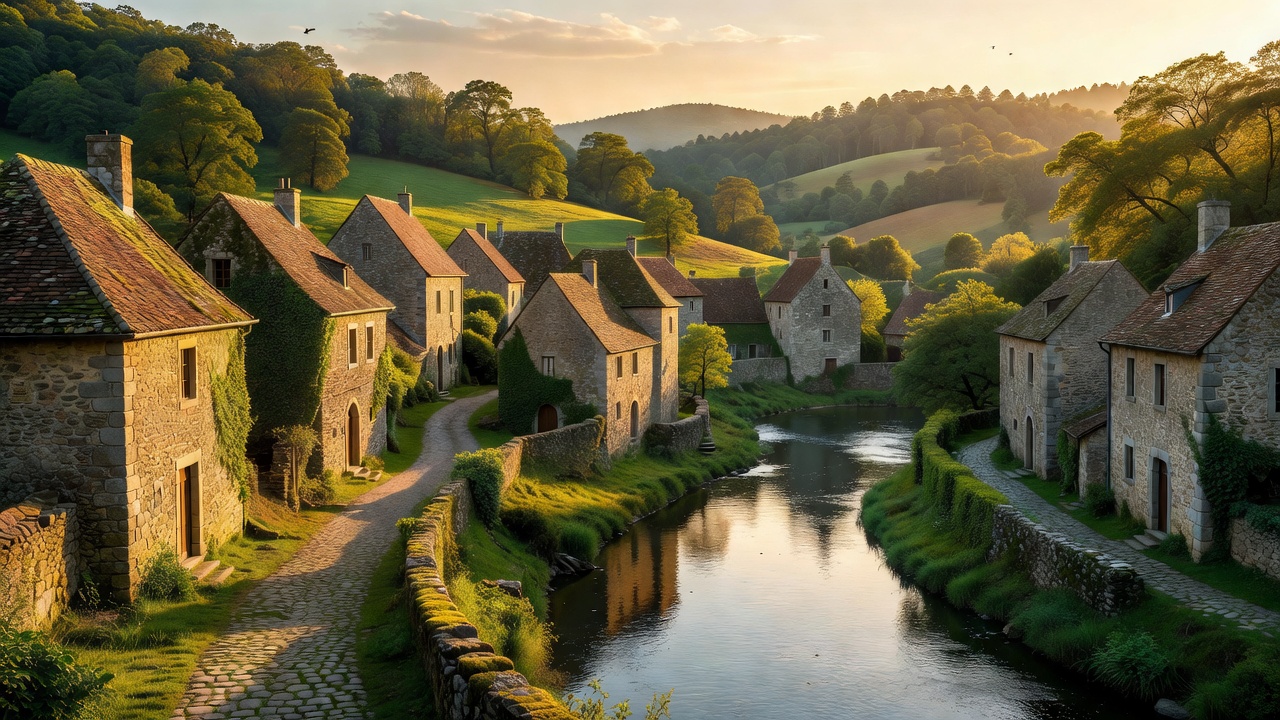
Travelers are turning away from overcrowded icons such as Barcelona, Santorini and Machu Picchu in search of genuine encounters. Small town hidden gems deliver distinctive local culture, preserved architecture and untouched nature while shielding visitors from long queues and inflated prices. These communities maintain living traditions through seasonal festivals, family-run workshops and centuries-old buildings that mainstream tourism rarely reaches. Choosing lesser-known destinations also spreads economic benefits more evenly and reduces environmental strain on fragile sites. In 2026, the appeal of crowd-free escapes continues to grow as travelers prioritize meaningful connections over checklist sightseeing.
European Hidden Gems Worth Discovering
Mértola in Portugal sits beside the Guadiana River amid cork-oak woodlands and rolling hills. Medieval churches, a Moorish castle and whitewashed houses create a timeless atmosphere. Spring wildflowers and mild temperatures make March through May ideal. Reach the town by direct train from Lisbon in roughly two hours and thirty minutes. Low-impact travel means staying in small guesthouses, hiking marked trails in the Guadiana Valley Natural Park and sampling regional cork products. UNESCO World Heritage Centre recognizes nearby sites, underscoring the region’s cultural depth.
Another Portuguese treasure is Piódão, a schist-stone village tucked into the Serra do Açor mountains. Narrow lanes and slate roofs blend seamlessly with the landscape. Visit in autumn when chestnut festivals occur and visitor numbers remain low. Drive two hours from Coimbra or take a local bus. Support the community by purchasing handmade wool blankets and joining guided walks that explain traditional building techniques.
Asian Villages Preserving Heritage
Ainokura hamlet in Japan’s Gifu Prefecture features thatched gassho-style farmhouses surrounded by rice terraces and cedar forests. Summer firefly festivals and winter snow scenes attract photographers yet numbers stay modest compared with nearby Shirakawa-go. Reach Ainokura by bus from Takayama station in ninety minutes. Travelers are encouraged to use only public transport and stay overnight in family-run minshuku to experience morning rice-field views.
Mawlynnong village in Meghalaya, India, maintains living root bridges and spotless lanes under the care of the Khasi people. Monsoon season turns surrounding waterfalls into dramatic cascades. Fly into Shillong, then hire a local driver for the final two-hour scenic journey. Community homestays and guided treks to nearby caves provide authentic immersion while keeping visitor footprints light.
North American Quiet Retreats
Eureka Springs, Arkansas, nestles in the Ozark Mountains with Victorian architecture, natural springs and winding streets. Fall foliage and fewer crowds make September and October optimal. Fly into Northwest Arkansas Regional Airport then drive forty-five minutes. Many historic inns offer walking-distance access to galleries and hiking trails along the Crescent Hotel grounds.
Trinity, Newfoundland, Canada, overlooks Trinity Bay where icebergs and whales appear in early summer. June through August brings the best marine life sightings. Ferry from St. John’s or fly into Gander airport followed by a two-hour drive. Local storytelling evenings and kayak tours with small operators help preserve the town’s fishing heritage.
Port Fairy in Victoria, Australia, combines bluestone cottages, a working harbor and nearby penguin colonies. Shoulder season April and May offers mild weather and empty beaches. Drive three hours from Melbourne or take the train to Warrnambool then connect by bus. Reusable water bottles and beach clean-up days are promoted by resident groups.
South American and African Gems
Colonia del Sacramento, Uruguay, features Portuguese and Spanish colonial streets along the Río de la Plata. Spring months September and October avoid summer heat. A one-hour bus ride from Montevideo makes day trips easy, yet overnight stays reveal lantern-lit plazas after tour groups depart.
Darling in South Africa’s Western Cape showcases wildflower reserves and boutique wine farms. August blooms draw photographers yet the town stays peaceful. Rent a car from Cape Town for a two-hour drive through scenic passes. Choosing community-owned tour operators ensures local families benefit directly from tourism revenue.
Practical Planning and Low-Impact Travel
Before departure, review official travel advisories and seasonal road conditions for each destination. Pack reusable items, respect quiet hours and learn basic greetings in the local language. Choose operators certified by recognized sustainability programs whenever possible.

Budget Considerations Without Specific Figures
Small towns typically offer lower accommodation and dining costs than major hubs. Homestays and guesthouses provide comfortable lodging at more accessible rates. Public buses and regional trains reduce both expense and carbon output. Free activities such as hiking trails, village markets and river walks often deliver richer memories than paid attractions. Planning shoulder-season visits further stretches travel budgets while supporting year-round community income.
Local Experiences and Cultural Immersion
Participate in hands-on workshops including pottery in Portugal, tea ceremonies in Japan or root-bridge maintenance demonstrations in India. These activities foster genuine exchanges and keep traditional skills alive. Supporting artisan cooperatives and farm-to-table eateries channels funds straight to residents rather than large corporations.
Short FAQ on Avoiding Overtourism
How do I select uncrowded dates? Target shoulder months such as April-May or September-October for most locations listed.
What if a destination suddenly gains popularity? Monitor recent visitor reports and shift to neighboring villages that share similar charm and infrastructure.
Are these towns safe for solo travelers? Standard precautions apply; check current government advisories and travel with basic situational awareness.
How can I travel more sustainably? Use public transport, minimize single-use plastics and purchase from locally owned businesses as outlined by UNWTO sustainable tourism guidelines.
Conclusion
Selecting small town hidden gems enriches personal travel while protecting cultural and natural assets for future visitors. Thoughtful planning in 2026 opens the door to authentic, crowd-free adventures across multiple continents. Begin researching these destinations now to craft a rewarding and responsible journey.


No comments yet. Be the first!