 PlaceBee
Discovering the World's Best Underrated Stargazing Destinations in 2026
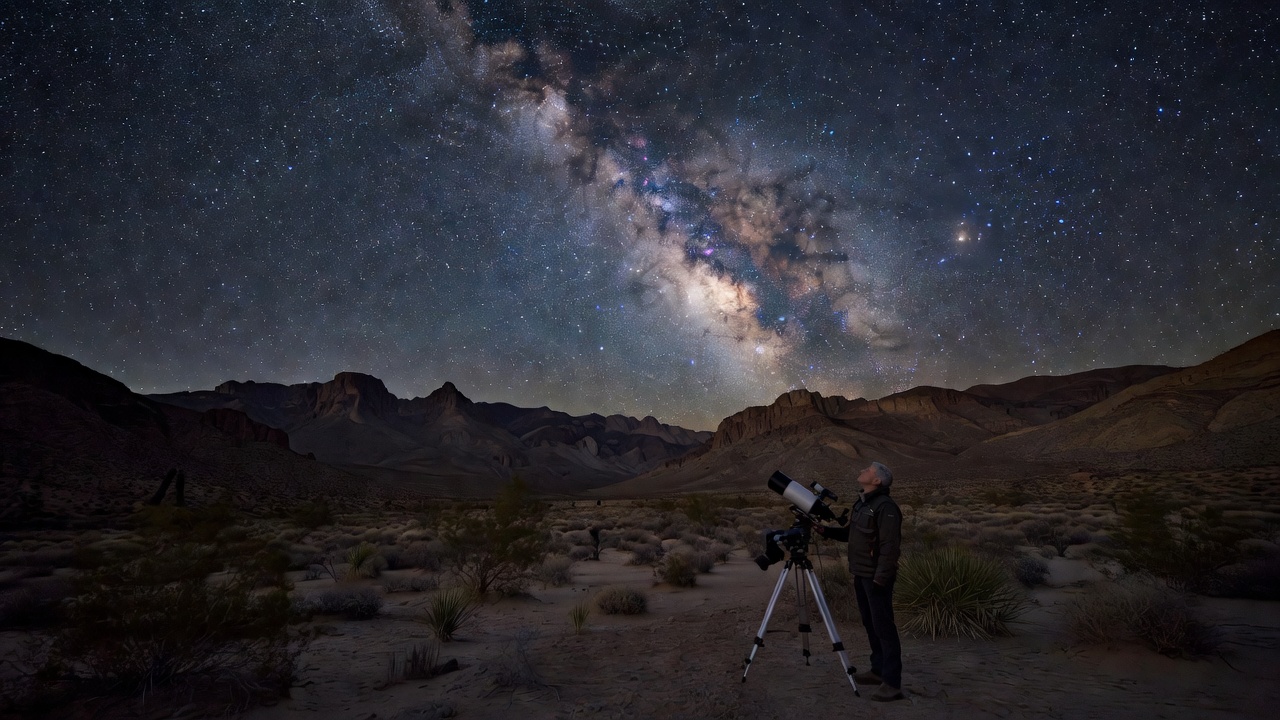
Stargazing offers a profound connection to the cosmos, yet many travelers flock to overcrowded sites like Mauna Kea or the Atacama Desert. In 2026, hidden gems provide pristine dark skies without the crowds. These lesser-known locations combine accessibility with minimal light pollution, making them ideal for astronomy enthusiasts seeking unique experiences far from urban glow. Travelers increasingly seek these off-the-beaten-path destinations to enjoy uninterrupted views of constellations, planets, and the Milky Way band stretching across the horizon. Whether you're a beginner or seasoned observer, these spots deliver breathtaking views of the Milky Way and meteor showers during optimal windows. This guide covers eight to ten global destinations, seasonal windows, access details, and practical advice for an unforgettable trip that combines adventure with education about our universe.
Planning around peak celestial events such as Perseid or Geminid meteor showers can elevate your experience. Remote locations often feature higher elevation or dry climates that reduce atmospheric interference, leading to sharper star images. As interest in astrotourism grows, these hidden gems stand out for their sustainability and tranquility compared to mainstream observatories.
Top 10 Lesser-Known Stargazing Spots Worldwide
Here are carefully selected off-the-beaten-path locations perfect for 2026 visits, each offering distinct advantages in terms of sky clarity and visitor experience:
- Elqui Valley, Chile – Accessible via La Serena airport with a short drive into the valley; best from March to September for clear southern skies featuring the Southern Cross and Magellanic Clouds. The region’s dry air and high altitude create exceptional transparency.
- NamibRand Nature Reserve, Namibia – Reached by 4x4 from Windhoek through vast desert landscapes; optimal April to October when the dry season minimizes clouds and humidity for vivid Milky Way views.
- Aoraki Mackenzie Dark Sky Reserve, New Zealand – Fly into Christchurch then drive two hours; peak viewing May to August brings crisp winter nights ideal for spotting nebulae and star clusters.
- Big Bend National Park outskirts, Texas, USA – Drive from El Paso across remote roads; clear nights from October to April offer low humidity and minimal interference from distant cities.
- Isle of Harris, Scotland – Ferry from mainland Scotland to this rugged island; excellent from September to March when long nights reveal aurora possibilities alongside constellations.
- Table Mountain, South Africa – Short hike from Cape Town base; best June to September with stable winter air allowing detailed observation of the galactic center.
- Alqueva Dark Sky Reserve, Portugal – Drive from Lisbon through rolling countryside; optimal May to October features warm evenings perfect for extended sessions under certified dark skies.
- Hovenweep National Monument, Utah, USA – Remote access from Cortez, Colorado; clear skies March to November highlight ancient ruins framed against brilliant star fields.
- Lake Tekapo, New Zealand – Scenic drive from Christchurch amid turquoise waters; peak winter months deliver some of the darkest skies in the Southern Hemisphere.
- Grasslands National Park, Canada – Drive from Regina across prairie expanses; best July to October for northern lights bonus combined with summer meteor activity.
Each location offers unique celestial phenomena while remaining far from major urban centers, ensuring visitors enjoy solitude and natural beauty alongside astronomical wonders.
Techniques to Avoid Light Pollution
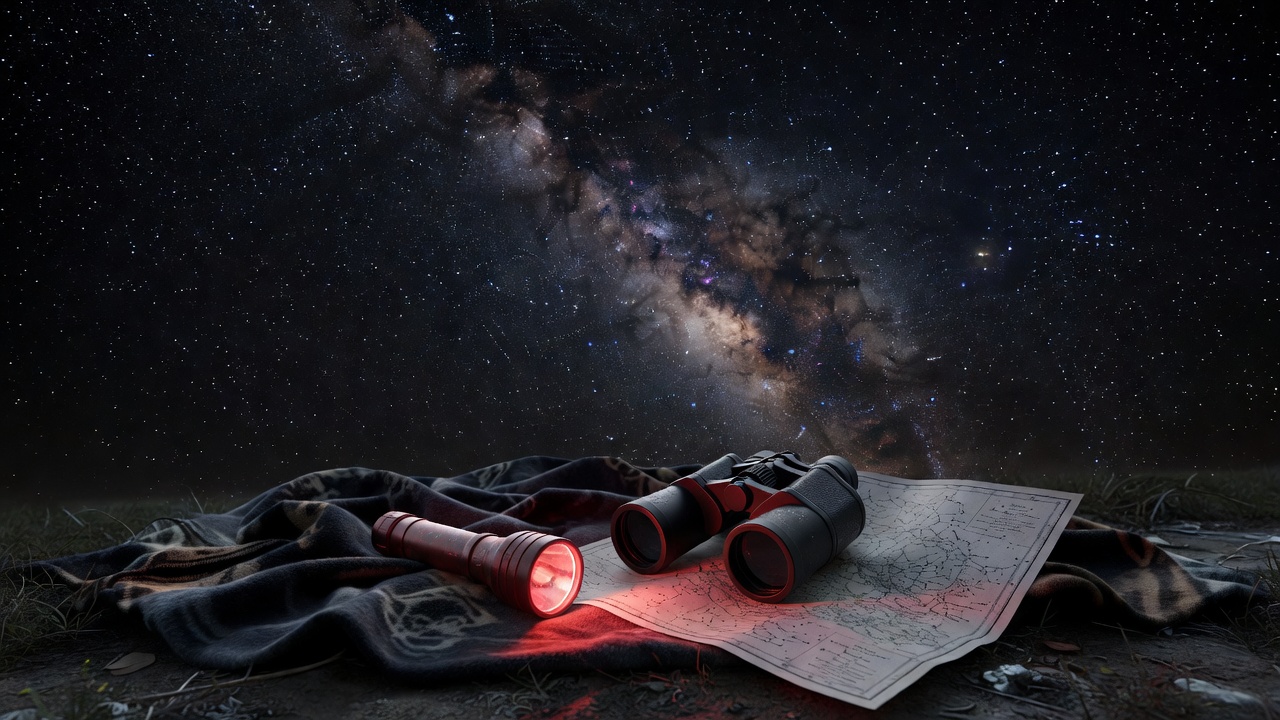
Light pollution ruins stargazing by washing out faint stars and reducing contrast. Use apps like Dark Sky Finder or Light Pollution Map to scout locations beforehand and select areas with Bortle scale ratings of 3 or lower. Travel at least 50 miles from cities and choose nights around new moons when the sky is darkest. Red-light headlamps preserve night vision, and timing trips during low tourist seasons maximizes darkness while reducing local activity. Consider elevation changes and local topography that can block stray lights from highways or towns. Monitoring satellite data for cloud cover and humidity further refines your timing for peak visibility.
NASA resources help identify optimal viewing conditions globally and provide educational context on atmospheric effects.
Essential Gear Recommendations
Pack a red flashlight to maintain dark adaptation, quality binoculars or a portable telescope for magnified views, a reclining chair for comfortable extended observation, warm layers including insulated jackets and gloves, and a star chart app or printed planisphere. A sturdy tripod enhances long-exposure photography for capturing nebulae or star trails. Always check local weather apps for cloud cover before heading out, and include insect repellent plus hydration supplies for overnight stays. For photography enthusiasts, bring extra batteries as cold temperatures drain power quickly. These items transform a basic outing into a professional-level experience.
Comparing Hidden Gems to Famous Observatories
Unlike busy sites such as Mauna Kea where daily crowds can exceed hundreds, these hidden gems offer solitude and easier permits with visitor numbers often below a dozen at night. The experience feels more intimate and sustainable, allowing flexible pacing without reservation systems or guided group restrictions. Overcrowded observatories may require advance bookings months ahead and charge higher fees for access, whereas these spots emphasize personal discovery and lower environmental impact. Noise levels stay minimal, enabling better concentration on subtle sky details like satellite passes or faint galaxies.
Practical Steps for Planning Your Trip
- Research seasonal windows six months ahead using astronomical calendars to align with meteor showers or planetary alignments.
- Book eco-friendly accommodations near dark-sky reserves that participate in certification programs to support conservation efforts.
- Verify access roads and obtain necessary permits from park authorities, noting that some areas require vehicle registrations or hiking waivers.
- Pack sustainable items like reusable water bottles, solar chargers, and biodegradable waste bags to minimize impact on fragile ecosystems.
- Consider guided tours from local operators for safety, education on local flora and fauna, and insights into indigenous astronomy traditions.
- Build buffer days into itineraries to account for unexpected weather shifts common in high-altitude or coastal regions.
Local Regulations and Sustainable Tourism Tips
Always follow Leave No Trace principles by packing out all trash and avoiding campfires that create light and smoke. Respect wildlife curfews and avoid flash photography near sensitive areas such as nesting sites or protected habitats. Support local communities by choosing certified dark-sky tourism operators that reinvest in habitat restoration. Many reserves require advance registration to control visitor numbers and protect the environment from overuse. In places like national parks, drones are typically prohibited at night to prevent disturbance. Learning cultural significance of constellations from indigenous guides adds depth while promoting respectful engagement.
Learn more from European Space Agency guidelines on responsible astronomy travel and environmental stewardship.
Mistakes to Avoid
Common pitfalls include arriving without checking forecasts, leading to wasted nights under clouds. Overpacking heavy gear without testing it first causes fatigue on remote trails. Ignoring local wildlife rules can result in fines or dangerous encounters. Failing to acclimate to altitude in high-elevation spots like Chile or New Zealand leads to discomfort. Always inform someone of your exact plans and carry communication devices for emergencies in areas with no cell service.
Short FAQ
Is weather reliable at these spots?
Many locations experience 200+ clear nights annually, but always check forecasts. Spring and fall often provide the steadiest conditions with lower storm probability than summer or winter extremes.
Do I need permits for photography?
Most public lands allow personal photography without permits, but commercial shoots require approval from park services. Tripods and long exposures are generally permitted for amateurs.
Are these spots safe for solo travelers?
Yes, with standard precautions like informing others of your plans, traveling during daylight to remote sites, and carrying navigation tools plus emergency supplies.
What if clouds appear unexpectedly?
Have backup indoor activities such as visiting local planetariums or cultural centers, or extend your stay to wait for clearer windows common in these dry climates.
Conclusion
These underrated stargazing destinations promise memorable 2026 adventures away from the masses. With careful planning, the right gear, and respect for nature, you'll witness the universe in its purest form. Start your journey today and embrace the dark skies that connect us to the cosmos on a deeper level.
No comments yet. Be the first!