 PlaceBee

Introduction to Ethical Volunteer Travel in 2026
Travelers in 2026 increasingly seek trips that combine meaningful volunteering with genuine exploration. Ethical destination guides help ensure these experiences benefit communities rather than exploit them. This comprehensive guide explains how to choose verified programs, evaluate real impact, and travel responsibly across popular regions. As global awareness of sustainable tourism grows, more people recognize that volunteer travel must prioritize long-term community development over short-term personal fulfillment. Ethical programs emphasize collaboration, cultural respect, and measurable outcomes that persist after volunteers depart.
Understanding Ethical Volunteer Travel
Ethical volunteer travel prioritizes community needs over tourist convenience. It requires thorough research into organizations that maintain transparent operations and long-term partnerships. In 2026, demand continues to grow for programs that align with global sustainability goals promoted by the UNWTO. This form of travel differs from traditional tourism by integrating skill-based contributions such as teaching, environmental restoration, or health education. Participants often return with deeper cultural understanding and a sense of purpose that standard vacations rarely provide. However, without careful selection, even well-intentioned efforts can lead to unintended negative consequences like resource strain on local infrastructure.
Vetting Destinations and Programs
Start by examining an organization's local registrations, financial reports, and community endorsements. Contact past volunteers directly and review independent evaluations. Focus on destinations where volunteer needs match your skills, such as education support in rural areas or wildlife monitoring in protected zones. Create a checklist that includes verifying nonprofit status, reviewing annual impact reports, and confirming that projects originate from community requests rather than external assumptions. Reach out to local government tourism boards for additional context on approved operators. This vetting process typically takes several weeks but prevents disappointment and ensures your time contributes positively.
Measuring Real Impact
Effective programs track outcomes through metrics like improved school attendance rates or hectares of restored habitat. Request data on project continuity after volunteer departure. Avoid short-term placements that create dependency rather than sustainable change. Look for organizations that publish independent audits and use tools such as before-and-after surveys or biodiversity counts. For instance, a successful reforestation initiative might report survival rates of planted trees over multiple seasons. These measurements help distinguish genuine ethical operators from those focused primarily on marketing appealing stories to potential volunteers.
Safety Protocols for Volunteers
Prioritize programs with clear emergency procedures, insurance coverage, and on-site coordinators. Consult health guidelines from the World Health Organization before departure. Always share itineraries with trusted contacts and understand local laws regarding volunteer activities. Additional protocols include mandatory orientation sessions covering regional risks such as natural disasters or political instability. Programs should also provide 24-hour support contacts and facilitate regular check-ins. Volunteers benefit from pre-trip briefings on personal security, including safe transportation options and how to handle medical emergencies in remote areas.
Practical Preparation Steps
- Assess your skills and availability to match suitable projects by creating a personal inventory of professional experience and physical capabilities.
- Complete necessary vaccinations and obtain travel insurance that specifically covers volunteer work and medical evacuation.
- Research cultural norms and basic local language phrases through reputable online resources and community forums to demonstrate respect upon arrival.
- Arrange flexible return travel in case projects extend or change due to unforeseen circumstances like weather disruptions.
- Prepare digital copies of important documents stored securely online and share them with family members or trusted friends.
- Develop a basic understanding of the destination's history and current social challenges to engage more meaningfully with residents.
Essential Packing Lists
- Lightweight, modest clothing suitable for manual work and local customs, including layers for varying weather conditions.
- Reusable water bottle, first-aid kit, and insect repellent to maintain health during extended fieldwork.
- Work gloves, sturdy boots, and sun protection items such as hats and high-SPF sunscreen for outdoor projects.
- Portable charger, notebook for reflections, and any specialized tools requested by the host organization in advance.
- Small gifts or supplies that support community needs without creating waste, such as educational materials or seeds for gardens.
- Multi-tool, headlamp, and quick-dry towels for practical daily use in areas with limited electricity or plumbing.
Real-World Examples from Southeast Asia
In Thailand, ethical programs focus on elephant sanctuary maintenance and English teaching in hill tribe schools where volunteers assist with curriculum development that respects indigenous languages. Participants in Cambodia often assist with sustainable farming initiatives that train local youth in organic techniques, leading to improved food security over multiple harvest cycles. In Vietnam, coastal conservation projects involve beach cleanups and mangrove restoration that protect against erosion while providing data for national environmental agencies. These projects emphasize long-term skill transfer over one-off visits, ensuring communities gain lasting capabilities rather than temporary labor.
Examples from Latin America
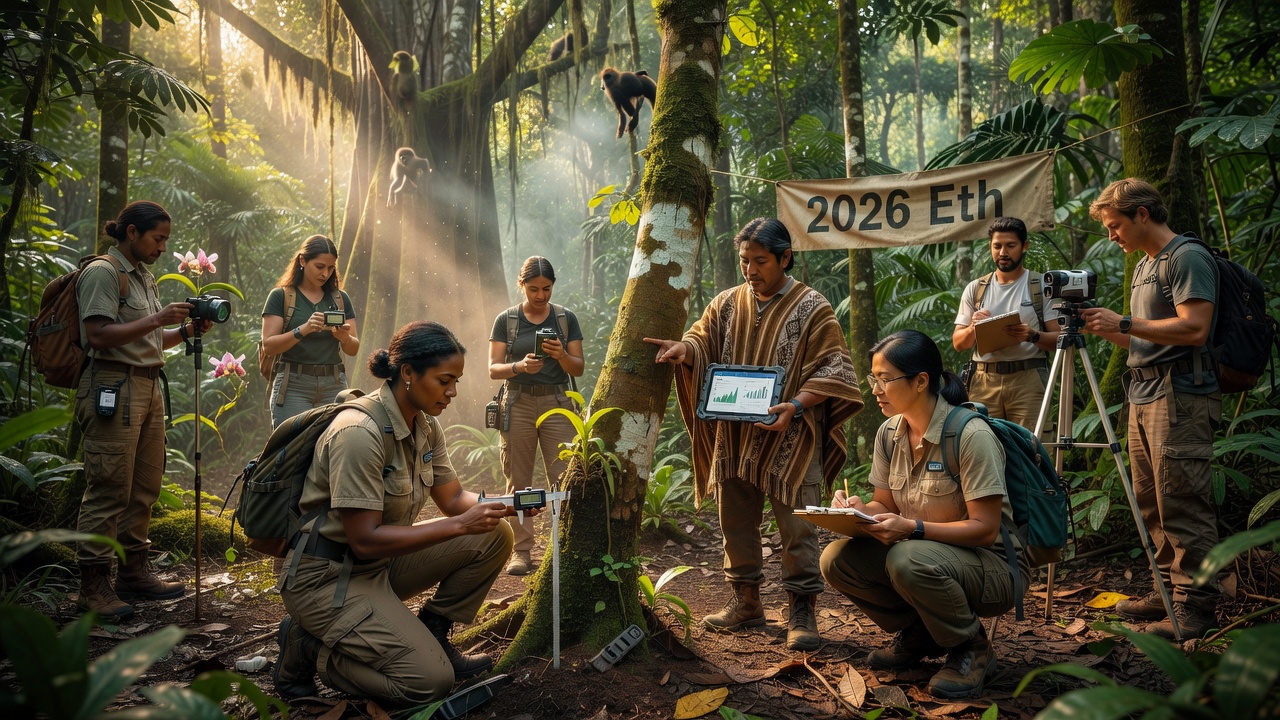
Costa Rica offers opportunities in sea turtle conservation and reforestation where volunteers collect data used by national parks to inform policy decisions. In Peru, community-based tourism projects pair volunteering with Quechua language preservation workshops that help maintain cultural heritage amid growing tourism pressures. Ecuadorian programs frequently center on sustainable agriculture education, teaching soil management practices that increase crop yields for smallholder farmers. Success depends on programs that integrate volunteers into existing local structures and provide ongoing mentorship rather than isolated tasks.
Comparing Popular Platforms and Guide Formats
Some platforms emphasize direct host connections while others provide structured itineraries with built-in oversight and pre-departure training. Independent guidebooks offer deeper cultural context but require more self-planning and risk assessment. Choose formats that include verified reviews and clear cancellation policies aligned with ethical standards. Structured platforms often include insurance bundles and on-ground support teams, whereas direct connections may offer greater flexibility but demand higher personal responsibility for logistics and safety. Review multiple sources to identify which approach best matches your experience level and risk tolerance.
Common Pitfalls to Avoid
Many travelers fall for programs that overstate impact or charge high fees without transparency in their operations. Another frequent issue involves ignoring local regulations on volunteer work, which can lead to legal complications or strained relations with authorities. Always verify that projects address genuine community priorities rather than tourist preferences. Additional mistakes include underestimating physical demands, failing to learn basic cultural etiquette, and neglecting follow-up communication that could sustain project momentum after departure.
How to Maximize Community Benefits
Volunteers can amplify positive outcomes by committing to longer stays, documenting lessons learned for future participants, and advocating for the host organization upon returning home. Building personal relationships with community members fosters trust and opens doors for continued collaboration. Sharing relevant skills through workshops rather than performing tasks alone ensures knowledge remains after volunteers leave. Ethical programs encourage these approaches through structured reflection sessions and post-trip engagement opportunities.
Conclusion
Ethical volunteer travel in 2026 rewards careful planning and genuine commitment. By following these destination guides, travelers create positive legacies while enjoying authentic cultural exchanges that enrich both personal growth and community resilience.
FAQ
What visas are typically required for volunteer travel?
Requirements vary by country. Many nations require specific volunteer visas or permit short-term stays under tourist entry. Always check official embassy resources well in advance and allow extra processing time for any required permits or background checks.
How much do ethical programs usually cost?
Costs depend on location, duration, and inclusions such as meals and lodging. Focus on transparent providers rather than seeking the lowest price, and request detailed breakdowns of how funds support local operations and project sustainability.
How can volunteers maximize benefits for host communities?
Stay longer than two weeks, learn basic local customs, and follow up with ongoing support after returning home. Share skills that address documented needs identified by community leaders through collaborative planning sessions.
What should I do if a program seems unethical during my stay?
Document concerns privately and contact the organization's headquarters or independent oversight bodies immediately. Have an exit plan ready and prioritize personal safety while seeking guidance from trusted local contacts or your embassy.
Are there age or skill requirements for most volunteer placements?
Many programs welcome adults of all ages with varying skill levels, though specialized roles may require professional qualifications or physical fitness assessments. Review eligibility criteria carefully and consider entry-level opportunities if you lack prior experience in the field.


No comments yet. Be the first!