 PlaceBee
Introduction to Literary Destination Guides in 2026
Travelers seeking meaningful experiences in 2026 are turning to literary destination guides to transform favorite novels into real-world adventures. These specialized resources connect readers with the settings, cultures, and histories that inspired classic and contemporary literature. By following book-inspired journeys, you can explore cities and countrysides through the lens of stories that have shaped imaginations for generations. Literary travel has grown in popularity because it combines education, emotion, and discovery in ways standard sightseeing cannot match. Readers gain deeper appreciation for plot, character, and theme when standing in the actual places authors described.
Whether tracing the moors of Yorkshire or the bustling streets of Tokyo, literary guides offer structured yet flexible frameworks for planning. They help match novels to authentic locations while integrating practical city and country information for seamless routes. This approach appeals to book clubs, solo readers, families, and cultural enthusiasts who want trips that feel personal and memorable rather than rushed tours of major landmarks.
Matching Novels to Real-World Locations
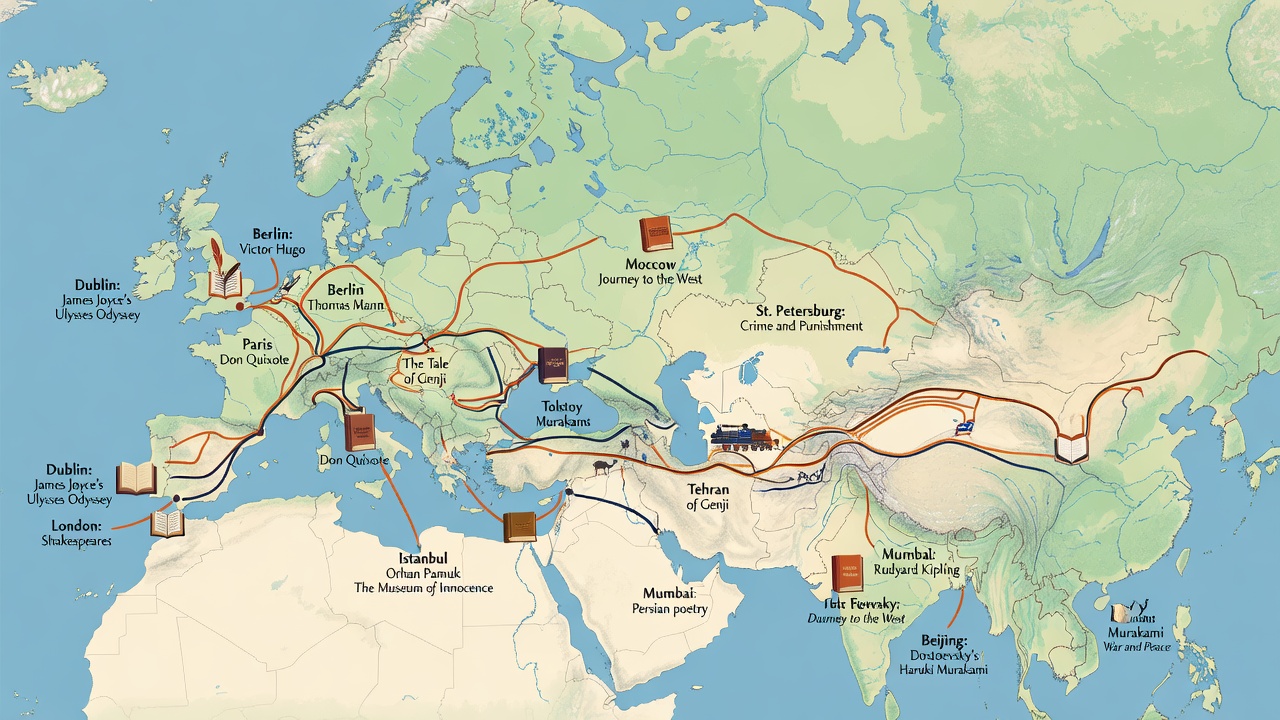
The foundation of any literary trip lies in pairing beloved books with their geographic inspirations. Classic works like Jane Austen’s novels align perfectly with English countryside estates, while Haruki Murakami’s stories evoke the neon-lit alleys of modern Japan. Start by listing key scenes from your chosen novel and cross-referencing them with verified place names found in updated editions of guides. This process reveals hidden connections, such as how a single café in Paris might represent multiple emotional turning points in a story.
For Europe, consider Emily Brontë’s Wuthering Heights, which leads travelers to the dramatic landscapes of the Yorkshire Dales. Specific villages like Haworth provide access to the Brontë Parsonage Museum and surrounding walking paths that mirror the novel’s wild atmosphere. In Asia, Amy Tan’s The Joy Luck Club opens doors to the historic neighborhoods of Shanghai and San Francisco’s Chinatown connections, allowing visitors to experience the generational stories through food markets and family temples. Detailed matching ensures your itinerary feels authentic rather than superficial, and it prevents disappointment when locations have changed over decades.
Integrating City and Country Guides for Book Routes
Successful literary itineraries combine urban exploration with rural escapes. Begin in major cities for cultural context, then venture into surrounding regions highlighted in the text. For example, a route inspired by Victor Hugo’s Les Misérables might start in Paris before extending to the French countryside where characters sought refuge. This layering creates narrative continuity and allows travelers to see how settings influence plot development.
Asia offers equally rich possibilities. A journey based on Memoirs of a Geisha can weave through Kyoto’s traditional districts and extend to rural fishing villages along the coast. Use layered guides that provide both street-level details and broader regional overviews to maintain narrative flow across your trip. Combining sources prevents gaps in logistics while preserving the emotional resonance of each location.
Lonely Planet resources often serve as excellent companions for building these hybrid routes, and VisitBritain supplies current details for UK literary sites.
Practical Steps for Planning Literary Itineraries
Follow these actionable steps to create a memorable 2026 journey that balances inspiration with real-world feasibility:
- Identify 3–5 core novels and list primary locations mentioned in each chapter.
- Cross-reference with official tourism sites for current access details, entry fees, and seasonal closures.
- Map connections between sites using public transport, walking routes, or short domestic flights to minimize travel fatigue.
- Book accommodations near key literary landmarks for immersion, choosing properties with historical character where possible.
- Incorporate local literary events, author readings, or museum visits to deepen engagement with the material.
- Build buffer days for spontaneous discoveries or weather-related adjustments common in outdoor literary settings.
Europe examples include a Brontë sisters trail across northern England that spans three counties, while Asia routes might follow the footsteps of authors like Banana Yoshimoto through Tokyo and surrounding temples. Always verify visa requirements and health advisories early in the process.
Print Versus Digital Formats: A Comparison
Print literary guides provide tactile maps and offline reliability, ideal for remote countryside walks where signal may drop. Their physical presence encourages slower reading and note-taking at each stop. Digital versions offer interactive maps, real-time updates on hours and closures, and easy sharing of highlights with travel companions. Many travelers prefer a hybrid approach: using digital tools for daily navigation and print editions for deeper historical context during downtime or flights.
Digital platforms allow quick verification of opening hours, while physical books encourage slower, more reflective reading at each destination. Consider device battery life and data costs when choosing formats for extended trips across multiple countries.
Tips for Verifying Details in Literary Guides
Always cross-check information against multiple sources because older editions may contain outdated addresses or closed sites. Confirm site accessibility, seasonal hours, and any required permits well in advance through official channels. Local tourism boards provide the most current details, and reader forums often share recent firsthand experiences that reveal practical nuances like crowd levels or photography rules.
Pay special attention to translated place names and evolving urban landscapes that may differ from older editions of guides. Creating a simple spreadsheet with columns for location, source, and verification date helps organize this research efficiently before departure.
Common Mistakes to Avoid
One frequent error is overpacking the itinerary without allowing time for reflection at each literary site. Another is relying solely on one guide without checking recent visitor reviews for changes in access. Travelers sometimes forget to account for language barriers in Asia when seeking specific book-related spots, leading to missed opportunities. Planning around major holidays or peak summer crowds can also diminish the quiet, immersive experience most readers seek.
Seasonal Timing and Budget Adaptations
Planning around shoulder seasons often yields fewer crowds at popular literary sites. Spring and autumn frequently deliver pleasant weather for outdoor book routes in both Europe and Asia, allowing comfortable walking and photography without extreme temperatures.
Frequently Asked Questions
When is the best time to visit literary sites in Europe?
Late spring through early autumn generally offers ideal conditions for exploring outdoor settings from classic novels, with milder weather and longer daylight hours that support extended walking tours.
How can travelers adapt literary trips for different budgets?
Focus on free public literary landmarks, use regional trains instead of taxis, and select guesthouses near key sites. Many destinations offer literary walking tours at low or no cost, and self-guided options reduce expenses while maintaining flexibility.
Are digital guides sufficient for remote locations?
Digital guides work well when paired with offline maps, but carrying a lightweight print backup ensures access even without connectivity in rural areas of Europe or Asia.
Can literary routes be combined with other travel interests?
Absolutely. Many book-inspired journeys naturally overlap with culinary tours, hiking trails, or historical site visits for a well-rounded experience that satisfies multiple interests simultaneously.
By thoughtfully blending literature with travel logistics, 2026 offers endless opportunities for transformative journeys that honor both stories and the places that inspired them. Careful preparation using reliable guides turns abstract reading into lived experience across continents.

No comments yet. Be the first!