 PlaceBee
Introduction to 2026 Event-Based Travel Planning
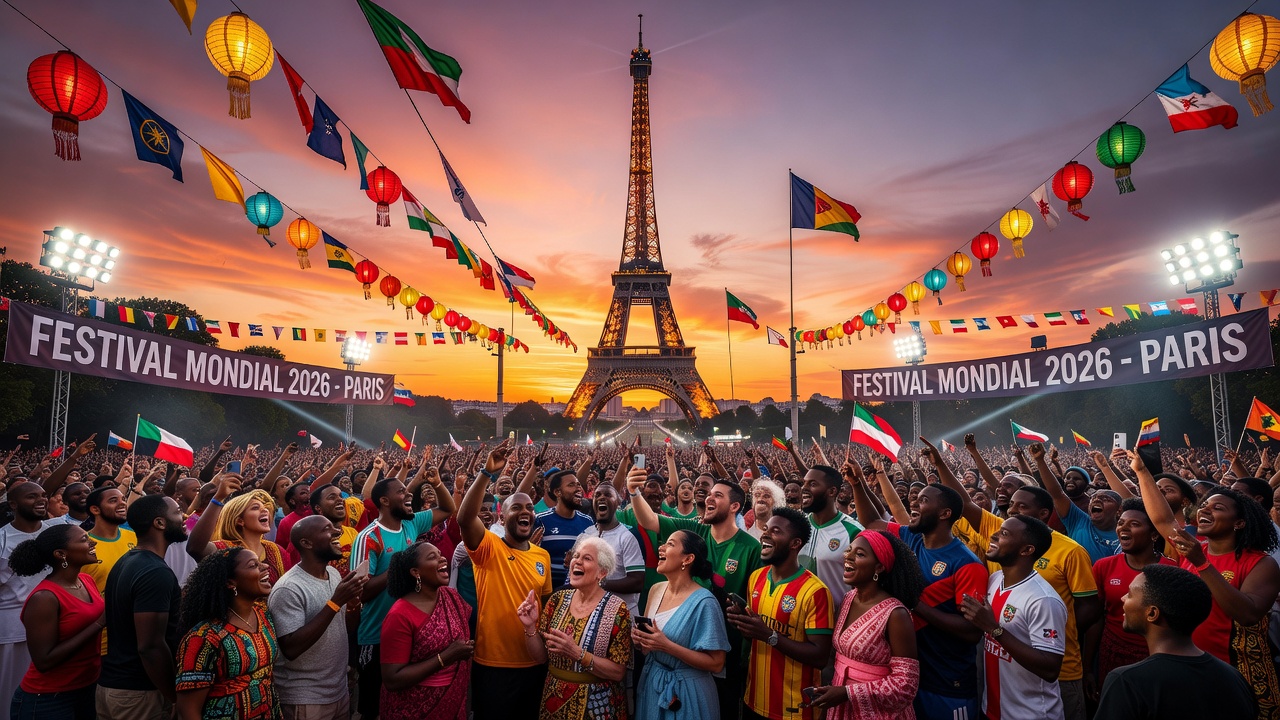
Aligning your travels with major 2026 festivals and sports events transforms ordinary trips into unforgettable experiences. This comprehensive guide helps travelers identify key events, integrate them into destination planning, and manage logistics effectively. Whether you're drawn to vibrant cultural celebrations or thrilling athletic competitions, strategic preparation ensures seamless journeys. Event-driven travel requires careful coordination of timing, transportation, accommodations, and local regulations to maximize enjoyment while minimizing stress. Travelers often search for ways to blend major happenings like international tournaments or cultural festivals with broader city or country explorations, creating layered itineraries that deliver both excitement and depth.
Identifying Top Festivals and Sports Events in 2026
Researching upcoming events starts with official calendars from governing bodies. The FIFA World Cup 2026 spans multiple North American host cities, while European festivals like those in Paris highlight seasonal highlights. In Brazil, Carnival remains a cornerstone event drawing global visitors. Cross-reference dates with reliable sources to confirm schedules and avoid conflicts. Additional events include the Winter Olympics in Milan-Cortina, various tennis grand slams, and regional music festivals across Asia and Europe. To build a robust list, subscribe to newsletters from tourism boards and monitor updates from sports federations. This proactive approach reveals hidden gems such as lesser-known cultural parades or niche sporting qualifiers that can enhance your overall trip without overwhelming your schedule.
Key Sports Events to Consider
- FIFA World Cup matches across host nations with group stage and knockout phases
- Winter Olympics in Milan-Cortina featuring alpine skiing, ice hockey, and figure skating
- Regional marathons, cycling tours, and tennis tournaments in major capitals
- Additional qualifiers for continental championships that may coincide with holiday periods
Major Festival Highlights
Cultural events such as Paris Fashion Week extensions and Brazilian Carnival parades offer immersive experiences. Use Olympics official resources for verified sports timelines and cross-check with local tourism portals for festival specifics. Understanding peak versus shoulder periods helps avoid peak pricing and overcrowding while still capturing the essence of each celebration.
Building Custom Itineraries Around Events
Start by selecting your primary destination and layering events into a flexible timeline. For example, combine a Paris cultural festival with nearby day trips to Versailles or the Loire Valley. Step-by-step: list must-see events, map locations using digital tools, allocate travel days between activities, and reserve buffers for rest or spontaneous discoveries. Incorporate local transport options early to optimize flow. Consider time zones if flying between continents and factor in jet lag recovery. A well-structured itinerary might dedicate mornings to event activities and afternoons to relaxed sightseeing, ensuring you return home with balanced memories rather than exhaustion.
Budget and Booking Comparisons for 2026 Travel
Compare accommodation rates across platforms while factoring in event-driven surges. Book flights and tickets months ahead for popular dates to secure better availability. Evaluate all-inclusive packages versus independent bookings for cost efficiency, especially when traveling to Brazil where regional variations in pricing and services apply. Look for bundle deals that combine event tickets with hotel stays or ground transfers. Always review cancellation policies, as event postponements can occur due to unforeseen circumstances. Practical comparisons reveal that mid-week arrivals often yield savings on lodging compared to weekend peaks surrounding major matches or parades.
Crowd Management Strategies
Peak events attract large numbers, so plan off-peak visits to venues or use timed-entry tickets where available. Download local apps for real-time updates on queues and transportation. Consider guided tours for priority access and insider knowledge. Sustainability plays a role here—opt for public transit to reduce environmental impact, as noted by UNEP guidelines. Additional tactics include arriving early for popular sites, using mobile check-ins, and choosing accommodations within walking distance of event hubs. These methods help maintain a sense of control even during the busiest periods.
Real-World Examples: Paris and Brazil
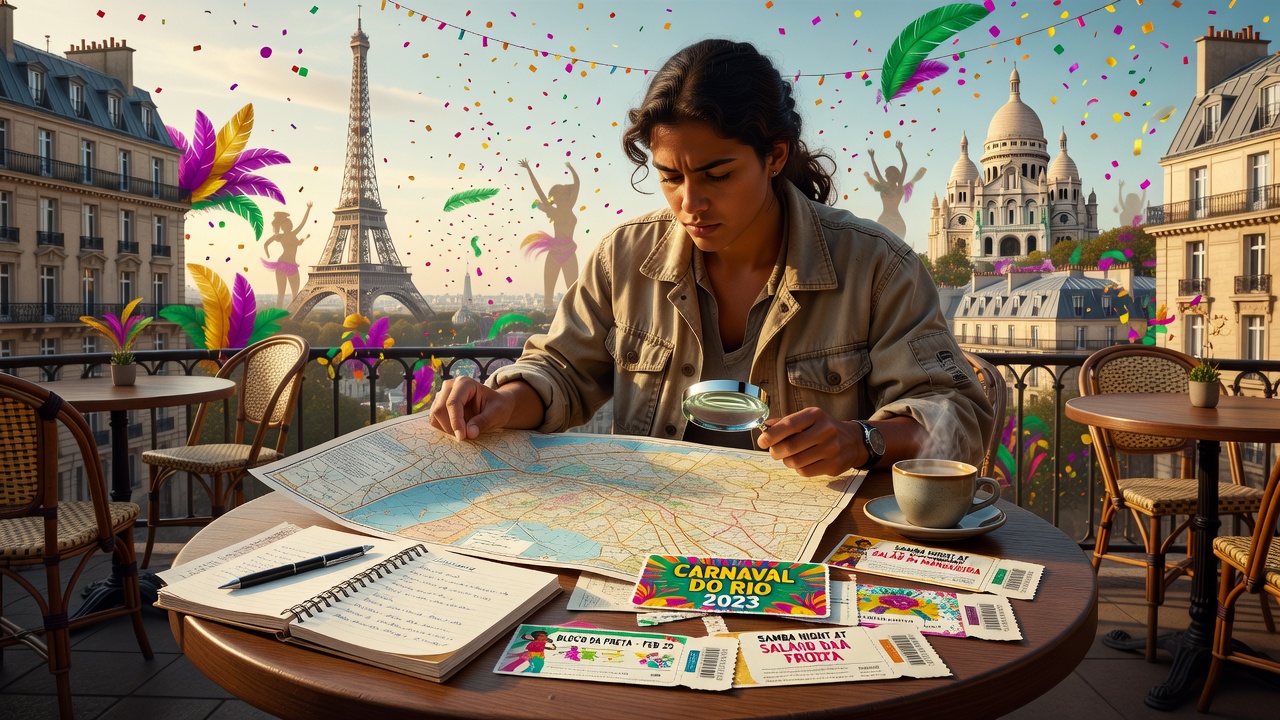
In Paris, integrate sports events with Seine river walks, museum visits, and neighborhood explorations for balanced days. A sample day might start with a morning match, followed by lunch in a local bistro and an evening cultural performance. Brazil offers Carnival in Rio alongside Amazon extensions for nature enthusiasts, allowing travelers to transition from urban festivities to eco-adventures. These cases demonstrate how event timing enhances overall destination appeal when woven into broader guides. Visitors to Brazil can pair Carnival with visits to historic sites in Salvador, while Paris planners might extend stays to include countryside markets after city events conclude.
Step-by-Step Process for Incorporating Events into Guides
- Compile event lists from authoritative calendars and tourism websites
- Assess visa requirements and entry rules for each destination
- Design daily schedules with flexibility for weather or delays
- Secure bookings for accommodations, tickets, and insurance
- Review sustainability practices and local regulations
- Test your itinerary with a trial run using maps and apps
- Adjust based on feedback from recent traveler forums
Practical Checklists for Travelers
- Verify event dates and ticket availability through official channels
- Pack appropriate attire for weather, crowds, and cultural norms
- Prepare digital and physical copies of passports, visas, and insurance
- Research local customs, etiquette, and emergency contacts
- Plan post-event recovery time and backup activities
- Confirm transportation routes and download offline maps
- Arrange health precautions such as vaccinations if required
FAQ: Common Concerns for 2026 Event Travel
How do visas impact event attendance?
Check requirements via official embassy sites well in advance, as processing times vary by nationality and event location. Some countries offer event-specific visa waivers that simplify entry for short stays.
What about sustainability during large events?
Choose eco-certified operators and minimize single-use plastics, aligning with global standards from organizations like WHO on health and environment. Supporting local vendors also contributes to positive community outcomes.
Can events be combined with family travel?
Yes, select family-friendly festivals and book child-appropriate accommodations to ensure enjoyable shared experiences. Many destinations provide special family packages and kid-focused activities alongside main events.
What mistakes should first-time event travelers avoid?
Over-scheduling days without rest periods, neglecting travel insurance, and failing to confirm ticket authenticity are common pitfalls. Always build in contingency days and verify all reservations twice.
Conclusion
Mastering 2026 event destination planning unlocks rewarding adventures. By following these strategies, travelers create personalized, efficient, and memorable trips that blend culture, sport, and exploration seamlessly while respecting local environments and communities.

No comments yet. Be the first!