 PlaceBee
Introduction to Group Travel Planning with 2026 Destination Guides
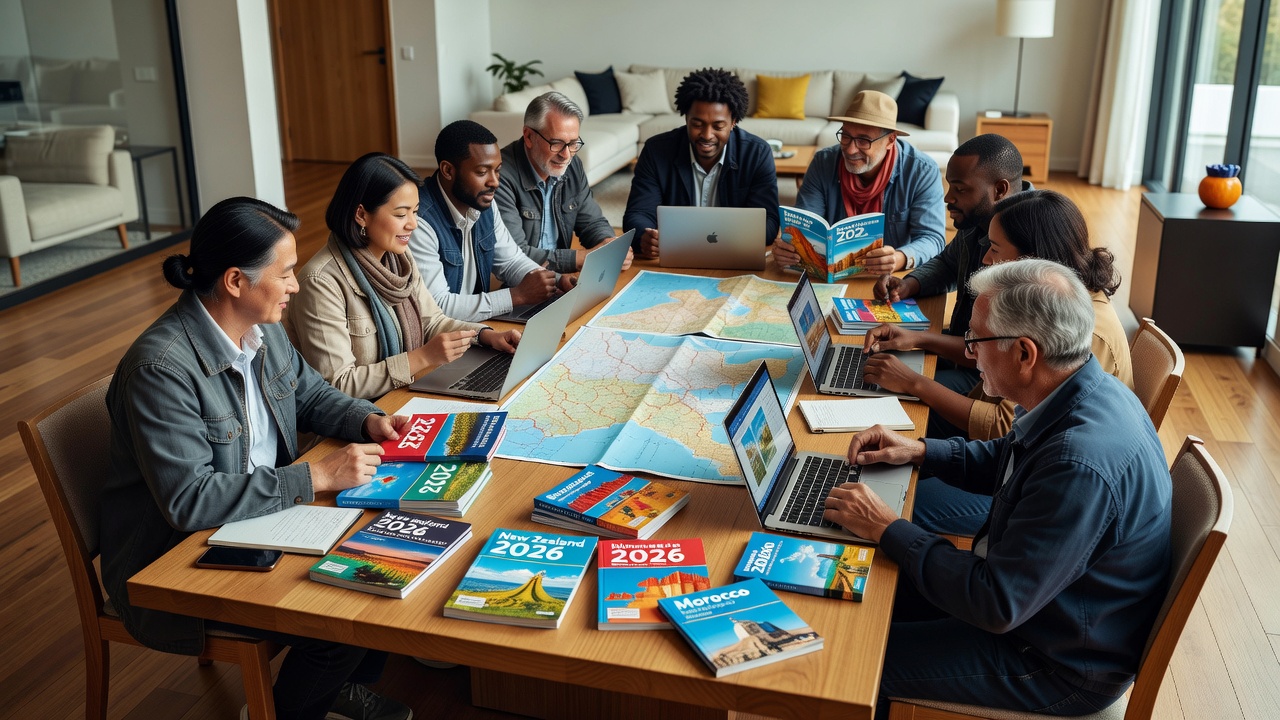
Planning a trip for a group of friends, family members, or colleagues involves juggling multiple preferences, schedules, and budgets. 2026 destination guides provide updated insights into destinations that accommodate large parties, helping coordinators streamline logistics like shared accommodations and group activities. These resources highlight destinations with flexible infrastructure and emerging trends for multi-person travel. Groups often face challenges such as aligning diverse interests, managing transportation for everyone, and ensuring accessibility for all ages or mobility levels. By leveraging comprehensive city and country guides, planners can access real-time data on crowd levels, seasonal events, and infrastructure improvements specific to 2026.
Using destination guides effectively reduces stress by offering data on crowd levels, accessibility, and group discounts. Travelers can compare options across cities and countries to find spots that balance adventure with relaxation. For instance, guides frequently update sections on sustainable tourism practices and digital booking platforms that support bulk reservations. This approach ensures that even complex trips, such as multi-generational family reunions or corporate team-building retreats, proceed smoothly from start to finish.
Selecting Group-Friendly Destinations in 2026
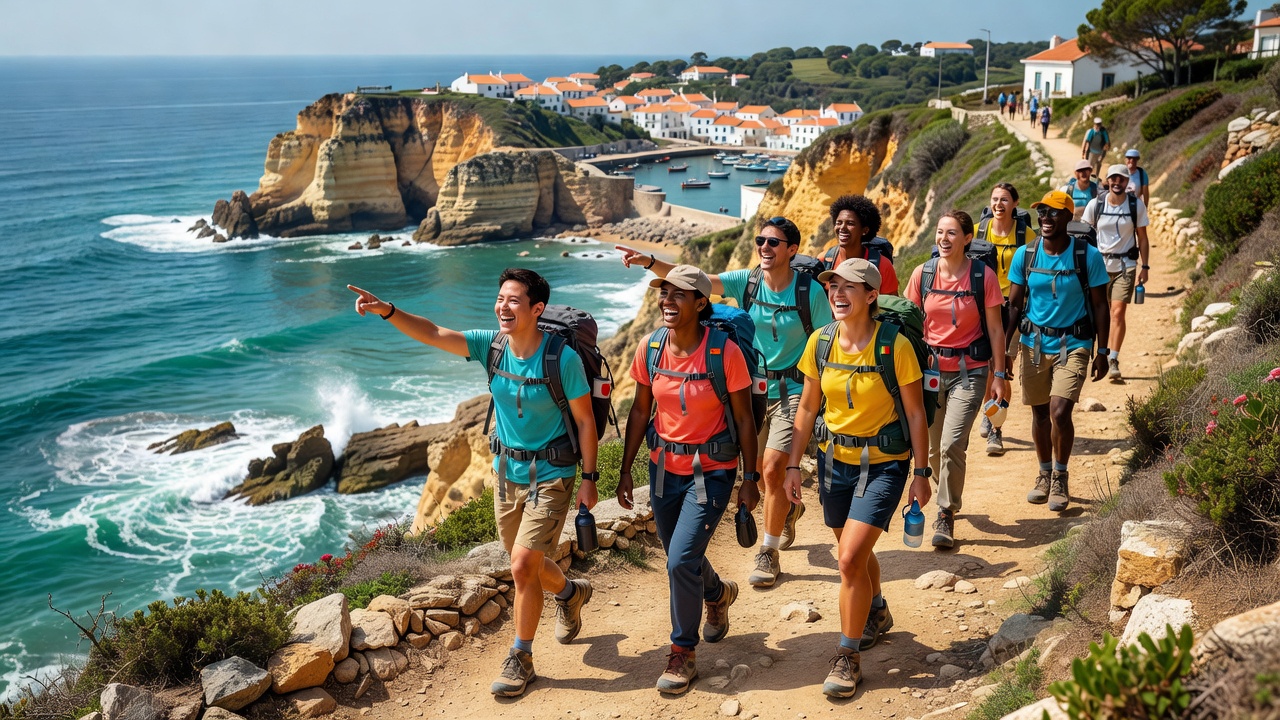
Choose destinations with ample space for group bonding and easy navigation. Popular options include coastal areas in Portugal and national parks in Canada, where guides note wide pathways and communal dining options. Consider factors like visa requirements for international groups and seasonal weather patterns updated for 2026. Additional strong contenders are cities like Barcelona for its extensive public spaces and Kyoto for its blend of cultural sites that appeal to varied age groups. Guides emphasize locations with reliable Wi-Fi coverage and nearby medical facilities to handle any group emergencies.
Look for locations with strong public transport networks or private shuttle services to move everyone efficiently. Guides often flag cities with large villas or connected hotel blocks ideal for teams. When evaluating options, review 2026 updates on eco-friendly transport like electric group shuttles and accessibility certifications for wheelchair users or families with strollers. This careful selection process helps avoid common pitfalls like overcrowded tourist hubs that can frustrate larger parties.
Step-by-Step Planning Process
Follow this structured approach to organize your journey:
- Define group size, dates, and core interests using input from all members through surveys or video calls.
- Consult 2026 destination guides for top matches and cross-reference with current entry rules from official sources.
- Book accommodations and transport early, prioritizing properties with group rates and flexible cancellation terms.
- Create a shared itinerary incorporating varied activities that cater to different energy levels and preferences.
- Confirm details two weeks before departure and adjust for any changes, including weather or policy updates.
- Finalize packing lists and communication protocols to keep everyone aligned throughout the trip.
This method ensures nothing falls through the cracks during coordination. Each step builds on the previous one, creating a solid foundation that accommodates last-minute adjustments common in group dynamics.
Dividing Responsibilities with Guide Tools
Assign roles based on strengths: one person handles flights, another manages meals, and a third oversees activities. Many 2026 guides include templates for shared spreadsheets and apps that track tasks in real time. This division prevents overload and promotes collaboration. For example, a designated leader might use integrated tools from the guides to monitor RSVPs for excursions while another tracks dietary accommodations across the group.
Practical tools highlighted in these guides often include collaborative platforms that sync with popular calendar apps, allowing seamless updates. Groups that divide tasks this way report higher satisfaction rates because responsibilities feel manageable rather than overwhelming. Incorporate regular check-ins via group messaging to address emerging issues promptly.
Budgeting Comparisons for Groups
Compare costs across destinations by examining per-person averages for lodging, meals, and excursions. Guides provide breakdowns that highlight value destinations versus premium ones, allowing groups to allocate funds wisely without surprises. Focus on qualitative factors such as value for money in mid-range versus luxury categories, and factor in hidden expenses like tips or local taxes. 2026 guides often include side-by-side comparisons of regions, helping planners identify areas where group discounts on attractions can significantly reduce overall outlays.
Real-World Examples of Successful Group Journeys
A family of eight used a European city guide to plan a week in Lisbon, dividing days between cultural tours and beach time while using shared apps for real-time updates. Another corporate team followed a Canadian wilderness guide for a retreat, resulting in stronger team bonds through structured yet flexible activities like guided hikes and evening discussions. A group of college friends applied a Southeast Asian country guide to organize a two-week adventure in Thailand, successfully balancing beach relaxation with temple visits by splitting into interest-based subgroups for certain days. These examples demonstrate how destination guides provide actionable frameworks that adapt to different group types and trip lengths.
Coordination Checklists
- Collect dietary restrictions and activity preferences from everyone in advance using digital forms.
- Verify insurance coverage for the full group and share policy details.
- Prepare emergency contact lists and share digital copies via secure apps.
- Test group communication apps before travel to ensure reliability abroad.
- Review cancellation policies for all bookings and note any 2026-specific flexibility options.
- Confirm transportation arrangements including airport transfers for the entire party.
- Research local customs and etiquette relevant to the chosen destinations.
- Schedule downtime in the itinerary to prevent group fatigue.
Addressing Common Challenges: FAQ
How do we handle conflicting activity preferences?
Split into smaller subgroups for part of the day, then reconvene for meals. Guides often suggest hybrid destinations with options for both active and relaxed pursuits, such as cities offering both hiking trails and museum circuits.
What about dietary needs in a large group?
Research restaurants with customizable menus ahead of time and book accommodations with kitchen access for self-catering flexibility. Many 2026 guides list establishments experienced with group dietary accommodations including vegetarian, gluten-free, and allergy-safe options.
Are there 2026-specific updates for group travel?
Many guides now emphasize sustainable transport options and digital health tracking tools to comply with evolving international standards. Check resources like World Health Organization travel advice for the latest health protocols.
How can guides help with last-minute changes?
Updated 2026 editions include sections on flexible booking partners and contingency planning, allowing groups to pivot quickly if weather or regulations shift.
Incorporating City and Country Guides Effectively
Combine city-specific guides for urban exploration with broader country overviews for regional context. This layered approach reveals hidden gems and practical logistics such as inter-city rail passes suitable for groups. For deeper insights, cross-reference multiple guides to validate recommendations on popular versus lesser-known attractions.
Mistakes to Avoid in Group Travel Planning
Common errors include failing to gather input from all members early, overlooking accessibility needs, and underestimating buffer time between activities. 2026 guides warn against booking non-refundable options without group consensus and neglecting to confirm group size limits at venues. Avoiding these pitfalls leads to more enjoyable and stress-free experiences.
Conclusion
2026 destination guides transform complex group travel into manageable adventures by providing targeted advice on logistics and destinations. Apply these strategies to create memorable experiences that suit every participant. By following detailed planning processes and using collaborative tools, groups can enjoy seamless journeys tailored to their unique needs.

No comments yet. Be the first!