 PlaceBee
Introduction: Elevating Your Photography with Strategic Guide Use
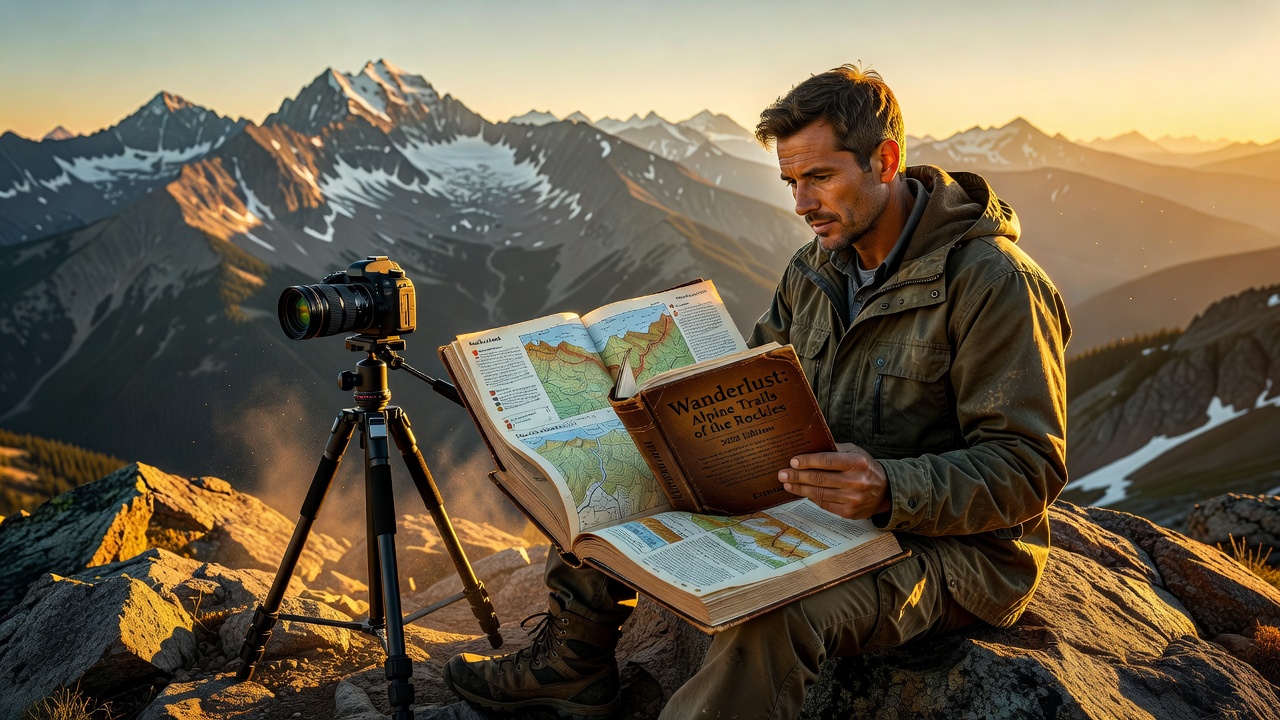
Travel guides have evolved far beyond basic itineraries into powerful resources for visual storytellers. For photographers planning 2026 adventures, they serve as essential tools for identifying prime shooting locations, understanding seasonal light conditions, and accessing hidden gems while avoiding crowds. Whether you are a beginner building your first portfolio or an advanced user refining your visual storytelling techniques, integrating guides systematically can transform ordinary trips into extraordinary image-making opportunities. This comprehensive guide explains practical integration of city guides, destination guides, and country guides into your workflow, supported by real-world examples from Europe, Asia, and Africa.
Choosing the Right Guides for Photography Focus
Start by selecting guides that emphasize visual elements rather than generic sightseeing. City guides often detail neighborhood walks with photogenic architecture, street scenes, and urban textures that change with the time of day. Destination guides highlight natural landmarks, viewpoints, and seasonal access details such as trail openings or wildlife migration periods. Country guides provide broader context like regional festivals, border logistics, and climate variations that create unique backdrops across multiple locations. Look for 2026 editions that include updated maps with GPS coordinates and notes on golden hour timing. Cross-reference multiple sources to verify access restrictions that may change yearly due to environmental or cultural factors. Authoritative publishers like Lonely Planet and National Geographic frequently incorporate photography-specific annotations that help users prioritize visually compelling sites.
Understanding Lighting Conditions and Seasonal Access
Lighting is the foundation of compelling photography, and quality travel guides break down how light interacts with landscapes throughout the year. Pay close attention to sections describing sunrise and sunset angles, shadow patterns in canyons, and how weather patterns affect visibility. For instance, guides may note that certain alpine locations offer soft diffused light only during shoulder seasons. Seasonal access information prevents wasted trips; many mountain passes or coastal areas close during winter months or become inaccessible due to flooding. By aligning your shoot dates with these details, you maximize opportunities for dramatic skies and vibrant colors that define standout images.
Step-by-Step Integration for Location Scouting
Turn passive reading into actionable scouting plans with this repeatable process. First, mark potential sites from the guide on a digital map application while noting elevation and terrain difficulty. Second, cross-check lighting notes against reliable sunrise and sunset calculators to determine exact shooting windows. Third, plan efficient routes that connect nearby spots, allowing you to move quickly between locations during optimal light. Fourth, review seasonal access sections to avoid closed trails, permit requirements, or festivals that might obstruct views. Finally, create backup options in case weather shifts unexpectedly. This methodical approach ensures you arrive prepared rather than relying on chance.
Gear Recommendations Tied to Specific Routes
Matching equipment to the demands outlined in guides prevents unnecessary weight and missed shots. Lightweight mirrorless kits with versatile zoom lenses suit urban city guide routes that involve extensive walking through narrow streets. For remote country guide destinations involving long hikes, pack weather-sealed camera bodies, extra batteries, and lightweight carbon-fiber tripods. Destination guides focused on expansive landscapes often recommend wide-angle lenses paired with neutral density filters for long exposures. Always consider the physical demands described in difficulty ratings and pack accordingly to maintain mobility without sacrificing image quality.
Popular vs Hidden Sites: A Comparison
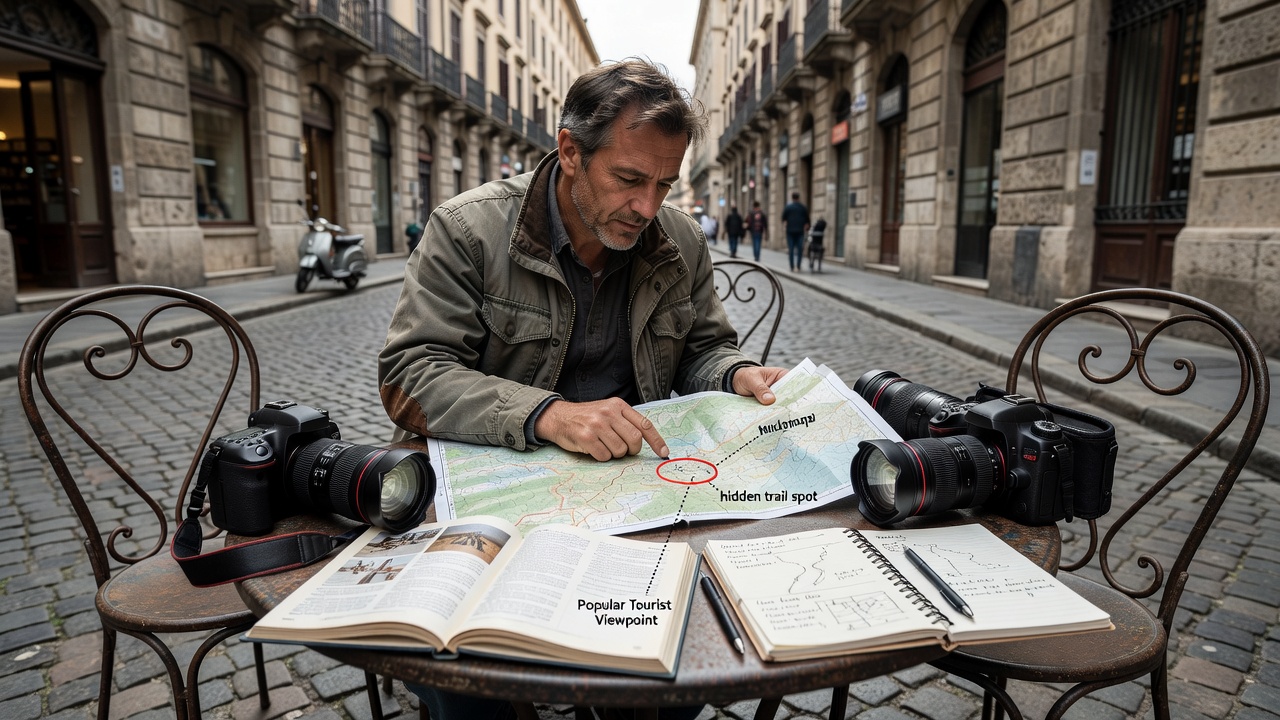
Popular sites deliver reliable compositions and iconic views but frequently suffer from overcrowding that disrupts creative flow. Hidden sites highlighted in lesser-known guide sections provide unique angles with fewer interruptions, allowing for more experimental compositions. The most effective strategy balances both: visit popular locations during the earliest golden hour when crowds are minimal, then use guide recommendations to locate quieter alternatives for midday or late afternoon sessions. This comparison helps photographers decide when to follow the well-trodden path and when to venture off it for fresher perspectives.
Real-World Examples from Three Continents
In Europe, a detailed city guide for Prague reveals lesser-known bridges and riverside vantage points ideal for reflection shots during blue hour, complete with notes on tram schedules that help photographers reach locations before dawn. In Asia, destination guides for Japan’s rural regions outline precise cherry blossom viewing windows for 2026, including elevation-based timing that varies by prefecture and suggestions for side trails that avoid main tourist paths. African country guides for Namibia emphasize dune photography at sunset while stressing ethical wildlife distance guidelines to protect sensitive ecosystems. These examples demonstrate how guides translate abstract advice into concrete shooting plans across vastly different environments.
Building a Photography Itinerary Around Guides
Once scouting is complete, synthesize information into a day-by-day itinerary. Allocate mornings to landscape work when light is softest, afternoons to cultural or street photography in shaded urban areas, and evenings to long-exposure experiments. Include buffer days for weather contingencies and rest. Incorporate travel time estimates from the guides so you never rush between locations during critical light periods. This structured yet flexible plan keeps energy levels high and creative decisions deliberate.
Common Mistakes to Avoid
Many photographers overlook permit requirements listed in small print or ignore crowd warnings for peak seasons. Another frequent error is failing to verify current access after a guide’s publication date, which can lead to closed roads or changed viewpoints. Overpacking gear based on optimistic route descriptions is also common; always test your kit on shorter local outings first. Finally, neglecting ethical considerations can damage both your reputation and the locations you visit.
Ethical Shooting Checklist
- Obtain all required permits mentioned in the guide well in advance.
- Respect clearly marked no-photography zones at cultural or religious sites.
- Minimize environmental impact by staying strictly on designated paths.
- Support local communities by purchasing guidebooks from regional authors when possible.
- Practice leave-no-trace principles and avoid disturbing wildlife for the sake of a shot.
FAQ: Avoiding Crowds and Maximizing Golden Hour
How do I avoid crowds using guides? Prioritize locations listed as off-peak in seasonal sections and arrive 30 to 60 minutes before official sunrise times. Midweek visits and shoulder months further reduce foot traffic.
What if golden hour conflicts with guide-suggested times? Adjust for local topography such as mountains that delay sunrise or accelerate sunset, and cross-reference printed notes with digital tools for precision.
Are digital guides better than print? The strongest approach combines both formats: digital versions offer interactive maps and real-time updates while print editions provide reliable offline access in remote areas without signal.
Can guides help with post-processing inspiration? Many modern editions include photographer notes on color palettes and composition styles that can guide your editing decisions later.
Conclusion
By systematically applying travel guides to your 2026 photography plans, you gain precise control over locations, lighting conditions, gear choices, and ethical practices. The result is stronger visual storytelling that resonates with viewers and stands out in an increasingly competitive field. Start integrating these resources early in your planning process and refine your approach with each new destination.

No comments yet. Be the first!