 PlaceBee
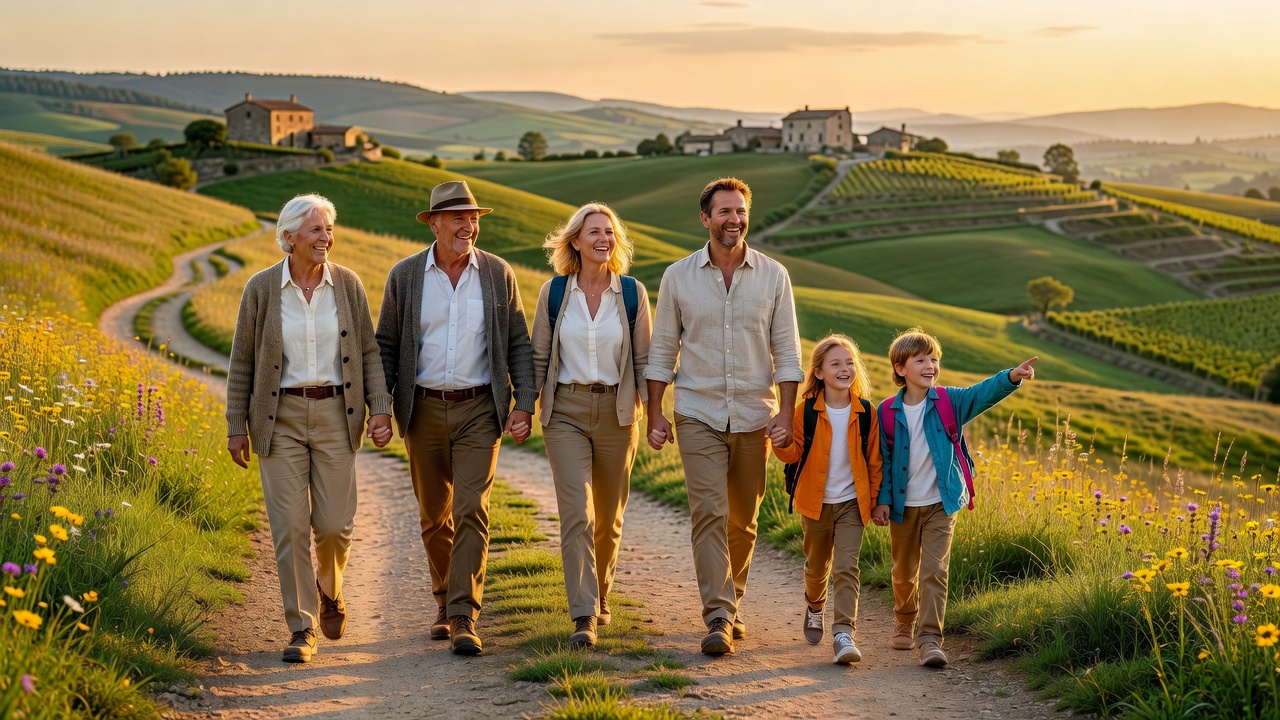
Introduction to Multigenerational Family Travel in 2026
Planning a multigenerational trip requires careful coordination to ensure every family member, from toddlers to grandparents, enjoys the experience. This guide provides practical steps for building effective family destination guides that address diverse needs and search intent from parents seeking inclusive 2026 travel options. Multigenerational trips strengthen family bonds while creating lasting memories. Success depends on thoughtful preparation that balances adventure with comfort and accessibility. In 2026, families are increasingly prioritizing destinations that offer seamless integration of relaxation, education, and light adventure, making it essential to develop comprehensive guides that account for physical abilities, interests, and schedules across age groups. Parents often search for resources that simplify the overwhelming task of aligning expectations, which is why this how-to approach focuses on actionable frameworks rather than generic suggestions.
Destination Selection Criteria for All Ages
Choosing the right destination starts with evaluating factors that appeal across generations. Prioritize locations with mild climates, reliable infrastructure, and a mix of relaxation and exploration opportunities. Consider safety ratings, healthcare access, and ease of transportation to reduce stress for older travelers. Additional criteria include the availability of diverse dining options to accommodate dietary needs, proximity to pharmacies and hospitals, and overall walkability or public transport quality. Families should also assess cultural events or seasonal festivals that can engage both children and seniors without requiring intense physical exertion. Researching local regulations around family travel, such as entry requirements for minors, helps avoid last-minute complications. When narrowing options, create a weighted scoring system where each family member contributes input on must-have features like green spaces for kids or historical depth for adults.
Age-Appropriate Activities and Experiences
Effective family destination guides segment activities by age group. Young children benefit from interactive museums and short nature walks, while teenagers may prefer guided cultural tours or water sports. Seniors often enjoy scenic viewpoints, historical sites with seating, and culinary experiences. Balance the itinerary with downtime. Include options like private tours that accommodate varying energy levels. For instance, split days into morning group activities followed by afternoon free time where individuals can choose rest or independent exploration. Incorporate educational elements such as guided storytelling sessions at landmarks to keep younger travelers engaged while providing context for older ones. 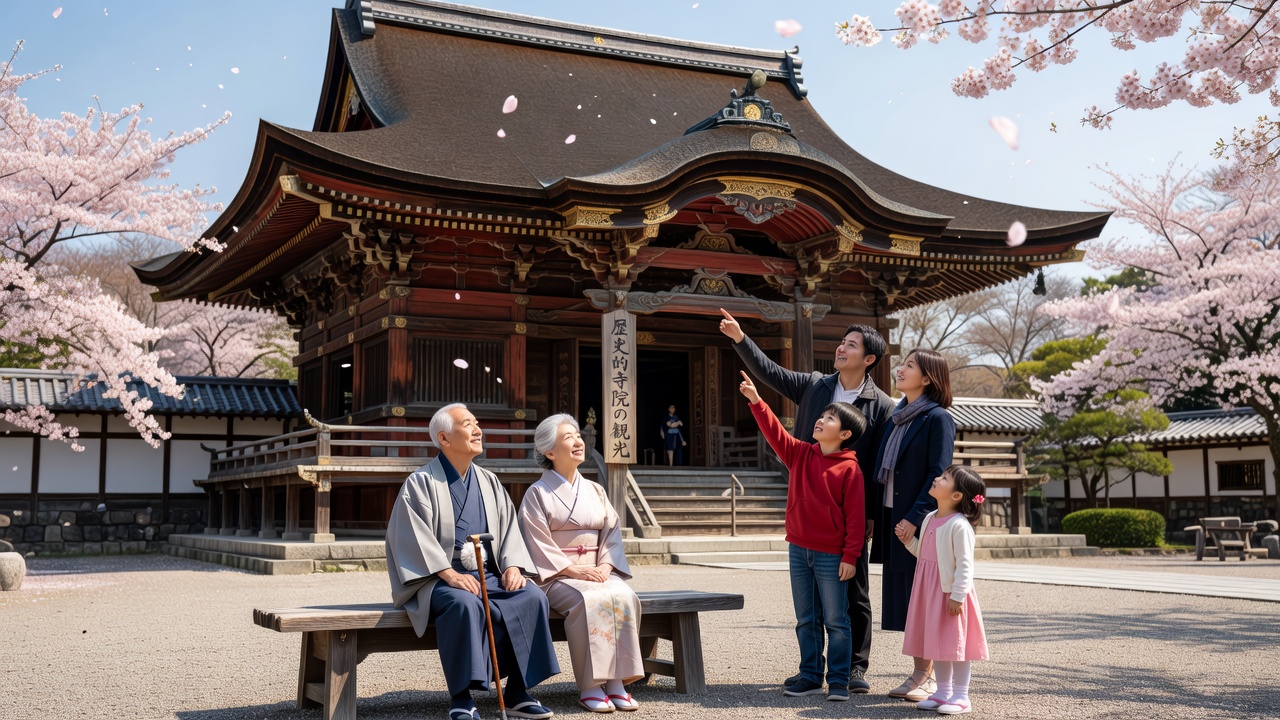
Accessible Accommodations and Logistics
Accommodations should feature ground-floor rooms, elevators, and nearby medical facilities. Look for properties with family suites or connecting rooms to keep everyone together. Verify accessibility features such as ramps and adapted bathrooms in advance. Beyond basic amenities, evaluate properties for noise levels, proximity to attractions, and availability of in-house dining or kitchenettes for preparing special meals. Logistics planning extends to transportation: reserve vehicles with ample space for mobility aids and strollers, and pre-book train or flight seats that allow families to sit together. Digital tools for real-time updates on delays or route changes prove invaluable during the journey.
Budgeting Strategies for Multigenerational Groups
Budgeting involves grouping expenses by category: transportation, lodging, meals, and activities. Use flexible booking options and consider shoulder seasons for better value. Allocate funds for unexpected needs like mobility aids or specialized dietary requirements. Track costs through shared spreadsheets accessible to all adult planners, and build in buffers for inflation or currency fluctuations. Focus on value-added experiences such as multi-day passes that cover multiple attractions, reducing per-person outlays while maximizing participation. Qualitative approaches like prioritizing free public parks alongside paid highlights help stretch resources without compromising enjoyment.
Step-by-Step Guide to Customizing Country Guides
- Research visa and entry requirements for all ages, consulting official government resources early in the process.
- Map major regions with family appeal, highlighting clusters of attractions suitable for mixed mobility levels.
- Compile transportation networks and local customs, noting any cultural etiquette that might affect group interactions.
- Integrate seasonal highlights and health advisories from trusted sources like World Health Organization.
- Test the guide against sample itineraries, soliciting feedback from family members to refine pacing and inclusions.
Step-by-Step Guide to Customizing City Guides
- Identify central neighborhoods with mixed attractions that minimize daily travel time between sites.
- List daily activity clusters within walking distance or short transit rides, ensuring rest areas are nearby.
- Note dining options for varied diets, including vegetarian, gluten-free, and senior-friendly menus.
- Include emergency contacts and pharmacy locations, along with translation apps for non-English speakers.
- Adjust pacing for multi-day stays by alternating high-energy days with lighter ones to prevent fatigue.
Real-World Examples: Italy and Japan
Italy offers multigenerational appeal through its blend of history, cuisine, and coastal relaxation. Families can explore Rome's ancient sites in the morning and unwind at Tuscan villas in the afternoon, with options for gelato tastings that delight all ages. In Florence, art workshops provide creative outlets for children while grandparents appreciate Renaissance architecture at a leisurely pace. Coastal areas like the Amalfi Coast feature scenic boat rides that require minimal walking yet deliver stunning views. Japan provides efficient rail travel and serene temples alongside modern attractions like interactive technology exhibits, making it ideal for mixed-age groups. Tokyo's blend of traditional gardens and futuristic districts allows flexible scheduling, while Kyoto's temples offer quiet reflection spots. Bullet train journeys between cities add excitement without long drives, and onsen experiences can be adapted for family participation with private options.
Family-Friendly Options vs. Solo or Couple Itineraries
Family itineraries emphasize shared experiences and flexibility, unlike solo trips that focus on personal pacing or couple getaways centered on romance. Multigenerational plans often require larger vehicles, group discounts, and more rest stops compared to independent travel styles. Solo travelers might opt for adventurous hikes or late-night cultural events, whereas family versions substitute these with stroller-accessible paths and early-evening performances. Couple-focused trips may prioritize intimate dining, but family guides expand menus to include child portions and allergy accommodations, fostering inclusivity across the board.
Practical Checklists for Trip Preparation
- Medical records and prescriptions for every traveler, including vaccination updates and allergy information
- Activity reservations booked in advance with cancellation policies clearly noted
- Emergency contact lists shared digitally across multiple devices and printed copies
- Travel insurance covering all generations with clear policy details on pre-existing conditions
- Packing lists segmented by age group, including comfort items like favorite toys or medications
- Communication plans such as group chats and daily check-in times to maintain connection
- Backup plans for weather disruptions or health issues, including alternative indoor activities
Common Mistakes to Avoid in Multigenerational Planning
One frequent error is over-scheduling without sufficient buffer time, leading to exhaustion among seniors and young children. Another is failing to confirm accessibility details directly with venues rather than relying on outdated websites. Families sometimes neglect to discuss individual preferences beforehand, resulting in mismatched expectations. To mitigate these, hold pre-trip meetings to align on priorities and conduct trial runs of key logistics like airport transfers.
FAQ: Addressing Health and Logistics Concerns
How do we handle health needs across generations? Consult family physicians early and pack comprehensive first-aid kits. Choose destinations with strong healthcare systems and review advisories from World Health Organization resources. Carry copies of medical histories and consider travel insurance that includes evacuation coverage.
What about transportation logistics? Opt for private transfers or accessible public transit passes. Plan shorter daily travel segments and reserve seats with extra legroom where possible. Test mobility equipment compatibility with chosen transport modes in advance.
How can we manage dietary restrictions? Research restaurants in advance and communicate needs when booking accommodations. Carry translation cards listing allergies in the local language for added safety.
What if weather or unexpected events disrupt plans? Build flexible days into the itinerary and identify indoor alternatives like museums or shopping centers suitable for all ages. Monitor forecasts through reliable apps and adjust accordingly.
How do we involve all generations in decision-making? Use simple surveys or family meetings to gather input on top interests, ensuring younger members feel heard while respecting senior preferences for lower-intensity options.
Conclusion
Creating thorough family destination guides for 2026 ensures multigenerational trips are enjoyable and stress-free. By focusing on inclusive criteria, structured planning, real examples from Italy and Japan, and proactive checklists, families can design journeys that cater to everyone while minimizing potential challenges. This comprehensive approach transforms complex logistics into memorable shared adventures.

No comments yet. Be the first!