 PlaceBee
Introduction to 2026 Stargazing Adventures
Planning a celestial escape in 2026 requires thoughtful preparation to maximize views of the Milky Way, planets, and seasonal meteor showers. This guide helps astronomy enthusiasts identify prime locations while addressing common challenges like light pollution and weather variability. Whether you are a beginner or an experienced observer, understanding the nuances of dark sky travel ensures memorable experiences under pristine night skies.
Understanding Light Pollution and the Bortle Scale
Light pollution remains the primary barrier to quality stargazing. The Bortle scale classifies skies from Class 1 (excellent dark-sky site) to Class 9 (inner-city sky). Class 1 and 2 locations reveal thousands of stars and the full structure of the Milky Way. Urban areas often fall into Class 7 or higher, washing out faint objects. Tools such as light pollution maps help identify suitable spots before travel.
Selecting Ideal Dark Sky Locations
Dark sky sites are evaluated using the Bortle scale, where Class 1 or 2 areas offer the clearest views. Factors include altitude, minimal artificial lighting, and low humidity. Beginners should prioritize locations with public access and ranger programs for safety. High-elevation deserts and remote mountain ranges consistently rank highest because dry air reduces atmospheric interference. Always verify land-use permissions and check for seasonal closures that could affect access.
City Versus Remote Country Guides Comparison
Urban stargazing is limited by light pollution, making constellations harder to spot without filters. Remote countryside sites provide superior clarity but demand more logistics like four-wheel drive access and emergency supplies. City outskirts with designated parks offer a middle ground for shorter trips. Remote areas excel for deep-sky objects, while cities suit quick planetary observations with apps for guidance. For example, a suburban park might allow views of Jupiter and its moons, yet the same location obscures the Andromeda Galaxy. Remote destinations unlock nebulae and star clusters that remain invisible near cities. Travelers should weigh travel time, accommodation options, and personal comfort levels when choosing between these environments.
Real Examples: Chile and Iceland Sites
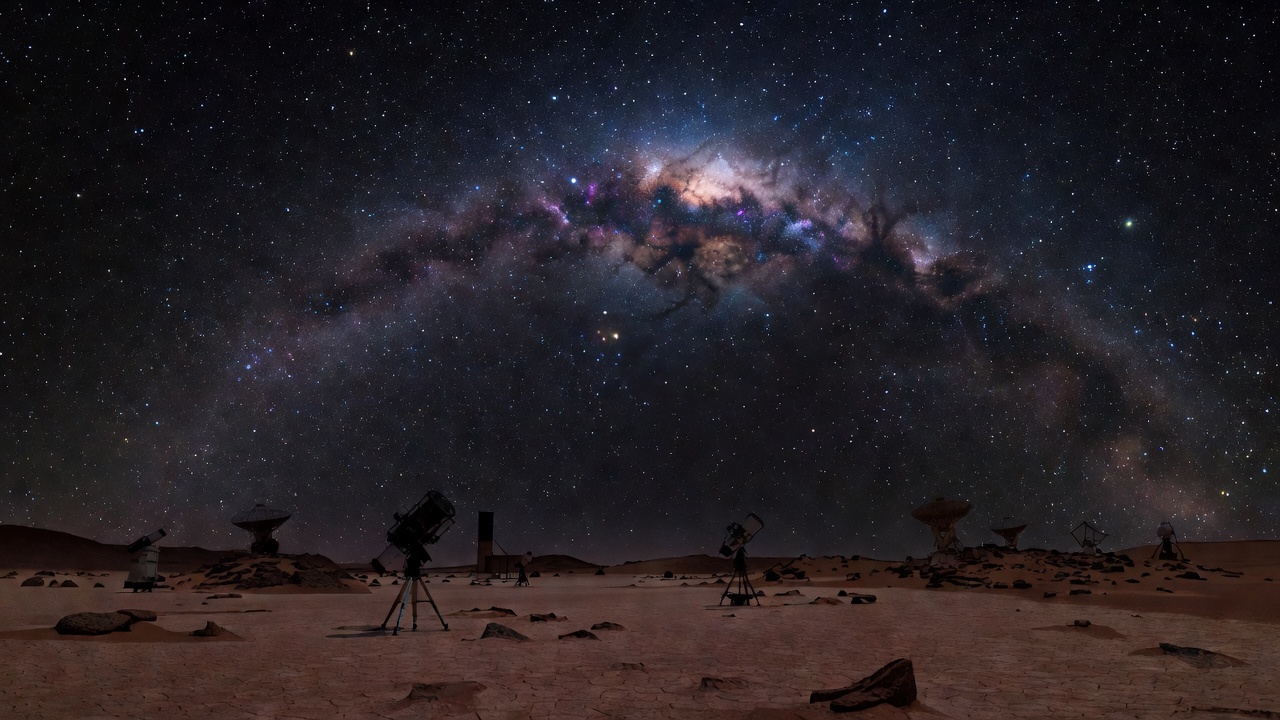
Chile's Atacama Desert stands out due to its high altitude and dry air. The European Southern Observatory operates world-class facilities here, allowing visitors to join public tours. ESO official resources detail viewing schedules. Specific spots such as the ALMA observatory area and San Pedro de Atacama offer guided sessions with professional telescopes. Clear skies persist year-round, though winter months deliver the sharpest views of the southern celestial hemisphere.
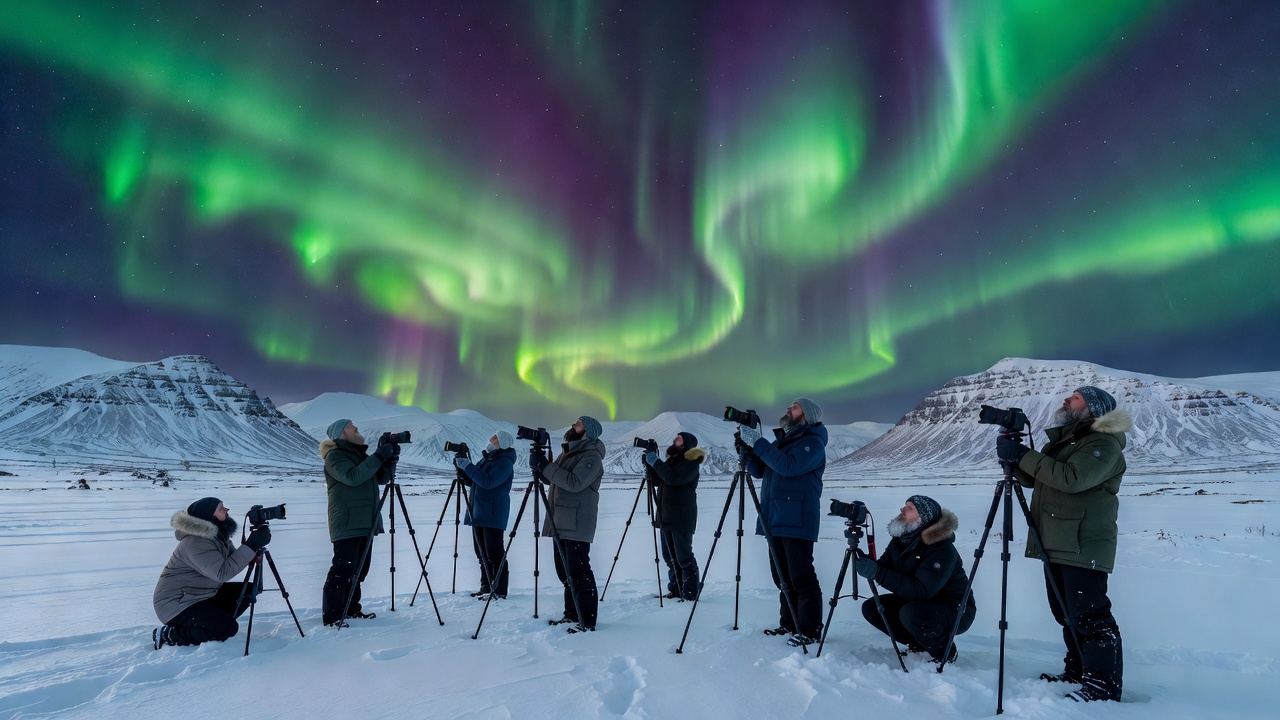
Iceland offers dramatic aurora displays alongside starry skies, especially in the countryside near Thingvellir National Park. Seasonal darkness from autumn through spring enhances opportunities. Additional sites like the Snæfellsnes Peninsula provide low light pollution combined with dramatic volcanic landscapes. Local operators often combine stargazing with cultural storytelling about Norse constellations.
Seasonal Viewing Tips for 2026
Northern Hemisphere spring favors globular clusters, while southern summer highlights the galactic center. Check lunar calendars to avoid full moon interference. In 2026, major meteor showers peak in August and December, aligning with clearer atmospheric conditions in both hemispheres. Plan around the Perseid shower in mid-August for northern latitudes and the Geminid shower in December for reliable displays. Southern observers benefit from clear views of the Magellanic Clouds during their summer months. Always monitor solar activity forecasts, as heightened solar flares can influence auroral visibility even at mid-latitudes.
Packing Essentials for Night Sky Trips
Proper gear improves comfort and safety during long nights outdoors. Key items include red-light headlamps to preserve night vision, layered clothing for temperature drops after sunset, portable power banks for device-dependent apps, binoculars or entry-level telescopes with sturdy tripods, and weatherproof notebooks for logging observations. Additional recommendations cover insulated mats for ground seating, insect repellent suited to nocturnal conditions, and backup batteries rated for cold temperatures. Consider a small first-aid kit and a whistle for remote-area emergencies.
Practical Steps for Booking Guided Tours and Using Apps
Start by researching operators accredited by astronomy associations at least three months ahead. Verify cancellation policies and group sizes. Download Stellarium or SkySafari for real-time sky maps, and cross-reference with official weather services for cloud cover predictions. Apps also provide light pollution maps to refine site selection on the go. For guided experiences, platforms connected to national park services often list certified guides. Confirm equipment provided by the tour operator versus items you must bring yourself. International travelers should review visa requirements and altitude acclimatization advice when heading to high-desert locations.
Mistakes to Avoid When Planning 2026 Trips
- Underestimating weather changes at night, leading to hypothermia risks
- Ignoring moon phases and scheduling during bright lunar periods
- Choosing sites without checking recent light pollution reports
- Overpacking heavy equipment without considering transport limitations
- Skipping local regulations regarding drone use or campfires near observatories
Health and Safety Considerations
Extended exposure to cold night air requires hydration and rest breaks. High-altitude sites demand awareness of altitude sickness symptoms. Always inform someone of your exact location and expected return time when venturing into remote areas. Carry printed maps in addition to digital navigation tools in case of signal loss.
FAQ on Equipment for Beginners
- What telescope suits first-time users? A 4- to 6-inch Dobsonian reflector balances portability and power.
- Are filters necessary? Light pollution filters help in semi-rural zones but are optional at true dark sites.
- How to maintain gear in cold climates? Store batteries inside clothing and acclimate optics gradually to prevent condensation.
- Which apps provide the best star maps? Stellarium, SkySafari, and Star Walk 2 offer accurate real-time positioning and constellation identification.
- Is a tracking mount required? Entry-level users can start without one, though motorized mounts improve long-exposure photography results.
Conclusion
With strategic planning around dark skies, seasonal windows, and reliable tools, 2026 promises unforgettable nights under the stars. Apply these insights to craft personalized itineraries that blend adventure with discovery. Sustainable practices such as minimizing artificial light and respecting natural habitats ensure these destinations remain pristine for future generations of sky watchers.


No comments yet. Be the first!