 PlaceBee
Introduction to Crafting Foodie Destination Guides
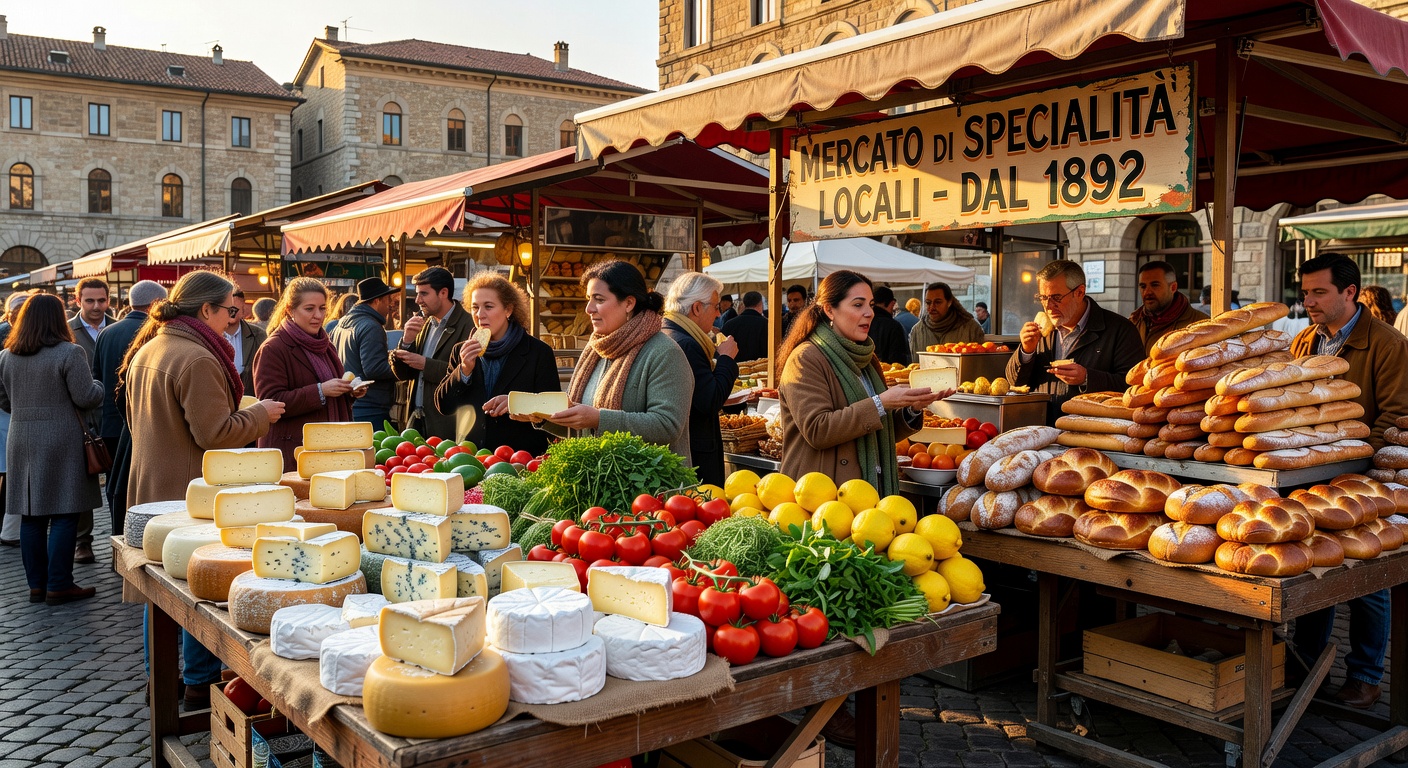
Travelers in 2026 are shifting their priorities toward immersive culinary adventures rather than conventional sightseeing. Specialized foodie destination guides cater to this demand by highlighting unique cuisines, vibrant local markets, and tucked-away eateries while emphasizing authenticity, seasonality, and emerging trends like sustainable sourcing. These guides transform ordinary trips into memorable journeys centered on food culture, cultural exchange, and responsible travel practices. By focusing on both well-known cities and off-the-beaten-path rural areas, creators can deliver comprehensive resources that appeal to food enthusiasts seeking deeper connections with destinations. This article explores proven methods for developing such guides, complete with real-world examples from Asia and Europe, practical checklists, and strategies for incorporating 2026 sustainability trends.
Selecting Top City and Country Spots with Unique Cuisines
Effective guide creation begins with careful selection of destinations known for distinctive culinary identities. In Europe, consider Lyon in France for its rich heritage of charcuterie, sauces, and bouchon restaurants that showcase traditional techniques passed down through generations. Italy offers regions like Emilia-Romagna famous for balsamic vinegar production and handmade pasta. In Asia, Bangkok provides an unparalleled street food landscape featuring pad thai, tom yum soup, and tropical fruit desserts influenced by Chinese, Indian, and Malay flavors. Japan excels in seasonal kaiseki dining and precise sushi craftsmanship rooted in centuries-old practices. When selecting spots, evaluate factors such as culinary diversity, accessibility for travelers, and the presence of both iconic and emerging food scenes. Cross-reference tourism data and local food festivals to identify locations where cuisine plays a central role in daily life and visitor experiences.
European Culinary Hotspots
European selections benefit from strong wine and cheese traditions alongside modern innovations. Spain's San Sebastian stands out for pintxos bars and molecular gastronomy, while Portugal's Lisbon highlights seafood and pastéis de nata in historic neighborhoods.
Asian Culinary Hotspots
Asian examples include Singapore's hawker centers blending Malay, Chinese, and Indian influences with hygiene-certified stalls, and Vietnam's Hanoi for pho and banh mi that reflect French colonial and indigenous roots.
Urban Food Scenes vs Rural Farm-to-Table Options
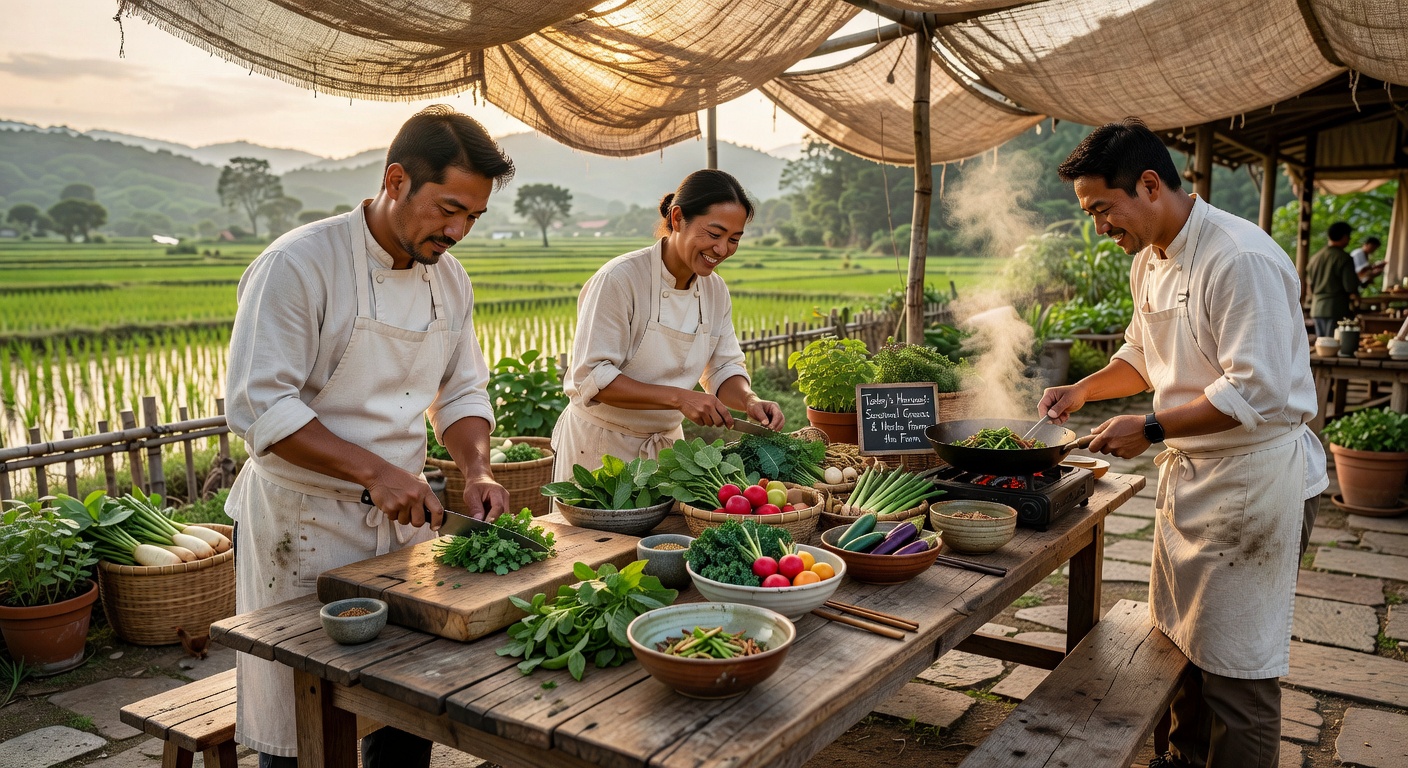
Urban and rural food landscapes offer contrasting yet complementary experiences that enrich any destination guide. Urban scenes deliver high-energy diversity through fusion restaurants, international pop-ups, and 24-hour markets that reflect multicultural influences. Cities often feature rapid innovation, such as plant-based adaptations of classic dishes or tech-enabled reservations. Rural farm-to-table options prioritize hyper-local sourcing, where ingredients travel from field to plate within hours, fostering intimate chef-farmer relationships and educational tours. Real-world comparisons illustrate these differences effectively. In Asia, Tokyo's neon-lit izakayas and ramen shops contrast sharply with the countryside of Kyoto prefecture, where visitors harvest vegetables at organic farms before communal meals prepared with miso and fresh herbs. In Europe, Paris offers endless patisseries and Michelin-starred tasting menus alongside the rural villages of Provence, known for lavender-infused honey, olive oils, and slow-cooked stews using produce from nearby orchards. FAO resources emphasize how both urban and rural models support biodiversity when guided by sustainable principles. Guides should balance these options with transportation tips, seasonal calendars, and pairing suggestions like urban wine bars versus rural vineyard picnics.
Integrating Local Markets and Hidden Eateries
Markets function as sensory entry points to regional flavors and producer stories. Iconic examples include Barcelona's La Boqueria with its displays of jamón ibérico and fresh seafood, or Seoul's Gwangjang Market offering bindaetteok pancakes and mayak gimbap in a historic setting. Hidden eateries add depth by revealing family recipes and community traditions often missed by mainstream tourism. Research methods include consulting local chefs, attending food walking tours, and monitoring social media for pop-up announcements. Integration into guides involves mapping logical itineraries that combine market browsing with nearby casual dining, including notes on etiquette, payment customs, and peak hours to avoid crowds.
Verifying Authenticity and Seasonality
Authenticity verification requires confirming that dishes adhere to traditional methods without unnecessary modern alterations. Engage directly with artisans and review historical cookbooks or oral histories. Seasonality checks involve aligning recommendations with harvest periods to maximize flavor and minimize environmental impact. Practical steps include consulting agricultural extension services, visiting farms during peak seasons, and noting climate variations that affect availability. This ensures guides promote responsible consumption and memorable taste profiles.
Customizable Checklist for Building Guides
A detailed checklist streamlines the creation process while allowing customization based on target audience preferences.
- Research destination food history and signature dishes through academic sources and local interviews to establish foundational context.
- Identify 5-7 markets and 10 eateries per location, prioritizing variety in price points and cuisine styles.
- Verify seasonal availability for key ingredients by cross-checking with harvest calendars and climate reports.
- Include dietary-friendly alternatives such as gluten-free adaptations or vegetarian versions of meat-heavy classics.
- Map walking routes between food spots with estimated times and public transit options for seamless exploration.
- Update with recent visitor feedback collected via surveys or review platforms to reflect current conditions.
- Incorporate sustainable sourcing notes highlighting farms using regenerative practices or zero-waste kitchens.
Updating Guides with 2026 Trends Like Sustainable Sourcing
Advanced updating techniques focus on integrating forward-looking elements such as regenerative agriculture, reduced food waste, and carbon-neutral supply chains. Monitor reports on climate-resilient crops and feature establishments partnering with local cooperatives. UNWTO guidelines support embedding eco-tourism metrics into recommendations. Additional strategies involve annual audits of listed venues for continued adherence to sustainability standards and incorporating emerging preservation methods like fermentation to extend seasonal produce usability. This keeps guides dynamic and aligned with conscious traveler values.
FAQ: Dietary Restrictions and Budget Planning
How do I accommodate dietary restrictions in foodie guides?
Thorough guides always include detailed allergen information and suggest culturally appropriate substitutions, such as using coconut milk in place of dairy for vegan versions of creamy curries. Provide clear filters for vegan, gluten-free, halal, or nut-free preferences within each destination section, along with contact details for venues experienced in accommodating special requests.
What budget considerations apply to culinary travel?
Effective planning distinguishes between low-cost market explorations and higher-end tasting experiences. Allocate resources for educational activities like hands-on cooking classes while recognizing that rural farm stays frequently offer more affordable multi-course meals compared to urban fine dining establishments. Track average meal costs qualitatively and advise on street food safety to maximize value.
How can travelers handle unexpected dietary challenges abroad?
Prepare by learning key phrases in the local language for allergies and carry translation cards. Guides should recommend apps for real-time ingredient lookups and suggest backup venues with broad menus to maintain enjoyment without compromising health needs.
Conclusion
Well-crafted foodie destination guides combine in-depth research, balanced urban-rural perspectives, and proactive trend integration to create valuable resources for 2026 culinary explorers. Through authentic examples, customizable tools, and attention to sustainability, these guides enable travelers to forge meaningful connections with global food traditions while traveling responsibly.

No comments yet. Be the first!