 PlaceBee
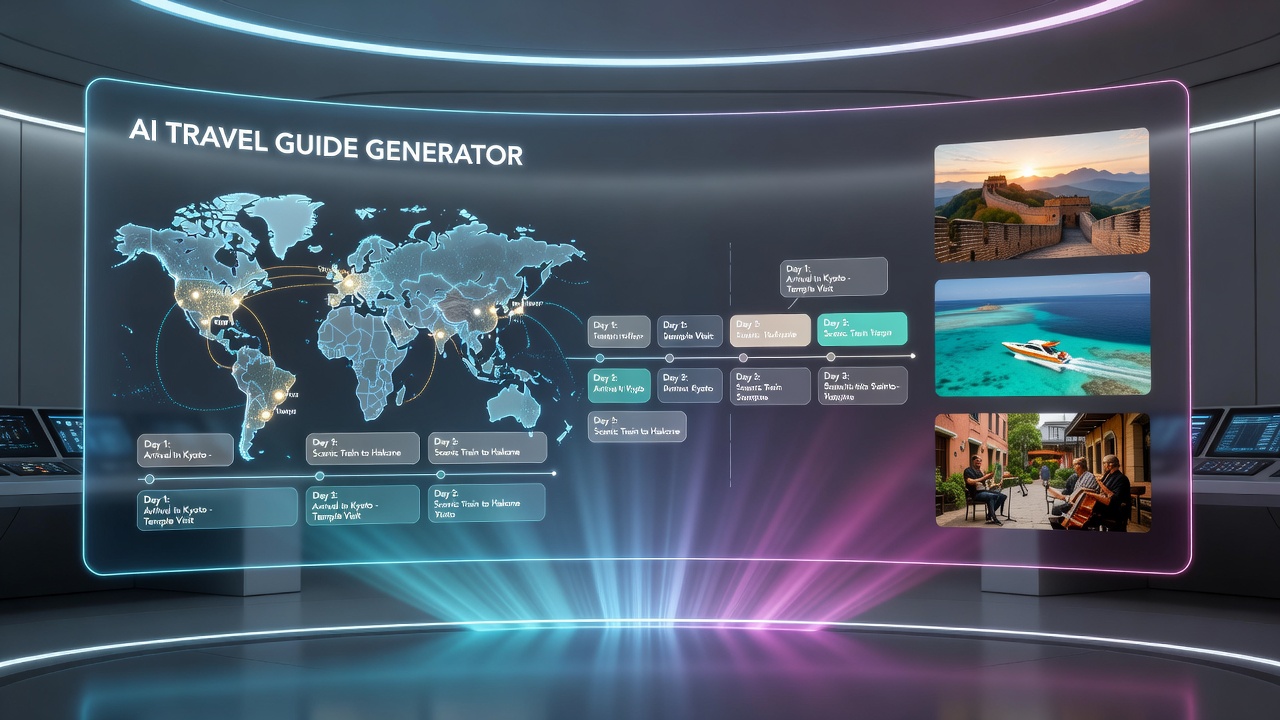
Introduction: Why AI Is Transforming Destination Guide Creation
Advanced content creators in 2026 face increasing demand for hyper-personalized travel content that stands out in competitive search results. Search intent around efficient, tech-driven methods for producing city guides, country guides, and destination guides centers on speed, accuracy, real-time relevance, and strong SEO performance. AI tools now enable creators to generate comprehensive itineraries, source live data from multiple sources, embed rich multimedia, and optimize for search engines faster than traditional manual methods allow while maintaining high editorial standards.
This in-depth guide walks through selecting the best AI tools, integrating real-time information from authoritative sources, embedding multimedia elements effectively, and applying advanced SEO best practices. You will find concrete step-by-step processes, detailed tool comparisons, multiple real-world itinerary examples, practical decision frameworks, and guidance on avoiding common pitfalls.
Selecting the Right AI Tools for Travel Content
Choosing an AI platform requires evaluating output quality, data integration capabilities, customization options, context window size, citation accuracy, and API pricing transparency. Leading options in 2026 include large language models paired with specialized travel plugins and visual generators that support long-form structured output.
Compare these platforms on key criteria:
- Claude 4 with web browsing: Excels at long-form structured content, nuanced cultural insights, and real-time fact verification through integrated browsing. Ideal for complex country guides requiring depth.
- GPT-4o with custom GPTs and plugins: Strong for itinerary logic, multi-stop routing, and seamless keyword integration. Supports API chaining for dynamic updates.
- Perplexity Pro: Best for sourcing current destination statistics, regulations, and live event data with built-in citations.
- Midjourney or DALL·E 4: Ideal for generating location-specific, photorealistic imagery and custom maps that enhance visual appeal.
- Additional emerging tools: Gemini Advanced for multimodal analysis and specialized travel AI platforms that combine language models with booking APIs.
Test each tool with a short sample prompt about your target destination before committing to a full workflow. Many creators maintain a hybrid setup using two or three tools in sequence for optimal results.
Sourcing Real-Time Data on Destinations
Static information quickly becomes outdated, especially for entry requirements, transportation schedules, and seasonal events. Connect AI systems to live APIs from official tourism boards, weather services, and government travel advisories. Use tools that support browser access or direct API calls to pull current entry requirements, event calendars, and transportation updates automatically.
Establish a verification protocol: always cross-reference AI outputs against primary sources such as CDC Travelers' Health and UNWTO for authoritative data. Supplement with World Health Organization travel advisories when health-related topics arise. This layered approach minimizes errors and builds reader trust.
Incorporating Multimedia Elements
Modern destination guides perform best when they combine well-written text with visuals, interactive maps, short videos, and audio elements. AI image generators create custom hero shots and infographics while text-to-video tools produce walking-tour clips or neighborhood overviews. Embed interactive maps via services that allow dynamic updates based on user location or season.

Ensure all generated visuals receive descriptive alt text containing target keywords such as “custom Paris 2026 city guide interactive map” for accessibility and additional SEO value. Consider adding AI-generated podcasts or voiceover summaries for on-the-go travelers using text-to-speech tools.
Ensuring SEO Optimization with Target Keywords
Structure every guide around primary keywords like “custom destination guides,” “AI city guide 2026,” and long-tail phrases such as “weekend itinerary for Tokyo families 2026.” Use AI to generate meta descriptions, schema markup for travel articles, heading hierarchies, and internal linking suggestions. Monitor performance with real-time analytics tools to refine keyword placement and identify content gaps.
Implement technical SEO elements including fast-loading image formats, mobile-responsive layouts, and structured data for rich snippets. Regularly update published guides when new data becomes available to maintain search rankings over time.
Step-by-Step Process to Build a Custom Guide
- Define audience persona, trip duration, budget range, and primary destination focus.
- Query AI for real-time data pull and generate an initial detailed outline with suggested sections.
- Generate and iteratively refine itinerary sections with specific times, logistics, transportation options, and backup plans.
- Create or source multimedia assets and optimize file sizes for web performance.
- Optimize headings, alt text, meta elements, and internal links while adding authoritative external citations.
- Publish with proper tracking setup and schedule quarterly reviews for data freshness.
Real-World Examples of Generated Itineraries
A creator used Claude 4 to produce a 7-day Kyoto guide in under 90 minutes. The output included seasonal temple recommendations, live cherry-blossom forecasts pulled from current meteorological data, and vegan restaurant suggestions matched against updated listings. Another example generated a family-friendly Barcelona itinerary that incorporated revised metro schedules, museum reservation links, and hidden park recommendations, resulting in a 40% increase in time-on-page compared with previous manually written content.
A third case involved a country-level guide for Portugal where AI combined regional wine harvest calendars with hiking trail conditions, producing a modular itinerary that readers could customize by interest area.
Common Mistakes to Avoid
Creators often overlook source verification, leading to inaccurate opening hours or visa rules that frustrate readers. Another frequent error is neglecting mobile formatting for maps and images, which harms engagement metrics. Failing to include local perspectives can result in culturally insensitive content. Always test final guides on multiple devices, update data within 48 hours of publication, and disclose AI assistance where appropriate to maintain transparency.
FAQ: Accuracy and Ethical Concerns
How accurate are AI-generated destination guides?
Accuracy depends heavily on the freshness of connected data sources and rigorous human review. Always verify critical details such as border policies and safety advisories against official government sites before publishing.
What ethical issues arise when using AI for travel content?
Key concerns include cultural misrepresentation, promotion of over-tourism, and lack of attribution to local knowledge. Mitigate these by including local voices, sustainable travel recommendations, and transparent disclaimers about AI assistance in the creation process.
Can AI fully replace human travel writers?
AI handles data aggregation and first drafts efficiently, yet human oversight remains essential for nuanced storytelling, cultural sensitivity, emotional engagement, and final quality control.
How should creators handle rapidly changing travel regulations?
Set up automated alerts through AI tools connected to official sources and schedule manual review cycles every 30 days or immediately after major policy announcements.
Mastering these AI workflows positions content creators to deliver timely, engaging, and search-visible destination guides throughout 2026 and beyond while meeting evolving reader expectations for depth and accuracy.


No comments yet. Be the first!