 PlaceBee
Introduction: Why Generic Country Guides Fall Short
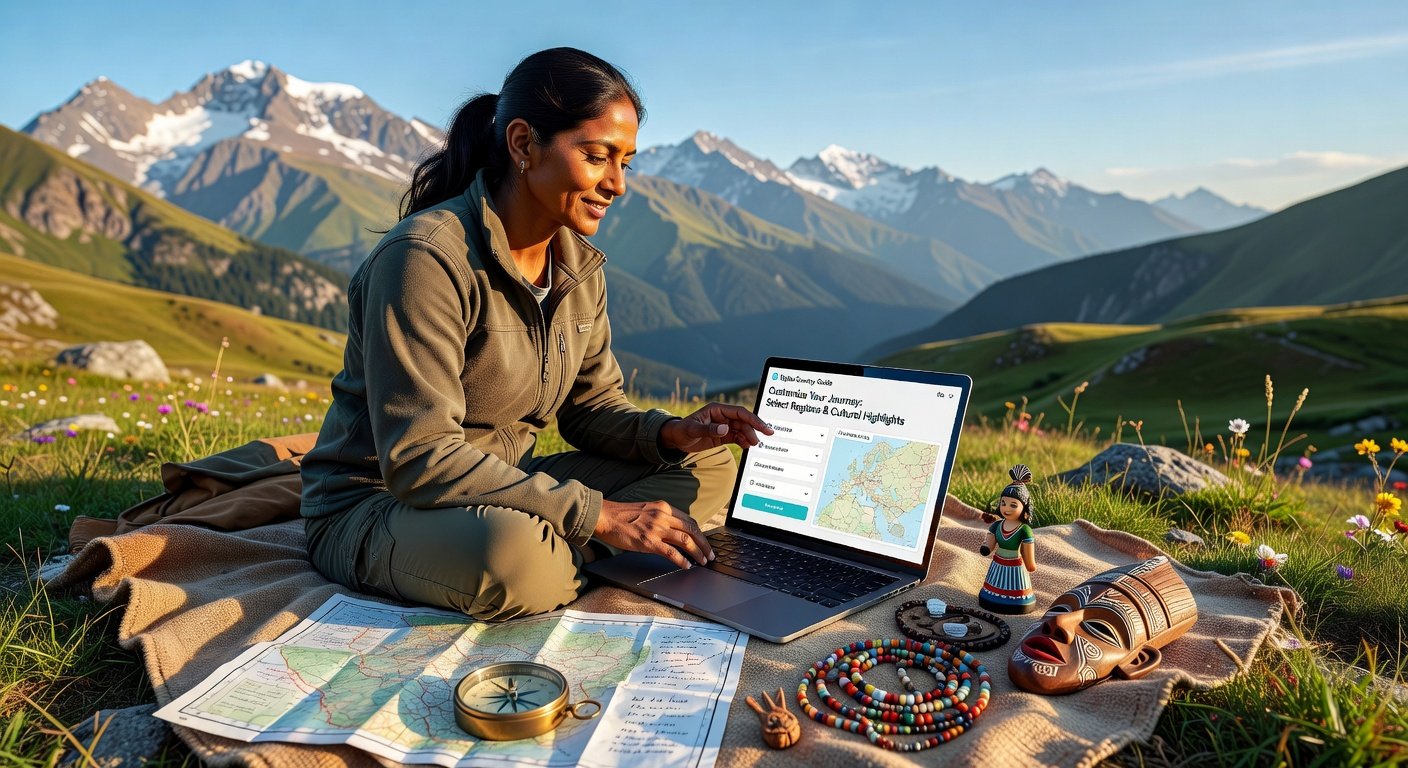
Travelers today seek more than standard itineraries. Personalizing a country guide ensures it aligns with your unique preferences, whether you crave adrenaline-pumping adventures or deep cultural connections. This approach transforms basic resources into tailored companions that save time and enhance experiences. By assessing your style, prioritizing content, and adding local insights, you create a dynamic plan that evolves with your journey. Generic guides often overlook individual needs, leading to missed opportunities or unnecessary stress. Customizing allows you to focus on what matters most, turning a trip into a truly personal adventure that matches your pace and interests.
Assessing Your Personal Travel Style
Start by reflecting on what excites you most about travel. Adventure seekers prioritize physical challenges like hiking or diving, while cultural enthusiasts focus on history, cuisine, and traditions. Consider past trips: Did you thrive in remote wilderness or bustling markets? Tools like self-assessment quizzes from travel experts can help clarify your style. For instance, a mix of both might suit hybrid travelers who want scenic treks followed by local festivals. Break down your preferences into categories such as pace of travel, social interaction level, and risk tolerance. Adventure travelers might rate high on physical endurance and low on structured schedules, whereas cultural explorers often value slow-paced exploration and community engagement. Document these insights in a simple journal or digital note to reference throughout the customization process. This foundational step prevents mismatched recommendations and ensures every element of your guide supports your core motivations.
Selecting and Prioritizing Guide Sections
Once your style is clear, review standard country guide sections such as transportation, accommodations, attractions, and safety. Prioritize ruthlessly—adventure travelers might emphasize outdoor activities and gear lists, while cultural explorers highlight museums and etiquette tips. Create a hierarchy: must-see experiences at the top, followed by flexible options. This prevents overwhelm and keeps your guide focused and actionable. Use a scoring system where each section receives points based on alignment with your style. For example, assign high priority to wildlife encounters if you lean toward adventure, or to language resources for cultural immersion. Revisit and adjust priorities as new information arises, ensuring the final structure feels intuitive and efficient during your trip.
Integrating Local Insights
Generic guides often miss nuanced, on-the-ground knowledge. Reach out to locals via travel forums or apps for authentic recommendations. Incorporate details like hidden cafes in Paris for cultural immersion or secret trails in Patagonia for adventure. Always verify insights against reliable sources and note seasonal variations to keep your guide current and relevant. Connect with community blogs or regional tourism boards to gather stories and lesser-known facts that add depth. For example, learning about local festivals from residents can transform a standard visit into an immersive experience. Cross-reference these insights with established resources like National Geographic to maintain accuracy while preserving the personal touch that makes your guide unique.
Incorporating Practical Tools Like Maps or Apps
Enhance your customized guide with digital and physical tools. Interactive maps from authoritative providers help plot routes efficiently. Apps for offline navigation or translation bridge gaps in remote areas. 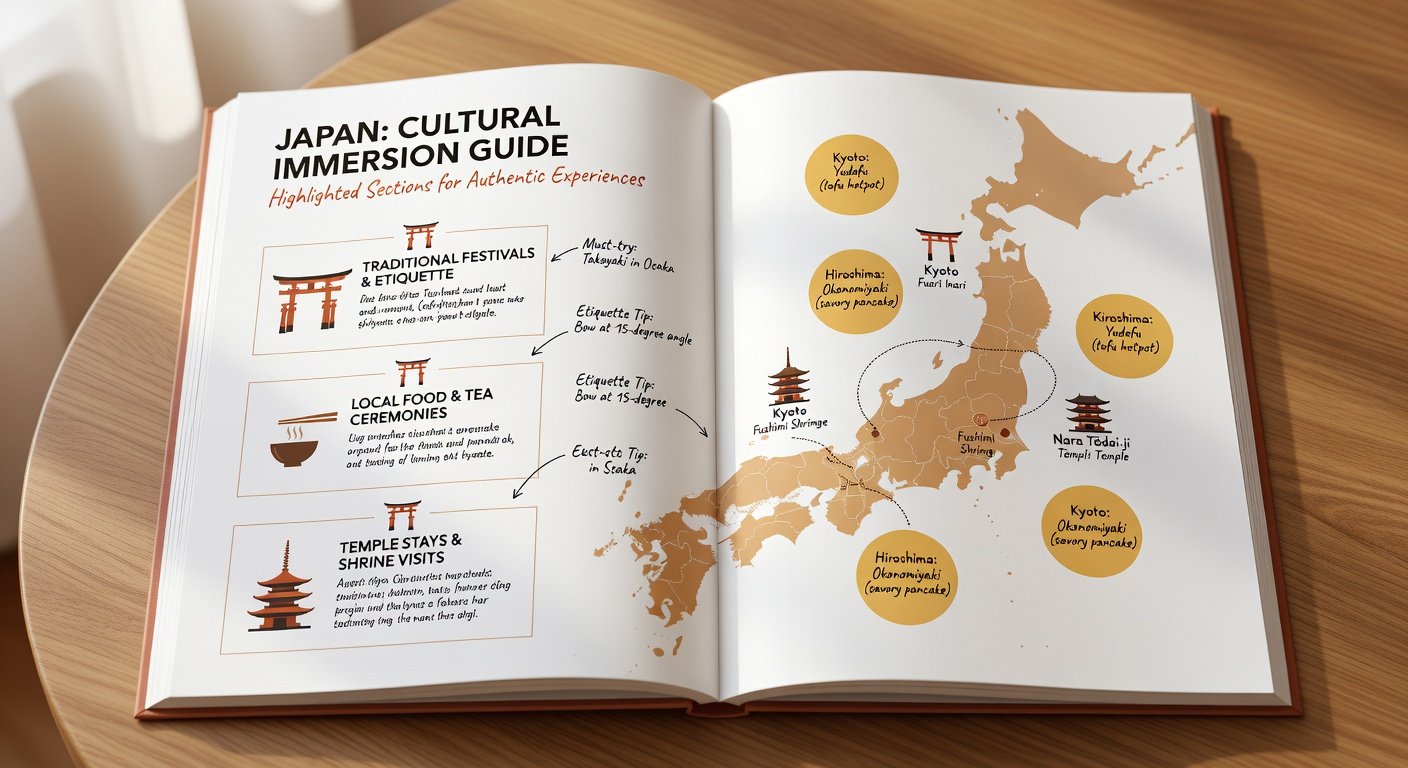
Step-by-Step Customization Methods with Real-World Examples
Follow this proven process to build your guide:
- Compile base content from trusted travel resources.
- Filter sections based on your style assessment.
- Add personal notes, photos, and local tips.
- Test the guide on a short trip and refine it.
For adventure in New Zealand, emphasize bungee jumping sites and national park trails while noting weather-dependent activities. Expand this by including gear checklists tailored to specific hikes, such as the Tongariro Alpine Crossing, and safety protocols for variable mountain conditions. In Japan, prioritize temple visits, tea ceremonies, and seasonal cherry blossom spots for cultural depth, including transport passes for seamless exploration. Add layers like etiquette guides for onsen visits and regional food specialties with pronunciation tips. Consider Costa Rica for a blend of adventure and nature immersion—customize around zip-lining routes and wildlife reserves while incorporating sustainable travel practices. In Italy, focus on Renaissance art tours and regional cooking classes, weaving in local market visits and historical walking tours. These examples show how customization turns broad advice into memorable, style-specific adventures. Iterate by adding photos from your research and adjusting based on personal constraints like travel duration or group size.
Common Mistakes to Avoid
Overloading your guide with too many options leads to decision fatigue. Ignoring accessibility or budget constraints can derail plans. Always cross-check facts and leave room for spontaneity to avoid rigid itineraries that miss unexpected delights. Another frequent error is neglecting backup plans for weather or closures, which can be mitigated by including alternative activities in each section. Failing to update contact information for local services may cause issues in emergencies, so dedicate a dedicated contacts page. By anticipating these pitfalls, your customized guide remains practical and stress-free.
Conclusion
Customizing country guides empowers travelers to craft journeys that truly resonate. By following these methods, you gain efficiency, depth, and joy from every destination. Start small with one country and iterate as you explore more of the world. The result is a personalized resource that grows with your experiences and ensures each trip feels uniquely yours.
FAQ
How long does it take to customize a full country guide?
Expect 4-8 hours for a thorough version, depending on destination complexity and depth of personalization. Breaking the process into focused sessions over several days often yields better results than rushing in one sitting.
Can I update my guide while traveling?
Yes, use cloud-based tools or apps to add real-time notes and adjustments on the go. This keeps your guide dynamic and responsive to new discoveries or changes in plans.
What if my travel style changes mid-trip?
Flexibility is key—keep modular sections so you can swap priorities without rebuilding the entire guide. Review your initial assessment periodically to realign with evolving interests.
How do I balance digital and printed elements in my guide?
Combine both by printing key maps and lists while storing detailed notes digitally for easy searching and updates, ensuring accessibility in all situations.
No comments yet. Be the first!