 PlaceBee
Introduction: Mastering Airport Security in 2026
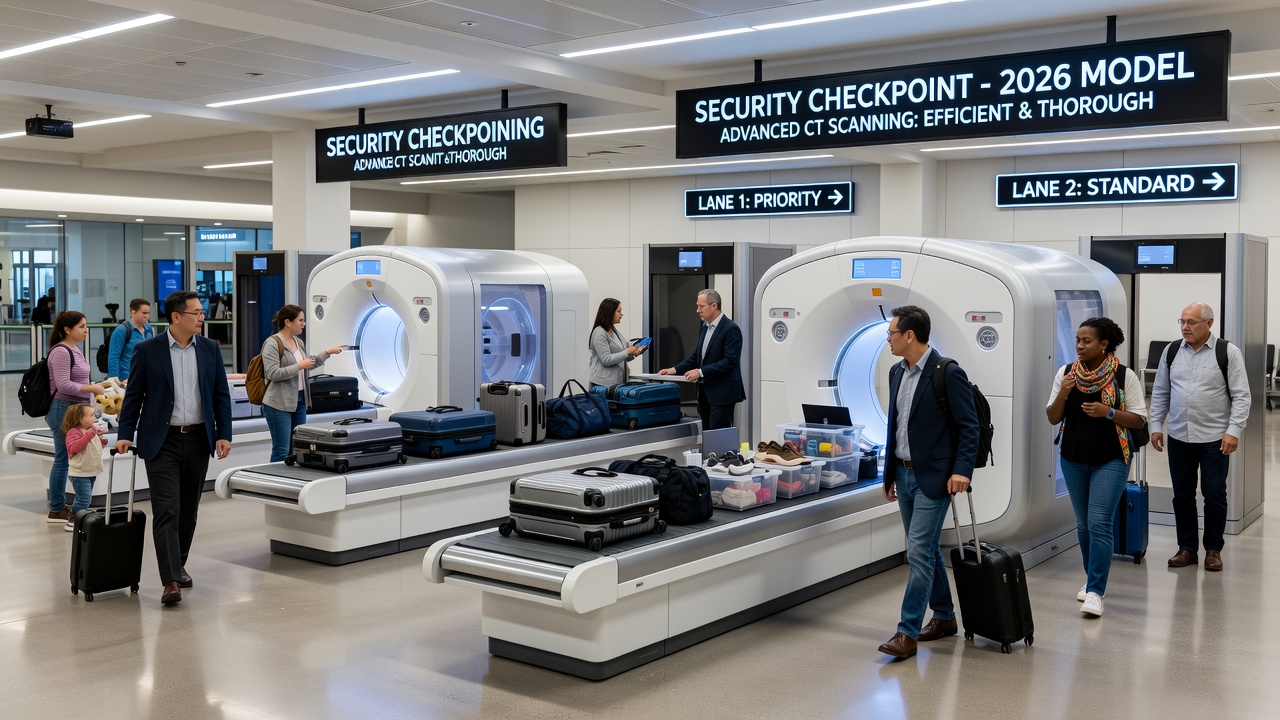
Navigating airport security in 2026 requires more than basic compliance—it demands strategic preparation that combines smart packing with an understanding of evolving checkpoint protocols. Frequent flyers report saving 20-30 minutes per screening by adopting these integrated approaches. Security technology has advanced with widespread deployment of CT scanners and AI-assisted threat detection, yet the fundamentals of organization remain critical for minimizing delays. This guide delivers step-by-step processes for organizing liquids, electronics, and documents while exploring worldwide equivalents to TSA PreCheck. Whether traveling domestically or internationally, these pro tips reduce stress and improve journey flow by addressing real pain points like gadget mishaps and regional policy differences.
Step-by-Step Packing for Liquids and Medications
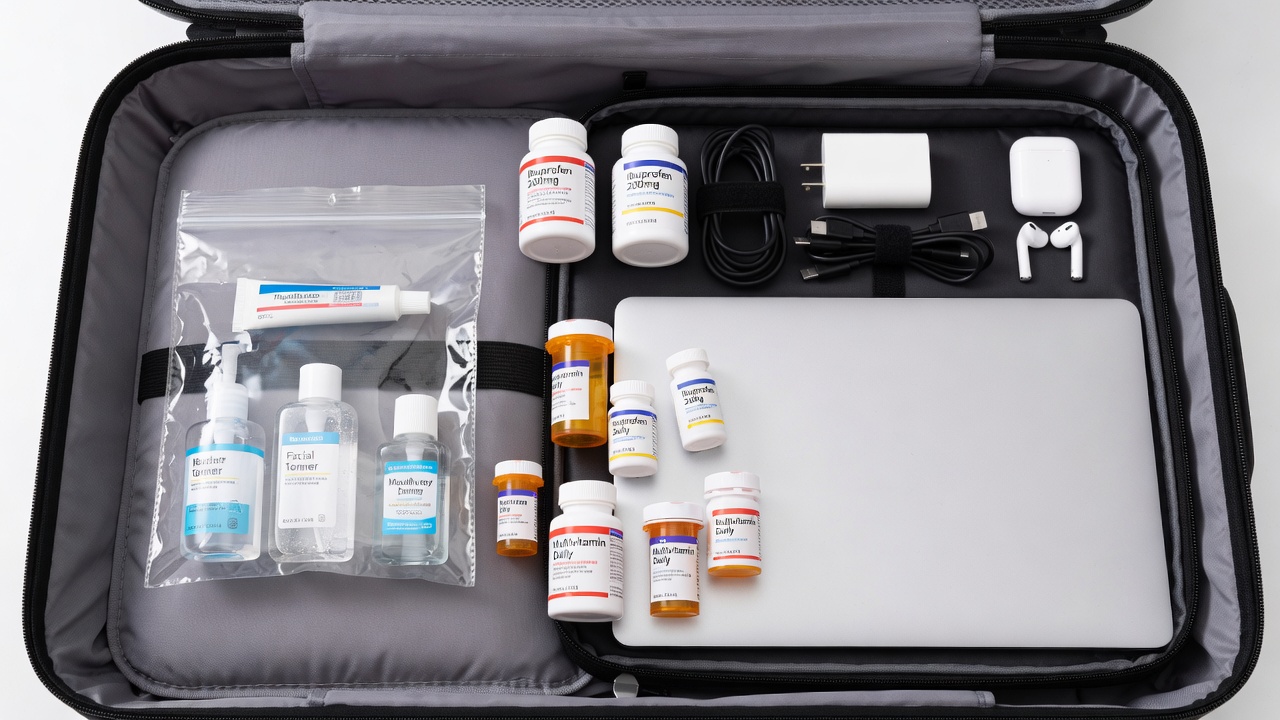
Start by separating all liquids, gels, and aerosols into a dedicated clear quart-sized bag the evening before departure. In 2026, most scanners still enforce the 3-1-1 rule, but advanced CT scanners in major hubs allow some containers up to 100ml to remain inside bags without removal. Place medications in their original labeled containers at the top of your carry-on for quick access. Example: A business traveler packs insulin pens in a transparent pouch clipped to the bag's exterior, enabling officers to inspect without unpacking everything. For creams and ointments, use travel-sized tubes under 100ml and double-bag them to prevent leaks. Always declare larger liquid medications upfront to avoid confiscation. Another practical example comes from parents traveling with baby formula—pre-measure powdered portions in separate containers and request a manual inspection if needed to bypass liquid restrictions.
Organizing Electronics and Gadgets Efficiently
Remove laptops, tablets, and portable chargers from bags and place them in separate bins. Power banks must have their capacity clearly visible on the device. Common pitfall: Travelers forget to remove wireless earbuds or smartwatches, triggering secondary screening that adds 10-15 minutes. Pro tip: Use a dedicated electronics pouch with individual slots so items lay flat for faster X-ray analysis. Wearable devices like fitness trackers should be placed in the same pouch to streamline the process. Consider labeling cables with tags for quick identification during reassembly after screening. In practice, a frequent flyer who organizes all devices in one slim folder reports clearing security in under five minutes at busy hubs like London Heathrow.
Clothing Choices That Accelerate Scans
Wear slip-on shoes, minimal jewelry, and layers without metal buttons or zippers. Jackets and belts should be removed before reaching the conveyor. Opt for moisture-wicking fabrics that do not retain odors after multiple wears, helping you stay comfortable during long layovers. Avoid heavy boots or intricate belts that require extra time to remove and replace. Accessories like scarves or hats often need separate bins, so minimize them. Choose socks without metallic threads and pants with elastic waists to speed up pat-downs if selected for additional screening. These choices prove especially useful in regions with stricter manual inspection policies.
Documents and Identification Best Practices
Keep your passport, boarding pass, and any required visas in a single RFID-blocking wallet accessible from your pocket. Digital copies on your phone serve as backup but always carry physical versions. Many 2026 systems accept mobile boarding passes directly at automated gates. Prepare a small document folder with printed confirmations of any trusted traveler memberships. Real-world example: A family missed their connection because the digital pass failed to load; carrying printed backups prevented further issues. Store loyalty cards and insurance documents together for quick retrieval during random enhanced screenings.
Leveraging Global PreCheck Equivalents
Programs like TSA PreCheck in the US, Canada's CATSA PreCheck, and the UK's Fast Track Security streamline screening by allowing passengers to keep shoes, belts, and liquids inside bags. Apply at least four weeks before travel. In Asia, Singapore's Changi Airport offers similar expedited lanes through its automated clearance system. These trusted traveler programs significantly cut wait times at busy international terminals. Additional options include Australia's SmartGate and Japan's automated gates for registered passengers. Membership often costs around the equivalent of a standard annual fee and provides benefits that compound over multiple trips. Research reciprocity agreements, as some programs allow cross-border access for members of partner nations.
Regional Security Variations and Comparisons
European airports often require separate bins for electronics larger than a smartphone, while Middle Eastern hubs emphasize thorough manual bag checks. Asian checkpoints frequently use full-body scanners more aggressively. In Africa and South America, expect more variable procedures depending on the specific airport's resources, sometimes involving additional questioning. Research your specific route via official airport sites before departure to anticipate differences. For instance, US checkpoints prioritize liquids in clear bags, whereas EU rules focus on volume limits with less emphasis on visibility. Comparing these helps travelers prepare varied packing strategies for multi-leg itineraries.
Common Pitfalls with Gadgets and Medications
- Forgetting to declare large liquid medications leads to confiscation.
- Using outdated power banks without visible mAh ratings triggers extra screening.
- Carrying unlabeled pill bottles raises suspicion during random checks.
- Leaving portable Wi-Fi devices powered on can cause interference alerts.
- Overpacking multiple chargers without organization results in tangled items slowing the line.
Always label items clearly and carry prescriptions when possible. Another frequent error involves carrying e-cigarette liquids exceeding limits without proper declaration.
Practical Checklists for Travelers
- Pack liquids in a clear quart bag the night before.
- Charge and organize all electronics in one pouch.
- Wear easy-to-remove clothing and shoes.
- Verify PreCheck status 24 hours prior to flight.
- Print or save boarding passes offline.
- Double-check medication labels and quantities against destination rules.
- Test all power banks to confirm they hold charge without swelling.
- Review regional guidelines for the departure and arrival airports.
Frequently Asked Questions
Does TSA PreCheck work internationally?
While TSA PreCheck is US-specific, many countries offer reciprocal or similar expedited programs that PreCheck members can access through partnerships.
Can I keep my laptop in my bag in 2026?
Only at airports equipped with the latest CT scanners; otherwise, remove all large electronics.
What happens if my power bank exceeds airline limits?
Devices over 100Wh are typically prohibited in carry-on; check airline policies and consider shipping alternatives if needed.
Real Traveler Experiences and Additional Tips
Seasoned globetrotters emphasize testing your entire setup at home with a mock screening using household bins. One example involves a photographer who learned to pack camera batteries separately after repeated delays. Another tip involves using packing cubes color-coded by category—liquids in blue, electronics in red—for instant visual recognition. These small habits build into reliable routines that make even the busiest 2026 checkpoints manageable.
Conclusion
By combining meticulous packing with knowledge of global security programs and regional differences, travelers can transform airport security from a stressful hurdle into a seamless part of their journey. Implement these 2026 airport security hacks on your next trip to enjoy faster checkpoints and reduced anxiety.

No comments yet. Be the first!