 PlaceBee

Introduction: Beyond the Tourist Trail in 2026
Travelers seeking authentic experiences in 2026 are moving past overcrowded landmarks toward hidden gems that reveal true local culture. This guide explores pro-level research hacks for destinations like Kyoto, Lisbon, and Patagonia, focusing on advanced digital tools, ethical community ties, and practical methods to avoid tourist traps while fostering sustainable interactions. In an era of overtourism, mastering these techniques ensures meaningful journeys that benefit both visitors and residents. The demand for off-the-beaten-path adventures has grown, driven by social media fatigue and a desire for genuine cultural immersion. By combining technology with respectful engagement, travelers can unlock experiences that feel personal and transformative rather than scripted.
Advanced Digital Tools for Local Research
Effective hidden gem hunting starts with sophisticated apps and platforms that go far beyond basic maps. Offline mapping tools such as Maps.me and OsmAnd provide detailed terrain data without connectivity, allowing seamless navigation in remote areas. Community-driven apps like Local Guides by Google and specialized forums deliver real-time insights from residents who share updates on seasonal changes or emerging spots. Comparisons show Maps.me excels in rural Patagonia trails with its lightweight interface and emphasis on hiking paths, while OsmAnd offers superior customization for urban Lisbon alleys through user-generated layers and voice guidance. Other tools include satellite imagery from public sources and translation apps that handle nuanced local dialects offline. Ethical local connections rely on verified platforms that prioritize community benefit over commercialization. Always cross-reference reviews on multiple sources to ensure authenticity, and consider privacy settings when sharing location data. These tools form the foundation for deeper research, but they work best when paired with human insight.
Case Study: Kyoto's Secret Temples and Gardens
Kyoto offers serene escapes from its famous temples. Research begins with academic databases and local university sites for lesser-known sites like hidden moss gardens in Arashiyama outskirts or quiet shrines tucked behind residential streets. Use step-by-step methods: query Japanese-language forums via translation tools, then verify via satellite imagery and seasonal bloom predictors. Real-world examples include travelers who discovered a small bamboo grove accessible only via unmarked paths after consulting retired temple monks through cultural exchange networks. Crowd-avoidance tactics include visiting at dawn or during off-peak seasons, guided by weather APIs and local event calendars that highlight festivals drawing large groups elsewhere. Building authentic experiences involves connecting with temple caretakers through cultural exchange programs, ensuring contributions support preservation efforts. One traveler spent a morning learning traditional tea preparation from a local family, gaining insights unavailable in guidebooks. This approach transforms a standard visit into a respectful dialogue with the destination's heritage.
Case Study: Lisbon's Neighborhood Secrets
In Lisbon, explore Alfama's backstreets beyond the tram routes and discover fado houses in residential courtyards. Advanced hacks include analyzing municipal open-data portals for historical maps and resident-led walking groups that share evolving neighborhood stories. Practical examples demonstrate pairing offline apps with community WhatsApp channels for real-time tips on pop-up markets or hidden viewpoints overlooking the Tagus River. Ethical interactions mean supporting family-run businesses directly, avoiding apps that centralize bookings and dilute local profits. A detailed case involved a visitor who joined a neighborhood cleanup organized via local social media, leading to invitations for home-cooked meals and stories of pre-tourism Lisbon. Such connections foster mutual respect and create memories rooted in shared values rather than transactions.
Case Study: Patagonia's Remote Trails
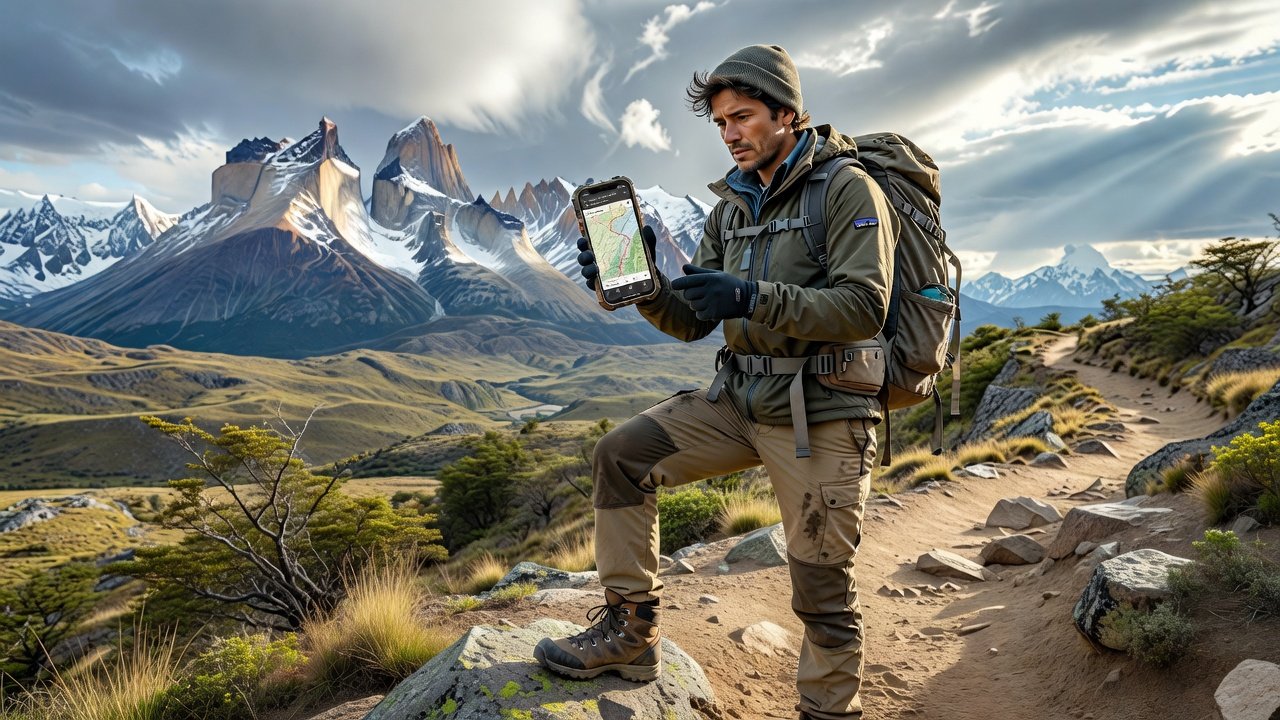
Patagonia demands rugged preparation and environmental awareness. Research hidden valleys using topographic apps combined with indigenous community networks that provide guidance on sacred or fragile sites. Step-by-step: map routes offline, consult environmental NGOs for impact guidelines, and schedule visits to minimize ecological strain during peak wildlife seasons. Real-world successes include travelers joining local conservation projects for immersive, non-exploitative adventures such as trail maintenance or wildlife monitoring. One group discovered a secluded lake by cross-referencing old settler journals with modern GPS overlays, then arranged a stay with a ranching family who shared traditional survival skills. These experiences highlight the importance of preparation and reciprocity in vast, sensitive landscapes.
Step-by-Step Research Methods
Developing a systematic approach maximizes discovery while minimizing risk. Begin with broad queries on authoritative travel archives, then narrow to primary sources like local libraries or historical societies. Cross-verify with satellite and street-level tools for accessibility and seasonal conditions. Engage local Facebook groups or Telegram channels for insider intel, always introducing yourself respectfully and offering value in return. Time visits using crowd-density predictors from public transport data and weather patterns. Document experiences ethically by sharing only with permission and crediting local guides. Each step builds layers of knowledge that generic apps cannot replicate.
Crowd-Avoidance Tactics and App Comparisons
- Use heat-map features in apps to identify low-traffic zones during specific hours.
- Monitor local transport schedules for off-peak windows when attractions see fewer visitors.
- Combine multiple apps: pair mapping software with community forums for dynamic updates.
- Learn basic phrases in the local language to access unlisted spots through personal recommendations.
App comparisons reveal trade-offs: Maps.me prioritizes offline reliability in wilderness areas, OsmAnd shines in customizable urban overlays, and community apps excel at social context. Choose based on destination type and connectivity expectations.
Building Ethical Local Connections
Authentic travel hinges on relationships that empower communities. Start by researching organizations that facilitate homestays or volunteer opportunities with transparent impact reporting. Avoid platforms that commoditize culture; instead, seek direct introductions through trusted networks. Examples from the case studies show how small gestures, like participating in local events or purchasing crafts directly from artisans, create lasting bonds. Sustainable interactions require ongoing awareness of cultural norms and environmental limits, ensuring visits leave positive legacies.
FAQs on Sustainable Interactions
How do I ensure my visit benefits locals? Prioritize direct bookings and ask about community funds before engaging services. What if language barriers arise? Use ethical translation apps that support offline modes and respect cultural nuances without replacing human conversation. Are there risks with community-sourced information? Always verify multiple sources and respect privacy boundaries shared by residents. How can I measure the authenticity of an experience? Authentic encounters often involve reciprocity, shared stories, and locations without commercial signage.
Conclusion
Mastering these 2026 hidden gems strategies transforms trips into meaningful journeys. By blending technology with respect for communities in Kyoto, Lisbon, and Patagonia, travelers create lasting, authentic memories while preserving destinations for future explorers. Further resources on responsible travel can be found at Lonely Planet and UNESCO.

No comments yet. Be the first!