 PlaceBee
Introduction to Situational Awareness in 2026 Travel
Travel in 2026 demands more than just booking flights and hotels. Situational awareness has evolved into a core skill that keeps adventurers safe amid rising urban complexities. This approach involves actively observing your environment, anticipating risks, and responding calmly. Whether navigating Tokyo's efficient subways or Paris's historic streets, these techniques reduce vulnerability while enhancing enjoyment. In an era of increased global mobility, travelers face evolving challenges including sophisticated scams and crowded public spaces that require proactive strategies rather than reactive responses.
Modern travelers benefit from integrating technology with traditional observation skills. Real-time tools now complement human intuition, creating a layered defense against common issues like pickpocketing and transport disruptions. By mastering these methods, individuals can transform potential threats into manageable situations, fostering greater confidence during international journeys.
The Evolution of Situational Awareness for Modern Travelers
Situational awareness in travel has progressed significantly by 2026. Early concepts focused on basic observation, but today's versions incorporate AI-driven alerts and community-sourced data. This evolution allows for personalized risk assessments based on real-time location sharing. Travelers who adopt these updated approaches report fewer incidents and higher satisfaction with their trips. Understanding this shift helps in selecting the right combination of apps and habits tailored to specific destinations.
Crowd Reading Techniques for Urban Environments
Understanding crowd dynamics starts with baseline observation. In busy areas, note normal flow patterns and identify anomalies such as loiterers or sudden movements. Practice scanning for exit routes upon entering any space. This method proves especially useful in New York's Times Square during peak hours when thousands converge simultaneously. Pay attention to body language cues like individuals avoiding eye contact or positioning themselves near exits unnaturally.
Key indicators include mismatched clothing in summer heat or groups moving against the flow. Travelers should maintain a relaxed posture while staying alert, avoiding phone distraction that signals vulnerability. In multicultural settings, cultural nuances matter; for instance, in Tokyo, subtle shifts in group spacing can signal congestion ahead, while in Paris, animated conversations might mask coordinated distractions. Regular practice in local environments builds the intuition needed for international application.
Real-Time Scam Detection Apps and Threat Alert Tools
Several apps deliver instant alerts tailored for international use. Tools like those from government sources provide neighborhood risk levels and live updates. Pair these with translation features to decode local warnings in real time. Advanced options now integrate with wearable devices for hands-free notifications during walks or commutes.
Examples include apps that flag known scam hotspots in real time. For Paris, alerts might highlight distraction thefts near landmarks, while Tokyo apps focus on overcharging in entertainment districts. New York tools often emphasize subway-specific advisories. Users should test these apps in advance and customize notification settings to avoid overload. U.S. Department of State travel resources offer reliable advisories updated frequently, helping cross-reference app data with official guidance.
City-Specific Examples: Tokyo, Paris, and New York
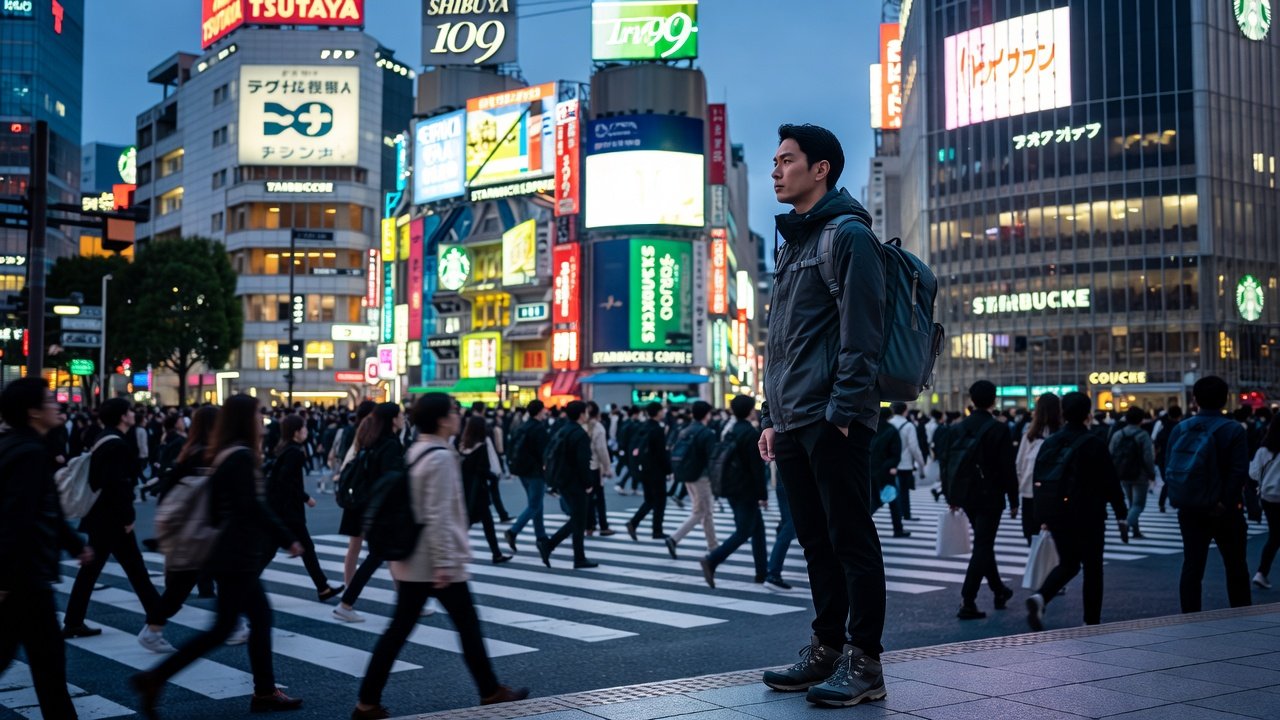
Tokyo emphasizes orderly crowds and low crime, yet pickpockets target tourists at Shibuya Crossing. Awareness means keeping bags zipped and monitoring reflections in shop windows. Locals often use subtle signals like repositioning belongings when sensing proximity, a technique visitors can adopt after observing commuters during rush hour.
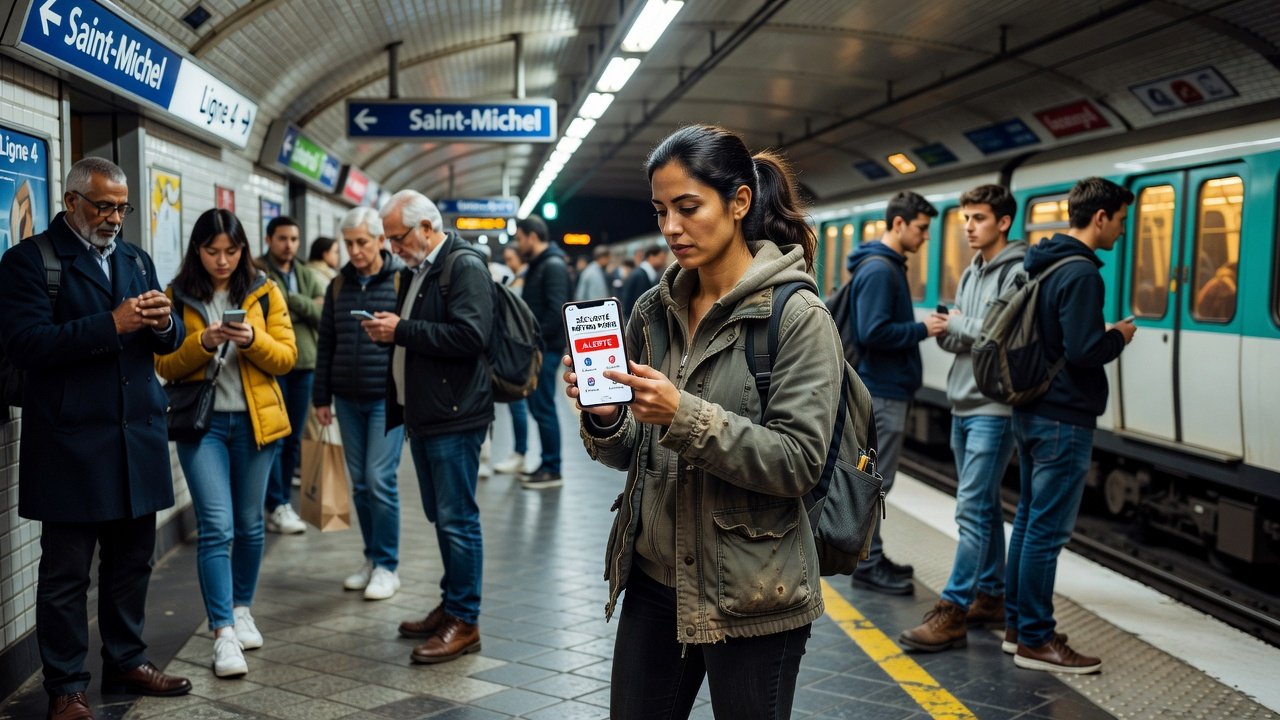
Paris requires vigilance around the Eiffel Tower and metro lines where groups may create diversions. Neighborhood comparisons show lower risks in residential arrondissements versus tourist cores. Evening strolls along the Seine benefit from choosing populated but not overcrowded paths, with apps providing historical incident data for planning.
New York offers diverse challenges from subway hustles to street vendors. Central Park paths vary in safety by time of day, with apps highlighting recent incidents. Awareness extends to recognizing tourist traps in areas like SoHo where overfriendly interactions can lead to unwanted sales pitches. World Health Organization guidance supports maintaining mental clarity in high-stress urban settings through consistent routines.
Step-by-Step Checklists for Daily Travel
- Pre-departure: Research neighborhoods via official maps and download offline alerts; verify app permissions for location services and test connectivity.
- Arrival: Identify three safe zones near your accommodation including a police station, hospital, and busy public area; orient yourself with a physical map backup.
- Daily routine: Scan surroundings every 15 minutes and note changes; adjust pace to blend with local foot traffic rather than standing out.
- Evening: Use well-lit routes and share live location with contacts; review any unusual encounters from the day to refine future awareness.
- Emergency response: Memorize local emergency numbers and practice quick access to digital IDs without fumbling devices.
Practical Exercises to Build Awareness Skills
Start with home-based drills like people-watching in public spaces while logging observations in a notebook. Note clothing details, movement patterns, and potential exits for 20 minutes daily. Progress to simulated scenarios using travel videos where you pause and predict outcomes based on visible cues.
Weekly practice sharpens reaction times for real situations like transport delays. Advanced exercises include role-playing with a partner to simulate pickpocketing attempts or asking for directions in a foreign language to build composure. Over a month, these build automatic responses that feel natural during actual trips. Incorporate feedback by reviewing logs weekly to identify blind spots in observation habits.
Digital Security Integrations for Modern Travelers
Combine awareness with device protections. Use VPNs on public Wi-Fi and enable two-factor authentication. Apps that sync with threat databases provide seamless updates without constant manual checks. Consider integrating biometric locks and remote wipe capabilities for phones in case of loss during crowded events.
Secure your digital footprint by limiting social media check-ins until after leaving an area. This prevents real-time tracking by potential opportunists scanning public posts. Mozilla security documentation provides foundational advice on configuring browsers and apps for safer travel connectivity.
Hydration and Safety Routines to Sustain Focus
Dehydration impairs judgment, so carry reusable bottles and set hourly reminders. Combine this with posture checks to project confidence. Evening wind-downs include reviewing the day's encounters for pattern recognition and adjusting plans accordingly. In hot climates like summer in New York or Paris, pair hydration with electrolyte intake to maintain cognitive edge during extended explorations.
Establish morning routines that include reviewing overnight alerts before heading out. This proactive step ensures hydration and awareness align from the start of each day, reducing fatigue-related oversights in dynamic environments such as Tokyo's late-night districts.
Neighborhood Risk Comparisons Across Destinations
- Tokyo: Low overall, with spikes near nightlife zones after midnight; residential areas remain consistently calm even late evening.
- Paris: Moderate in central tourist areas; safer in outer districts where local markets operate with community oversight.
- New York: Variable by borough, with apps providing block-level data; Manhattan tourist zones require extra caution during events.
Common Mistakes Travelers Make and How to Avoid Them
Many overlook the importance of blending in, drawing attention through loud conversations or visible valuables. Avoid this by adopting local pacing and minimal accessories. Another error is over-reliance on one app without cross-verification, leading to missed context-specific alerts. Diversify sources and practice offline modes regularly.
FAQs on Handling Common Scenarios
What should I do if pickpocketing occurs?
Stay calm, report immediately to local police, and use apps to block cards. Avoid chasing suspects to prevent escalation. Document details like time and location for insurance claims.
How to manage transport issues like delays or strikes?
Monitor real-time alerts, have backup routes planned, and carry cash for alternatives. Awareness of crowd surges at stations prevents being targeted during confusion.
Are there specific apps recommended for 2026?
Focus on those with community updates and official integrations; always test in your home city first for reliability.
How does situational awareness differ by culture?
Tokyo values subtle cues, Paris emphasizes visual distractions, and New York focuses on rapid environmental shifts in dense areas.
Conclusion
Integrating these 2026 pro travel hacks builds resilience for any adventure. Consistent practice turns situational awareness into second nature, ensuring safer, more confident explorations worldwide. By combining observation, technology, and routines, travelers create personalized safety frameworks that adapt to any destination.
No comments yet. Be the first!