 PlaceBee
Introduction to Planning Winter Trip Itineraries in 2026
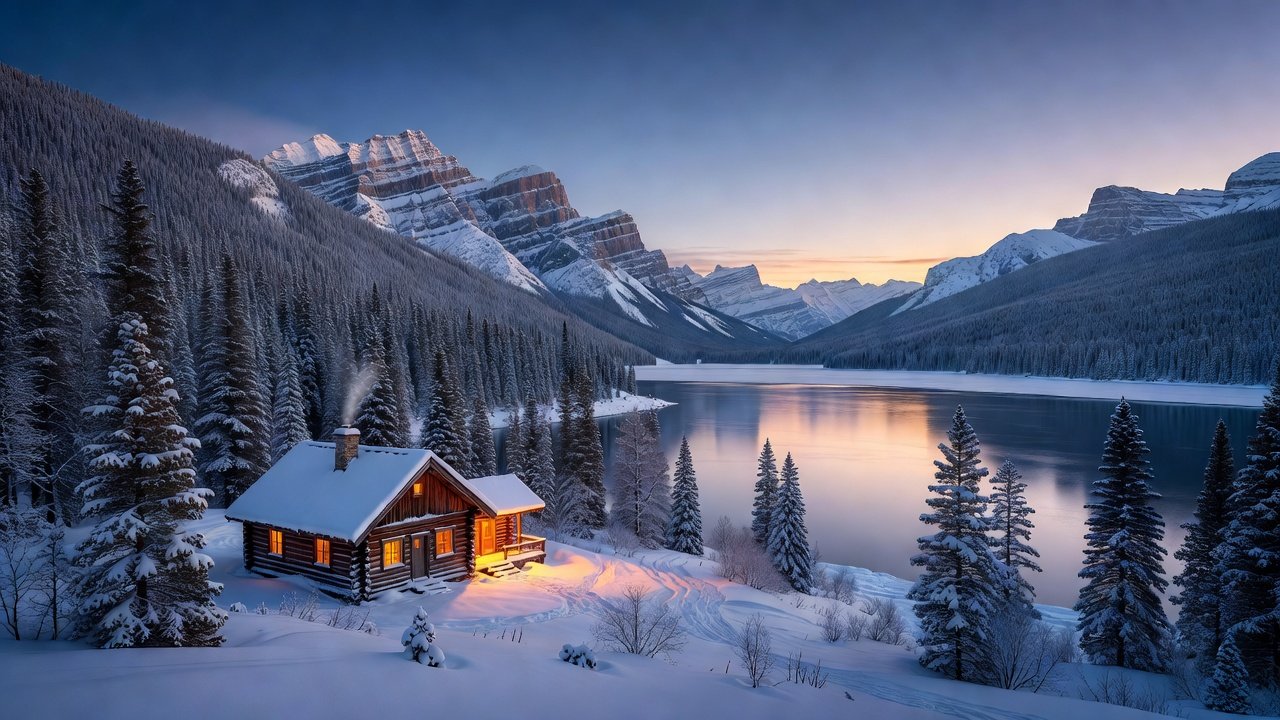
Winter travel offers magical snowy escapes that combine thrilling adventures with peaceful relaxation. As you prepare for 2026 trips, a structured yet flexible approach ensures you enjoy destinations like the Canadian Rockies and Norwegian fjords without overwhelm. This guide provides a complete framework covering destination selection, pacing, transport, contingencies, and sample schedules for 7-10 day trips. Planning ahead allows travelers to account for variable snow conditions, limited daylight hours in northern latitudes, and the need for specialized gear that keeps everyone comfortable during extended outdoor exposure.
Whether traveling solo or with family, the key is balancing high-energy activities like skiing with downtime by the fire. Real-world examples show how to adapt plans when snowstorms hit or when energy levels dip. Successful winter itineraries also incorporate cultural elements, such as local festivals or cuisine tastings, that deepen the connection to the destination beyond surface-level sightseeing.
Selecting the Right Snowy Destinations
The Canadian Rockies deliver dramatic peaks and abundant powder, while Norwegian fjords provide serene waters framed by mountains. Compare the two based on your goals: Rockies suit adrenaline seekers with ski resorts and wildlife spotting opportunities, whereas fjords excel for scenic cruises and northern lights viewing under clear winter skies. Consider flight connections, average snowfall totals, and crowd levels when deciding between Banff National Park areas and towns like Bergen or Flam.
Factor in travel time, visa needs, and seasonal accessibility. Both locations shine in December through February for peak snow cover. Research park permits and trail conditions in advance through official channels to avoid surprises upon arrival. The Rockies often feature more developed resort infrastructure, while fjords emphasize slow travel via ferries and trains that showcase changing landscapes.
Balancing Adventure and Relaxation
Successful itineraries alternate intense days with recovery. Schedule skiing or hiking in the morning, followed by spa time or reading in the afternoon. This prevents burnout and lets you savor the snowy environment. For instance, after a full day of cross-country skiing along groomed trails, unwind with a traditional sauna session or hot beverage overlooking frozen landscapes.
For example, a day of snowshoeing can pair with an evening of local cuisine tasting. Families may prioritize kid-friendly trails and shorter excursions, while solo travelers explore remote viewpoints at their own pace. Incorporate one full rest day midway through longer trips to recharge and handle any unexpected weather delays without derailing the overall schedule.
Activity Pacing Strategies
Build in buffer days. Limit strenuous outings to every other day. Track energy with a simple journal to adjust on the fly. A sample pace includes two adventure days, one exploration day, and one rest day per week. Adjust based on group fitness levels and forecast accuracy, always leaving room for spontaneous indoor alternatives like visiting heated observation decks or local museums.
- Start slow on arrival to acclimate to cold temperatures and altitude changes
- Include indoor alternatives like museums during storms or low-visibility periods
- End trips with lighter activities for smooth departure and reduced fatigue
- Monitor group dynamics daily to shift plans if children or less experienced members show signs of exhaustion
Transport and Logistics Essentials
Secure reliable winter vehicles or train passes early. In Canada, consider the Icefields Parkway drive with proper tire checks and emergency supplies. Norway offers efficient rail and ferry networks connecting fjord towns, allowing car-free travel that reduces stress and environmental impact. Book accommodations near main hubs to reduce daily travel times and maximize time spent enjoying the scenery.
Use apps for real-time weather and road updates. Learn more from official resources like Canada travel information and Visit Norway. Always verify international driving permits if renting vehicles abroad and confirm winter tire requirements at rental agencies well before departure.
Weather Contingencies and Safety
Winter weather changes quickly. Pack layers, check forecasts daily, and have indoor backup plans. Always carry emergency kits including blankets, flashlights, and communication devices. Monitor avalanche risks in the Rockies through local bulletins and ice conditions on Norwegian trails via harbor reports. Flexible booking policies help when rerouting is necessary due to sudden blizzards or road closures.
Practice basic cold-weather safety drills with your group before heading out each morning. In remote areas, share itineraries with lodging staff and carry satellite messengers for areas with poor cell coverage. These precautions transform potential disruptions into manageable adjustments rather than trip-ending events.
Sample 7-Day Itinerary: Canadian Rockies
Day 1: Arrive Banff, settle in and light walk around town to adjust to the environment. Day 2: Ski or snowboard at Sunshine Village with lessons for beginners. Day 3: Relax with hot springs visit and optional short hike. Day 4: Drive Icefields Parkway with scenic stops and photography breaks. Day 5: Snowshoeing in Johnston Canyon followed by wildlife viewing. Day 6: Family or solo choice day with options for sleigh rides or shopping. Day 7: Departure with souvenir shopping and final meal.
Extend to 10 days by adding Lake Louise exploration, additional backcountry snowshoe tours, and evening stargazing sessions. Each day includes built-in flexibility for weather shifts or personal preferences.
Sample 8-Day Itinerary: Norwegian Fjords
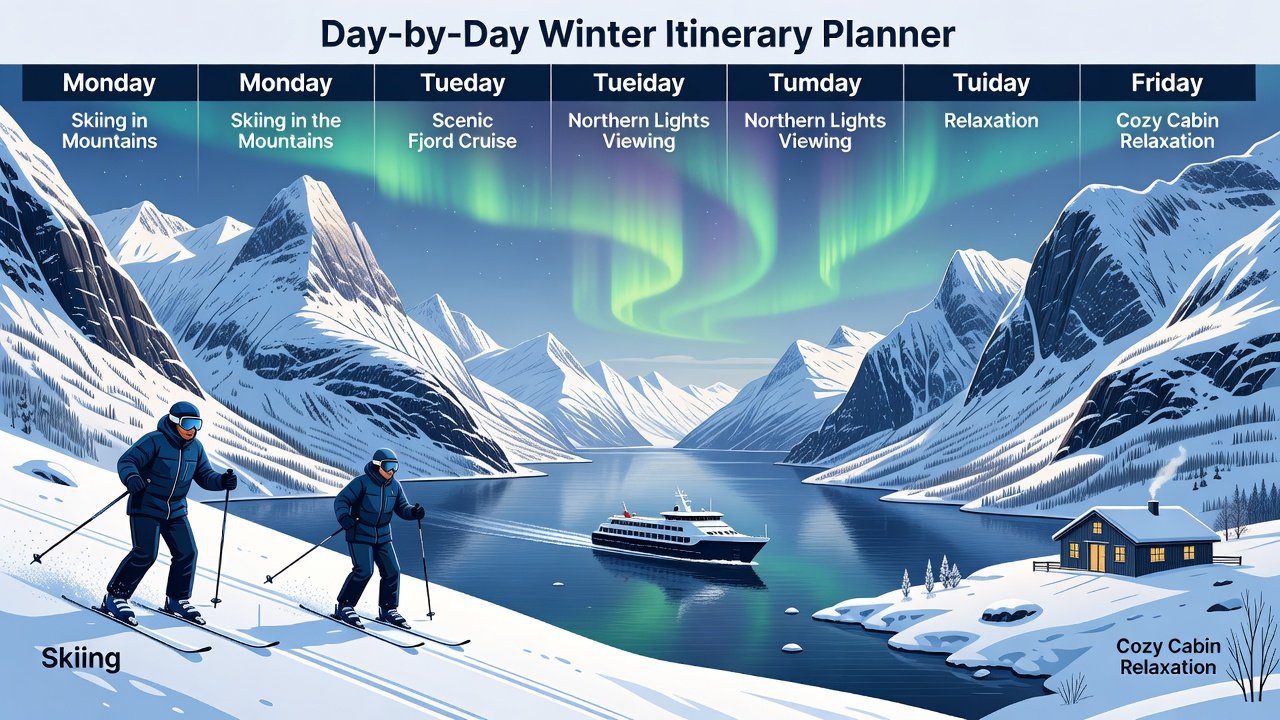
Day 1: Fly into Bergen and explore the historic waterfront. Day 2: Fjord cruise to Flam with onboard narration. Day 3: Train journey through mountains and short afternoon hiking. Day 4: Northern lights hunt from a designated viewing platform. Day 5: Relaxation in cabin with optional spa treatment. Day 6: Kayaking or village visit to experience local crafts. Day 7: Cultural experiences including museum visits. Day 8: Return travel with buffer time for delays.
Family-Friendly vs Solo Traveler Options
Families benefit from resorts with kids' programs and shorter activity blocks that accommodate varying energy levels. Choose locations with on-site childcare or family suites to simplify logistics. Solo options allow spontaneous detours, budget hostels, and deeper immersion in photography or journaling. Both can use the same base schedule but adjust group sizes, pace, and meal choices accordingly. Solo travelers often appreciate self-guided audio tours, while families prioritize group-friendly guided excursions that keep everyone engaged and safe.
Practical Checklists for Winter Travel
- Clothing: Waterproof layers, insulated boots, moisture-wicking base layers, hats, and multiple glove pairs
- Gear: Headlamp with extra batteries, thermos, navigation tools, and reusable hand warmers
- Documents: Travel insurance with winter sports coverage, permits, emergency contacts, and copies of passports
- Transport: Chains or studded tires where required, printed route maps, and vehicle recovery contacts
- Health: Prescription medications, basic first aid supplies, and lip balm with SPF for snow reflection
Conclusion
Thoughtful planning transforms winter trips into unforgettable experiences. Use these frameworks to create personalized 2026 itineraries that deliver both excitement and rest amid stunning snowy landscapes while staying prepared for the unexpected elements that make winter travel unique.
FAQ
What is the best time for 2026 winter escapes? Peak snow occurs December to February; book early for popular spots to secure desired lodging and activities.
How do I manage budgets for gear? Rent equipment locally to avoid shipping costs and focus spending on experiences that create lasting memories.
Are these itineraries suitable for beginners? Yes, with modifications for skill level and added rest days to build confidence gradually.
What should I do if weather cancels outdoor plans? Shift to indoor cultural sites, heated pools, or extended meals while maintaining overall trip flow.
How far in advance should I book for 2026? Reserve major accommodations and transport at least six months ahead for peak winter periods.
No comments yet. Be the first!