 PlaceBee
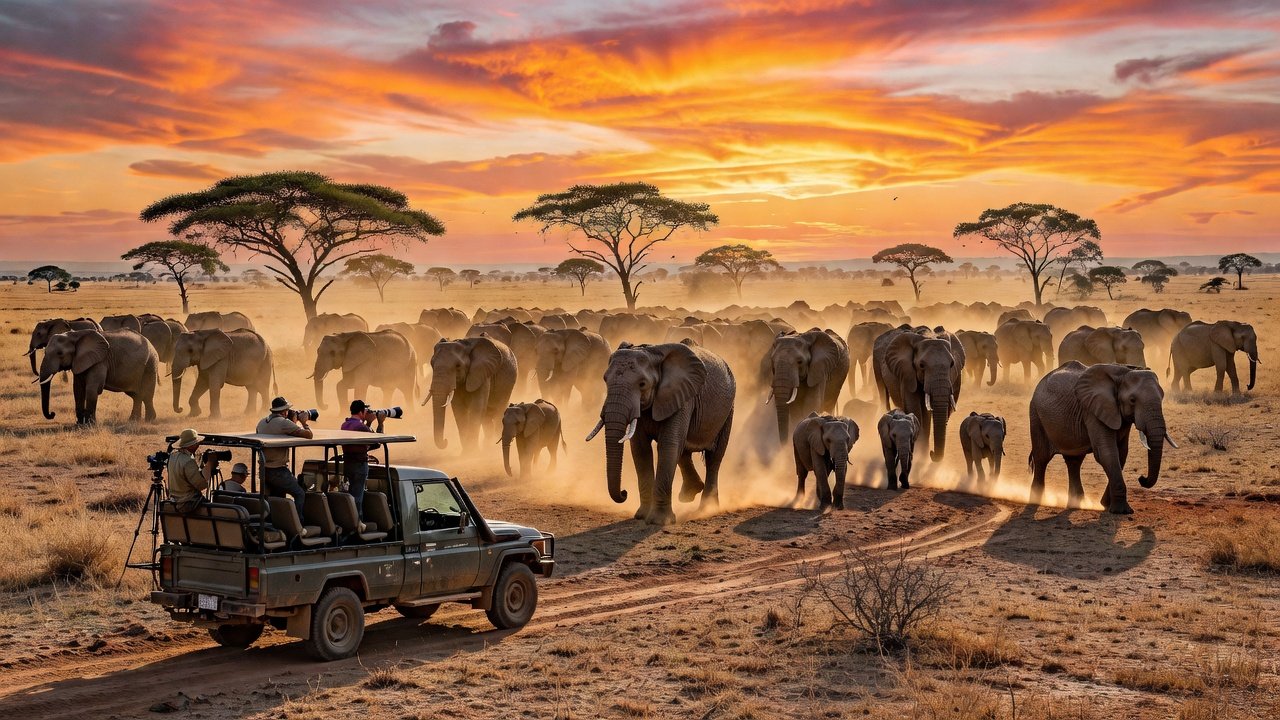
Introduction to 2026 Wildlife Photography Safaris
Wildlife photography safaris in 2026 present extraordinary chances to document Africa's majestic creatures under ideal conditions. Photographers can prioritize golden hour illumination, precise animal migration schedules, and sustainable methods that safeguard ecosystems. This in-depth resource details complete day-by-day schedules for leading locations, supporting image makers at every experience level in producing striking visuals while reducing ecological footprints. With careful planning, participants capture migration river crossings, predator interactions, and serene landscapes that define these journeys.
Why 2026 Stands Out for Safari Photography
Anticipated shifts in climate patterns may extend prime viewing windows in key reserves, allowing more flexibility for extended shoots. Experts recommend aligning trips with the Great Migration's peak movements, which typically span June through October across the Serengeti-Mara ecosystem. Photographers benefit from longer daylight hours and stable weather forecasts projected for the coming year, creating opportunities for both action shots and intimate portraits of herds.
Kenya: Maasai Mara Focus
The Maasai Mara National Reserve remains a top choice for dramatic wildlife encounters. Its open plains facilitate clear lines of sight for telephoto work during early mornings and late afternoons. Travelers often combine this with nearby conservancies for reduced vehicle traffic and higher chances of unique sightings such as black rhinos.
7-Day Kenya Photography Itinerary
Day 1: Land at Nairobi's international airport and enjoy a scenic drive or short flight to the Mara region. Upon arrival, conduct a late-afternoon orientation drive to familiarize yourself with local terrain and test camera settings under soft light. Transport options include comfortable 4x4 safari vehicles equipped with pop-up roofs for stability during long lens use.
Day 2: Rise before dawn for sunrise compositions featuring grazing antelope against acacia silhouettes. Spend midday reviewing images and adjusting white balance for the savanna's warm tones. Evening returns focus on lion prides near water sources.
Day 3: Target the Mara River for potential wildebeest crossings. Position yourself on elevated banks for dynamic action sequences. Gear tip: Bring extra batteries as cold mornings drain power quickly.
Day 4: Explore a private conservancy for exclusive cheetah tracking sessions. These areas enforce strict vehicle limits, enhancing ethical observation opportunities.
Day 5: Optional hot air balloon flight provides overhead perspectives of the plains at first light. Follow with ground-level sessions emphasizing birdlife in wetlands.
Day 6: Full day dedicated to big cat behavior documentation, including leopard rests in trees. Review migration timing apps for real-time herd updates from local rangers.
Day 7: Final morning shoot before transfer back to Nairobi. Pack memory cards carefully and prepare for international departure.
Tanzania and Botswana: Extended 10-Day Plan
Building on the Kenya base, extend into Tanzania's Serengeti for calving season insights around January to March, then transition to Botswana's Okavango Delta. Days eight through ten incorporate mokoro canoe approaches for elephant herds at water's edge, emphasizing quiet, low-impact photography. Internal flights connect destinations efficiently while allowing rest between intense shooting days.
Golden Hour and Migration Timing Strategies
Golden hour occurs roughly one hour after sunrise and before sunset, bathing subjects in warm, directional light ideal for texture and depth. Monitor migration forecasts through conservation networks to anticipate river crossings or calving events. Early positioning at known hotspots maximizes capture rates without disturbing natural behaviors.
Ethical Guidelines for Responsible Photography
Always maintain minimum distances from animals as outlined by park authorities. Avoid flash photography at night and never bait wildlife. Support operators who limit group sizes and contribute to anti-poaching initiatives. World Wildlife Fund resources provide additional best practices for minimizing disturbance during shoots.
Essential Gear Recommendations
Core equipment includes a full-frame camera body with robust weather sealing, a 100-400mm telephoto zoom for versatility, and a lightweight carbon fiber tripod for steady long exposures. Include polarizing filters to cut glare on water surfaces and multiple high-capacity memory cards. Backup power solutions such as solar chargers prove invaluable in remote camps. 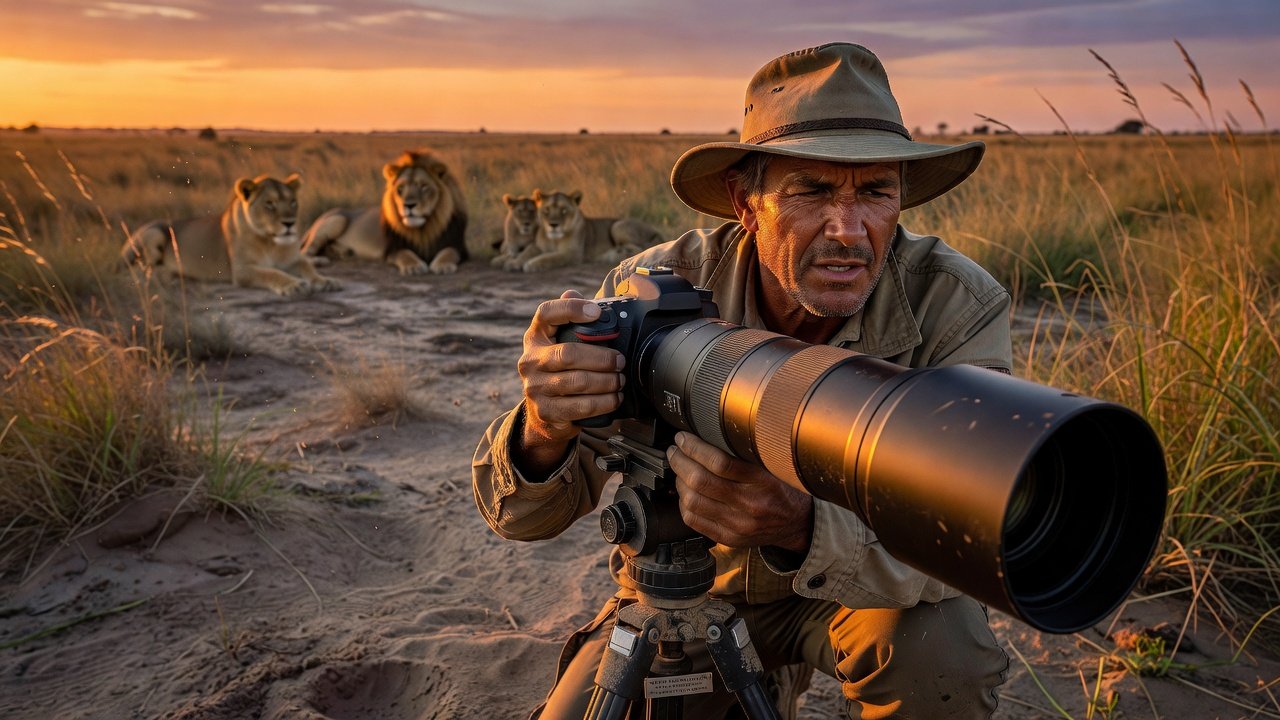
Budget Versus Luxury Safari Comparisons
Budget packages typically feature shared vehicles and basic tented accommodations, suitable for photographers comfortable with group dynamics and focused primarily on image quality over comfort. Luxury experiences provide private guides, bespoke routing, and high-end lodges with darkroom-style editing suites. Both tiers stress ethical standards, though luxury options often include direct access to research stations for deeper behavioral insights.
Transport Tips Across Destinations
Domestic flights via small aircraft connect reserves quickly, reducing road fatigue. Overland options use customized safari trucks with ample storage for gear cases. Always confirm weight limits for flights to avoid excess fees on lenses and tripods.
Post-Processing Advice for Stunning Results
Import raw files into Lightroom for initial exposure corrections, then refine in Photoshop for selective sharpening on eyes and fur. Maintain natural color palettes by calibrating against golden hour references. Batch process similar lighting conditions to maintain consistency across a series. Export at high resolution for print portfolios while creating web-optimized versions for sharing.
Real Traveler Examples and Insights
A professional from Europe documented an entire migration sequence over seven days in Kenya, crediting precise timing at the river for award-winning frames. Another enthusiast extended to Botswana, blending photography with wellness activities like guided meditation at dawn to sustain energy for evening sessions. These accounts highlight the value of flexible itineraries that accommodate weather shifts and unexpected sightings.
FAQs on Permits, Best Seasons, and Wellness Integration
- Permits require advance application through national wildlife authorities; processing can take several weeks.
- Peak seasons vary: July-October for crossings in Kenya and Tanzania, while Botswana shines in drier months for concentrated wildlife.
- Wellness add-ons such as yoga at camp or nature walks enhance recovery between long shooting days, appealing to photographers seeking holistic trips.
Additional questions often address combining multiple countries or sourcing local guides for cultural context during shoots.
Conclusion
These structured 2026 itineraries equip photographers with actionable plans that balance ambition and responsibility. By focusing on timing, preparation, and respect for nature, participants return with portfolios that celebrate Africa's wildlife while supporting its preservation. National Geographic continues to document similar expeditions, offering inspiration for future planning. Start booking early to secure prime locations and create your own unforgettable visual stories.
No comments yet. Be the first!