 PlaceBee
Introduction to Your 10-Day Ireland Adventure
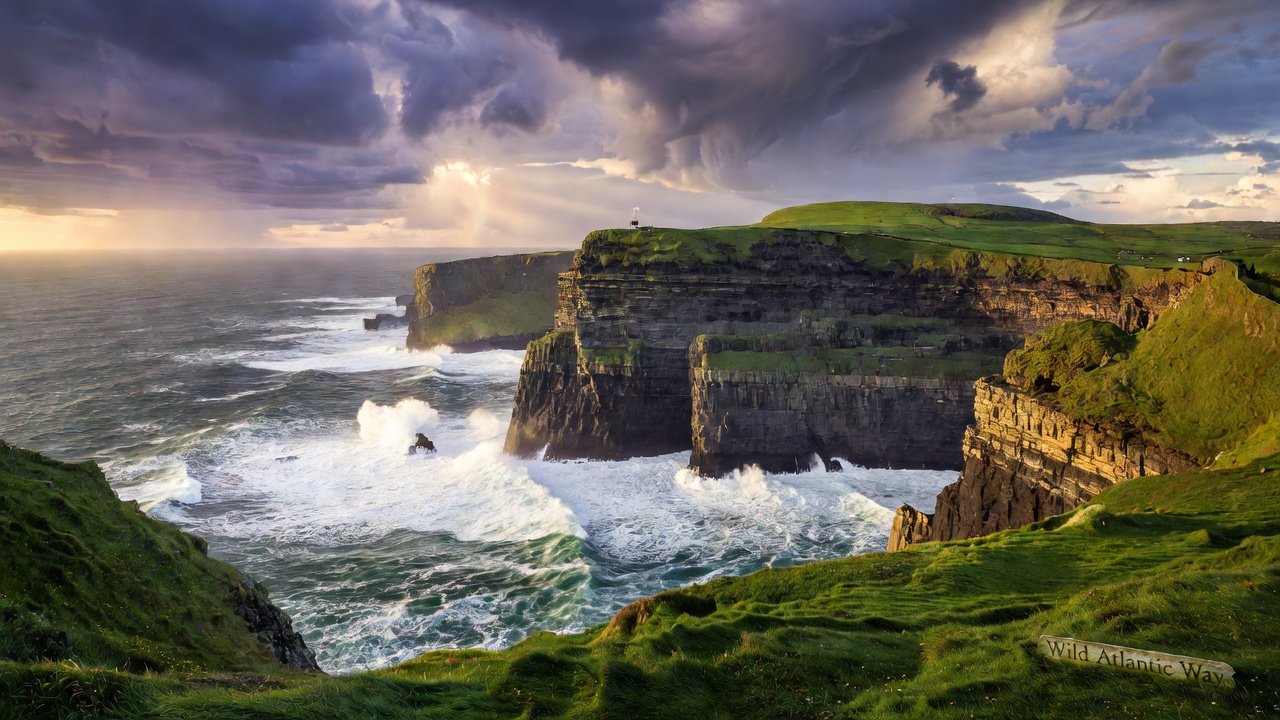
Exploring Ireland in 2026 offers an unforgettable blend of historic cities and dramatic coastal scenery along the Wild Atlantic Way. This comprehensive itinerary starts in vibrant Dublin before heading west, incorporating stops in Galway, the Cliffs of Moher, the Ring of Kerry, and finishing in Belfast. Whether you're traveling solo, as a couple, or with family, the route balances cultural immersion with natural wonders and practical travel advice for every type of explorer.
Travelers can choose between efficient train connections for city segments and a flexible rental car for the scenic drives. The Wild Atlantic Way stretches over 2,500 kilometers, providing countless opportunities for hidden gems like quiet beaches, traditional pubs, and lesser-known historical sites. This guide goes beyond basic overviews to include day-by-day plans, transport comparisons, seasonal packing lists, qualitative budget strategies, and answers to common questions, ensuring your trip is smooth and memorable regardless of weather or group size.
Day-by-Day Breakdown
Days 1-2: Dublin's Historic Heart and Cultural Highlights
Begin in Dublin with visits to Trinity College and the Book of Kells exhibit, where ancient manuscripts come alive through guided storytelling. Stroll through Temple Bar for live music sessions that showcase Ireland's vibrant folk traditions, then explore the Guinness Storehouse for insights into the country's brewing heritage. Use the efficient DART train system for easy navigation around the city and its suburbs. A hidden gem worth seeking is the quiet gardens of St. Stephen's Green at dawn, offering peaceful moments away from crowds. On day two, consider a walking tour of the Georgian architecture in Merrion Square or a visit to the National Museum of Ireland for Celtic artifacts. Practical example: If rain interrupts outdoor plans, pivot to the indoor exhibits at the EPIC Irish Emigration Museum, which provides interactive stories of the Irish diaspora.
Days 3-4: Galway and the Wild Atlantic Way Start
Travel by train or car to Galway, known for its vibrant Latin Quarter filled with street performers and colorful shops. Drive along the Wild Atlantic Way to Connemara National Park, where rugged mountains meet serene lakes. Stop at Kylemore Abbey for stunning views and a chance to wander its Victorian gardens. Practical tip: Rent a car here for flexibility on coastal roads, allowing stops at small villages like Clifden for fresh seafood lunches. Expand your experience by hiking short trails in the park or joining a local music session in a pub. For families, the area offers safe beaches at nearby Spiddal, while couples might enjoy sunset views from the Salthill Promenade.
Days 5-6: Cliffs of Moher and Dingle Peninsula Adventures
Head south to the iconic Cliffs of Moher, best viewed early to avoid crowds and capture dramatic ocean vistas. Continue to the Dingle Peninsula for charming villages, traditional stone cottages, and opportunities for dolphin watching from the shore. Include a stop at the Blasket Islands visitor center to learn about the islands' literary history. Examples of activities include cycling along quiet lanes or tasting artisanal cheeses at local farms. Weather contingencies here involve checking forecasts and having backup indoor options like the Dingle Oceanworld aquarium. This segment highlights the transition from urban energy to raw natural beauty along Ireland's western edge.
Days 7-8: Ring of Kerry and Killarney National Park
Drive the famous Ring of Kerry loop, stopping at Rossbeigh Beach for expansive sand dunes and the Gap of Dunloe for dramatic mountain passes. Base in Killarney for national park hikes through ancient woodlands and boat rides on Lough Leane. This segment highlights why self-drive is ideal for spontaneous photo stops at waterfalls or sheep-dotted fields. Practical details include allowing extra time for narrow roads and pulling over at designated viewpoints. Hidden gems nearby include the quiet Torc Waterfall trail and the historic Muckross House, which offers guided tours of its Victorian furnishings and gardens.
Days 9-10: Belfast and Northern Ireland Extensions
Cross into Northern Ireland via train or car to Belfast. Tour the Titanic Belfast museum for an immersive look at shipbuilding history, then take a Black Taxi tour of the political murals that tell the city's complex story. End with a coastal drive to the Giant's Causeway, a UNESCO site featuring unique hexagonal basalt columns on the Wild Atlantic Way extension. Practical advice: Use public transport in Belfast for ease, but switch to a rental for the final coastal stretch. This finale blends urban exploration with geological wonders, providing closure to the journey while leaving room for extensions like food tours in local markets.
Transport Options: Trains vs Rental Cars in Detail
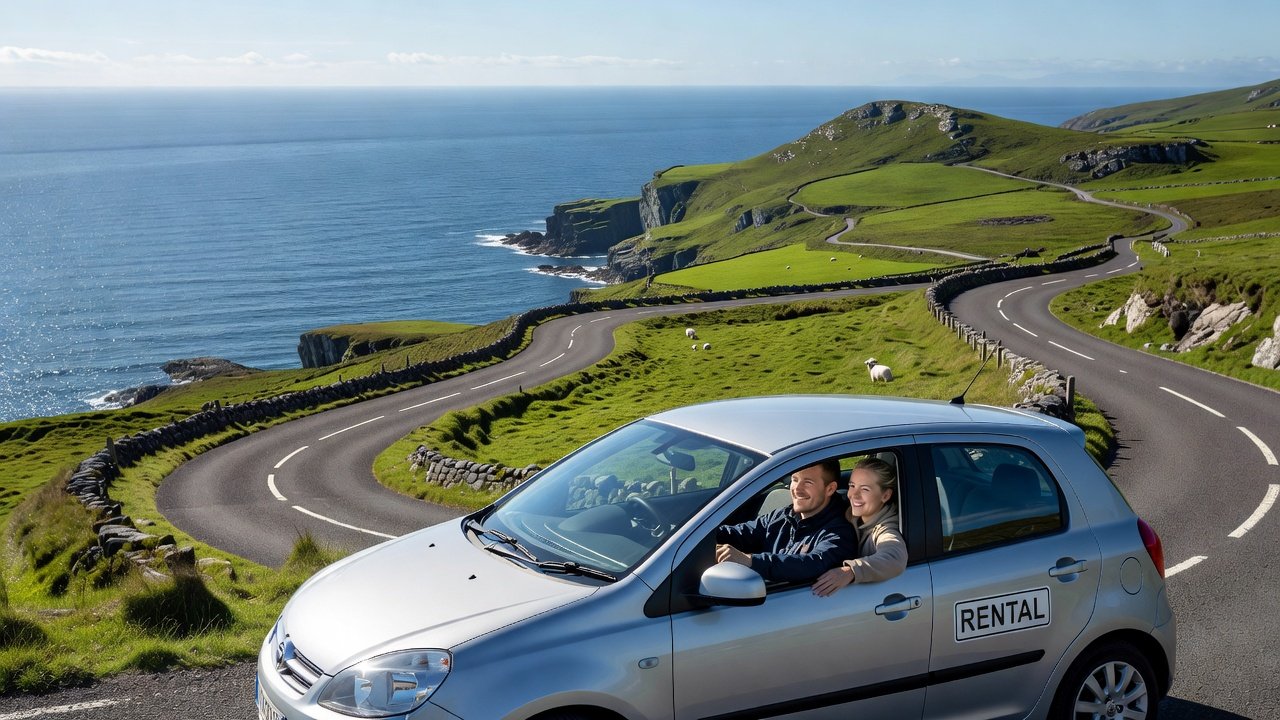
For urban legs like Dublin to Galway, trains offer comfort and scenic views without driving stress, with frequent services connecting major hubs. However, for the Wild Atlantic Way and Ring of Kerry, a rental car provides freedom to explore side roads and hidden coves. Compare pros and cons based on your travel style: trains suit those prioritizing relaxation and lower hassle, while cars enable personalized pacing. Many visitors mix both by using trains between major cities and renting cars for rural stretches. Check official resources like Discover Ireland for updated routes and timetables.
Guided Tours vs Self-Drive Comparison
Choosing between guided tours and self-drive formats depends on your preferences and group dynamics. Guided tours work well for first-timers seeking expert narration on history and folklore, with pros including no navigation worries, pre-arranged accommodations, and built-in social opportunities. Cons involve less flexibility for spontaneous detours and fixed daily schedules that may not suit independent spirits. Self-drive appeals to adventure seekers who enjoy customizing their pace, discovering hidden gems like unmarked trails, and stopping for photos at will. Drawbacks include managing narrow roads, parking in busy areas, and potential fatigue from driving. Families with children often prefer guided options for safety and educational elements, while couples and solo travelers thrive with self-drive for romantic or introspective experiences. A hybrid approach, combining train travel with short-term car rentals, offers the best of both worlds for many 2026 visitors.
Seasonal Packing List for 2026
Ireland's weather is changeable year-round, so layering is essential. Pack waterproof jackets, sturdy walking boots with good grip, quick-dry clothing, and breathable base layers. Add binoculars for wildlife spotting, a compact umbrella, and a reusable water bottle. For spring or fall trips, include a warm fleece and thermal socks. Summer visitors might add sun protection like hats and light scarves, while winter requires insulated coats and gloves. Always include a versatile daypack for hikes and a universal adapter for electronics. These items ensure comfort across the itinerary's mix of city walks and coastal paths.
Budget Considerations and Hidden Gems
Focus on value with mid-range accommodations, local eateries, and free attractions like public parks and beaches. Qualitative strategies include booking in advance for popular sites, using public transport where possible, and choosing picnic lunches to stretch resources. Hidden gems include the quiet village of Adare with its thatched cottages, the serene Glencar Waterfall for short hikes, and remote beaches near the Dingle Peninsula. Extend your trip with food-focused add-ons like whiskey distilleries or farm-to-table experiences along the coast for deeper cultural connections. For authoritative travel planning, refer to Ireland.com and Visit Dublin.
Conclusion
This 10-day itinerary delivers a perfect mix of history, scenery, and adventure across Ireland's diverse landscapes. With thoughtful planning around transport, packing, and flexible pacing, your 2026 journey along the Wild Atlantic Way will create lasting memories that blend iconic sights with personal discoveries.
FAQs
Do I need a visa for Ireland in 2026?
Most visitors from the US, EU, and UK enjoy visa-free entry for short stays of up to 90 days. Always confirm with official government sites before travel, as requirements can vary by nationality and purpose.
How to handle weather contingencies?
Build flexibility into your schedule by monitoring forecasts daily. Indoor alternatives like museums in Dublin or Belfast, or covered markets in Galway, work well on rainy days, while the itinerary's scenic drives remain enjoyable from inside a vehicle.
Can I extend for food-focused experiences?
Yes, add days in Galway for seafood festivals or Dublin for culinary walking tours featuring local cheeses and baked goods. This enhances the itinerary without major changes, allowing more time for distilleries and coastal eateries.

No comments yet. Be the first!