 PlaceBee
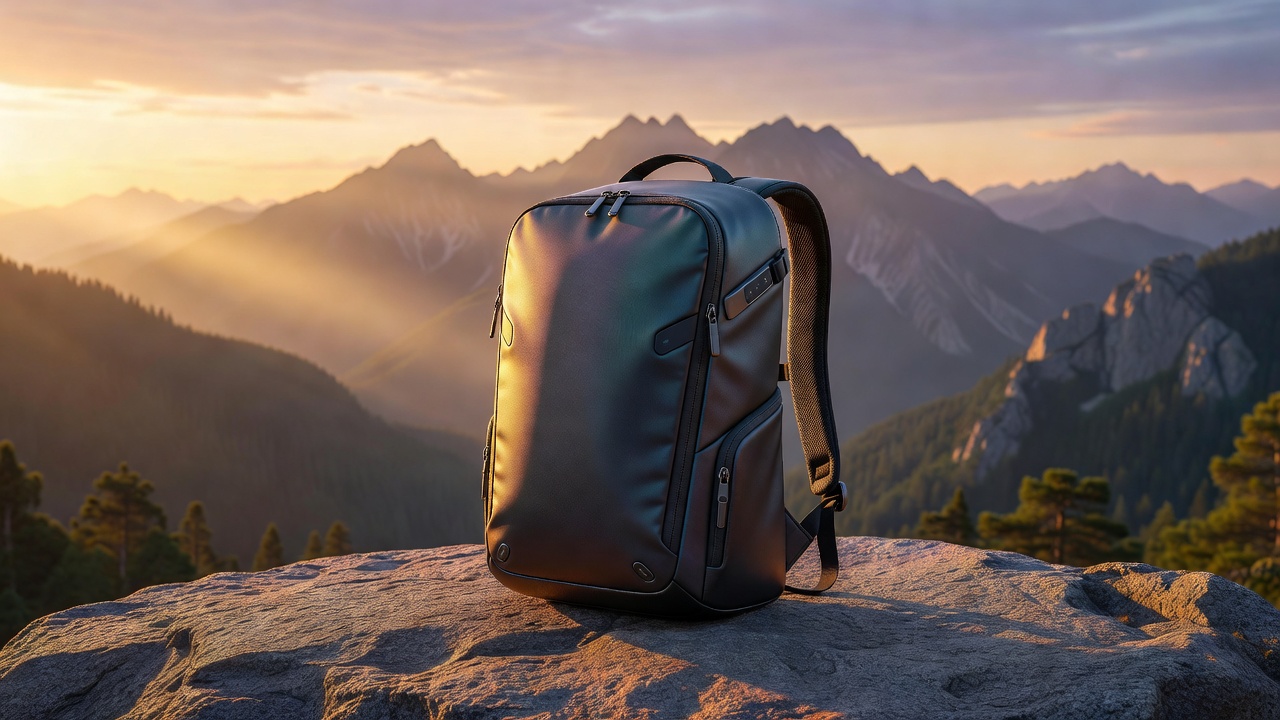
Introduction: Mastering Backpack Selection for Modern Travel
Choosing the right travel backpack in 2026 requires balancing durability, packing efficiency, and adaptability across diverse trip types. Whether you're navigating airport security or trekking remote trails, the ideal pack optimizes weight distribution, resists weather, and complies with airline rules. This comprehensive guide explores essential features, compares popular styles, and provides actionable steps to match a backpack to your specific needs. Travelers today face increasingly complex requirements, from strict carry-on regulations to unpredictable weather patterns, making an informed choice more important than ever. By understanding the nuances of design and functionality, you can select a pack that enhances every journey rather than hindering it.
Essential Features for Optimal Performance
Weight distribution is critical for comfort during long hauls. Look for packs with padded hip belts and adjustable shoulder straps that transfer load to your hips. Weather resistance comes from durable materials like ripstop nylon with DWR coatings, protecting gear from rain and dust. Additional must-haves include lockable zippers, multiple compartments for organization, and ergonomic designs that prevent strain. Consider the frame system as well; internal frames provide stability for heavy loads while external options allow better ventilation on hot days. Materials matter greatly too—ballistic nylon offers superior abrasion resistance for urban use, whereas Cordura fabrics excel in wilderness settings. Ventilation channels along the back panel reduce sweat buildup, a feature often overlooked but essential for multi-hour treks.
Practical examples show why these matter. A well-distributed pack reduces fatigue on multi-day journeys, while weatherproofing ensures electronics survive sudden downpours. Reinforced stitching at stress points prevents tears during rough handling at airports or on rocky paths. Many modern designs incorporate reflective elements for low-light visibility, adding a layer of safety for evening travel or early morning hikes.
Comparing Travel Backpack Styles
Hiking backpacks excel in rugged terrain with robust frames and high capacity. Carry-on styles prioritize slim profiles for overhead bins and quick airport access. Convertible models offer versatility, transforming from backpack to shoulder bag or suitcase. Each style serves distinct purposes, and understanding their trade-offs helps avoid common mismatches.
- Hiking Style Pros: Superior ventilation, heavy load support, integrated rain covers; Cons: Bulkier for urban travel, often exceed carry-on limits.
- Carry-On Style Pros: Airline compliant, lightweight, easy to maneuver in crowds; Cons: Less padding for trails, limited capacity for extended trips.
- Convertible Style Pros: Flexible for mixed trips, multiple carry options; Cons: Can compromise on specialized features like advanced suspension systems.
Top 2026 models include the Osprey Atmos for hiking, with excellent ventilation; the Samsonite Magnum carry-on, known for smooth wheels integration; and the Patagonia Black Hole convertible for urban-adventure blends. When evaluating, examine the suspension system closely—adjustable torso lengths ensure a custom fit that prevents shoulder pain over long distances.
Matching Backpacks to Trip Duration and Destination
For short weekend getaways, opt for 30-40 liter carry-ons. Extended international trips benefit from 50+ liter hiking packs with expansion options. Destinations like tropical climates demand enhanced weather resistance, while city breaks favor sleek convertibles. Mountain destinations may require additional attachment points for trekking poles or ice axes.
Steps to decide: Assess trip length first, then factor in activities and climate. Test fit with packed weight to ensure balance. Create a checklist including expected weather, transportation modes, and activity levels. For example, a week-long European rail trip suits a convertible 40-liter model, whereas a two-week Patagonia trek calls for a 65-liter hiking pack with robust hip belts. Always simulate your packing list at home to verify capacity before committing to a purchase.
Real-World Examples: 2026 Model Pros and Cons
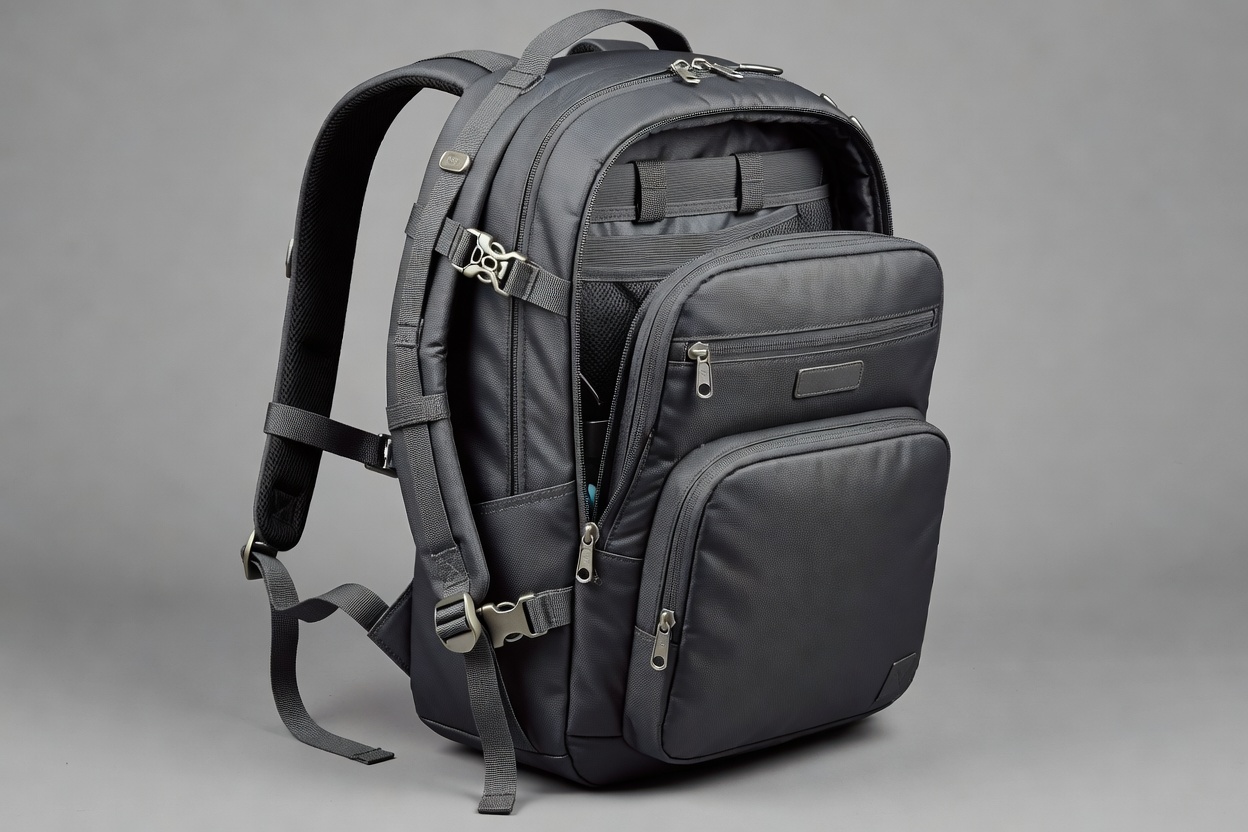
The North Face Router 2026 edition offers robust organization but may feel heavy when empty. Gregory Baltoro provides top-tier support for long hikes yet requires careful sizing. Additional contenders include the Deuter Aircontact for superior airflow and the Cotopaxi Allpa for innovative packing features. Review user feedback on real-world durability after repeated airline checks and trail use. Consider how each model handles mixed scenarios, such as transitioning from airport to trailhead without needing multiple bags.
Packing Tips for Maximizing Space
Use packing cubes to compress clothing. Place heavy items near your back for better balance. Roll clothes instead of folding to save room and reduce wrinkles. Leave space for souvenirs on return journeys. Layer items strategically: place frequently accessed items like passports and chargers in external pockets. Utilize compression straps to stabilize contents during transit. For liquids, dedicated compartments prevent leaks from affecting other gear. Experiment with different configurations on short test trips to refine your system.
Airline Compliance and Warranty Considerations
Verify dimensions against TSA guidelines for carry-ons. Many packs now include built-in compliance features. Warranties vary; seek lifetime coverage from reputable brands for peace of mind on long-term use. Cross-reference with FAA recommendations when traveling internationally, as rules can differ by carrier and region. Some packs feature removable daypacks or modular designs that adapt to evolving regulations.
Frequently Asked Questions
How do I check warranty details? Review manufacturer sites for coverage on defects and repairs, including what constitutes normal wear versus damage.
What about airline size limits? Measure your packed bag against carrier specs, typically 22x14x9 inches, and confirm with each airline before departure.
Can backpacks handle extreme weather? Choose models with sealed seams and integrated covers for best protection in heavy rain or snow.
How often should I replace my backpack? Inspect for worn straps, zippers, and fabric integrity annually, replacing when repairs become frequent.
Are there eco-friendly options available? Many brands now use recycled materials without sacrificing durability or performance.
Conclusion
Selecting the ideal 2026 travel backpack transforms your journeys. Prioritize features that match your travel style, test thoroughly, and invest in quality for lasting value. With these insights, you'll pack smarter and travel farther with confidence. Regular maintenance and thoughtful packing habits further extend the life of your chosen pack, ensuring reliable performance across countless adventures.

No comments yet. Be the first!