 PlaceBee
Introduction: Why Airplane Food Hacks Matter in 2026
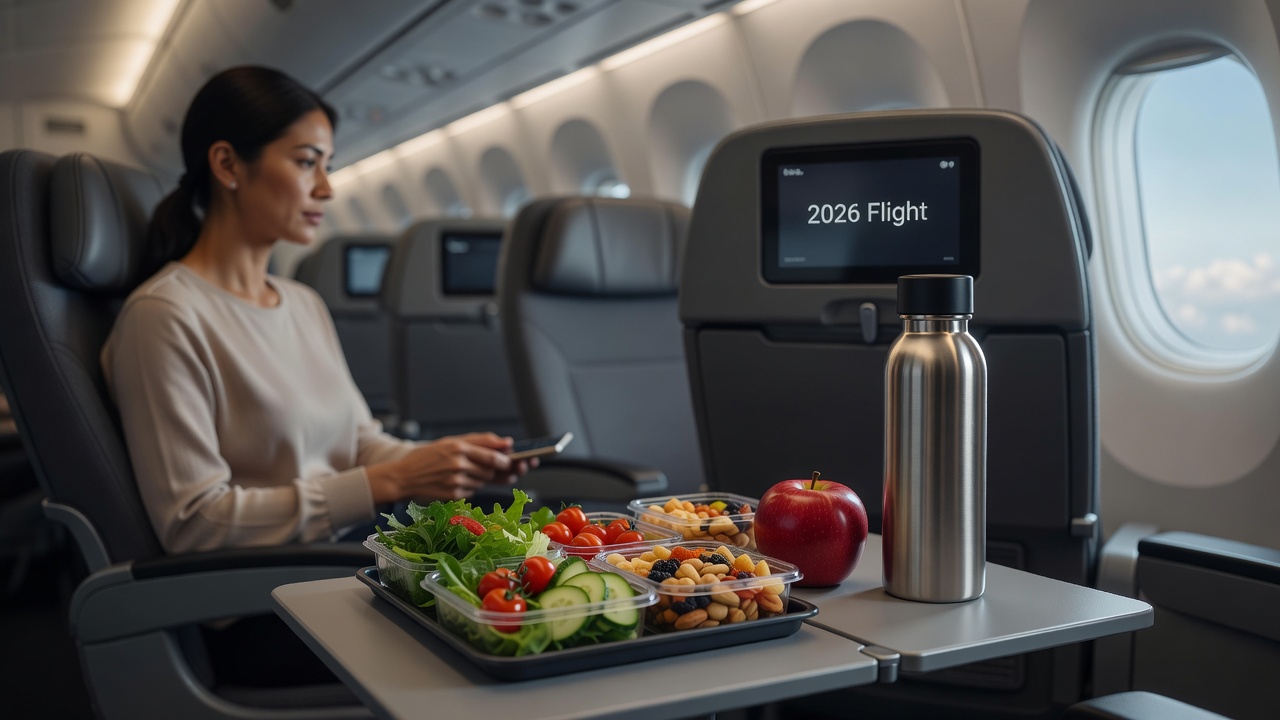
Long-haul flights can leave even seasoned travelers feeling drained, especially when in-flight meals fall short of expectations. Pro travel advice for 2026 emphasizes preparation over reliance on airline catering, as routes expand and passenger preferences shift toward healthier, more personalized options. Mastering travel hacks around food turns uncomfortable journeys into smoother experiences by maintaining energy levels, supporting digestion, and reducing the effects of cabin pressure and dry air. This comprehensive guide delivers actionable steps covering pre-flight planning, smart packing, on-board navigation, and recovery strategies. Whether you fly frequently for work or plan occasional vacations, these insights help you arrive feeling refreshed rather than fatigued.
Pre-Flight Meal Strategies for Optimal Energy
Begin preparations 24 to 48 hours before departure by focusing on balanced meals rich in lean protein, complex carbohydrates, and fiber to stabilize blood sugar and prevent mid-flight crashes. Opt for grilled chicken paired with quinoa and steamed vegetables or baked salmon with sweet potatoes the night before takeoff. These choices promote steady energy without heavy digestion demands once airborne. On departure day, enjoy a substantial yet light breakfast at home, such as oatmeal with berries and nuts, instead of grabbing sugary pastries at the airport. Many frequent flyers report noticeably reduced jet lag symptoms when they avoid heavy airport fast food, which often leads to bloating and sluggishness during the flight. Consider timing your last solid meal two hours before boarding to allow digestion before the cabin environment changes. If your route involves multiple time zones, adjust meal timing gradually the day prior to ease the transition.
TSA-Compliant Snack Packing Techniques
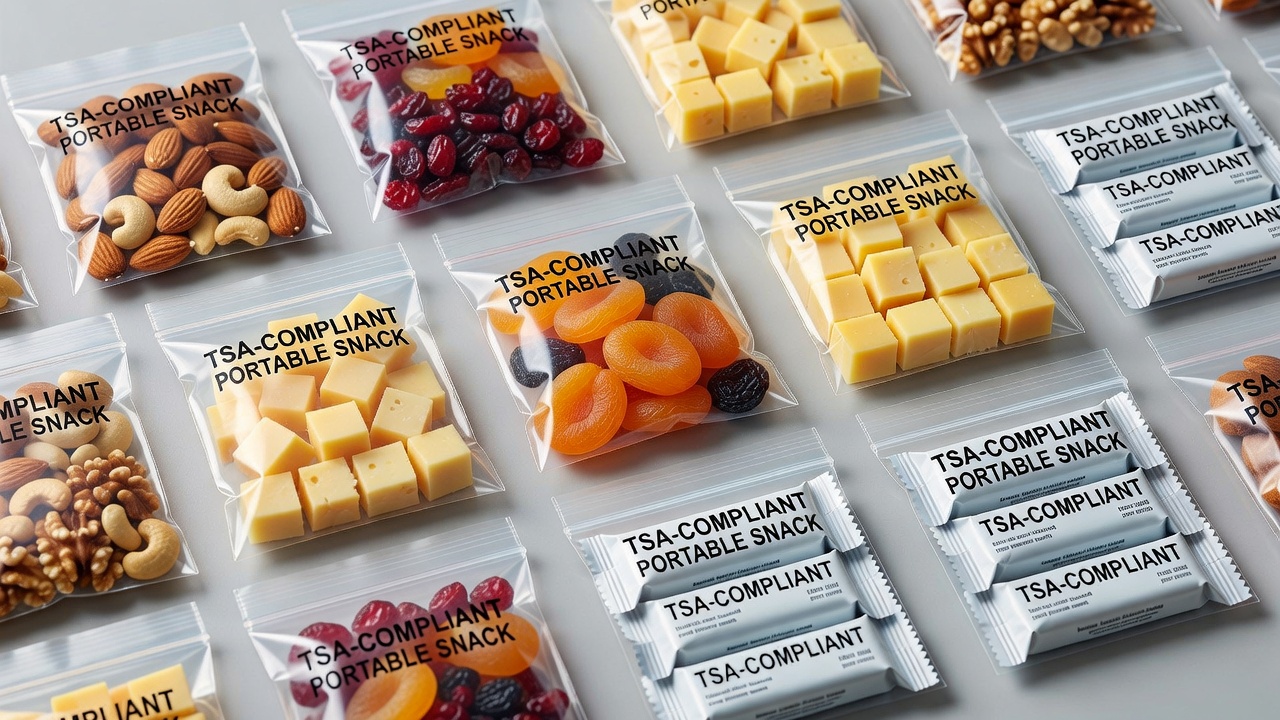
Security screening requires liquids and gels under 3.4 ounces in a single quart-sized clear bag, but solid snacks face fewer restrictions and can be packed generously in carry-ons. Focus on non-perishable, mess-free items like roasted almonds, dried apricots, individually wrapped cheese sticks, and low-sugar protein bars stored in clear, resealable pouches for quick inspection. Vacuum-sealed options help maintain freshness on long international routes common in 2026. Layer snacks by flight stage—lighter options like fruit leather for takeoff and more substantial nuts for cruising altitude. Avoid anything with strong odors or potential for spills, such as yogurt or loose granola. Always verify the latest screening rules directly from official sources before travel.
Comparing Popular Portable Foods for Flights
Not all snacks perform equally at cruising altitude where taste perception can dull due to lower humidity. Here is a detailed comparison of reliable choices:
- Nuts and seeds: High in healthy fats and plant protein; compact, non-perishable, and satisfying for hours. They resist crushing and provide steady energy without crumbs when portioned in small bags.
- Fresh fruit: Apples, bananas, and oranges travel well but may bruise in tight spaces; pair with single-serve nut butter packets for balanced nutrition and fiber.
- Protein bars and jerky: Convenient and shelf-stable, yet check labels for added sugars that could cause energy spikes followed by crashes; choose versions with at least 10 grams of protein.
- Roasted chickpeas or edamame: Crunchy, savory alternatives to chips that deliver fiber and plant protein while remaining lightweight and TSA-friendly.
- Veggie sticks with hummus: Carrot and celery sticks pair nicely with 3.4-ounce hummus cups, though dry-roasted vegetable chips serve as a safer backup on longer flights.
Select based on flight duration—nuts and seeds suit short hops while bars and jerky work better for overnight red-eyes when hunger may strike unpredictably.
Step-by-Step Hydration Routines
Dehydration intensifies fatigue, headaches, and appetite suppression in the low-humidity cabin environment. Start hydrating aggressively the day before departure by consuming water-rich foods such as cucumber slices and watermelon alongside regular water intake. Onboard, set a personal goal of eight ounces of water every hour while awake, alternating with electrolyte packets once they are rehydrated after clearing security. Carry an empty reusable bottle through checkpoints and refill at post-security fountains. Limit caffeine and alcohol, both of which accelerate fluid loss. Pro travelers use phone alarms or app reminders to sip consistently, especially on flights exceeding four hours. For overnight journeys, keep a small bottle accessible in the seat pocket rather than relying solely on flight attendant service.
Airline Menu Navigation Tips for 2026 Routes
Review digital menus on airline websites or apps at least 48 hours before departure and pre-select meals whenever the option appears during booking. Many carriers now feature expanded plant-based, gluten-free, and low-sodium choices tailored to growing demand. If your preferred option is unavailable, request modifications at check-in or notify the crew upon boarding. International long-haul routes often provide superior variety compared with short domestic legs. Cross-reference meal descriptions with your dietary needs and consider downloading the airline app for real-time updates on menu changes.
Dietary Restriction Workarounds with Real Examples
Passengers managing allergies, intolerances, or lifestyle preferences benefit from proactive communication. One frequent business traveler with severe tree-nut allergies packs certified allergen-free bars and informs the crew immediately after boarding while keeping a printed medical note handy. Another passenger following a low-FODMAP diet for IBS brings pre-portioned certified snacks after confirming airline policies online. For celiac disease, always verify that shared ovens are avoided and carry backup sealed items. Advance notice to the airline at least 24 hours ahead improves outcomes, and many 2026 carriers have streamlined special meal request forms on their websites.
Budget-Friendly Airport Hacks
Skip inflated terminal pricing by eating a full meal before entering security and using loyalty apps to locate affordable options just outside the airport perimeter. Refill water bottles at free fountains after clearing checkpoints rather than purchasing bottled water inside. During extended layovers, some terminals provide complimentary fruit baskets or basic snacks through airline loyalty programs—simply ask at the gate. Packing extra snacks from home also reduces the temptation to buy expensive convenience items once airside.
FAQ: Common Concerns on Allergies and Jet Lag
How do I handle food allergies safely? Declare allergies during booking, bring sealed personal alternatives, and notify flight attendants at the start of the flight while carrying any required medication.
Does jet lag affect appetite? Yes, circadian disruption can suppress or increase hunger irregularly; rely on small, frequent snacks instead of waiting for full meals to maintain steady energy.
Are there restrictions on homemade snacks? Solid homemade items are generally permitted provided they contain no excessive liquids or gels; pack them in clear containers for easy screening.
What should I do if the airline loses my pre-ordered meal? Always carry a backup supply of non-perishable snacks sufficient for the entire journey duration.
Can hydration help with jet lag recovery? Consistent water intake during the flight supports faster adjustment upon arrival by maintaining cognitive function and reducing headache risk.
Conclusion
Implementing these 2026 pro travel tips transforms standard flights through thoughtful food choices and preparation. From pre-flight meal timing to in-air hydration routines and dietary accommodations, these travel hacks prioritize comfort, health, and enjoyment. Apply them consistently on upcoming journeys to experience noticeably smoother and more comfortable travel.


No comments yet. Be the first!