 PlaceBee

Introduction to Mastering Multi-Destination Travel in 2026
Planning multi-destination itineraries requires precision, especially when juggling flights, trains, and accommodations across continents. In 2026, travelers benefit from advanced digital tools that streamline everything from route mapping to real-time adjustments. This guide delivers pro-level advice to optimize your journeys, minimize stress, and maximize enjoyment whether you're looping through Europe or Asia. Multi-city trips offer incredible variety but demand careful coordination to avoid fatigue, missed connections, and inflated costs. Whether you're a frequent business traveler or an adventurous explorer, mastering these strategies ensures smooth transitions between cities like Paris, Tokyo, and Bangkok. The key lies in proactive planning that anticipates disruptions while embracing flexibility for spontaneous discoveries.
Optimizing Routes with Digital Tools
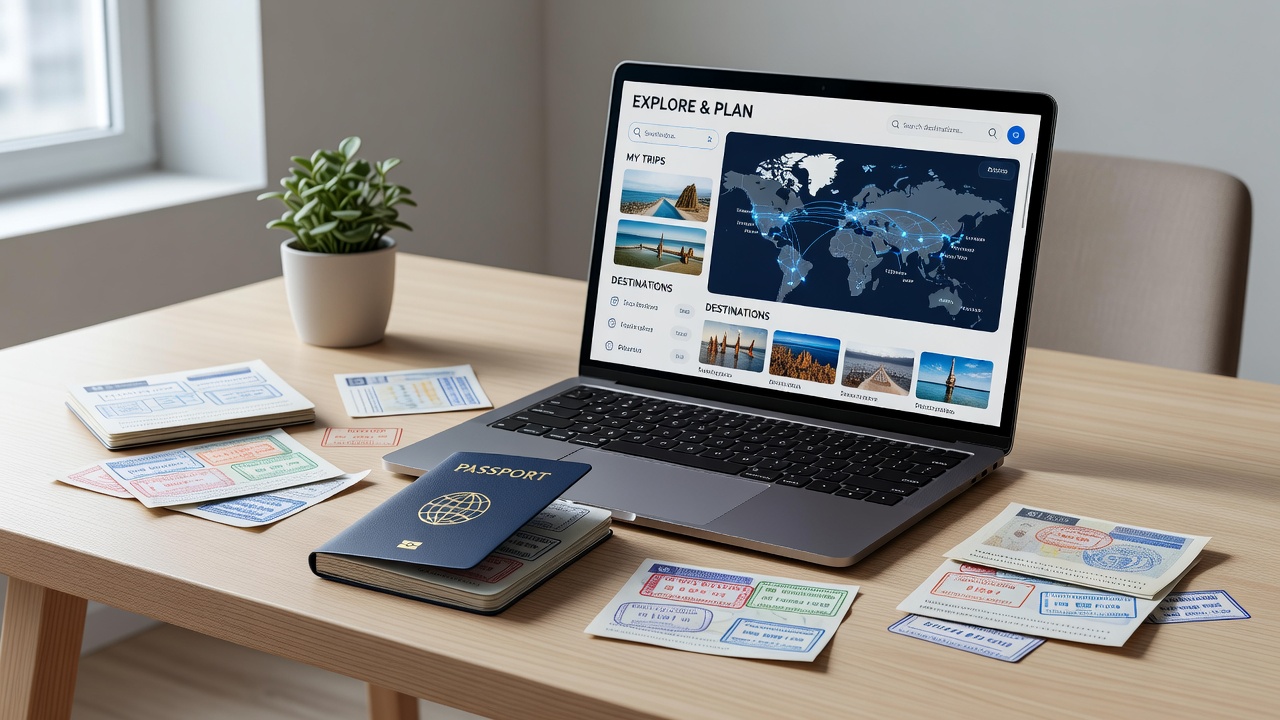
Start by leveraging mapping software to visualize connections. Tools like Google Maps integrated with flight trackers help identify efficient paths. Focus on minimizing layovers by selecting hubs with strong onward connections. Incorporate flexible buffers of at least four hours between international legs to account for delays common in peak seasons. Advanced apps now integrate AI to suggest alternative routes based on weather patterns and historical delay data. For instance, rerouting through secondary airports can shave hours off total travel time when primary hubs experience congestion. Cross-reference multiple platforms simultaneously to compare rail, bus, and flight combinations for the most seamless progression between stops.
Minimizing Layovers and Incorporating Flexible Buffers
Reducing layover duration starts with selecting airlines that operate code-share agreements for smoother transfers. In 2026, many carriers offer automated rebooking for missed connections, but building manual buffers remains essential. Add overnight stays in hub cities when crossing time zones to allow for rest and acclimatization. Practical examples include padding schedules by six hours for intra-Asia flights and overnighting in Europe when chaining multiple short-haul segments. This approach prevents the domino effect of one delayed flight cascading through an entire itinerary.
Step-by-Step Itinerary Builders
Creating a robust itinerary begins with listing every destination and desired activity in chronological order. Next, research transport durations between each point using reliable databases. Then, allocate time blocks for meals, rest, and buffer periods. Follow this with booking accommodations that offer free cancellation up to 48 hours prior. Finally, share the finalized plan with companions via cloud-based documents for collaborative edits. This methodical process transforms chaotic travel into a streamlined experience supported by checklists and contingency plans.
App-Based vs Traditional Planning Methods
| Method | Pros | Cons |
|---|---|---|
| App-Based | Real-time updates, automated alerts, collaborative sharing, integration with loyalty programs | Requires reliable internet, potential subscription fees, learning curve for new interfaces |
| Traditional | No tech dependency, tangible notes for offline use, easier customization with pen and paper | Time-consuming manual updates, harder to share with groups, limited access to live pricing |
Many experts now blend both approaches for hybrid efficiency, using digital tools for bookings and paper backups for critical documents.
Packing Tips for Varied Climates Across Stops
Layering is essential when moving between climates. Choose lightweight, quick-dry fabrics that adapt from Mediterranean heat to alpine cool. Use packing cubes to organize by destination rather than item type. Include universal adapters and a compact laundry kit to handle extended loops without excess luggage. Consider climate-specific additions like moisture-wicking base layers for humid Asian cities and insulated vests for cooler European evenings. Always check forecasted temperatures for each stop and pack versatile shoes that handle both urban walking and light hiking. This strategic packing reduces checked bag fees and speeds up security screenings.

Real-World Case Studies of Efficient 2026 European and Asian Loops
Consider a 14-day European circuit starting in Paris, moving to Rome, then Barcelona. Optimized rail and short flights cut total travel time by 30 percent through careful sequencing of high-speed trains. In Asia, a Tokyo-Seoul-Bangkok route benefits from regional budget carriers with coordinated schedules that align departure times within two-hour windows. Another example involves a Scandinavian loop from Copenhagen to Stockholm to Oslo, where ferry and train combinations replace flights to reduce environmental impact while maintaining comfort. These cases demonstrate the value of building in one rest day per three active days to prevent burnout and allow cultural immersion.
Common Mistakes to Avoid in Multi-Destination Planning
- Overpacking without considering climate variations leads to heavy bags and extra fees.
- Ignoring visa requirements between countries can result in denied boarding.
- Failing to confirm transport schedules during holidays creates last-minute scrambles.
- Skipping travel insurance leaves travelers exposed to medical or cancellation costs.
- Neglecting local transit apps causes confusion upon arrival in new cities.
Handling Last-Minute Changes: FAQs
- How do I rebook after cancellations? Use apps with flexible change policies and monitor airline notifications closely while having backup flights identified in advance.
- What buffers prevent missed connections? Always add 3-5 hours domestically and overnight international layovers when possible, especially during peak travel months.
- Are cost-saving hacks reliable for transfers? Book multi-city tickets in advance and consider open-jaw fares for returns from different cities to avoid backtracking expenses.
- How should I manage jet lag across multiple zones? Adjust sleep schedules gradually before departure and prioritize hydration and light exposure upon arrival.
Cost-Saving Hacks for Frequent Transfers
Combine loyalty programs across alliances and use incognito browsing for dynamic pricing checks. Leverage city passes that bundle attractions and local transport to stretch budgets further. Monitor for error fares and price drops through dedicated alert services. For authoritative travel health guidance, consult CDC travel resources and U.S. State Department advisories. Additional insights on global aviation standards are available at IATA official site. With these strategies, your 2026 multi-destination adventures become efficient and memorable.
Conclusion
Mastering multi-destination itineraries in 2026 combines technology, foresight, and adaptability. By applying the detailed methods outlined above, travelers can navigate complex routes with confidence while enjoying richer experiences at every stop. Start planning early, test your tools, and refine your approach with each journey for ongoing improvement.
No comments yet. Be the first!