 PlaceBee
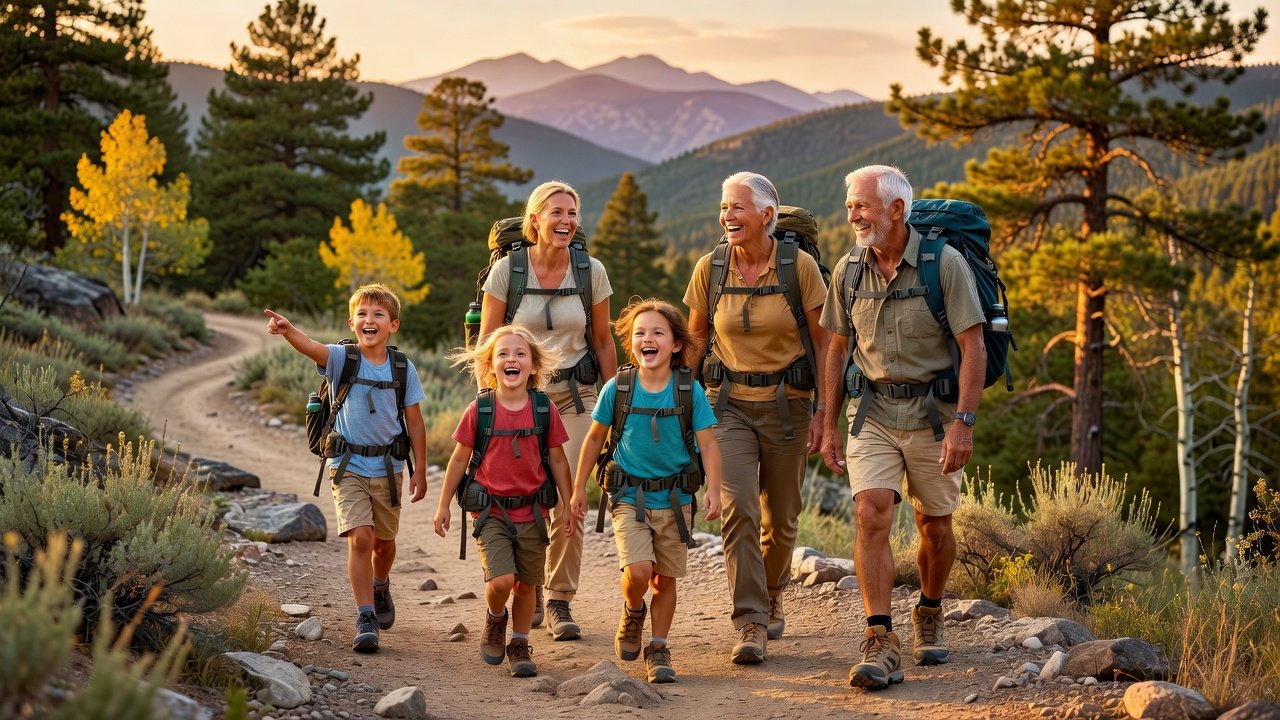
Introduction to Family Adventure Travel in 2026
Planning family adventures in 2026 requires balancing the needs of children, parents, and grandparents while keeping luggage light and stress low. This guide delivers practical hacks for seamless multi-generational journeys, drawing from popular destinations like national parks in the United States and coastal regions in Europe. Whether you're hiking in Yosemite or exploring historic sites in Rome, these strategies ensure everyone stays engaged and comfortable. Families today seek trips that combine adventure with accessibility, and 2026 brings new opportunities through improved apps and sustainable travel options. The key is preparation that anticipates varied energy levels, dietary needs, and interests across generations.
Minimalist Packing Strategies for Kid Essentials
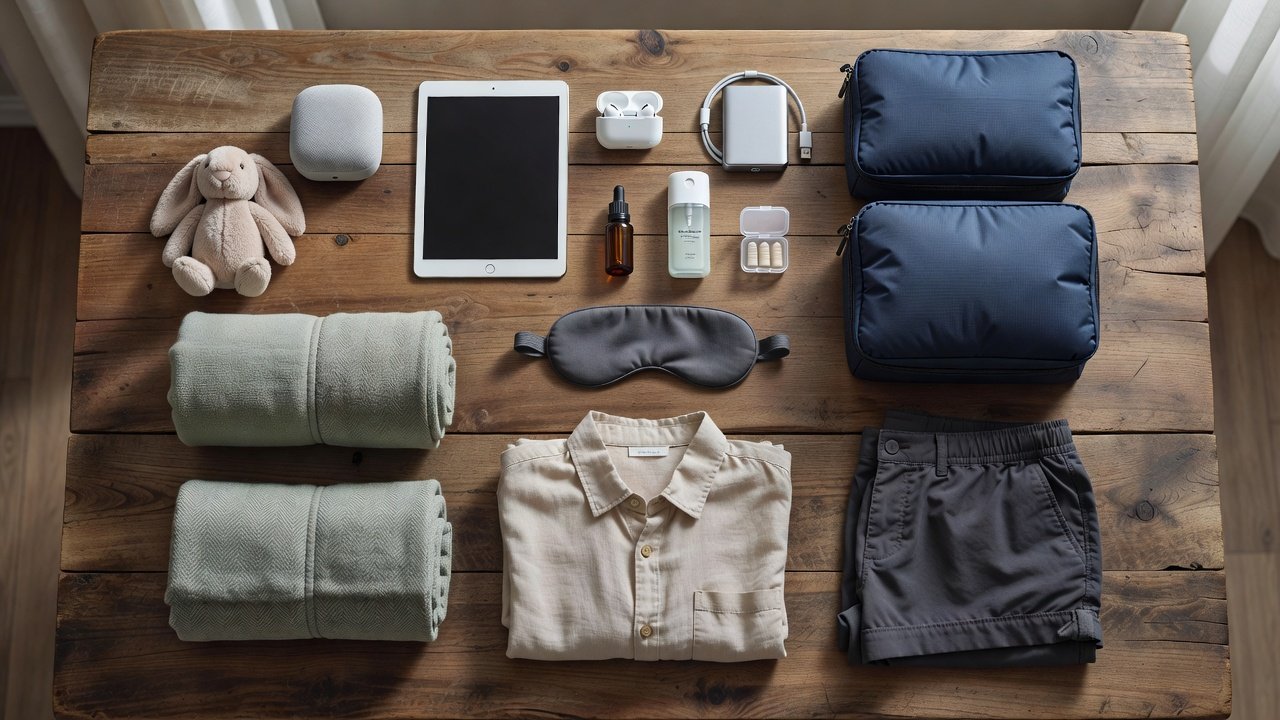
Effective packing starts with a shared family list that prioritizes versatile items. Focus on quick-dry clothing, multi-use gadgets, and compact organizers. For kids, include familiar comfort items like a small blanket or favorite snack alternatives that don't add bulk. Grandparents benefit from supportive footwear and lightweight layers. Real examples from trips to the Grand Canyon show how families reduced luggage by using compression cubes and capsule wardrobes that mix and match across ages. Begin by laying out everything two weeks before departure and eliminate duplicates. Choose neutral colors for clothing so items can be shared or layered. Include a dedicated kid essentials pouch with wipes, small toys, and medications that fits in a daypack. For multi-generational groups, assign each person one carry-on and one personal item to maintain balance. Practical tips include rolling clothes instead of folding to save space and using packing cubes labeled by family member. Examples from European family rail trips demonstrate how this approach prevents lost items during transfers. Always check destination weather apps weeks ahead. A useful resource is the CDC travel health page for vaccination and health item recommendations. Expand your kit with reusable water bottles and portable chargers to reduce single-use plastics and ensure devices stay powered during long days outdoors.
Itinerary Planning for Mixed Ages
Successful itineraries blend active and restful activities. Start with a flexible daily structure: mornings for adventure, afternoons for downtime. In destinations like Banff National Park, families alternate short hikes with scenic drives to accommodate varying energy levels. Include buffer time for spontaneous stops. Use color-coded family calendars to assign roles, such as one adult handling navigation while another manages snacks. For mixed ages, plan age-appropriate options within the same location, such as easy trails for younger kids alongside viewpoints suitable for seniors. Real-world examples from family visits to Yellowstone include splitting groups for part of the day and reuniting for meals. Build in educational elements like ranger talks that appeal to all ages. Consider seasonal factors, such as avoiding peak heat in desert areas or planning indoor alternatives for rainy days in coastal Europe. Step-by-step planning involves first listing must-see sites, then mapping them by proximity and difficulty, and finally adding rest periods. This method has helped families on multi-week trips maintain harmony without burnout.
On-the-Go Wellness Routines
Maintain health during travel with simple routines like morning stretches and hydration reminders. Pack a small wellness kit with natural remedies, motion sickness aids, and allergy supplies. For long flights or drives, schedule movement breaks every two hours. Families report better outcomes on multi-generational European train trips when incorporating mindfulness apps for group relaxation sessions. Create a daily wellness schedule that starts with light exercise, includes balanced meals with familiar foods, and ends with wind-down activities. Address common issues such as jet lag by adjusting sleep gradually before departure. For kids, use games that encourage movement, while seniors may prefer seated options. Link to authoritative guidance from World Health Organization travel advice for staying healthy abroad. Include mental wellness by encouraging photo journals or shared storytelling at the end of each day. Practical checklists for wellness cover hydration goals, snack rotations, and sleep environment adjustments in hotels or campsites. These routines prevent minor issues from escalating and keep the group positive throughout the adventure.
Tech Tools for Entertainment and Planning
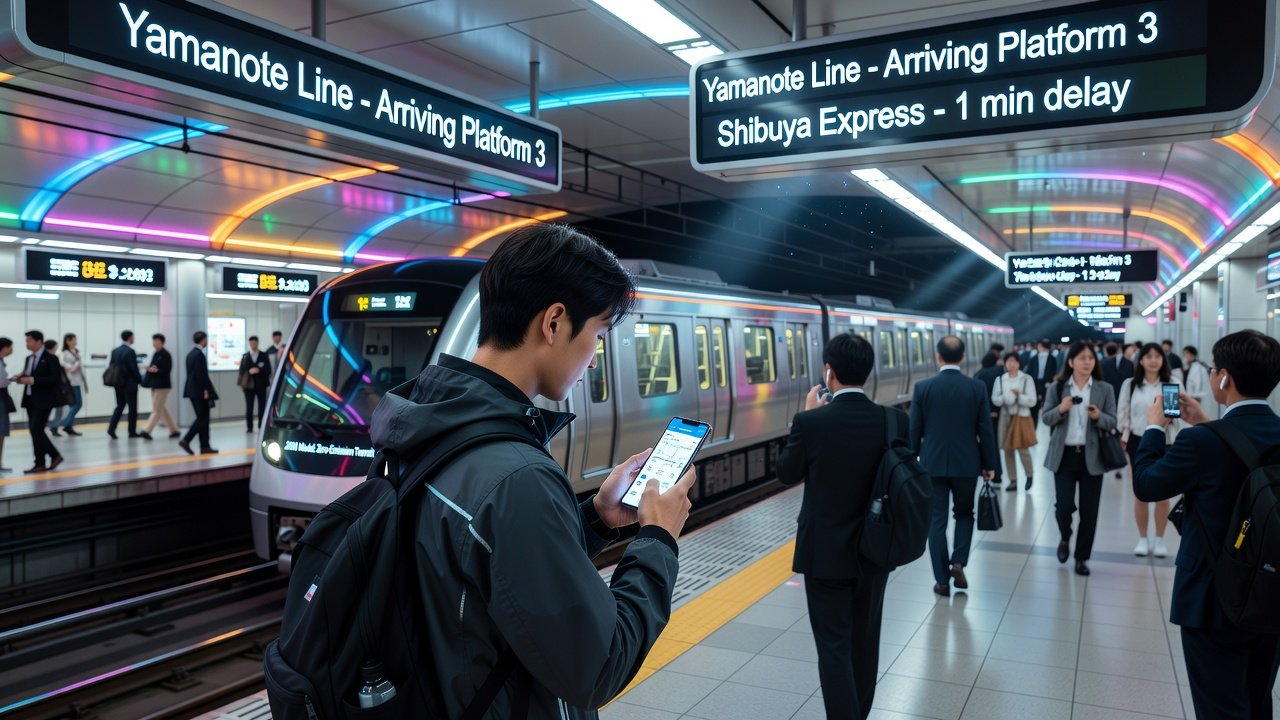
Modern tech simplifies family travel. Compare apps like Google Trips for collaborative planning against traditional paper maps: apps offer real-time updates and offline maps, while paper provides reliability without battery concerns. Entertainment tools include offline e-readers for kids and noise-cancelling headphones for all ages. Step-by-step, test apps before departure by simulating a short trip. Download content in advance to avoid data fees. Use family sharing features for shared playlists and photos. Backup devices with portable chargers rated for multiple uses. Additional tools like translation apps help in international destinations, and navigation apps with offline capabilities prove essential in remote areas such as national parks. Families on 2026 trips to Iceland used weather and activity apps to adapt plans daily. The comparison favors hybrid approaches where apps handle logistics and paper serves as backup for critical information.
Practical Checklists and Comparisons
Create three checklists: pre-trip, daily, and emergency. Pre-trip covers documents and bookings. Daily includes morning wellness and evening reviews. Compare family-friendly apps such as TripIt versus spreadsheets: apps automate reminders, while spreadsheets allow full customization. Avoid common mistakes like over-scheduling by building in rest days. Detailed pre-trip checklist: confirm passports and visas, book accessible accommodations, pack medications with extras, and download offline maps. Daily checklist: review itinerary together, assign roles, prepare daypacks, and set hydration targets. Emergency checklist: list contacts, medical info, and meeting points. These tools, combined with real examples from family adventures in popular spots, ensure comprehensive coverage.
Handling Delays and Creating Memorable Experiences
Delays are inevitable, so prepare activity kits and confirm hotel flexibility. Carry printed backup itineraries. Create memorable experiences without overwhelm by focusing on one highlight per day and capturing moments through shared journals. For official destination guidance, consult National Park Service resources. Additional tips include building flexibility into bookings and using apps for real-time updates on transportation changes. Families that embrace these strategies often find unexpected adventures turn into highlights.
FAQs: Addressing Common Family Travel Concerns
How do we handle flight delays with kids and elders? Prepare activity kits and confirm hotel flexibility. Carry printed backup itineraries and download entertainment ahead.
Can we create memorable experiences without overwhelm? Focus on one highlight per day and capture moments through shared journals or simple games.
What about dietary restrictions across generations? Research restaurants in advance and pack safe snacks that everyone enjoys.
How to manage tech during travel? Set screen time limits and balance with outdoor activities to keep all ages engaged.
Is minimalist packing realistic for families? Yes, with careful selection of versatile items and shared resources it becomes manageable and liberating.
With these 2026 pro tips, your family adventures will be smoother and more enjoyable for every generation. Start planning early and adjust based on your group's unique dynamics for the best results.
No comments yet. Be the first!